 Skip to content

Visa FIFA World Cup 2026: Your Guide for USA, Canada, & Mexico


Over the next few minutes, you’ll learn exactly how to tackle the complex visa requirements for the FIFA World Cup 2026. This guide cuts through the noise, giving you authoritative advice on securing your entry to the U.S., Canada, and Mexico. You’ll discover the biggest pitfalls to avoid and how to make sure you’re not left watching the matches from home.
Do I actually need a visa to attend the 2026 FIFA World Cup?
Yes, you absolutely do! You’ll need to secure the proper travel documents for each host country you plan to visit, because a visa for one doesn’t get you into another. It’s not a single “World Cup visa” situation, so plan carefully.
Breaking down the entry rules for the U.S., Canada, and Mexico
Each host nation has distinct entry requirements. The U.S. typically requires a B1/B2 visa or ESTA. Canada generally needs a Temporary Resident Visa or eTA. Mexico often allows visa-exempt entry with an FMMd, but some still need a visa.
Who’s lucky enough to be visa-exempt and who isn’t?
Some travelers get a pass on traditional visas. For instance, U.S. citizens don’t need a visa for Canada, and many nationalities can enter Mexico visa-free. But if you’re not on those lists, you’ll definitely need to apply for a visa.
Many countries enjoy visa-exempt status for at least one of the host nations, making travel a bit simpler. For the U.S., 42 Visa Waiver Program countries can use an ESTA.
Canada requires an eTA for most visa-exempt air travelers, though U.S. citizens are exempt from both. Mexico offers visa-free entry to numerous nationalities, including those from the U.S., Canada, the EU, and UK, who receive a Multiple Digital Migration Form (FMMd) on arrival.
However, if your country isn’t on these specific lists, or you don’t hold a valid visa from another major country like the U.S. or Schengen area, you’ll need to apply for a standard visitor visa in advance for each country.
Why your match ticket isn’t a “get into the country free” card
Your World Cup ticket is fantastic for getting into the stadium, but it’s not a visa. It won’t grant you entry to the U.S., Canada, or Mexico. You still have to go through all the regular immigration checks.
Holding a ticket to a FIFA World Cup match is incredibly exciting, but it’s crucial to understand its limitations regarding international travel. Secretary of State Marco Rubio himself stated, “Your ticket is not a visa. It doesn’t guarantee admission to the US.”
While the FIFA Priority Appointment Scheduling System (FIFA PASS) might offer an expedited interview for U.S. visas if you’re a ticket holder, it doesn’t change eligibility requirements or bypass any security vetting. Immigration consultants also warn against “FIFA visas,” emphasizing these are scams.
You’ll still need to meet all standard immigration criteria, including proving ties to your home country and financial stability, just like any other visitor.
Which type of visa should I actually apply for?
Choosing the right travel document depends on your nationality and which host countries you’ll visit. You’ll need to confirm requirements for each destination. Keep in mind, a visa for one country does not grant entry to another.
The real deal on the U.S. B-2 visa and when to use an ESTA
Most visitors heading to the U.S. for the World Cup will need a B-2 visitor visa. If you’re from one of the 42 Visa Waiver Program countries, you might qualify for an ESTA, allowing stays up to 90 days. Apply for your ESTA at least 72 hours before travel, or earlier if it’s your first time.
Navigating Canada’s eTA vs the traditional visitor visa
Heading to Canada? Many visa-exempt foreign nationals traveling by air need an Electronic Travel Authorization (eTA), valid for five years and allowing stays up to six months.
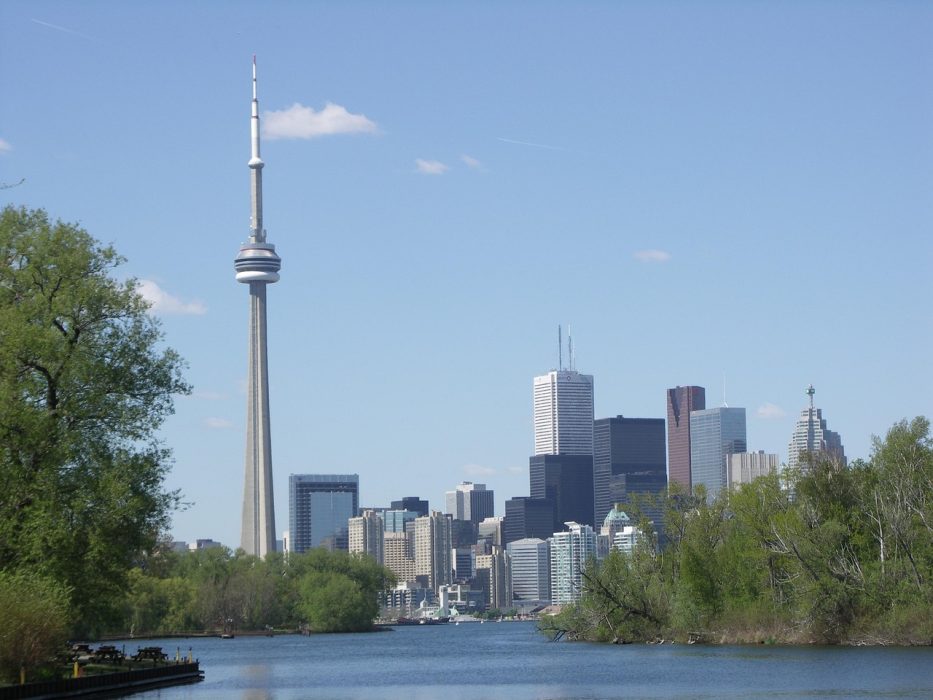
If you’re not from a visa-exempt country, a Temporary Resident Visa (TRV) is what you’ll need. U.S. citizens are lucky here; they don’t need an eTA or visa to enter Canada with a valid U.S. passport.
Everyone else, though, needs to figure out if their nationality qualifies for the eTA or if they’ll need to go through the full Temporary Resident Visa application process. Make sure your passport is valid and unexpired for Canada.
Mexico’s easy tourist card and other entry options for fans
Many nationalities, including U.S., Canadian, and EU citizens, don’t need a visa for Mexico. You’ll get a Multiple Digital Migration Form (FMMd) on arrival, allowing a stay of up to 180 days.
If your nationality isn’t on the visa-exempt list, or you don’t already hold a valid U.S., Canadian, Schengen, or UK visa, then you’ll absolutely need to apply for a Mexican visitor visa in advance.
Mexico also introduced an Electronic Visitor Visa (EIVIS) pilot for select countries in 2024, which can offer faster approval times. Keep your valid passport handy – it’s vital for entry.
My step-by-step guide to nailing that U.S. visa application
You might think a World Cup ticket is all you need, but that’s a common misunderstanding. Actually, securing your U.S. B1/B2 visitor visa is a whole separate ballgame, and it’s necessary to understand the process.
| U.S. B1/B2 Visa Essentials | |
|---|---|
| Who needs it? | Complete DS-160, pay fee, schedule an interview, attend the interview, and prove home ties/finances. |
| Form required: | DS-160 online application. |
| Fee: | Around $185 (can vary by nationality). |
| Key steps: | Complete DS-160, pay the fee, schedule an interview, attend the interview, and prove home ties/finances. |
Getting through the DS-160 and paying those application fees
Many people assume the application is quick, but the DS-160 form is detailed. Take your time completing it online, ensuring every piece of information is accurate.
Once that’s done, you’ll pay the application fee – typically around $185, but check for your specific nationality as it can differ.
Gathering the documents that actually prove you’re coming home
Some applicants mistakenly believe showing their World Cup ticket is enough. Instead, you need to provide concrete evidence of your strong ties to your home country.
This is critical for showing you intend to return after the tournament. Gathering documents means collecting things like proof of employment, property ownership, family ties, and bank statements.
The U.S. consulate wants to see that you have every reason to go back home, demonstrating you’re a genuine tourist and not an intending immigrant. Showing you have significant financial capability also helps solidify your case.
Why do you’ve gotta apply at least six months out to be safe
Thinking you can just apply a few weeks before the World Cup is a huge gamble. U.S. visa interview wait times are already incredibly long in many regions, sometimes exceeding two years. Applying early gives you the best shot at avoiding disappointment.
Given that wait times in places like Mexico City are 878 days, and Bogota is 685 days, starting your application at least six months out isn’t just a suggestion-it’s a necessity.
Even with FIFA PASS, which expedites appointments, you still go through the full vetting process. Don’t risk missing the matches because of a last-minute visa scramble.
Can I seriously get priority or expedited visa processing?
The truth about when the embassy actually grants priority
You’re probably wondering if your World Cup ticket gives you a golden pass. The truth is, FIFA PASS offers an expedited interview, not a guaranteed visa. You still need to meet all eligibility requirements and face the same vetting as everyone else.
How to request an emergency appointment as a cup attendee
Securing an urgent appointment is possible, but it’s not a given. You’ll need to demonstrate genuine, unforeseen urgency. Having a ticket for the World Cup can help, but it’s one piece of a larger puzzle.
To request an emergency appointment as a World Cup ticket holder, you’ll typically start by completing the standard DS-160 visa application form and paying the fee. Then, look for the option to request an expedited appointment through the embassy or consulate’s online scheduling system.
You’ll likely need to provide your FIFA World Cup ticket purchase confirmation as evidence.
Be mindful that this system simply moves your interview date closer; it doesn’t change the outcome of your visa application.
You still have to show strong ties to your home country and prove you intend to return after the tournament.
Realistic expectations: why a fast-track isn’t always guaranteed
Expecting a fast track because you have a ticket? Not so fast. While FIFA PASS helps with interview scheduling, it doesn’t bypass strict eligibility rules or security checks. Many factors are considered.
Even with FIFA PASS, the final decision rests with the consular officer during your interview. They’ll assess your intent, financial stability, and ties to your home country.
If they aren’t convinced you’ll return, or if there are any security concerns, your visa could still be denied, regardless of how quickly you got your appointment. It’s a thorough process, and your ticket only addresses the scheduling hurdle, not the core eligibility.
Crossing borders: The real deal on multi-country trips
Traveling between the three host nations – the U.S., Canada, and Mexico – means you’ll need to understand each country’s unique entry rules. A visa for one doesn’t guarantee entry into another. Getting this wrong could mean you miss a match, or worse, get denied boarding.
Planning your route across the U.S., Canada, and Mexico borders
You’ll need to figure out your game schedule and then map out your entire trip. This means looking at different visa requirements for the U.S., Canada, and Mexico. Each country has its own rules, so don’t assume they’re the same.

Making sure your visa lets you come and go as you please
Your visa must allow multiple entries if you plan to hop between countries. A single-entry visa would be a huge problem. Always confirm this detail when you apply to avoid any nasty surprises at the border.
For example, if you’re flying into the U.S., then heading to Canada for a match, and then back to the U.S. for another game, you’ll need a U.S. visa that allows you to enter the country more than once.
Many B1/B2 visas are multiple-entry, but it’s absolutely critical to verify your specific visa’s terms. Do not forget, a U.S. visa doesn’t get you into Canada or Mexico, and vice versa, so each leg of your journey needs its own green light.
My ultimate checklist for hitting matches in different countries
Start with your passport validity; FIFA recommends it be good for at least a year beyond your trip. Then, apply for your U.S. B1/B2 visa, Canadian eTA or TRV, and Mexican FMM or visitor visa. Also, consider the U.S. Visa Bond Pilot Program if it applies to your nationality.
Having a solid plan for all your travel documents is key to a multi-country World Cup trip. You should have printouts or digital copies of all your approved visas, ESTAs, or eTAs, along with your official FIFA match tickets.
Keep all these documents organized and easily accessible, because immigration officials will definitely want to see them.
And don’t forget to check for any last-minute travel advisories or policy changes right before you leave – policies can change fast, especially with the U.S. immigration situation.
Common visa problems and how to avoid them
You might think a World Cup ticket is your golden pass, right? Nope. Many fans face visa hurdles that can derail their entire trip to the FIFA World Cup 26. Avoiding these common pitfalls is key to actually seeing the games.
Dealing with those nightmare wait times and embassy backlogs
The biggest headache? Seriously long visa interview wait times. Some U.S. embassies have waits over 800 days – that’s way past the tournament! Apply super early, like now, to beat the rush.
Simple mistakes on your forms that’ll ruin your whole trip
A small error can have huge consequences. Think about it: a typo or an unanswered question could mean your visa gets denied, and you’re stuck at home. Double-check everything before submitting.
Even minor discrepancies can lead to major trouble. You’d be surprised how many people get rejected because they left a field blank or put down conflicting information.
Make sure your name matches your passport exactly, every date is correct, and all questions are answered truthfully and completely. One little slip-up and your application might just go straight into the “no” pile, wasting both time and money.
Honestly, here’s what to do if your visa gets rejected
A visa rejection isn’t necessarily the end of the world, but it’s definitely a setback. Don’t panic! First, understand why it was denied. This is crucial for any next steps you take.
Sometimes, it’s a fixable issue, like missing documents or an easily clarified misunderstanding. You might be able to appeal or reapply, but you’ll need to address the specific reason for denial.
If you don’t know what went wrong, you can’t fix it. So, ask for clarification, gather any missing information, and be prepared to show stronger ties to your home country or more robust financial proof if that was the concern.
What’s the situation for families, groups, and minors?
Bringing your crew to the World Cup adds layers of complexity. You’ll need to secure visas for every individual, and each country has its own rules for minors, group applications, and family travel. This can mean a lot more paperwork and some unexpected hurdles.
Checking the specific rules based on your nationality
Your nationality is a big deal here. Each host country has distinct visa requirements, and what applies to you might be different for your family members. Always verify the rules for each passport holder, especially for Visa Waiver Program (VWP) countries versus those needing full B1/B2 visas.
Extra hurdles you’ll face when bringing the kids along
Traveling with minors can be a real headache, right? You’ll likely need additional documentation like birth certificates, notarized consent letters from absent parents, and possibly even proof of financial stability for the entire group. It’s a lot more than just packing their favorite jersey.
Often, border officials are extra careful when children are involved. You might face more in-depth questioning about your relationship to the children, your travel itinerary, and your plans for their care.
Be prepared to provide clear, verifiable proof of parental consent and guardianship, especially if only one parent is traveling or if you’re traveling with children who aren’t your own. This diligence is for their safety, but it does add to your preparation list.
What happens if your match dates or host cities change?
If FIFA shifts match dates or locations, it could throw your visa plans into chaos. Bear in mind, your visa is tied to your stated travel purpose and dates. Significant changes might mean you’d need to reapply or amend your existing visas.
This is where the multi-country format gets tricky. A change in a U.S. match location to Canada, for instance, means you’ll need a Canadian visa you might not have planned for. Or if your dates move, your current visa might no longer cover your stay.
It’s always a good idea to have some flexibility in your travel documents and to keep a close eye on FIFA’s schedule announcements. Don’t assume your existing visa will automatically adjust.
Pros and cons: Electronic authorizations vs standard visas
Choosing between electronic authorizations like ESTA/eTA and traditional visitor visas involves weighing speed against flexibility. While electronic options offer quicker processing, they often come with stricter eligibility and shorter stay limits.
Standard visas, though more time-consuming to obtain, typically provide greater freedom and longer durations for your travels.
| Pros | Cons |
|---|---|
| Faster processing times for approvals | More restrictive eligibility criteria |
| Online application, often from home | Shorter maximum stay durations |
| Lower application fees sometimes | Limited flexibility for travel plans |
| No embassy interview is usually required | Can be denied without a clear reason |
| Good for short, straightforward trips | May not cover multi-country travel |
Why the ESTA and eTA systems are faster but more restrictive
These electronic systems, like the U.S. ESTA and Canada’s eTA, are designed for speed. You can apply online, often getting approval in days, sometimes even hours.
However, they’re only available to citizens of specific visa-waiver countries, and they impose strict limits on your stay length and purpose.
The perks of having a full visitor visa for long-term planning
Opting for a full visitor visa, like the U.S. B1/B2, gives you much more control. These visas often allow longer stays, sometimes up to six months or even more.
They’re really beneficial if you’re thinking about extended travel beyond just the World Cup matches. A full visitor visa can provide a significant cushion, especially if you plan to explore North America extensively before or after the tournament.
Imagine you want to spend a month in the U.S., then head to Canada for a few weeks, and finish up in Mexico. A traditional visa, while requiring more upfront effort and potentially a bond, offers that peace of mind for longer, more complex itineraries.
It means you aren’t scrambling to leave after 90 days, which can be a real headache when flight prices are high, or you’re enjoying yourself too much!
Why sticking to just one host country might be easier for you
Limiting your World Cup experience to just one host nation really simplifies your visa hunt. Each country has its own rules, and trying to get travel authorization for all three – the U.S., Canada, and Mexico – can become a logistical nightmare.
Think about it: applying for a U.S. B1/B2 visa means completing the DS-160, paying fees, and then enduring potentially 800+ day wait times for an interview in some places. Then you’d have to deal with Canada’s TRV or eTA, and Mexico’s requirements.
Sticking to one country means you focus your efforts on one set of applications, one interview (if required), and one set of rules, making your pre-trip planning much less stressful and significantly reducing the risk of being denied entry to a match because of missing paperwork.
Factors that’ll actually make or break your visa approval
Getting that visa isn’t just about filling out forms; it’s about showing you’re a legitimate visitor with strong ties back home. Visa officers look at many things to decide if you’re a potential overstayer. You should check the FIFA World Cup 26 Visas Pass FAQ for general guidance.
- Your financial stability is key.
- A steady job is a huge plus.
- Your travel history really matters.
How your bank account balance affects the officer’s decision
Your bank account balance is a big deal. Visa officers need to see that you have sufficient funds to cover your trip expenses without working illegally. This demonstrates you’re not trying to find work in the host country, which is a major red flag.
Why having a steady job back home is your biggest asset
Having a steady job back home is incredibly important. It shows you have strong ties to your country, providing a solid reason to return after the World Cup. This employment acts as a powerful incentive, reassuring officers that you won’t overstay your welcome.
A stable job, especially a long-term one, tells the visa officer you have an established life and responsibilities that will pull you back. It’s proof you’re not looking to illegally immigrate.
They’re looking for evidence of non-immigrant intent, and a job is one of the strongest indicators that you’re just visiting.
The impact of your previous travel history on your chances
Your previous travel history can definitely impact your visa approval. A record of responsible travel, especially to developed nations, shows you respect immigration rules.
This positive pattern helps build trust with the visa officers. If you’ve traveled internationally before and always returned home on time, that’s a huge positive.
It shows you understand and follow immigration laws, making you a low-risk applicant. On the other hand, if you’ve overstayed visas in the past, expect a much tougher time.
My top tips for a stress-free visa journey
Planning your World Cup adventure means getting those visas sorted early. You absolutely don’t want last-minute stress messing with your trip. Here are some quick ideas to keep your visa process smooth:
- Apply for all necessary travel documents well in advance.
- Always verify information on official government websites.
- Keep copies of everything – your applications, confirmations, even emails.
Perceiving the importance of preparation truly makes all the difference.
Avoiding the shady “visa help” sites that just want your money
Are you seeing ads for “special FIFA visas”? Don’t fall for it! There’s no such thing as a special FIFA visa. These are straight-up scams, designed to take your cash. Stick to official government sites for all your visa applications. You’ll thank me later.
How to coordinate with your travel buddies on the paperwork
Traveling with friends? Coordinating visa paperwork can be a headache, right? Make sure everyone understands the individual requirements for each host country. You each need your own valid passport and appropriate visa or authorization. Don’t assume one person’s documents cover the whole group.
Getting everyone on the same page early is key. Why not create a shared checklist or document outlining each person’s specific visa needs for the U.S., Canada, and Mexico? Assigning someone to track deadlines, or even just regular check-ins, can prevent major panic later.
Keep in mind, a U.S. visa doesn’t get you into Canada or Mexico, and vice versa, so everyone needs to secure their own entry for each country they plan to visit. It’s a lot, but totally doable with a bit of team effort.
Tracking exchange rates for those non-refundable visa fees
Have you thought about those visa fees? They’re usually non-refundable, and exchange rates can fluctuate. Keep an eye on the rates as you prepare to pay. A little planning here can potentially save you some money.
When you’re dealing with international fees, especially for something as significant as multiple visas, every little bit helps.
You should monitor the exchange rates leading up to your payment date. If your local currency strengthens against the currency of the host country, paying at the right moment could mean a lower overall cost.
Use a reliable currency converter tool and consider setting up exchange rate alerts. It’s a small detail, but being smart about it ensures you’re not overpaying for those crucial documents.
What’s the deal with transit visas and layovers?
Thinking about a quick stopover? A transit visa might be necessary even if you’re not planning to leave the airport. Each host country, the U.S., Canada, and Mexico, has its own rules, so you’ve got to check them out. You don’t want to get stuck!
Do you need a visa if you’re just switching planes in Miami?
You probably do. The U.S. generally requires a visa for *any* entry, even if you’re just transiting through an airport. If you’re from a Visa Waiver Program country, you’ll still need an ESTA. Don’t risk being denied boarding!
Managing layovers when you’re crossing multiple borders
Crossing borders during layovers can get tricky, especially with multiple host countries. You’ll need to secure the correct entry documents for each nation you touch down in, even if it’s just for a few hours. A U.S. visa doesn’t let you into Canada or Mexico, and vice versa, so plan.
Planning your journey for the 2026 World Cup means thinking beyond just your final destination.
Because you’ll be traveling between the U.S., Canada, and Mexico, each with its own distinct immigration policies, a layover in one country could require its own separate visa or electronic authorization.
Imagine you’re flying from Europe to a match in Mexico, but your flight has a layover in the U.S.
You’d need a U.S. visa (or ESTA if eligible) in addition to your Mexican entry requirements. It’s a common mistake, and it’s how 43,000 passengers were denied boarding in 2022. So, check every leg of your journey carefully!
What to do if you lose your passport during the festivities
Losing your passport while celebrating is a major headache, but don’t panic. Your first step is to report it immediately to the local police. You’ll need that police report to get an emergency travel document from your country’s embassy or consulate.
It’s a nightmare scenario, right? Imagine you’re at a huge fan event, singing your heart out, and then realize your passport is gone. As soon as you discover it’s missing, you’ve got to contact the local police to file a report. This isn’t just a suggestion; it’s absolutely imperative.
Without that police report, your embassy or consulate can’t issue you an emergency travel document, which is what you’ll need to even think about getting home.
Make sure you have copies of your passport and other IDs stored digitally or with a trusted travel companion – it’ll make replacing them so much easier.
Final Words
Summing up, planning for FIFA 2026 means you’ve really got to be on top of your game with visas for all three host countries. You’ve seen those crazy wait times for U.S. visas, right? That’s why getting those applications in super early isn’t just a good idea, it’s absolutely important.
Don’t fall for any “FIFA visa” scams; those simply don’t exist. You’ll need to meet each country’s standard requirements, proving your ties back home and that you can support yourself.
So, get your documents sorted, because your ticket to the game won’t get you past immigration.
FAQs About FIFA World Cup 2026 Visa Guide
What are the visa requirements for the FIFA World Cup 2026™ when planning to visit Canada and Mexico?
Visa and entry requirements vary by country and depend on your nationality and purpose of travel. For the 2026 World Cup, travelers may need a tourist visa, an ETA or visitor visa for Canada, and a Mexico visa or electronic authorization, depending on where they come from.
Nationals of 39 countries can often travel to Canada without an entry visa using an ETA, while others must apply for a visitor visa months in advance.
For Mexico, many nationals can enter without a visa or apply for an electronic authorization, but some must apply for a traditional visa. Always check the official government sites for visa issuance to nationals and plan your travel early if you are planning to attend matches in more than one country.
How does the FIFA Pass affect visa and entry for the World Cup 2026 travel guide?
The FIFA Pass is primarily for match tickets and venue access and does not replace government visa and entry requirements. You must secure the correct visa type (visitor visa or an ETA) to enter Canada, Mexico, or the United States, even if you have tickets directly from FIFA.
Use FIFA Pass and your itinerary to support your visa application by showing the purpose of travel and planned matches in more than one country, but the pass itself does not allow visa-free entry or waive the security requirements of the United States or other countries.
Do I need a Canadian visa to travel to Toronto and Vancouver for matches?
Whether you must apply for a visitor visa or can use an ETA depends on your nationality. Many travelers can visit Canada to watch World Cup 2026™ matches in Toronto and Vancouver with an ETA, but nationals of certain countries must apply for a Canada visa in advance.
Start your visa application months in advance, include your itinerary and proof of tickets for matches, and consider travel insurance and other supporting documents to strengthen your application.
What are the rules for obtaining a Mexico visa if I’m attending the 2026 World Cup?
Mexico visa requirements depend on your citizenship. Some travelers can enter Mexico without a visa or with an electronic authorization if they already hold visas for the United States, Canada, the Schengen Area, the UK, or Japan (Japanese visa holders often qualify for simplified entry).
Others must apply for a Mexican visa at a consulate. Show your match itinerary, purpose of travel, length of stay, and tickets for a match to support your application, and schedule any required visa appointments well in advance.
How do United States visa procedures interact with travel plans for matches across three countries?
If your World Cup itinerary includes Mexico, Canada, and the United States, you must meet each country’s visa and entry requirements separately. For travel to the United States, you may need a tourist visa (B-2) or qualify for the Visa Waiver Program, depending on your nationality.
Matches across three countries may require multiple entries; verify if your visas are single-entry or multiple-entry and plan your trip to avoid issues with re-entry. Scheduling an interview appointment for a U.S. visa often requires booking months in advance.
When should I schedule visa appointments to secure travel to the 2026 World Cup?
Schedule visa appointments and start your visa application process as early as possible—many experts recommend months in advance of the tournament. High demand around the World Cup can cause delays, so apply for a visitor visa or ETA early, prepare documents showing your itinerary, tickets for a match, travel insurance, and proof of ties to your home country.
For some consulates, scheduling an interview appointment sooner increases your chance of issuance to nationals within the necessary time frame.
What supporting documents should I include when I apply for a visitor visa or an ETA for the World Cup 2026?
Include your full itinerary, match tickets or FIFA Pass confirmations (if applicable), proof of accommodation in Toronto, Vancouver, or other host cities, travel insurance, financial proof, and a clear statement of purpose of travel. If you plan to attend multiple matches in different countries, supply evidence of onward and return travel.
These documents help consular officers verify your purpose and reduce concerns about limiting the entry of foreign nationals for non-permitted activities.
Are there any special entry rules or concerns about travelling to watch soccer matches during the 2026 World Cup?
Yes: common concerns include whether tickets grant entry without visas (they do not), whether you can visit multiple host cities (you can, but must have valid visas for each country), and whether travel insurance is required (strongly recommended).
Check whether your nationality allows 90 days without a visa or whether you must apply. For some travelers, holding a U.S., Canadian, or Schengen visa may simplify entry to Mexico. Always verify up-to-date visa and entry requirements and plan your trip to avoid last-minute issues.


