Skip to content

Barcelona Solo Female Travel Guide

You’ve had the tab open for three weeks. Barcelona. You keep looking at photos of tiled staircases and golden-hour rooftops and plates of patatas bravas that someone ate alone, happily, with a glass of something cold. You want that to be you — and it absolutely can be. But before you book the flight, let’s have an honest conversation about Barcelona solo female travel, the kind your well-traveled friend would have with you over coffee rather than the version that glosses over the rough edges. This guide covers everything: where to sleep, how to move, what it costs, and yes — the things that will actually catch you off guard.
For a complete overview of solo travel, see our Ultimate Solo Travel Guide
Is Barcelona Safe for Solo Female Travelers?
The honest answer: yes, Barcelona is safe, with eyes open. Barcelona is one of Europe’s most visited cities and millions of solo women travel there every year without incident. But it has two specific problems you need to know about upfront.
The first is pickpocketing, and it’s real. Las Ramblas — the famous pedestrian boulevard everyone tells you to walk — is also one of the highest-theft streets in Europe. Same goes for the metro, particularly Line 3 and the stops around the Sagrada Família.
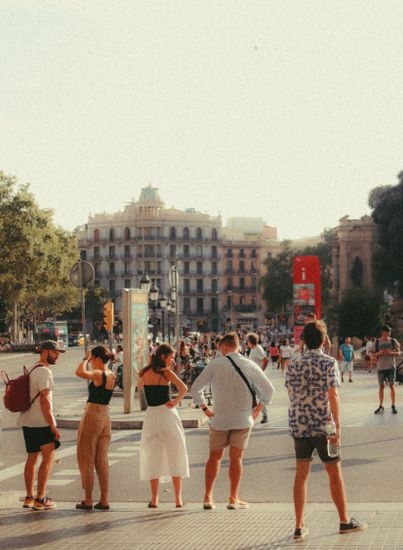
The move is simple: crossbody bag worn in front, no phone in your back pocket, don’t stop to watch street performers with your bag behind you. That’s it. It’s not complicated; it just requires being a little less tourist-brained for 30 seconds at a time.
The second is catcalling. It happens, mostly around La Barceloneta beach and late-night bar strips. It’s verbal, it’s annoying, and the best response is none at all — no eye contact, no reaction, keep walking.
Most women who’ve spent time in Barcelona describe it as something that happens once or twice and then fades into background noise. It’s worth knowing about so it doesn’t rattle you when it does.
Two things that actually help: download the Metro app before you land so you’re not staring at a map screen looking lost, and if you’re out late and unsure, take a licensed taxi or Uber rather than walking alone through unfamiliar streets.
Not because Barcelona is dangerous — it isn’t — but because you’ll enjoy your evening more if you’re not second-guessing every shortcut.
Best Neighborhoods to Stay In
Eixample is where you want to be if this is your first time and you want to feel safe, central, and never bored. It’s a wide-boulevarded grid of modernist apartment buildings, great restaurants, and easy metro access to everything.
It’s also the heart of Barcelona’s LGBTQ+ community, which means the vibe is notably inclusive and the nightlife — if you want it — has a friendliness to it. Best for: first-timers who want to walk out the door and immediately feel at home. Look for boutique hotels or well-reviewed apartment rentals on the main arteries like Passeig de Gràcia.
El Born sits between the Gothic Quarter and the beach, and it has a kind of effortless coolness that doesn’t feel performed. Medieval streets, independent boutiques, wine bars with standing room and excellent natural wine lists.
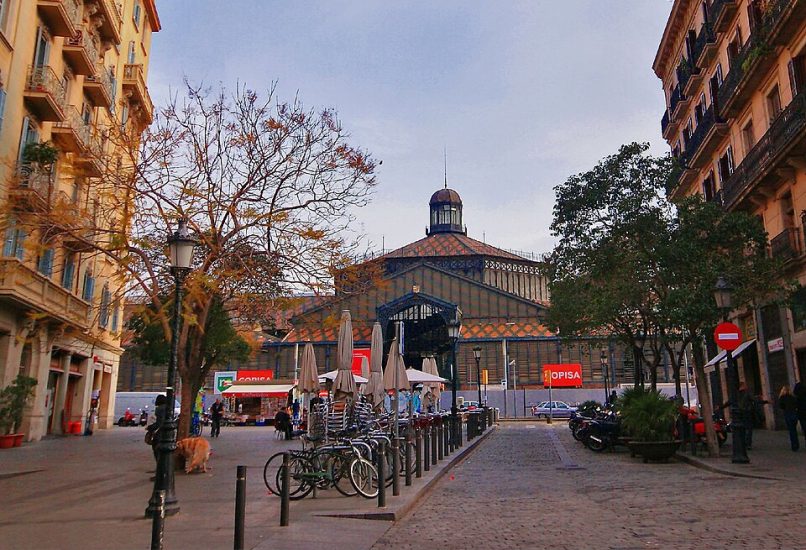
It’s very walkable — you can be at the Picasso Museum, the beach, or a morning coffee at a tiled café all within 15 minutes. Best for: solo travelers who want to feel like they live there, not like they’re visiting. Look for small guesthouses or apartment rentals near the Santa Caterina market.
Gràcia is the neighborhood Barcelona locals actually love. It’s up the hill from Eixample, quieter at night, full of neighborhood squares where people sit out until midnight just talking. Less touristy, slower pace, with a young local crowd and excellent small restaurants.
The metro gets you downtown in under 10 minutes. Best for: travelers who want to step off the tourist circuit and eat dinner next to families and regulars. Look for apartment rentals over hotels — this neighborhood rewards living in, not just sleeping in.
3-Day Barcelona Itinerary for Solo Travelers
Day 1 — Gaudí, the Gothic, and your first vermouth
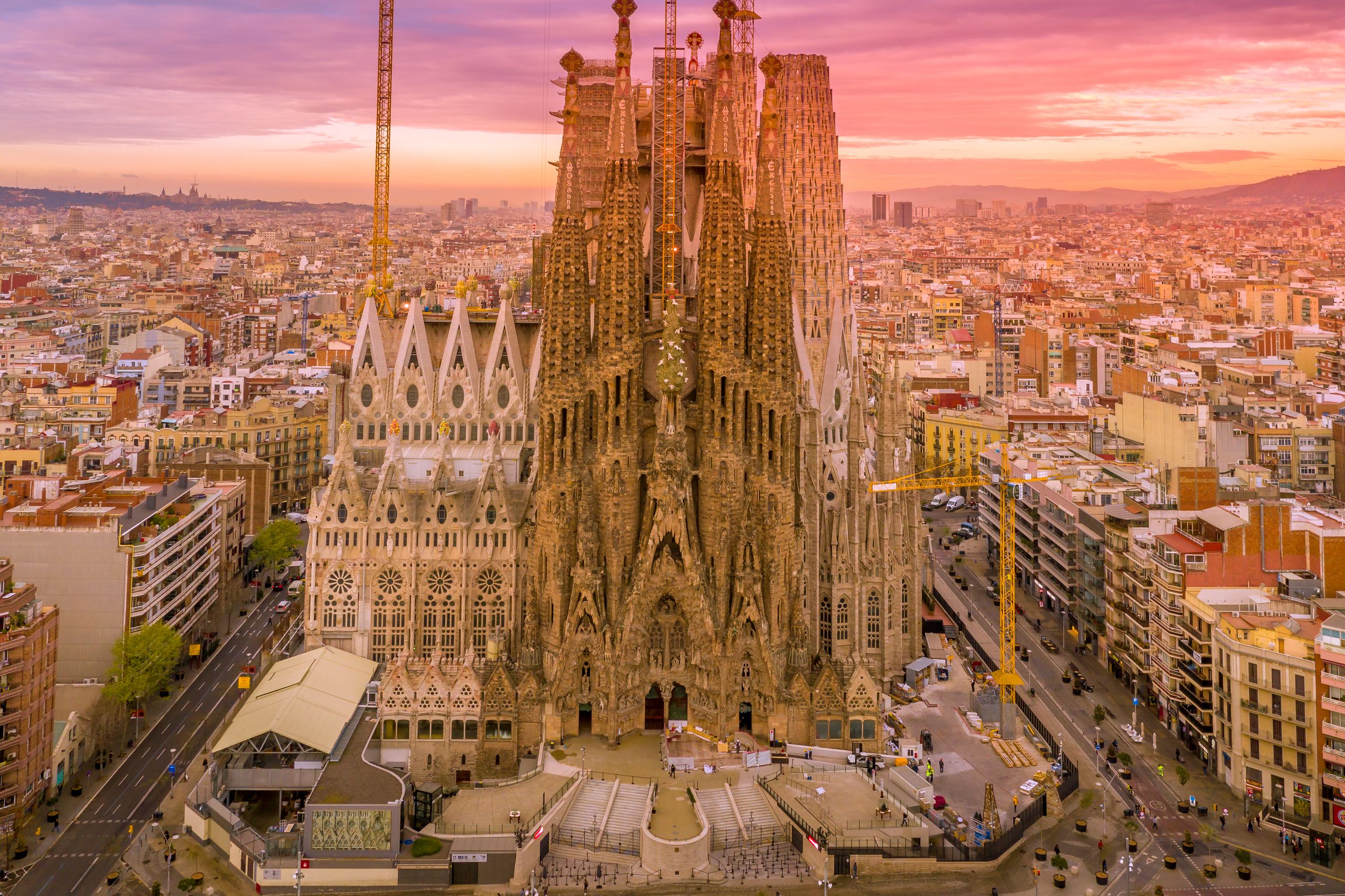
Morning: Book Sagrada Família in advance — do not skip this; walk-up tickets often sell out, and the queue is brutal. Go early (opening time is 9 am) before the tour groups arrive, and you’ll have a genuinely moving hour inside one of the strangest and most beautiful buildings in the world.
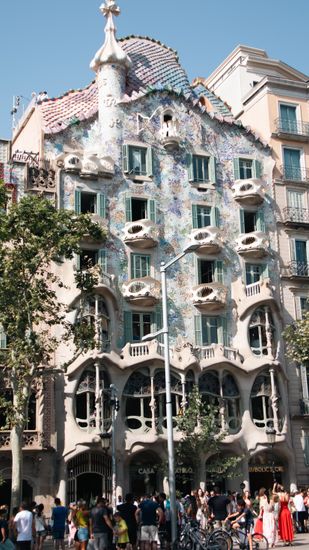
Afternoon: Walk south through Eixample down to the Gothic Quarter. Get deliberately lost in it — the narrow streets around the Cathedral are best explored without a plan. Stop at Mercat de Santa Caterina (less touristy than La Boqueria, better produce, better energy) and buy something to snack on.
Evening: Vermouth hour is a Barcelona ritual — find a bar in El Born with stools at the counter, order a vermut and some olives, and sit. You’re doing it right. Dinner after 9 pm; before that, most restaurants are either empty or tourist traps.
Day 2 — the sea, the park, and the best sunset in the city
Morning: Walk down to La Barceloneta beach before 10 am. It’s a different place before the crowds hit — quieter, locals jogging, coffee at a chiringuito. Swim if you want. Keep your bag at your feet and zipped, not slung on a chair behind you.
Afternoon: Take the metro up to Park Güell. The ticketed monumental zone (book ahead, again) is worth it — the mosaic terrace and the columns are genuinely extraordinary. The free areas of the park around it are also beautiful and far less crowded.
Evening: Bunkers del Carmel. This is non-negotiable. Take the metro to El Carmel, walk 20 minutes uphill to the old anti-aircraft bunkers at the top, and watch the sun go down over the whole city. Bring a drink from a nearby shop, find a spot on the concrete, and stay until the lights come on. It’s the best free thing you’ll do in Barcelona.
Day 3 — slow morning, Picasso, and a final neighborhood wander
Morning: Sleep in. Have a long breakfast — a proper one, with tomato bread (pa amb tomàquet) and a coffee that costs €1.50 and tastes like it costs €6. This is the day to move slowly.
Afternoon: Picasso Museum in El Born. Go early afternoon when the morning rush has cleared. The permanent collection is stronger than you expect, and the medieval palace building it’s housed in is itself worth the entrance fee.
Evening: Wander Gràcia. Find a square — Plaça del Sol or Plaça de la Vila de Gràcia — sit at a terrace, order whatever the table next to you is having, and do absolutely nothing for an hour. That’s the whole plan. It’s a good plan.
Getting Around Barcelona
The metro is excellent and cheap. Buy a T-Casual card (10 trips, works on metro, bus, and some trams) from any metro station — it’s far better value than single tickets. The app TMB Barcelona has live maps and departure times.
Most of the city’s main sights are walkable from each other if you’re staying in Eixample or El Born — you’ll naturally walk 15,000+ steps a day without trying.
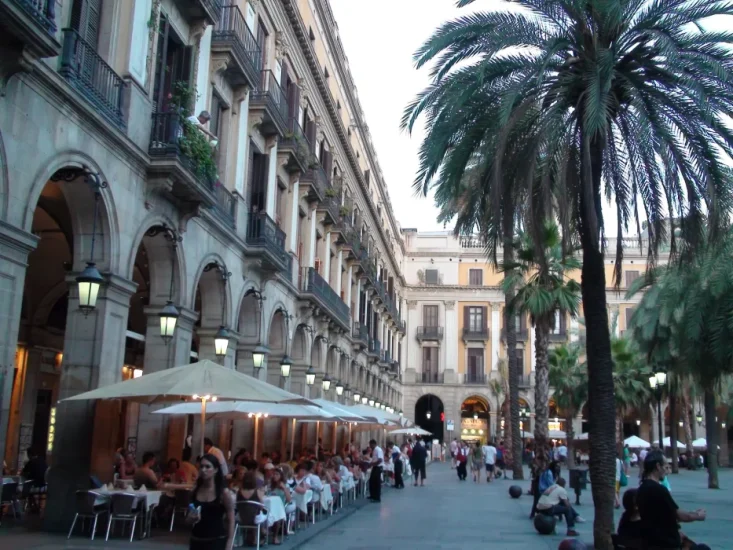
For taxis: use the official yellow-and-black licensed cabs or the Uber app. Don’t get into an unlicensed car that approaches you at the airport or Las Ramblas. At night, if you’re coming back from a bar area and it’s past midnight, a cab is €8–12 and absolutely worth it over a long metro journey alone.
One thing to avoid: the metro around Parallel and Drassanes stations late at night has a different energy. Not dangerous, but not comfortable either. If you’re heading back to El Born or Barceloneta after midnight, consider a short cab rather than the metro.
Budget & Costs
Budget traveler (under €80/day / ~USD $87):
- Accommodation: €25–40 (hostel private room or budget guesthouse)
- Meals: €15–20 (market breakfast, lunch menú del día at €12–14, supermarket or cheap bar dinner)
- Transport: €2–3 (T-Casual card averages out cheaply)
- Activities: €5–15 (mix of free sights + one paid entry)
Mid-range traveler (€80–150/day / ~USD $87–163):
- Accommodation: €70–100 (boutique hotel or well-located apartment)
- Meals: €35–50 (café breakfast, proper restaurant lunch or dinner, drinks)
- Transport: €5–8 (metro + one or two cabs)
- Activities: €20–30 (Sagrada Família + one other paid entry)
Tipping: Not mandatory or expected in the way it is in North America. Rounding up or leaving €1–2 on a sit-down meal is appreciated but optional. For coffee or a quick bite, nothing is expected.
Three genuinely free things: The Bunkers del Carmel sunset. The free areas of Park Güell. Walking the entire length of Passeig de Gràcia to look at the Modernista architecture from the outside — Casa Batlló and Casa Milà are worth the exterior alone without paying to go in.
Eating & Nightlife Solo
Eating alone in Barcelona is genuinely easy, partly because the bar-seat culture normalizes it completely. When you walk into a small restaurant, say “una persona” and gesture to the bar counter if there is one — you’ll often get seated immediately while couples wait for tables.
Sitting at the bar also means the staff talks to you, which makes the whole thing feel sociable rather than solitary.

Meal timing matters more here than almost anywhere else in Europe. Lunch is 2–4 pm, and dinner starts at 9 pm — turn up at 7 pm, and you’ll either be eating alone in an empty room or getting the tourist menu.
Go at the right time, and you’ll be eating next to locals, which is a completely different experience.
For nightlife: wine bars in El Born are genuinely solo-friendly — standing room, easy conversation with whoever’s next to you, low pressure. Rooftop bars in Eixample tend to attract a mixed international crowd and are a comfortable place to have a drink alone without it feeling odd.
What to approach with a plan rather than impulse: the big nightclubs around Port Olímpic run very late (people arrive at 2 am), can be very male-heavy, and are best done if you’ve already made a friend or two at your accommodation or on a day trip. Not off-limits, just go with awareness.
Packing Tips for Barcelona
Barcelona in April or May means layers are your best friend — mornings can be 14°C, afternoons hit 22°C, and you’ll be on your feet all day. Pack a lightweight crossbody bag that zips and sits at the front of your body; this single choice removes 90% of your pickpocket risk.
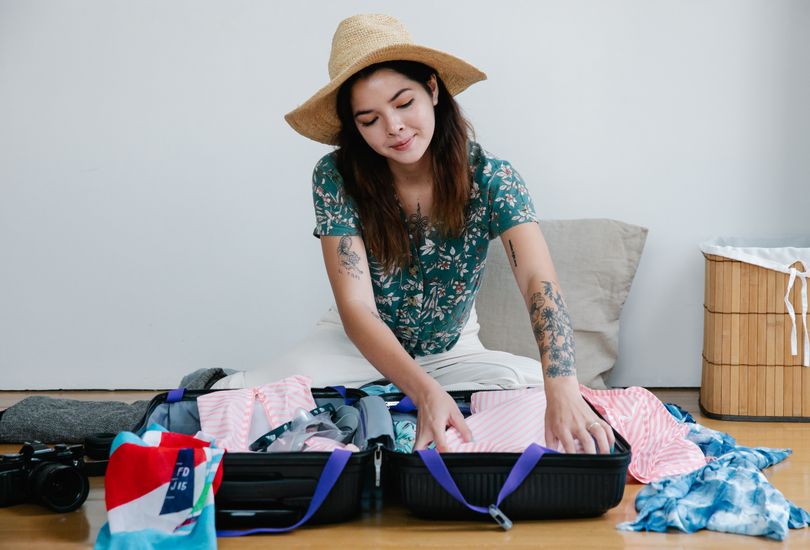
Bring one thin scarf that can cover your shoulders for cathedral entry (Sagrada Família and the Gothic Quarter’s Cathedral both require covered shoulders) and double as sun protection on the beach.
Your most important footwear decision is flat, broken-in walking shoes — the Gothic Quarter is entirely cobblestone, and your feet will hate you by Day 2 if you packed anything with a heel.
A small reusable water bottle saves money and plastic, given Barcelona’s tap water is perfectly drinkable. Finally, a lightweight rain layer that packs small — spring showers arrive fast and leave fast, and an umbrella in the Gothic Quarter is a liability in tight streets.
Last Thoughts
You will figure Barcelona out faster than you think. The city rewards the kind of slow, observant attention that solo travel naturally forces — you’ll notice more, eat better, and take more strange turns down streets that weren’t on the itinerary.
The first evening will probably feel slightly overwhelming, and then something will click, usually sometime around the second glass of vermouth, and it’ll feel like exactly where you’re supposed to be. Book the ticket.
FAQs: Tips for a solo female stay in Barcelona
Is Barcelona safe for a solo female traveler?
Generally very safe for solo trip travelers, Barcelona is popular with solo female travelers in Barcelona, but like any big city, you should be aware of your surroundings, avoid poorly lit streets at night, and use common-sense precautions.
Pick a central area to stay in Barcelona, such as Eixample, El Born, or Gràcia, for easier access to guided tours, walking tour starting points, and nightlife. Keep valuables secure and consider travel insurance for peace of mind.
What is the best area to stay in Barcelona for a solo traveler?
The best area to stay depends on your priorities: Eixample is great for first-time visitors wanting Gaudí’s landmarks like La Sagrada Família and Casa Batlló nearby; El Born offers boutique bodega bars, tapas bar options, and proximity to Parc de la Ciutadella and Palau de la Música Catalana; El Raval is lively and budget-friendly but can feel gritty at night.
For a quieter stay, consider Gràcia or the city center near Plaça Catalunya. Use the guide to Barcelona and pick an area to stay in Barcelona that fits your comfort level.
What should I pack and prepare for a solo trip to Barcelona?
Pack comfortable shoes for strolling and walking tour days, a lightweight daypack, a reusable water bottle, a portable charger, copies of important documents, and contact info for your embassy. Bring a small theft-proof purse or anti-theft bag for places like La Rambla and busy tapas bar areas.
Also arrange travel insurance before you travel to Barcelona and download offline maps for exploring the city and hidden gem neighborhoods.
Which sights are must-sees on a solo trip to Barcelona?
Top spots include La Sagrada Familia (Antoni Gaudí’s masterpiece and a UNESCO World Heritage Site), Park Güell, Casa Milà, the Gothic Quarter with Barcelona Cathedral, Palau de la Música Catalana, the Arc de Triomf and Parc de la Ciutadella.
For views of the city, head to Tibidabo (the highest point in Barcelona) or Montjuïc for panoramic vistas. Mix guided tour time at La Sagrada Família with independent strolls around El Born and La Boqueria market.
How can I meet other travelers or join activities while traveling alone?
Join a walking tour, tapas bar crawl, or a guided tour that focuses on Gaudí’s work or Catalan cuisine to meet fellow travelers heading to Barcelona. Hostels, classes (like a cooking class at a bodega or a flamenco evening), rooftop pool events at hotels, and group day trips to Catalunya are great for socializing.
Many solo trip to Barcelona visitors find guided tours helpful for making friends while exploring the city.
Are there safe ways to get around Barcelona at night?
Barcelona’s public transport is generally safe—use licensed taxis or reputable ride-share apps late at night and stay on main streets like La Rambla or near well-lit plazas. If you’re strolling after dinner near tapas bars or along the mar (seafront), walk with confidence and avoid isolated areas.
Keep emergency numbers and your accommodation address handy in Catalan or Spanish just in case.
Any tips for eating out if I’m traveling solo and want to experience tapas?
Solo female travelers often enjoy tapas bar culture: sit at the bar to chat with bartenders, order a few small dishes to sample local flavors, and try classic Catalan plates. La Boqueria and El Born have excellent food scenes.
If you prefer company, join a tapas walking tour or a group tasting at a local bodega. Don’t be afraid to ask for recommendations—servers are used to solo diners.
What should I know about safety and scams in busy tourist areas like La Rambla and Plaça Catalunya?
Petty theft, such as pickpocketing, is the main issue in crowded spots such as La Rambla, markets, and tourist buses. Stay vigilant, keep valuables zipped and close, and avoid distractions like strangers offering petitions or photo requests.
Use a money belt or an inside pocket, and carry travel insurance if you’re carrying expensive items. If someone tries to distract you, move to a safer area and ask for help from police or shop staff.
How many days in Barcelona are ideal for a solo traveler to explore key spots?
Three to five days in Barcelona covers the best things: a visit to La Sagrada Família and Park Güell, time for the Gothic Quarter, La Boqueria, a guided tour of Gaudí’s sites, a day trip to nearby Catalan towns or the beaches, and strolls around El Born, El Raval and the Arc de Triomf.
If you want to explore museums like the Barcelona History Museum or enjoy rooftop pool relaxation, add extra days.