
Must-Try Street Food in Bangkok: The Ultimate Street Food Guide


If you don’t eat street food in Bangkok, then why even go? Thailand built its food reputation on sizzling woks, smoky grills, and plastic stools set up on every corner. Bangkok street food isn’t a side activity for your trip. It’s the main event. This guide walks you through Must-Try Street Food in Bangkok, the prices, the safety questions, and the best areas in Bangkok to find them, so you land in Thailand ready to eat like a local from day one.
Key Takeaways
- Street food is Bangkok’s main event; huge variety and high turnover mean fresher food.
- Eat smart: pick stalls with lines and hot woks; watch for fresh ingredients; carry sanitizer; be cautious with ice.
- Pad Thai from a hot, well-seasoned wok is a must-try.
- Budget-friendly: noodles 40–60 baht; skewers 10–15 baht; curries under 60 baht.
- Dishes to seek: Pad Thai, Tom Yum, Curries, Drunken Noodles, Moo Ping, Som Tam, Mango Sticky Rice.
- Best areas to hunt: Yaowarat (Chinatown), Chatuchak Weekend Market, Victory Monument.
- Plan ahead: map 2–3 street-food zones before you land and let your taste buds guide you.
To learn more about Food tours, see our full guide about The Top Food Destinations in the World 2026: Culinary Adventures Guide
Why Bangkok Is a World Capital for Street Food
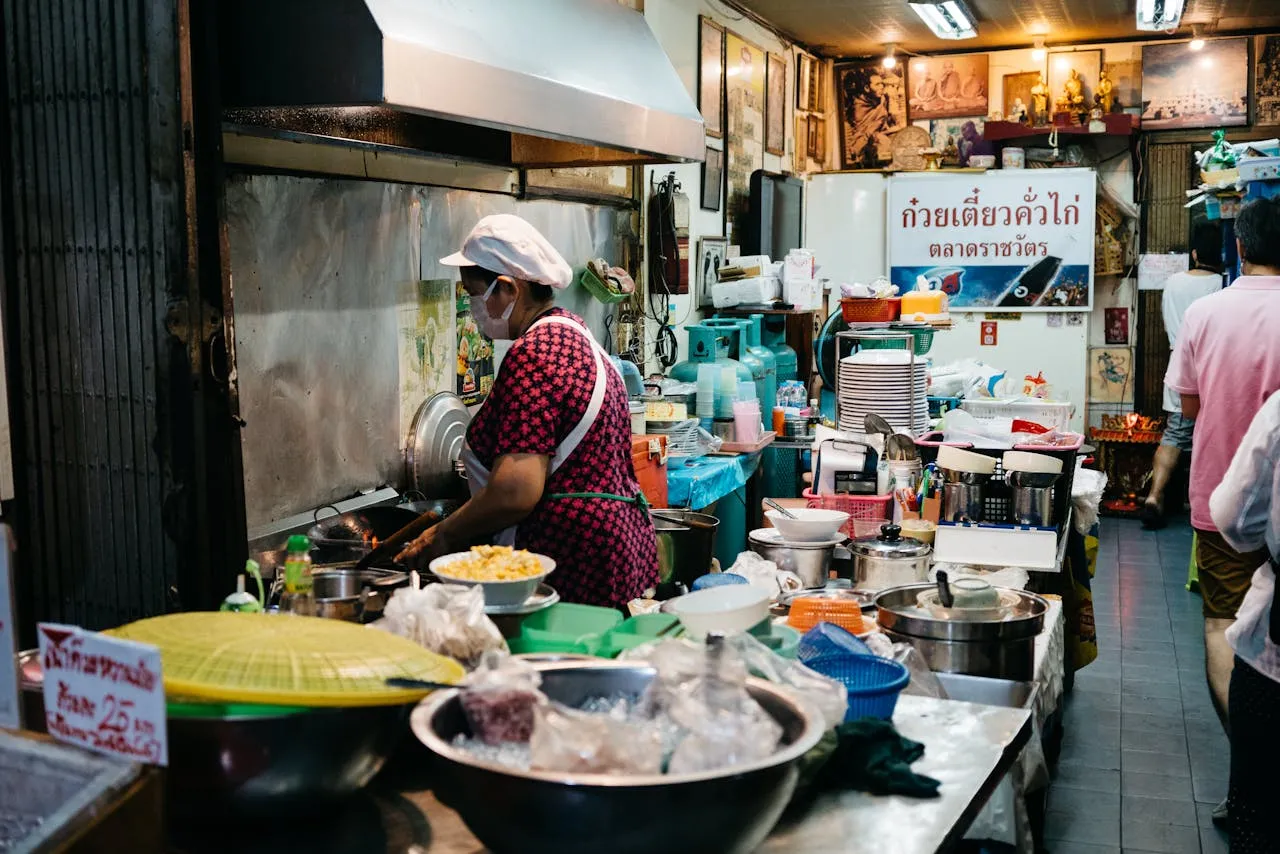
Bangkok earned its reputation the hard way: decades of street vendors perfecting one dish at a time. Walk down almost any soi and you’ll find a street food stall doing nothing but grilled pork skewers, or a single cart that’s sold the same noodle soup for thirty years.

That kind of focus is rare anywhere else in the world for street food. Bangkok’s street food scene runs from sunrise food carts selling rice porridge to night markets packed with food vendors well past midnight.
Thai cuisine rewards repetition. A vendor who has cooked one curry every day for two decades knows exactly how much fish sauce, sugar, and chili it needs. That’s the secret behind why simple Thai food often beats fancy Thai restaurant versions of the same dish.
Should You Eat Street Food in Thailand?
Yes, and most travelers worry far more than they need to. Thai street food stalls turn over ingredients fast because they cook in small batches all day long. A stall selling 200 bowls of noodle soup isn’t storing meat in the back for a week.
High turnover usually means fresher food than you’d get at a quiet restaurant.
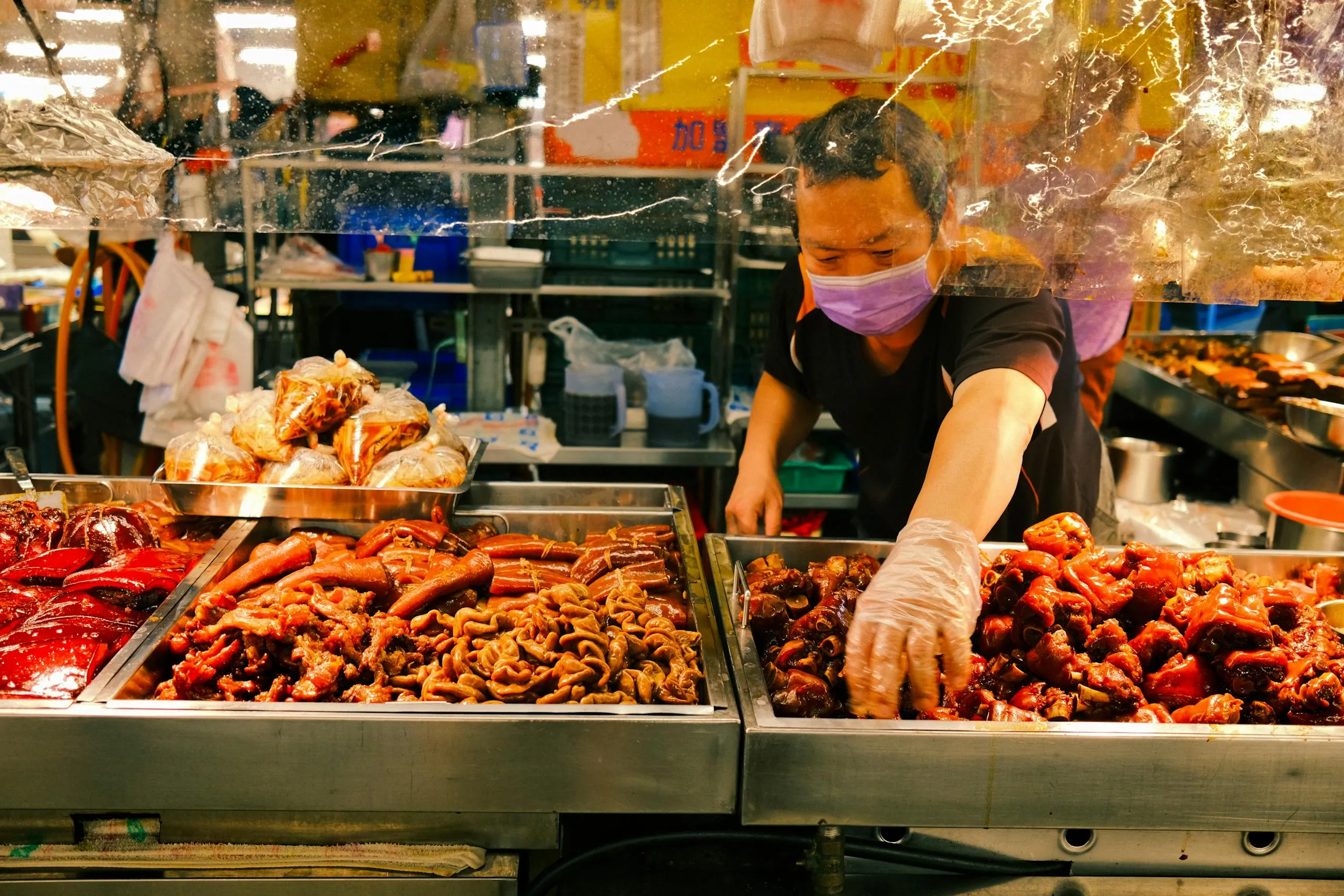
That said, use common sense. Pick a street food stall with a line of local customers. Watch for hot woks and fresh ingredients rather than food sitting out at room temperature. Bring hand sanitizer, drink bottled water, and ease into spicy dishes if your stomach isn’t used to chili.
Most visitors who get sick in Thailand point to ice in sketchy bars or undercooked seafood, not street food carts.
What Is a Must-Try Street Food Dish in Bangkok?
If you only try one thing, make it pad Thai from a cart with a hot, well-seasoned wok. A good plate of pad Thai balances sour tamarind, salty fish sauce, and a touch of sweetness, finished with crushed peanuts and a wedge of lime.

It’s the dish most associated with Thai food worldwide, and a busy street food stall version is almost always better than what you’ll find at a tourist restaurant.
How Much Does Thai Street Food Cost?
This is one of the best reasons to eat in Bangkok. A bowl of noodles typically runs 40 to 60 baht, around $1 to $2. Grilled meat skewers cost about 10 to 15 baht each. A full plate of curry over rice rarely tops 60 baht. Even a generous food tour hitting six or seven stalls can cost less than a single sit-down meal back home.
That affordability is exactly why street food in Bangkok draws so many food lovers from around the world.
The Best Street Food Dishes to Try in Bangkok
Thailand’s street food scene is enormous, but a handful of dishes show up again and again on every serious food guide. Here are the dishes worth planning your meals around.

Pad Thai
Stir-fried rice noodles, egg, tofu or shrimp, bean sprouts, and that sweet-sour-salty sauce define this Thai dish. Order it from a stall with a blackened wok and you’ll taste the difference smoky high heat makes.
Tom Yum Soup
Tom yum is sour, spicy, and fragrant with lemongrass, galangal, and kaffir lime leaf. Tom yum goong, made with shrimp, is the classic version, though many vendors also offer a creamy coconut variation. One sip explains why this soup represents Thai cuisine on menus across the globe.
Thai Curries
Massaman curry, mild and slightly sweet with potatoes and peanuts, sits at one end of the spectrum. Green curry, sharp with fresh chilies and Thai basil, sits at the other. Street vendors often keep three or four curry pots simmering at once, letting you sample a few thai curries in a single visit.
Have you tried Thai Massaman curry and Thai chicken coconut soup side by side? The contrast alone is worth the trip.
Drunken Noodles (Pad Kee Mao)
Wide rice noodles fried hard and fast with chili, garlic, holy basil, and your choice of protein. Drunken noodles get their name from the bold chili kick, not actual alcohol, and they’re a favorite late-night order at street food stalls across the city.
Chicken Sukiyaki Noodles (Suki)
Craving something comforting after a day of sightseeing? Suki noodles simmer glass noodles, vegetables, and chicken or seafood in a light, savory broth with a punchy dipping sauce on the side. It’s gentler on the palate than most Thai dishes, making it a smart option if you need a break from chili.
Grilled Pork and Skewers
Moo ping, marinated and grilled pork skewers, are sold from carts on nearly every street corner. Pair a few skewers with sticky rice for one of the cheapest, most satisfying snacks in the city.
Som Tam (Green Papaya Salad)
This Isan street food classic pounds shredded green papaya with garlic, chili, lime, fish sauce, and palm sugar in a clay mortar. It’s sour, spicy, and addictive, and it pairs naturally with grilled chicken and sticky rice. Som tam is one of the clearest examples of how Isan cooking shaped Thailand’s modern street food identity.
Sticky Rice
Sticky rice, also called glutinous rice, shows up at nearly every meal in northern and northeastern Thailand. Steamed in bamboo baskets, it’s dense, slightly sweet, and perfect for scooping up curry or grilled meat with your hands. No street food tour through Bangkok is complete without ordering sticky rice at least once a day.
Mango Sticky Rice
For dessert, mango sticky rice pairs warm, coconut-soaked sticky rice with ripe mango slices. It’s simple, only four or five ingredients, but the combination of warm rice and cold fruit is hard to forget. This is the Thai dessert most visitors ask about by name before they even land.
Thai Desserts and Unusual Street Food Drinks
Bangkok can get brutally hot, so what better way to cool down than with this colorful Thai dessert known as namkhaeng sai? It’s shaved ice topped with syrup, jellies, and sometimes sweetened condensed milk, sold from small carts wherever crowds gather.

Can you believe that something like this is served as street food in Bangkok, right next to savory noodle stalls? That mix of sweet and savory carts side by side is part of what makes Bangkok’s street food so much fun to explore.
As for drinks, Thai iced tea, sweetened with condensed milk, is the classic choice. Adventurous eaters can also try grass jelly drinks or fresh sugarcane juice pressed right at the cart.
What Thai Food Is Good for Diabetics?
If you’re managing blood sugar, lean toward grilled proteins and vegetable-heavy dishes rather than sugary sauces or sticky rice. Som tam without added sugar, grilled fish, clear tom yum soup, and stir-fried vegetable dishes are easier on blood sugar than sweet curries or dessert carts.
Ask vendors to go light on sugar in sauces; most are happy to adjust on request, especially at quieter food stall locations away from peak crowds.
Where to Find the Best Street Food in Bangkok
Bangkok street food isn’t confined to one neighborhood. It’s genuinely everywhere in Bangkok, but a few areas in Bangkok stand out for both quality and variety.
Chinatown (Yaowarat)
Yaowarat lights up at night with food carts, seafood grills, and noodle stalls packed shoulder to shoulder. This is widely considered one of the best bangkok street food stretches in the entire city, especially after dark.
Chatuchak Weekend Market
Beyond shopping stalls, Chatuchak hides a serious food court and dozens of small vendors selling everything from grilled squid to coconut ice cream.

Victory Monument
Known for its boat noodle stalls, this area serves small, intensely flavored bowls of noodle soup meant to be ordered three or four bowls at a time.
Floating Markets
A floating market like Damnoen Saduak offers a different style of food shopping entirely, with vendors paddling boats loaded with fruit, noodles, and grilled snacks directly to customers.
Tips for Eating Street Food Without Speaking Thai
You don’t need to speak Thai to eat well. Pointing at what looks good works almost everywhere, and most street vendor menus near tourist areas include pictures or English translations.
Learn a few basic words, like “mai pet” for not spicy, and you’ll avoid most miscommunication. Watching what other customers order is also a reliable shortcut at a busy street food stall.
Should You Splurge on a Thai Restaurant Too?
It’s worth it occasionally, but not for the reasons you’d expect. A sit-down Thai restaurant won’t necessarily out-cook a great street vendor. However, it offers air conditioning, table service, and dishes that take longer to prepare, like slow-braised curries or whole grilled fish, which aren’t practical for a fast-moving cart.
Mix both into your trip: street food for volume and variety, restaurants for a slower, more elaborate meal once or twice during your stay.
Final Thoughts on Thai Street Food
Thai street food turns every meal into a small adventure. Between noodle carts, curry pots, grilled skewers, and dessert stalls, Bangkok offers more variety per square block than almost any food destination on earth.
Start with the classics, like pad Thai and tom yum, then branch out into Isan dishes, regional curries, and unusual desserts as your stay continues. Bring an appetite, a little curiosity, and you’ll understand quickly why so many travelers consider Bangkok the best place in the world to eat on the street.
Ready to start planning your route? Map out two or three street food areas before you land, and let your taste buds guide the rest of the trip.