
Best Food Experiences in Japan: A Foodie’s Guide

You landed here because you’re planning a trip to Japan, and you want to eat well. Good instinct. Japan isn’t just a destination for temples and neon-lit streets — it’s one of the richest food cultures on the planet, and the best food experiences in Japan can shape your entire itinerary.
From steaming ramen shops in Tokyo to quiet kaiseki dinners in Kyoto, this guide breaks down exactly what to eat, where to eat it, and how to choose the right food experience for your style of travel.
Last Update: 2026-06-30
Why Japan Belongs on Every Foodie’s Itinerary
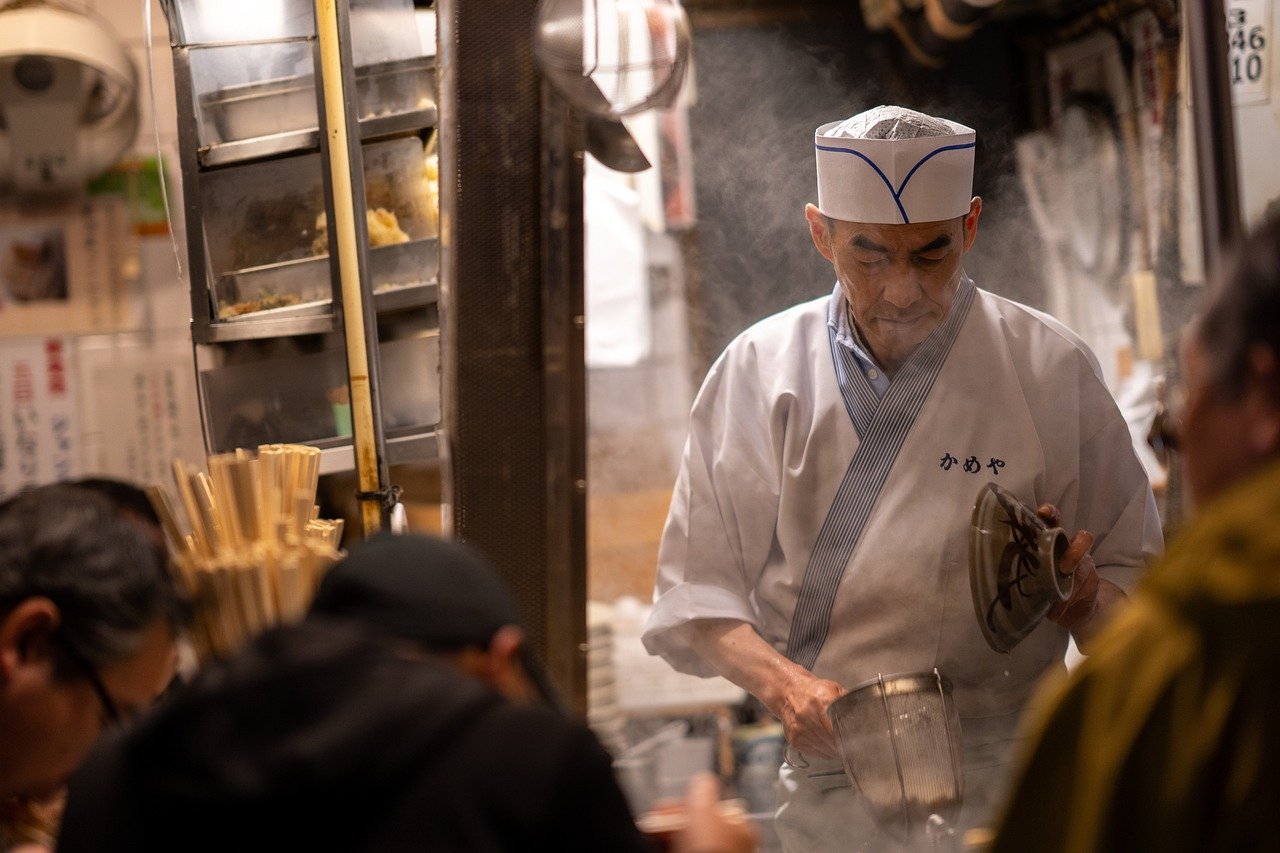
Japan rewards curiosity. Walk down any side street in Tokyo or Osaka and you’ll find a tiny eatery with six seats and a chef who has spent thirty years perfecting one dish.

That kind of dedication is everywhere, and it’s part of what makes Japanese food culture so different from dining elsewhere. Did you know there are over 400 Michelin-starred restaurants in Japan? That’s more than any other country, and it tells you something important: excellence here isn’t reserved for fine dining.
You’ll find it in a bowl of noodles at a counter shop just as often as in a multi-course tasting menu.
If you love Japanese food already, this trip will deepen that love. If you’re new to it, you’re in for a real education. Either way, plan to eat slowly, try things you can’t pronounce, and let the food scene guide a few of your days.
To learn more about Food tours, see our full guide about The Top Food Destinations in the World 2026: Culinary Adventures Guide
Tokyo: Ramen, Sushi, and the Energy of a Food Capital
Tokyo is the obvious starting point, and for good reason. The city has more restaurants per capita than almost anywhere on earth, and the variety is staggering. Shinjuku alone has enough ramen shops, izakayas, and sushi counters to fill a week. Harajuku, meanwhile, leans playful — think crepes, rainbow cotton candy, and quirky cafes that photograph as well as they taste.
Tsukiji Fish Market in Tokyo
No conversation about food in Tokyo is complete without the Tsukiji fish market. While the famous wholesale auctions moved to Toyosu years ago, the outer Tsukiji fish market still buzzes with stalls selling fresh seafood, grilled skewers, and the freshest sashimi you’ll find anywhere.

It’s sushi in the fish market in Japan — would it even be possible to go wrong? Arrive early, bring cash, and graze your way down the lane. This is street food at its most refined.
Sushi in Japan: From Conveyor Belts to Sushi-Making Classes
Sushi deserves its own section, because the range here is enormous. You can grab a quick, affordable plate at a conveyor-belt spot, or you can book an omakase counter where the chef hand-selects every piece. Both are legitimate, memorable ways to experience Japanese cuisine.
For a more hands-on dining experience, consider a sushi-making class in Tokyo or Kyoto. Making your own sushi sounds simple, but shaping rice correctly and slicing fish with precision takes real skill.
A good class in Tokyo will teach you knife technique, rice seasoning, and the etiquette around eating sushi the traditional Japanese way. It’s a unique experience that turns a meal into a memory, and it’s a favorite among travelers who want something more interactive than just sitting down to eat.
Ramen: Broth, Noodles, and the Perfect Bowl
If sushi is Japan’s most famous export, ramen might be its most beloved comfort food. Every region has its own style, and the differences come down to broth. You’ll find tonkotsu (pork bone), shoyu (soy-based), miso, and shio (salt-based) broths, each with its own depth and character.

Now comes the biggest decision of all: which broth are you going to choose, and what noodle thickness pairs best with it? Thin, straight noodles work well with light broths, while thick, curly noodles hold up against rich, fatty tonkotsu.
Don’t overthink it on your first bowl — just walk into a ramen shop, point at the menu, and slurp. Slurping is encouraged here; it cools the noodles and signals enjoyment.
Kyoto: Kaiseki Meals and Tea Ceremonies
Kyoto moves at a slower pace than Tokyo, and its food reflects that. This is the home of kaiseki, a traditional multi-course Japanese dinner built around the seasons. A kaiseki meal might include a dozen small courses, each one a tiny work of art — pickled vegetables, grilled fish, clear broth, and rice served in precise sequence.
It’s one of the most elegant food experiences in Japan, and it pairs beautifully with a quiet evening in a traditional Japanese inn.
Tea Ceremonies in Kyoto
Kyoto is also the best place to take part in one of Japan’s tea ceremonies. Matcha, Japan’s national drink in this context, is prepared with ritual precision — whisked, poured, and served with small wagashi sweets. Tea ceremonies move slowly on purpose.

Sit, watch, and let the pace reset your nervous system after a fast-moving day of sightseeing. A proper green tea ceremony is less about the drink and more about mindfulness, and it’s worth booking even if you think you don’t care about tea.
Osaka: Street Food Capital of Japan
Osaka has a reputation, and it earns it daily. Locals call the city “Japan’s kitchen,” and the street food vendors lining Dotonbori prove why. Two dishes define osaka food more than any others.
- Takoyaki — battered octopus balls, crisped on the outside and molten in the middle, topped with sauce, mayo, and bonito flakes.
- Okonomiyaki — a savory pancake loaded with cabbage, pork or seafood, and a tangle of toppings, often cooked right at your table.
Walk Dotonbori at night, follow the smell of grilling batter, and let the street food guide your appetite. This is where Osaka’s diverse food culture really comes alive.
Izakaya Culture: Japan’s Answer to the Gastropub
An izakaya is part bar, part restaurant, and entirely essential to understanding how Japanese people actually eat on a normal night. Small plates arrive in waves — grilled skewers, edamame, tempura, pickled vegetables — paired with beer, sake, or highballs. It’s casual, loud, and social, the opposite of a formal dining experience.

Tempura, lightly battered and fried vegetables or shrimp, shows up often on izakaya menus, and it’s worth ordering fresh rather than as part of a pre-made set. Udon, a thick wheat noodle, also appears frequently, usually in a simple, warming broth.
If you only have one night to sample a wide range of classic Japanese dishes, an izakaya crawl is the move.
Japanese Convenience Stores: An Underrated Food Scene
This might surprise you, but a convenience store in Japan deserves a spot on your food list. Japanese convenience stores — 7-Eleven, Lawson, and Family Mart — operate on a different level than what you’re used to.
Bento boxes are restocked multiple times a day, onigiri (rice balls wrapped in seaweed) are made fresh, and the egg sandwiches have a near-cult following among travelers.
For a quick, affordable lunch between sightseeing stops, grab a few bento boxes and a green tea, then find a park bench. It’s not glamorous, but it’s one of the most efficient ways to taste a wide range of Japanese cuisine on a budget, and locals rely on it just as much as visitors do.
Matcha, Mochi, and Sweet Treats Around Japan
Japan’s dessert scene rewards exploration. Matcha shows up in everything — ice cream, lattes, cakes, and traditional wagashi sweets. Mochi, the chewy rice cake often filled with sweet red bean paste, makes an easy, portable snack you’ll find in nearly every train station.

Specialty shops around Japan also sell seasonal candy and small treats tied to regional ingredients, so keep an eye out as you travel between cities.
Wagyu and Kaiseki Splurges
If your budget allows for one big splurge, make it wagyu. This marbled, buttery beef is graded for fat distribution, and the best cuts melt almost instantly. You can find it grilled at a teppanyaki counter, seared as part of a kaiseki course, or even served raw as a delicate appetizer.
Pair a wagyu dinner with a glass of sake, and you’ve got one of the most luxurious food experiences in Japan, full stop.
Food Tours vs. Cooking Classes: What’s the Difference?
Travelers often ask what separates a food tour from a cooking class in Japan, and the answer is simple. A food tour is guided eating — you walk through a neighborhood with a local guide who takes you to several spots, explaining the history and culture behind each dish.
A cooking class is hands-on; you’re in the kitchen, learning technique, and you leave with a recipe you can recreate at home.
Both are worth doing if you have time. A food tour works well early in your trip to orient yourself, while a cooking class is a great way to slow down mid-trip and engage more deeply with Japanese food culture.
People Also Ask
What Is the 1/3 Rule in Japan?
The 1/3 rule is a rough budgeting guideline some travelers use when planning a trip to Japan: roughly a third of your budget goes to flights and transportation, a third to lodging, and a third to food and activities. It’s not an official rule, just a practical way to keep your spending balanced across categories.
Is $5,000 Enough for a Week in Japan?
Yes, comfortably. $5,000 for one week gives you room for nicer hotels, multiple sushi-making classes or cooking experiences, a kaiseki dinner, and plenty of street food without watching every yen. You could even add a ryokan experience — a traditional Japanese inn stay with a multi-course breakfast and dinner included — and still have breathing room.
Is $1,000 Enough for One Week in Japan?
It’s tight, but doable if you’re careful. Stick to convenience store meals, ramen shops, and casual eateries instead of fine dining, use budget accommodation, and rely on public transit. You’ll still eat well — Japan is one of the few countries where cheap food is rarely bad food — but skip the wagyu splurge and the high-end kaiseki tasting menus.
What Are the Most Unique Experiences in Japan?
Beyond the well-known sushi and ramen experiences, look into a sushi-making class in Tokyo, a formal tea ceremony in Kyoto, a kaiseki dinner at a traditional Japanese inn, and a late-night izakaya crawl in Osaka or Shinjuku.
Each one shows a different side of Japanese food culture, and together they give you a far more complete picture than sticking to one city or one type of meal.
Are Japan Food Experiences Suitable for Dietary Restrictions?
Japan has improved significantly here, especially in larger cities. Vegetarian, vegan, and gluten-free options exist, particularly at restaurants used to international travelers, though smaller traditional spots can be trickier since dashi (a fish-based broth) flavors many dishes by default.
Booking experiences in advance gives you the chance to flag dietary needs ahead of time, which makes a big difference, especially for kaiseki meals and food tours with set menus.
How to Choose the Right Food Experience for You
With so many options, narrowing things down comes back to a few simple questions. Do you want guided or independent eating? Do you prefer hands-on classes or sit-down meals? Are you traveling with people who have dietary restrictions? Answer those, and the right mix of food tours, cooking classes, and restaurant reservations becomes obvious.
Booking ahead through a platform like byFood is worth it for popular sushi-making classes and kaiseki dinners, since the best spots fill up weeks in advance, especially during peak travel seasons.
Final Thoughts: Eat Your Way Across Japan
What happens when a foodie goes to Japan? They run out of days before they run out of things to eat. Between Tokyo’s ramen shops, Kyoto’s kaiseki meals, and Osaka’s street food, you could build an entire trip to Japan around nothing but food and still leave wanting more.
Start with a plan, but stay flexible — some of the best meals happen when you wander off course and follow your nose.
Ready to start planning? Build a loose itinerary around two or three must-try experiences per city, book your sushi-making class or kaiseki dinner early, and leave the rest open for spontaneous street food finds. Your stomach — and your trip to Japan — will thank you.