Skip to content

The Best Places to Visit in South America in 2026


Dreaming about South America? This guide rounds up the best places to visit in South America, from glacier-wrapped Patagonia to the Galapagos and the Amazon rainforest. We’ll share amazing places, the best time to visit, and a friendly list of the best routes so you can plan smoothly. Whether you crave a beach in Brazil, a volcano trek in Chile, or Machu Picchu via Cusco, you’ll find the best places to go across South American countries.
Key Takeaways
- The best places to visit in South America include Machu Picchu via Cusco, Torres del Paine in Patagonia, the Atacama Desert, Iguazu Falls, Salar de Uyuni, and the Amazon rainforest.
- Top cities and entry points: Rio de Janeiro, São Paulo, Buenos Aires, Santiago, and La Paz.
- Best times to visit: Patagonia shines from November to March; Atacama and Uyuni are great most of the year; the Amazon rainforest offers distinct wet and dry season experiences.
- For wildlife and diving, the Galapagos offers the best scuba diving seasons and close-up encounters.
- Plan your route by clustering regions: Andes and altiplano, desert and salt flats, rainforest, and coastal cities.
- Major countries to include: Brazil, Argentina, Chile, Bolivia, Colombia, and Ecuador form a flexible web of amazing places.
- Travel tip: Use major hubs to move around South America efficiently, then dive into national park adventures.
- Match budget, weather, and travel pace to craft a trip you’ll rave about for years.
What are the best places to visit in South America for first-time travelers?
List of the best places to visit in South America by country
Peru: Machu Picchu, Cusco, and the Sacred Valley are the classic entry points to Machu Picchu.
Bolivia: Salar de Uyuni and La Paz with Lake Titicaca side trips.
Chile: Atacama around San Pedro de Atacama and Patagonia’s Torres del Paine national park.
Argentina: Buenos Aires, Iguazu, and glacier country.
Brazil: Rio de Janeiro, São Paulo, and Brazilian beach escapes.
Colombia: Cartagena, coffee region, and jungle treks.
Ecuador: Galapagos and Quito as a neat Andes–Amazon combo.
These South American countries deliver a list of the best landscapes: volcano belts, glacier fields, rainforest canopies, and salt flats.
Cities like Rio de Janeiro and Santiago add food and culture to your route. This spread gives first-timers a balanced taste of places on earth that feel epic yet friendly.
Reasons to visit these South American destinations and amazing places
The big reason to visit is variety: one week you’re hiking a glacier, the next you’re snorkeling in the Galapagos or stargazing in the driest desert in the world.
Cultural depth runs from tango in Buenos Aires to markets in Cusco and murals in São Paulo.
Wildlife is wild: whale routes, flamingo lagoons, and jungle monkeys. And logistics are better than you think, thanks to hubs across central and South America.
Prices and value are strong, and many national park areas are well-marked for independent travelers.
Food is a bonus reason to visit: Peruvian fusion, Brazilian churrasco, Argentine parrilla, and Colombian coffee.
Whether you’re chasing bucket-list places to visit or hunting the best places to go off-path, South America delivers. It’s easy to make any country your favorite country in South America once you match it to your style.
Favorite country in South America for different travel styles
Adventure: Chile for Torres del Paine, Atacama volcano views, and glacier treks. Culture: Argentina’s Buenos Aires and Colombia’s colonial cities.
Wildlife: Ecuador’s Galapagos and Brazil’s rainforest.
Scenic road trips: Bolivia’s Uyuni to San Pedro route and Argentina’s lake districts.
Beach vibes: Brazil’s coast near Rio de Janeiro with waterfall day trips inland.
High-altitude heritage: Peru’s Cusco and the Andes.
Urban food lovers: São Paulo and Santiago. Pick based on season and your pace, then mix two neighboring countries to round out your South American experience.
How to plan your South America itinerary and get around South America?
Planning your South America route across South American countries
Start with entry cities in South America like Santiago, Buenos Aires, Rio de Janeiro, or Bogotá, then connect clusters: Andes (Cusco, La Paz), desert (San Pedro), salt flats (Uyuni), and Patagonia.

Planning your South America trip works best in loops to reduce flights. For example, fly into Santiago, overland to San Pedro de Atacama, cross to Uyuni, then up to La Paz and Cusco to get to Machu Picchu. Use regional airlines and night buses to move around South efficiently.
Keep altitude steps gentle: coast or lowlands first, then climb to the Andes. Anchor a few national park bases and add day trips to volcano, glacier, or waterfall viewpoints.
If time is short, pick a north loop (Machu Picchu–Uyuni–Atacama) or a south loop (Patagonia–Buenos Aires–Iguazu). Always check the border rules between countries in South America when stitching the route.
Best time to visit by region and landscape
Patagonia is best in the southern summer, roughly November to March, with longer days for trekking. Atacama and Uyuni are year-round; the Uyuni wet season brings mirror salt flats, while dry months offer easier driving.
The Amazon rainforest swings between high-water wildlife cruises and low-water hiking—both good, just different. Cities like Rio de Janeiro and Buenos Aires are lively most of the year, though summer brings beach heat.
The Andes around Cusco have a clearer dry season from May to September, great to get to Machu Picchu. Whale watching can peak seasonally along the Chilean and Brazilian coasts.
For the Galapagos, the best scuba diving varies by month and currents, but wildlife is always present. Match your time to visit with your priority: trekking, wildlife, or festivals.
Cities in South America as gateways and entry points to Machu Picchu
Lima and Cusco are the classic entry points to Machu Picchu, with flights feeding from Santiago, Buenos Aires, La Paz, and São Paulo. Santiago works as a hub to reach San Pedro and Patagonia, while Buenos Aires connects easily to Iguazu and southern Argentina.
Rio de Janeiro and São Paulo open Brazil’s coast and Amazon gateways like Manaus. La Paz links neatly with Uyuni and Lake Titicaca crossings.
These cities in South America offer reliable transport, tours, and gear rental, making it simple to pivot if the weather shifts. You can land, spend a day acclimatizing, then jump to national park bases or Andean towns.
Think of them as springboards to amazing places rather than mere stopovers. With smart timing, gateways save days and stretch your trip further.
Why are Machu Picchu and Cusco a must-visit in Latin America?
How to get to Machu Picchu from Cusco: entry point to Machu Picchu
From Cusco, ride the train through the Sacred Valley to Aguas Calientes, then shuttle up to Machu Picchu, or hike the Inca Trail if permits align. Alternative treks like Salkantay offer Andes glacier and jungle contrasts before the citadel.

Book early in peak time to visit, and consider a sunrise or late-afternoon slot for softer light. Cusco itself charms with plazas, markets, and easy day trips.
Acclimatize for a couple of days to enjoy those high terraces without strain. You can pair Machu Picchu with Rainbow Mountain or Pisac ruins for a fuller picture.
Guides add context on stonework and astronomy that makes the site feel like another planet in craft. It’s a highlight across all places to visit in South America.
Best time to visit the Andes and when to go in South America
May to September brings crisp skies in the Andes, ideal for views and trekking. Shoulder months offer fewer crowds, but nights can be cold. Wet season greens the valleys, and fewer visitors mean easier photos, though trails get muddy.
Pick your window based on whether clear vistas or lush landscapes excite you more.
Festival calendars in Cusco can shape your plan and hotel availability. If combining with Uyuni and Atacama, consider transitions in altitude and climate.
The Andes reward slow travel, with time to sip coca tea and wander cobbled lanes. Either way, this region remains a top reason to visit Latin America.
Top places to visit around the Sacred Valley and cities in South America
Ollantaytambo, Pisac, and Moray form a tight loop of terraces, markets, and circular ruins. Chinchero weavers, salt pans at Maras, and Urubamba eateries round out the day.
Base in Cusco or a valley town to cut commute times and soak in Andean sunsets. Each stop layers culture onto your Machu Picchu day.
Link the valley with Lake Titicaca via Puno for a broader Andes circuit. From Cusco, flights connect to La Paz or Santiago to keep momentum.
These add-ons keep your list of the best experiences dense yet doable. It’s a perfect bridge between heritage sites and wild landscapes.
What makes Rio de Janeiro and São Paulo the top cities like Rio de Janeiro to visit in Brazil?
Brazilian beach and waterfall day trips from Rio de Janeiro

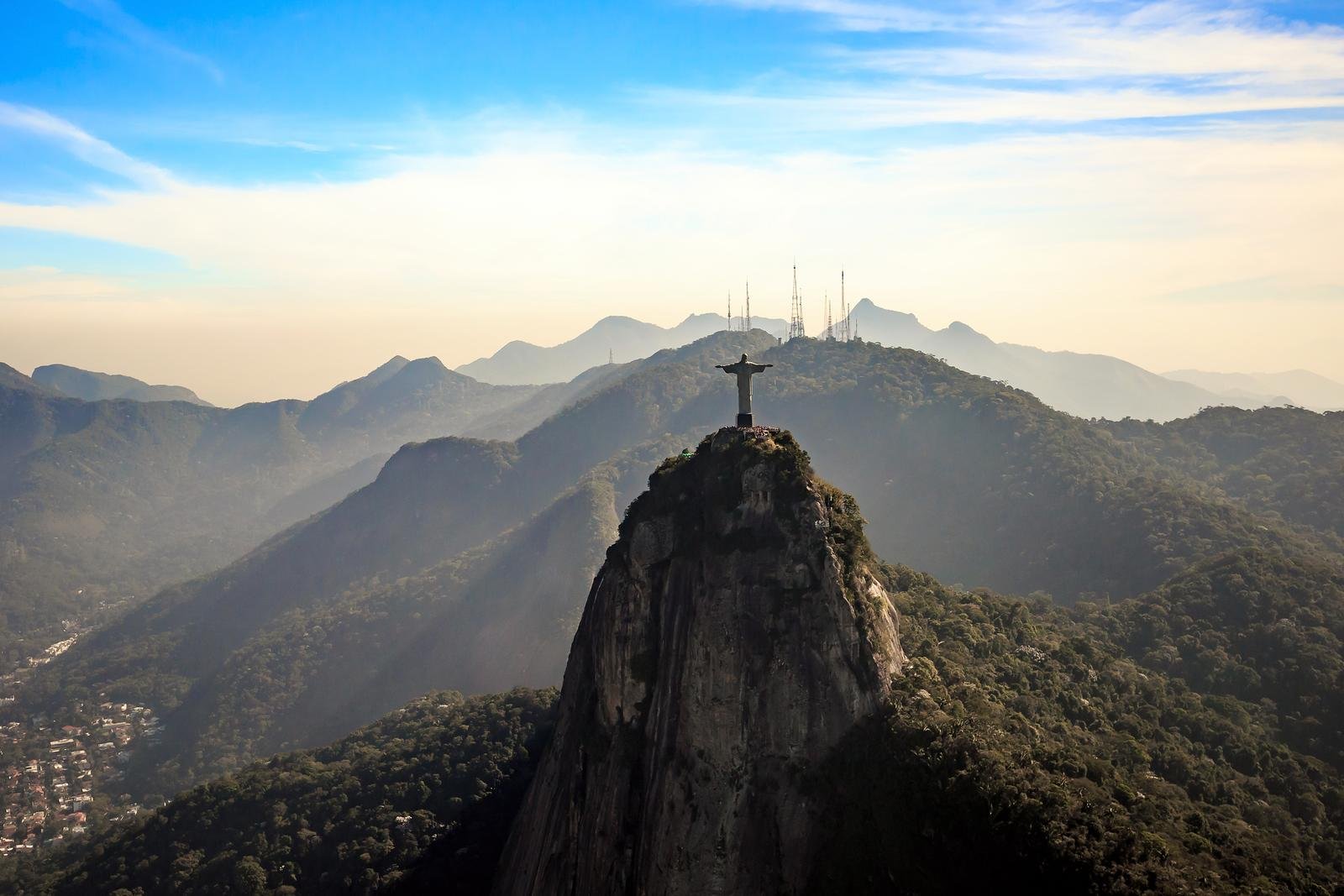
Rio de Janeiro pairs city energy with beach days at Ipanema, Copacabana, and hidden coves along the Green Coast. Day trips reach rainforest-backed trails and waterfall swims in Tijuca National Park.
You can hop a boat to Ilha Grande or chase viewpoints like Pedra do Telégrafo. Sunset over Sugarloaf seals why Rio is among the best places to visit.
Mix beach time with samba nights and street food tastings. Nearby Paraty adds colonial charm and calm waters. With Brazil’s warm vibe, even short stays feel rich. It’s a classic starter for travel in Central and South America.
Urban culture in São Paulo and the best places to go for food
São Paulo thrives on galleries, street art, and a global food scene from Japanese to Brazilian churrasco. Wander Avenida Paulista, Mercado Municipal, and Vila Madalena murals. Coffee culture here nods to the country’s farming roots while bars buzz late. It’s a city where culture stacks up fast.
Food halls, chefs’ counters, and neighborhood botecos make choosing fun. Pair museums with soccer matches for a local slice. Then fly onward to Iguazu or the Amazon for contrast. São Paulo turns layovers into highlights.
Brazil’s national park escapes near cities in South America
From Rio, Tijuca, and Serra dos Órgãos offer quick mountain fixes and granite spires. From São Paulo, Ilhabela and Intervales add jungle trails and waterfalls. Coastal parks weave beach and rainforest in one day. These national park escapes keep nature close to the city beat.
Wildlife-spotting can surprise you with toucans and monkeys on short hikes. Trail networks are signed, and guides add birding depth. Combine parks with cultural nights for balance. It’s Brazil’s easy recipe for variety.
Where are the most stunning landscapes in Patagonia and Chilean Patagonia?
Trekking in Torres del Paine National Park in Patagonia

Torres del Paine is Patagonia’s headline act, with the W and O circuits threading past glacier lakes and granite towers. Refugios and camps make it doable for varied budgets. The weather is wild, so pack layers and respect the wind. Every turn dishes out a postcard landscape.
Base in Puerto Natales for gear and buses. Shoulder seasons bring fewer crowds and a golden steppe. Side trips to Grey Glacier add boat views of blue ice. It’s a destination that defines adventure in South America.
Whale watching, glacier views, and otherworldly landscapes
Patagonia offers whale routes near Península Valdés and fjords carved by ancient ice. Board boats for thunderous calving or hike to panoramic glacier lookouts. The mix of steppe, peaks, and milky rivers feels like another planet. Photographers will run out of memory before views.
Wildlife includes guanacos, condors, and penguins, depending on the coast. Local guides help with time sightings and safe access. Pair marine days with highland treks for contrast. It’s a masterclass in raw landscape.
Best time to visit the southern Chile and Argentina Patagonia
November to March brings longer days and open trails, while October and April trade some services for solitude. Winds can roar anytime, so flexibility is key. Winter rewards with snow but limits hiking circuits. Choose the window that matches your comfort and goals.
Book refugios early in peak weeks and watch ferry schedules. If combining with Santiago or Buenos Aires, buffer travel days for weather. Patagonia pays back every ounce of planning. The result is pure, glacial magic.
Is the Atacama Desert in Chile really the driest in the world?
San Pedro de Atacama and San Pedro star-gazing experiences

Yes—parts of Atacama are the driest desert in the world, and San Pedro is your friendly base. Nights explode with stars thanks to high altitude and clear skies. Local observatories and astro guides make constellations pop. By day, Adobe lanes and cafes keep the vibe easy.
Sunsets at Valle de la Luna glow in layered reds. Early tours reach geysers steaming at dawn. It’s simple to add salt lagoons and flamingos to a two-day plan. Atacama turns minimal rain into maximum wonder.
Volcano, salt flats, and flamingo lagoons near Atacama
Day trips ring you with volcano silhouettes, sapphire lagoons, and white salt crusts. High-altitude stops reveal flamingo crowds feeding in pastel pools. Short hikes reach viewpoints over cracked earth and distant Andes lines. It’s a geology class made gorgeous.
Pack layers; temps swing fast at elevation. Guides monitor conditions for safe travel. Photographers love the clean horizons and surreal colors. Every stop feels purpose-built for awe.
Why Atacama feels like another planet in South America
The combination of bone-dry air, salt formations, and lunar valleys sells the otherworldly vibe. Even silence sounds different here. Add in stargazing that rivals the Galapagos for wow-factor, and you’ve got a top destination. It’s one of the best places to visit in South America for pure strangeness.
San Pedro’s tour scene keeps logistics smooth, from bikes to 4x4s. You can connect north to Uyuni or south to Santiago with ease. Few places on earth deliver so much variety so compactly. Atacama simply sticks in your memory.
How to experience the Amazon Rainforest in Brazil, Peru, and Ecuador?
Amazon Rainforest lodges and jungle wildlife in Latin America
Choose lodges near Manaus, Iquitos, or Coca to tailor your rainforest fix. Canoe rides, canopy towers, and night walks stack up wildlife: caimans, macaws, and tiny frogs. Guides translate the jungle’s sounds and tracks into stories. It’s immersive and humbling.

Lodges range from rustic to luxe, all deep in green. Power and Wi-Fi vary, which is part of the charm. Pack light, quick-dry layers, and respect park rules. The rainforest rewards patience with surprise encounters.
Best time to visit the rainforest and river cruises
High-water seasons turn forests into mirror rivers, perfect for boat-focused wildlife viewing. Low water opens beaches and longer hikes. River cruises link remote communities with comfort and steady spotting. Any season works if you set expectations.
Mosquito levels and rain spikes shift by month, so bring repellent and flexibility. Pair a lodge stay with a short cruise for contrast. Flights from cities in South America make access straightforward. The Amazon fits neatly into multi-country plans.
National park options across South American countries
Brazil’s Anavilhanas, Peru’s Tambopata, and Ecuador’s Yasuní headline protected zones. Each offers distinct species mixes and research-led guiding. Choose based on access, comfort, and conservation focus. You can’t go wrong—biodiversity is the constant.
Parks coordinate with communities, adding cultural depth. Permits and rules protect fragile habitats, so follow your guide’s lead. Combine rainforest with the Andes or beach for balance. It’s a cornerstone of any South American journey.
Are the Galapagos Islands the best scuba diving destination in Ecuador?
Galapagos wildlife highlights and best places to go
The Galapagos are a living museum: blue-footed boobies, marine iguanas, sea lions, and giant tortoises. Landings mix gentle walks with snorkeling in clear coves. Every island shift feels like a new chapter. It’s a bucket-list destination for nature lovers.

Guides limit group sizes to protect wildlife and enrich learning. You’ll get close, calmly and respectfully. Even non-divers see plenty from the surface. The archipelago sets the bar for wildlife encounters.
Best scuba diving seasons and sites in the Galapagos
For big pelagics like hammerheads, cooler waters from June to December shine. Warmer months bring calmer seas and vibrant reef life. Liveaboards reach remote sites for advanced divers. Visibility and currents vary, so plan with operators.
Gear up for thermoclines and be ready for thrills. Safety briefings are thorough, and gear is solid. Between dives, wildlife shows continue on deck. It’s among the best scuba diving experiences anywhere.
How to combine the Galapagos with mainland places to visit
Use Quito or Guayaquil as gateways, then tack on Andes towns or the Amazon. Short flights stitch these experiences neatly. Add a few days in Cuenca or Baños for waterfalls and volcano views. Ecuador packs big diversity in small distances.
This combo suits tight schedules without skimping on wow. Aim your time to visit around your wildlife targets. With smart routing, you’ll sample coast, highlands, and jungle. It’s a compact South America sampler.
What are the can’t-miss attractions in Argentina: Buenos Aires and Iguazu Falls?
Buenos Aires neighborhoods and tango in cities in South America
Buenos Aires seduces with Palermo cafes, San Telmo antiques, and La Boca color bursts. Evenings swing with tango shows and neighborhood milongas. Steak, Malbec, and late-night strolls set the rhythm. It’s a culture you can taste and dance.

Museums and bookstores fill the day gaps between plazas. The city is walkable and layered with history. From here, flights fan out to Patagonia and Mendoza. BA is a perfect urban anchor in South America.
Iguazu Falls viewpoints in Argentina and Brazil
Iguazu is a roaring border wonder with catwalks inches from spray. Argentina’s side offers immersive trails; Brazil’s side frames wide panoramas. Both are musts for full effect. Rainbows and butterflies add magic to the mist.
Plan at least a full day, ideally two. Bring a poncho and water-safe shoes. Wildlife like coatis appear along paths. It’s a waterfall experience that resets your scale.
Best time to visit Iguazu and the surrounding rainforest
Flow is strong year-round, with summer heat and occasional heavy rains. Shoulder seasons ease crowds and temps. Trails stay accessible, but check for closures after storms. Early starts win quieter moments.
Combine with a hop to Rio or Buenos Aires for contrast. Nearby rainforest lodges extend the natural feel. Iguazu fits almost any itinerary window. It’s a reliable highlight in Argentina and Brazil.
Why visit Bolivia’s Salar de Uyuni and La Paz?
Salar de Uyuni salt flats tours and stargazing in places on earth
Uyuni’s salt flats stretch to the horizon, turning to a mirror after rain. Day tours hit cacti islands and train graveyards; multi-day trips add lagoons and flamingos. Night skies are outrageous for stargazing. It’s one of those places on earth that bends reality.

4×4 convoys handle routes across blinding white. Pack shades and layers for sun and chill. Photographers can play with perspective shots for hours. Uyuni earns its legendary status fast.
La Paz cable cars and Lake Titicaca side trips
La Paz hangs in a bowl of Andes peaks, and cable cars glide above it all. Markets, museums, and street eats keep days full. Side trips to Lake Titicaca add island hikes and village stays. Altitude here demands an easy pace.
Use La Paz as a springboard to Uyuni or the Amazon. The city feels raw and real, packed with character. Views at sunset are unforgettable. It’s a high-altitude hub with heart.
How to combine Uyuni with San Pedro de Atacama
Popular 3-day tours cross from Uyuni to San Pedro de Atacama, linking salt flats with Chilean desert wonders. Border posts sit at high passes, so hydrate and move slowly. You’ll see lagoons, geysers, and volcanic lines en route. It’s a seamless way to stack highlights.
Finish in San Pedro for comfort and star nights. Or reverse the route based on flights via Santiago. Operators handle permits and meals, easing logistics. This combo is a South American classic.
Which cities and regions in Colombia are the best places to go?
Colonial cities, beach escapes, and jungle treks
Cartagena’s walls, Tayrona’s beaches, and the Lost City trek headline Colombia’s north. Medellín adds innovation tours and valley views. Jungle pockets hide waterfalls and wildlife. It’s a compact arc of coast and green.

Street food and music spill from plazas at night. Local guides lift stories behind facades. Domestic flights shrink distances fast. Colombia is an easy add to a multi-country trip.
Andes coffee region landscapes and volcano views
The coffee axis rolls with emerald hills, and finca stays. Salento, Cocora’s wax palms, and thermal springs deliver Andes calm. Volcano views pop near Pasto and Manizales. Sip, soak, and stroll your way through.
Tastings reveal farming craft and terroir. Short hikes through villages and cloud forest. It’s a gentle adventure with big scenery. Perfect after high-altitude pushes elsewhere.
Best time to visit Colombia and favorite country in South America picks
Weather varies by region, but drier stretches often occur from Dec–Mar and Jul–Sep. Aim for city time for festivals and shoulder months for beaches. Many travelers rank Colombia as their favorite country in South America for warmth and variety. It balances culture, nature, and value.
Plan hops from Bogotá to the coast or coffee quickly. Two weeks cover highlights without rush. Adding on to Ecuador or Peru is simple. Colombia slots neatly into broader South America plans.
What are the top places to visit in South America by travel theme?
Adventure destinations: Andes, glacier hikes, and volcano climbs
For adventure, stitch the Andes with volcano summits in Ecuador and Chile, glacier hikes in Patagonia, and high passes near Cusco. Routes are well-supported with guides and huts. Altitude awareness keeps things smooth. Every region serves up a fresh challenge.

Gear rental in hubs makes packing lighter. Plan buffers for weather and acclimatization. Mix marquee trails with lesser-known paths. Your legs will thank you later—after the views.
Nature and wildlife: rainforest, whale routes, and national park gems
Wildlife lovers should split time between Amazon rainforest lodges, whale coasts, and islands like the Galapagos. National park networks make DIY or guided trips easy. Seasons shift sightings, so research pays off. Expect constant “did-you-see-that” moments.
Photography is rich from dawn to dusk. Respect distances and follow guides for ethics. You’ll leave with memory cards and memories full. Nature is the star across South America.
Cultural cities in South America: Buenos Aires, Santiago, and Cusco
Triangulate culture with Buenos Aires for arts and tango, Santiago for wine and museums, and Cusco for Andean heritage. Each city layers old and new with style. Food scenes anchor your days between sights. Nights stretch with music and conversation.
Short flights link this trio fast. Add Rio de Janeiro or La Paz for extra spice. City time pairs well with nearby day hikes. Culture and nature trade high-fives here.
How much time to visit South America and sample routes?
One-week highlights in Brazil, Chile, and Argentina
Brazil: Rio de Janeiro plus a beach and Tijuca hikes. Chile: Santiago y San Pedro de Atacama. Argentina: Buenos Aires and a dash of Iguazu if flights align. Keep it tight and focused.
Use nonstops and early starts to stretch days. Prioritize one headline and one side trip. You’ll get a taste without burnout. Perfect for a first flirt with the continent.
Two-week classic route: Machu Picchu, Uyuni, and Atacama
Fly into Cusco, get to Machu Picchu, then hop to La Paz and tour Uyuni across to San Pedro de Atacama. Finish with Santiago for city polish. Altitude steps are steady, and sights stack big. It’s the list of the best in one arc.
Book key legs early and leave a buffer day. Mix guided tours with free time. The desert-to-salt transition feels seamless. You’ll head home glowing with stardust and salt.
A month-long grand tour around the South with the best places
Loop Rio, Iguazu, Buenos Aires, Patagonia, Santiago, Atacama, Uyuni, Cusco, and the Amazon. Add the Galapagos if the budget allows. Balance city stays with the national park bases. It’s the grand slam of South America.
Pace yourself with rest days and smart flights. Seasonal timing fine-tunes each stop. By the end, you’ll have a confident map in your head. And a new favorite country in South America, guaranteed.
FAQs
What are the absolute best places to visit in South America for first-timers?
If you’re new to the continent, start with a balanced mix of iconic cities and natural wonders. Think Rio de Janeiro for beaches and lively culture, Buenos Aires for European-style boulevards and tango, Cusco and Machu Picchu for ancient history, the Atacama Desert for Mars-like landscapes, and Patagonia for dramatic glaciers and peaks.
Add in Cartagena’s colorful colonial charm, the Amazon Rainforest for wildlife, and the Galápagos if you’re craving once-in-a-lifetime encounters with fearless animals. This combo packs big-hitter sights with easy logistics and a good range of budgets and travel styles.
How much time do I need to see the top destinations in South America?
To do the “greatest hits” justice, plan at least two to three weeks. One week can cover a single region—say, Rio and Iguazú Falls or Cusco, Sacred Valley, and Machu Picchu—but you’ll be rushing.
Two weeks lets you pair one legendary city with a nature highlight, while three to four weeks unlocks a classic loop like Peru + Bolivia + Chile (Andes and deserts) or Brazil + Argentina (cities, beaches, and waterfalls). Keep in mind distances are huge, flights can be long, and altitude changes slow you down. It’s better to go deeper in fewer places than to skim everywhere.
What are the must-see natural wonders in South America?
The continent is stacked with jaw-droppers. Iguazú Falls thunder through subtropical forest on the Brazil–Argentina border. The Uyuni Salt Flats in Bolivia become a giant mirror after rain. Patagonia’s Torres del Paine and Los Glaciares deliver granite towers and calving ice. The Amazon Rainforest blankets several countries with mind-bending biodiversity.
The Atacama Desert dazzles with geysers, star-studded skies, and rainbow valleys. Then there’s the Galápagos, where wildlife barely notices you. If you love mountains, the Andes stitch together epic valleys, high-altitude lakes, and volcanoes all the way from Colombia to southern Chile.
Which cities offer the best culture, food, and nightlife?
Buenos Aires tops the list for steak, Malbec, and late-night tango vibes. Rio de Janeiro mixes beach life with samba and jaw-dropping viewpoints like Christ the Redeemer. Bogotá and Medellín bring cutting-edge restaurants, street art, and museums with Andean coffee power.
Lima is a foodie pilgrimage, famed for ceviche and world-ranked dining. Santiago serves mountain views and wine country escapes, while Quito’s old town is a UNESCO gem. Don’t sleep on Montevideo’s chill waterfront, or Cartagena’s Caribbean energy housed in pastel walls.
Each city has a distinct rhythm—lean into it, and you’ll eat, dance, and stroll very well.
What are the top historical and archaeological sites to visit?
Machu Picchu is the headline, but it’s part of a larger Inca puzzle—Cusco, the Sacred Valley, and sites like Sacsayhuamán and Ollantaytambo fill in the story. In Bolivia, Tiwanaku predates the Inca with striking monoliths.
Colombia’s Ciudad Perdida (Lost City) hides deep in the jungle after a multi-day trek. In Chile, Easter Island (Rapa Nui) mesmerizes with its moai statues. Northern Peru adds treasures like Chan Chan and Kuelap, while Quito and Cusco preserve colonial splendor on top of older foundations.
If ruins and living traditions excite you, South America feels like an open-air museum.
How should I plan an itinerary for South America’s top destinations?
Pick a theme and cluster nearby highlights. Love nature? Combine Patagonia, Atacama, and the Uyuni loop. Into history and culture? Build around Cusco and Machu Picchu, then add Arequipa, Lake Titicaca, or La Paz.
City-and-food fans can hop between Rio, Buenos Aires, and Santiago with a side trip to Mendoza’s vineyards or Iguazú Falls. Map out flight routes first—overland journeys can be long but scenic—and factor in acclimatization days for high-altitude spots.
Always leave a buffer day for weather hiccups, especially in Patagonia and the Andes.
When is the best time to visit the most popular spots?
It depends on where you’re headed. Patagonia shines from November to March (their summer), while the Atacama is a year-round bet with cool nights. The Amazon is hot and humid year-round with varying water levels; wildlife is great in any season.
Dry season in the Andes (roughly May to September) brings clearer trekking conditions around Cusco and La Paz. Rio and the Brazilian coast are warm most of the year; Carnival (Feb/Mar) is huge but pricey.
The Galápagos is fantastic year-round, with slightly different wildlife behaviors each season—there’s truly no bad month.
What are some off-the-beaten-path alternatives to the big-name destinations?
If Machu Picchu’s crowds feel intense, trek the less-traveled Choquequirao. Swap the Galápagos for Colombia’s Pacific coast (whale watching) or Brazil’s Pantanal for wildlife galore. Trade Iguazú for Salto del Monday (Paraguay) or add the lesser-visited side trails on the Argentine side.
Explore Northern Argentina’s Quebrada de Humahuaca and Salinas Grandes, Chile’s Carretera Austral, or Uruguay’s boho beaches like José Ignacio. In Ecuador, the Avenue of the Volcanoes wows without island logistics. You’ll still get show-stopping scenery with fewer tour buses.
How do I handle logistics like visas, safety, and getting around?
Visa rules vary by nationality and country—always check official sites before you book. Big cities and major tourist corridors are well-trodden, but use common sense: avoid flashing valuables, use licensed taxis or rideshares, and lean on hotel or local advice for neighborhoods to avoid.
Domestic flights save loads of time; buses can be comfortable for shorter hops. For remote areas like Patagonia, book transport and accommodations ahead of time in peak season. Travel insurance is smart, and a mix of cards and cash (especially small bills) keeps things smooth in markets and smaller towns.
What are the can’t-miss experiences in South America’s top destinations?
Watch sunrise over Machu Picchu or the mirror-like Uyuni after rain. Hike to Torres del Paine’s Base Las Torres and feel tiny under the spires. Sail past Perito Moreno Glacier’s creaking ice walls.
Dance in a Buenos Aires milonga or sway with samba in Rio. Stargaze in the Atacama’s inky skies. Drift along the Amazon backwaters, spotting caimans and macaws. Bike the Death Road viewpoint section safely with a reputable outfitter, or horseback through Argentina’s pampas.
Taste-test empanadas, arepas, feijoada, and ceviche, then toast it all with Malbec, pisco, or caipirinhas.