
15 Best Things to Do in China: Top Tourist Attractions and Places to Visit


Best things to do in China go far beyond the Great Wall — this vast country offers 5,000 years of history, jaw-dropping landscapes, and vibrant culture. From exploring ancient temples and UNESCO sites to cruising through Guilin’s karst peaks or diving into the buzz of Shanghai, China promises unforgettable adventures for every traveler.
Key Takeaways:
- The Great Wall of China stands as the country’s most iconic attraction, stretching over 13,000 miles and offering visitors multiple access points including Badaling and Mutianyu sections near Beijing
- Beijing serves as a cultural powerhouse featuring the Forbidden City, Temple of Heaven, and Summer Palace, making it an imperative destination for understanding China’s imperial history
- The Terracotta Army in Xi’an represents one of the world’s greatest archaeological discoveries, with thousands of life-sized warrior statues guarding Emperor Qin Shi Huang’s tomb
- Natural wonders like Zhangjiajie National Forest Park (inspiration for Avatar’s landscapes) and the Li River in Guilin showcase China’s diverse and breathtaking scenery beyond its urban centers
- Modern marvels such as Shanghai’s skyline and the Yangtze River cruise experience demonstrate how China seamlessly blends ancient traditions with contemporary development and natural beauty
Visa Requirements & Entry
Current Visa Policies (2025)
Travelers to China must navigate specific visa requirements based on their nationality and purpose of visit:
- Tourist (L) Visa: Allows 30-60 day stays; requires a passport valid for at least six months.
- Business (M) Visa: Valid for up to 60 days per entry.
- Transit Visa-Free: Available for 144 hours (6 days) in major cities like Beijing, Shanghai, and Guangzhou.
- NEW 15-Day Visa-Free Entry: Citizens from 38 eligible countries can visit without a visa until December 31, 2025.
Application Process
To apply for a Chinese visa, you’ll need:
✅ Passport with at least two blank pages
✅ Completed visa application form
✅ Passport-sized photo
✅ Proof of travel (flight itinerary, hotel bookings)
✅ Invitation letter (if applicable)
Processing Time: Typically 4-5 business days, but expedited services are available.
Entry Requirements
- Mandatory Registration: Hotels automatically register foreign guests, but independent travelers must report to local police within 24 hours.
- Carry Your Passport: Random checks are common, especially in major cities.
- Overstay Penalties: Fines start at ¥500 per day and may result in future travel bans.
Beijing: Where Tradition and History Converge
Beijing stands as China’s political and cultural heart, where ancient dynasties left their magnificent mark alongside modern urban development, making it one of the top 15 best things to visit in China.

You’ll discover over 3,000 years of history woven through hutong alleyways, imperial palaces, and sacred temples.
The capital city houses six UNESCO World Heritage Sites within its boundaries, making it an unparalleled destination for history enthusiasts.
Your journey through Beijing reveals layers of Chinese civilization, from the Ming and Qing dynasties’ architectural masterpieces to contemporary landmarks that shape the nation’s future.
The Forbidden City: A Journey Through China’s Imperial Past
The Forbidden City served as home to 24 emperors across 500 years, housing the most extensive collection of preserved ancient wooden structures worldwide.
You’ll walk through 980 surviving buildings spread across 180 acres, each room telling stories of imperial life and Chinese artistry.

The palace complex took over one million workers 14 years to complete, using materials transported from across the empire.
Your visit unveils intricate details like the 9,999.5 rooms (only heaven could have 10,000), golden roof tiles reserved for imperial use, and the Dragon Throne where emperors once ruled over a quarter of the world’s population.
The Great Wall: Wonders of Ancient Engineering
The Great Wall stretches over 13,000 miles through mountains, deserts, and grasslands, representing humanity’s most ambitious construction project.
You’ll experience sections built across seven centuries, with the most popular Badaling and Mutianyu portions offering restored walkways and breathtaking views.
The wall required over one million workers during peak construction periods, with watchtowers positioned every few hundred meters for military communication.

Your climb reveals the strategic genius behind this defensive system that protected Chinese civilization from northern invasions.
Visiting different sections provides unique perspectives on this architectural marvel. Jinshanling offers photographers the most dramatic sunrise and sunset views, while Simatai presents the only night-illuminated section open for evening exploration.
The wall’s construction consumed more resources than any other building project in human history, using rice flour as mortar binding agent in many sections, solidifying its status as a top tourist attraction in China.
You can choose from gentle slopes at Mutianyu, perfect for families, or challenge yourself with the steep, unrestored sections at Jiankou where authentic Ming Dynasty stonework remains untouched by modern renovation.
Each section tells different stories of the dynasties that built, maintained, and defended this wonder across centuries of Chinese history.
The Summer Palace: Paradise Beneath the Willow Trees
The Summer Palace showcases imperial garden design at its finest, covering 720 acres where Kunming Lake occupies three-quarters of the grounds.
Empress Dowager Cixi transformed this retreat into her primary residence, commissioning the famous Marble Boat and Long Corridor adorned with 14,000 painted scenes.
Your stroll through pavilions, bridges, and landscaped hills reveals how Chinese royalty escaped Beijing’s summer heat.
The 2,388-foot Long Corridor holds the Guinness World Record as the longest painted corridor, while the Tower of Buddhist Incense rises 135 feet above the lake’s shimmering waters.

The palace grounds demonstrate the Chinese principle of borrowed scenery, where architects positioned buildings to frame distant Western Hills as living artwork.
Seventeen-arch bridge spans 500 feet across the lake, each arch perfectly proportioned to create reflections resembling a full moon during certain lighting conditions.
You’ll discover hidden meanings in every design element, from the phoenix decorations symbolizing Empress Cixi’s power to the strategic placement of rocks and plants following feng shui principles.
The palace survived destruction during the Second Opium War and required 10 years of restoration using traditional techniques and materials to achieve its current UNESCO World Heritage status.
Winter visits offer frozen lake activities, while summer provides boat rides and lotus blossom viewing opportunities.
Shanghai: A City of Contrasting Horizons
Shanghai pulses with an energy that seamlessly blends centuries-old traditions with cutting-edge modernity.
You’ll witness this extraordinary juxtaposition as ancient temples stand in the shadows of towering skyscrapers, while traditional markets operate mere blocks from luxury shopping districts.
The city’s 24.8 million residents navigate between preserved colonial architecture and futuristic urban planning, creating a living museum where past and future coexist.
Your journey through Shanghai reveals how China’s economic powerhouse maintains its cultural roots while generating over $600 billion in annual GDP, making it one of the world’s most dynamic metropolitan areas.
The Bund: The Iconic Skyline Meets the Huangpu River
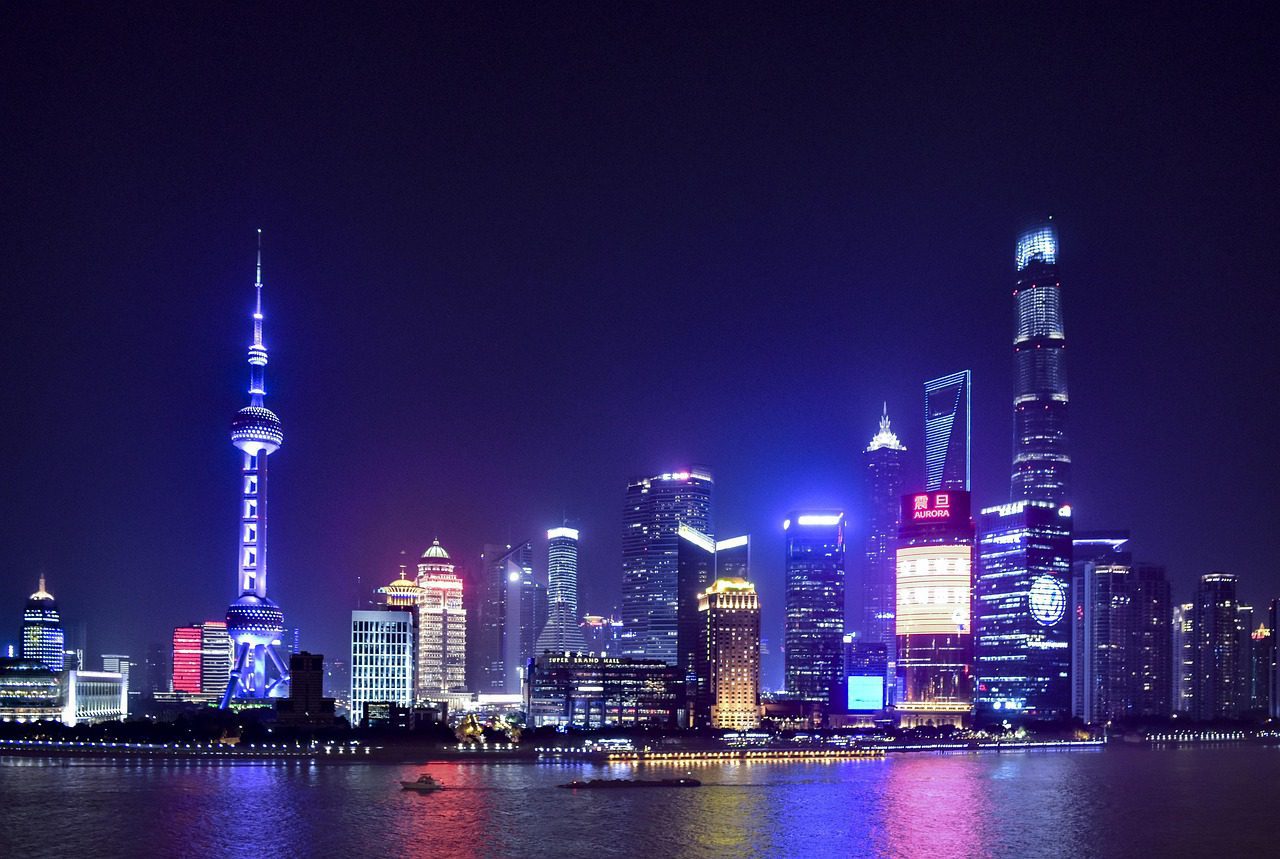
The Bund stretches for 1.5 kilometers along the Huangpu River, offering you an unparalleled view of Shanghai’s architectural timeline.

52 historic buildings from the 1920s and 1930s line the western bank, showcasing Art Deco and neoclassical designs that earned Shanghai the nickname “Paris of the East.”
Across the water, Pudong’s futuristic skyline pierces the horizon with the 632-meter Shanghai Tower and the distinctive Oriental Pearl TV Tower.
Your evening stroll along this waterfront promenade becomes magical as both sides illuminate, creating reflections that dance across the river’s surface while cruise boats glide between the contrasting eras.
Must-See Attractions: Discovering Shanghai’s Eclectic Heart
Yu Garden transports you into Ming Dynasty elegance with its 400-year-old pavilions, rockeries, and koi ponds nestled within the bustling city center.

The adjacent bazaar buzzes with vendors selling traditional crafts, silk products, and street food that has remained unchanged for generations.
Nanjing Road pedestrian street extends for 5.5 kilometers, serving as China’s premier shopping destination where you’ll find everything from luxury boutiques to century-old department stores.
Your exploration continues to the French Concession, where plane tree-lined streets reveal art galleries, boutique cafes, and preserved 1920s architecture that tells stories of Shanghai’s international past.
Tianzifang maze of narrow alleyways transforms traditional shikumen houses into creative spaces where local artists showcase their work alongside trendy restaurants and unique shops.
You’ll discover that this former residential area now hosts over 200 small businesses, each occupying spaces that once served as family homes.
The contrast becomes even more striking when you ascend the Shanghai World Financial Center’s observation deck on the 100th floor, where panoramic views reveal the city’s sprawling expanse.
Your perspective shifts dramatically as you witness how traditional neighborhoods blend with modern developments, creating urban patterns that exist nowhere else in the world.
Transportation in China
Best Ways to Get Around
🚄 High-Speed Trains: Fast, efficient (e.g., Beijing to Shanghai in 4.5 hrs).
✈ Domestic Flights: Best for long distances (e.g., Beijing to Chengdu).
🚇 Subways (Beijing, Shanghai, Guangzhou): Cheap & easy to navigate.
🚖 Taxis & Didi (Chinese Uber): Affordable, but have your destination written in Chinese characters.
Travel Tips
- Download Alipay or WeChat Pay (cashless payments are everywhere).
- Use Google Translate (many signs lack English).
- Book train tickets early via Trip.com or China Highlights.
Cultural Deep Dive: Museums and Artistic Landscapes
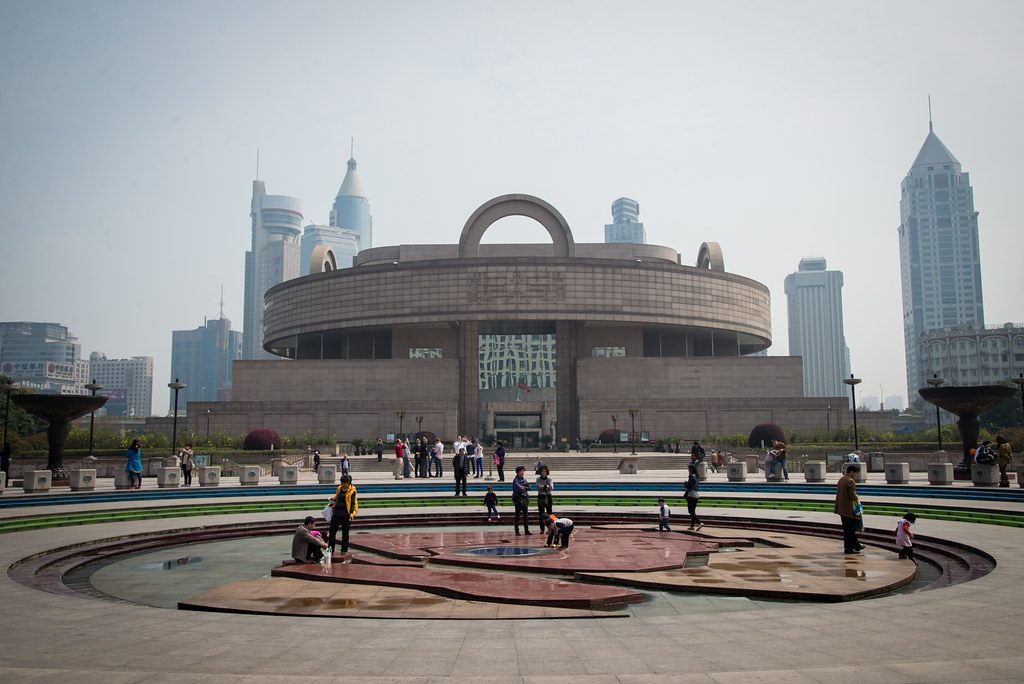
Shanghai Museum houses over 120,000 cultural artifacts spanning 5,000 years of Chinese civilization, with bronzes, ceramics, and calligraphy collections that rank among the world’s finest.
Your cultural journey deepens at the China Art Museum, located in the former 2010 World Expo pavilion, where contemporary Chinese art meets traditional techniques across 83,000 square meters of exhibition space.
The Power Station of Art, China’s first state-run contemporary art museum, occupies a converted power plant where industrial architecture frames cutting-edge installations.
M50 Creative Park transforms abandoned textile factories into artist studios and galleries, allowing you to witness Shanghai’s artistic renaissance firsthand.
The Shanghai Natural History Museum’s distinctive spiral design houses interactive exhibits that engage visitors through advanced technology, including a 4D theater and augmented reality displays that bring ancient creatures to life.
Your exploration of the city’s artistic landscape extends to the Rockbund Art Museum, where international contemporary art exhibitions rotate regularly in a beautifully restored Art Deco building.
The contrast between venues highlights Shanghai’s commitment to preserving architectural heritage while embracing innovative cultural expressions.
Street art districts like Moganshan Road reveal how young Chinese artists interpret traditional themes through modern mediums, creating works that reflect the city’s rapid transformation
Chengdu: The Pandas’ Playground
Chengdu stands as China’s undisputed panda capital, where you’ll encounter these beloved black-and-white ambassadors in their most natural habitat outside the wild.
Beyond the pandas, this vibrant Sichuan province capital delivers legendary spicy cuisine that will challenge your taste buds and a laid-back lifestyle that perfectly balances ancient traditions with modern innovation.
Your visit here combines wildlife conservation experiences with culinary adventures that showcase why Sichuan food ranks among the world’s most distinctive regional cuisines.
Chengdu Research Base: Sanctuary of Giant Pandas
The Chengdu Research Base of Giant Panda Breeding houses over 100 giant pandas across 165 acres of bamboo-filled enclosures that mirror their natural mountain habitat.
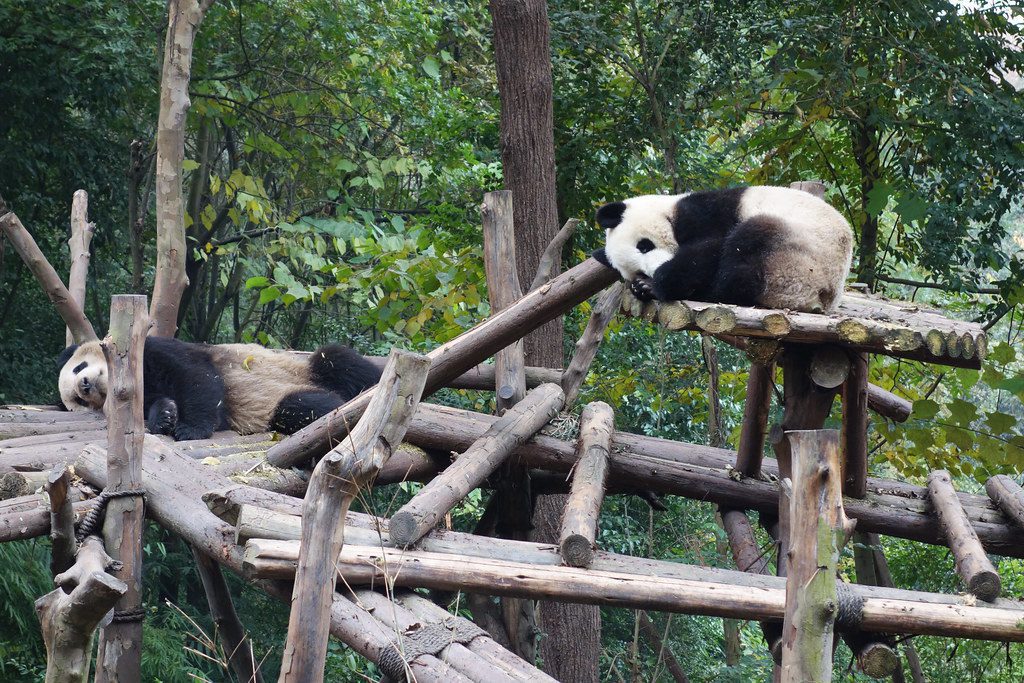
You’ll witness pandas at their most active during morning feeding times between 8-10 AM, when they playfully tumble and munch on fresh bamboo shoots.
The facility has successfully bred more than 200 pandas since 1987, contributing significantly to global conservation efforts while allowing you intimate access to observe these endangered creatures up close.
Local Flavors: Culinary Delights of Sichuan
Sichuan cuisine delivers an explosive symphony of flavors centered around the region’s famous málà (numbing and spicy) sensation created by Sichuan peppercorns and chili peppers.
Your palate will experience the legendary mapo tofu, kung pao chicken, and dan dan noodles in their authentic birthplace, where local chefs masterfully balance heat, numbing spice, and complex aromatics that define this UNESCO-recognized culinary tradition.
Street food culture thrives throughout Chengdu’s bustling neighborhoods, where you can sample over 200 documented traditional dishes that showcase the region’s agricultural abundance.

Hot pot restaurants line every street, offering communal dining experiences where you cook fresh ingredients in bubbling, spice-laden broths that vary from mildly warming to intensely fiery.
The city’s teahouse culture provides respite between meals, where locals gather in bamboo chairs to sip jasmine tea and play mahjong for hours.
Your culinary journey extends to local markets like Jinli Ancient Street, where vendors prepare fresh douhua (silky tofu pudding), spicy rabbit heads, and sweet osmanthus jelly that represent centuries-old recipes passed down through generations.
Scenic Adventures: The Beauty of the Li River
The Li River flows majestically for 83 kilometers between Guilin and Yangshuo, creating China’s most photographed landscape featuring dramatic limestone karst peaks that rise like ancient sentinels from emerald waters.
Your river cruise reveals scenery so iconic it graces the back of China’s 20-yuan banknote, where cormorant fishermen still practice traditional techniques passed down through generations, highlighting the best things to see in China.

The journey showcases thousands of cone-shaped hills reflected perfectly in calm waters, creating an otherworldly panorama that has inspired Chinese poets and painters for over 1,000 years.
Bamboo raft excursions offer more intimate encounters with the river’s pristine sections, where you’ll drift silently past water buffalo cooling in shallows and farmers tending terraced fields that climb impossibly steep hillsides.
The surrounding Yangshuo countryside provides endless opportunities for cycling adventures through rural villages where traditional architecture remains unchanged, and locals still transport goods via water buffalo and wooden carts.
Your photography opportunities multiply during golden hour when mist rises from the water, creating ethereal scenes where limestone peaks emerge like islands floating in clouds, while local fishermen cast their nets in techniques unchanged for centuries.
Guilin: Nature’s Artistic Canvas
Guilin transforms China’s landscape into a living masterpiece where towering limestone karsts pierce emerald waters and mist-shrouded peaks create scenes that have inspired Chinese poets for over 2,000 years.
You’ll discover why this UNESCO World Heritage region attracts over 100 million visitors annually, as dramatic rock formations rise like ancient sentinels from the Li River’s serpentine curves.
Traditional bamboo rafts drift past fishing villages unchanged for centuries, while cormorants dive for silver carp in waters so clear you can see the riverbed 20 feet below.
Captivating Landscapes: The Breathtaking Backdrop of Guilin
Elephant Trunk Hill dominates Guilin’s skyline like a massive stone elephant drinking from the Li River, while Reed Flute Cave reveals underground chambers adorned with multicolored stalactites illuminated by rainbow lighting.
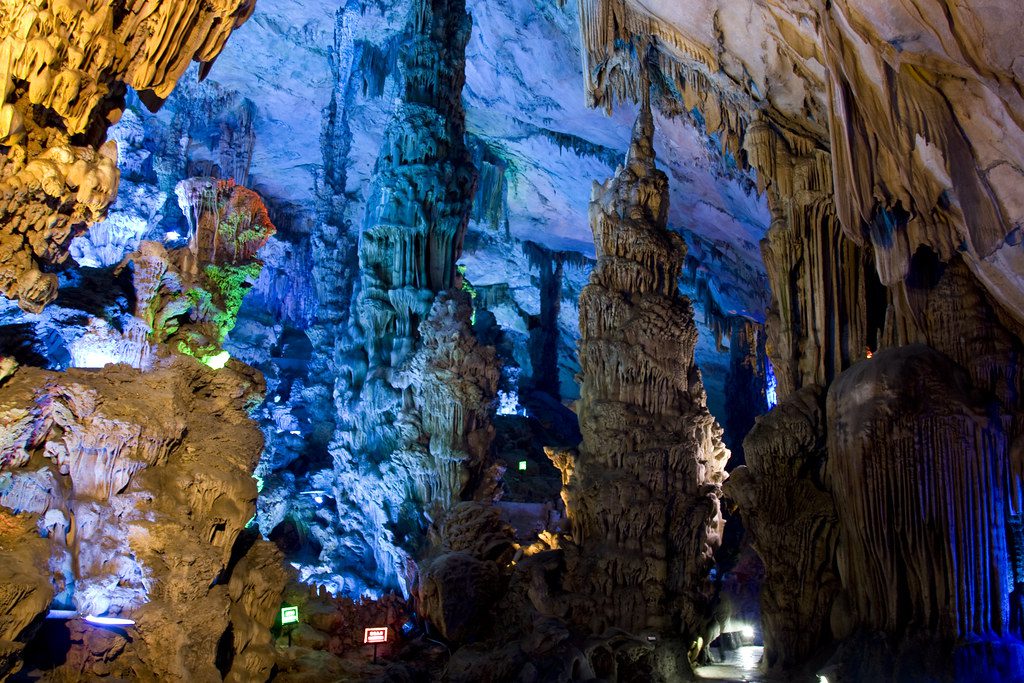
Seven Star Park showcases the region’s geological diversity across 300 acres, featuring the Flower Bridge dating back 800 years and Camel Hill’s distinctive silhouette.
Your photography skills will be tested by landscapes so surreal they appear computer-generated, from the mirror-like reflections of Yangshuo’s karst towers to the terraced rice fields cascading down Longji’s mountainsides in golden waves.
Adventure Awaits: River Cruises and Hiking Trails
Your adventure options range from peaceful bamboo raft journeys to challenging mountain climbs that reward you with panoramic views stretching 50 miles across the karst landscape.
The Li River cruise from Guilin to Yangshuo covers 52 miles of China’s most photographed scenery, while hiking trails like Moon Hill’s 800-step climb lead to a natural archway carved by millennia of erosion.
Rock climbing enthusiasts tackle over 200 established routes on Yangshuo’s limestone cliffs, rated from beginner-friendly 5.6 to expert-level 5.13.

Cycling enthusiasts can explore over 100 miles of dedicated bike paths winding through rural villages where water buffalo still plow rice fields and farmers harvest crops using traditional methods passed down through generations.
The most thrilling adventure combines hot air ballooning at sunrise with cave exploration, as you float 1,000 feet above the karst formations before descending into Silver Cave’s three-mile underground network.
Professional guides lead multi-day hiking expeditions through Longji Terraces, where you’ll stay in traditional wooden guesthouses and witness the agricultural practices that have shaped these mountains for 700 years.
Li River: A Must-Experience Natural Wonder
Li River’s 437-kilometer journey from the Mao’er Mountains to the Pearl River creates China’s most iconic waterway, featuring on the country’s 20-yuan banknote.
The river’s crystal-clear waters maintain an average depth of 6 feet, perfect for bamboo rafting adventures that let you drift silently past limestone pinnacles rising 500 feet from the water’s edge.
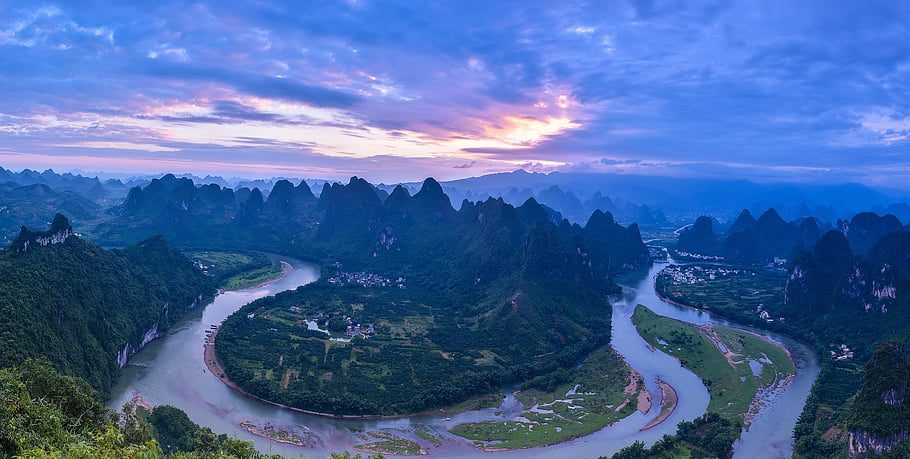
Your cruise timing determines the experience – morning mist creates ethereal photography conditions, while afternoon light illuminates the karst formations in brilliant detail against azure skies.
Traditional cormorant fishing demonstrations occur daily along the Li River, where fishermen use birds trained to catch fish but prevented from swallowing large catches by neck rings.
The most spectacular section stretches 20 miles from Guilin to Yangshuo, where Nine Horse Fresco Hill displays natural rock patterns resembling galloping horses that ancient Chinese scholars used as intelligence tests, is one of the fascinating places to see in China.
Four-hour luxury cruises include authentic Guangxi cuisine featuring beer fish, Guilin rice noodles, and osmanthus wine, while budget-conscious travelers can choose bamboo rafts for intimate two-hour journeys covering the river’s most photogenic segments between Xingping and Yangshuo.
Zhangjiajie: The Land of Inspiration
You’ll discover a mystical realm where towering quartzite sandstone pillars pierce through misty clouds, creating landscapes so extraordinary they inspired the floating mountains in James Cameron’s Avatar.
Zhangjiajie’s 3,000 vertical stone columns rise up to 200 meters high, forming a natural wonderland that captivates millions of visitors annually.
This UNESCO World Heritage site in Hunan Province offers you breathtaking scenery, thrilling adventures, and photographic opportunities unlike anywhere else on Earth.
UNESCO’s Gem: Zhangjiajie National Forest Park
You’re exploring China’s first national forest park, established in 1982 and recognized as a UNESCO World Heritage site since 1992.
The park spans 4,810 hectares and protects rare plant species including the dawn redwood, once thought extinct.
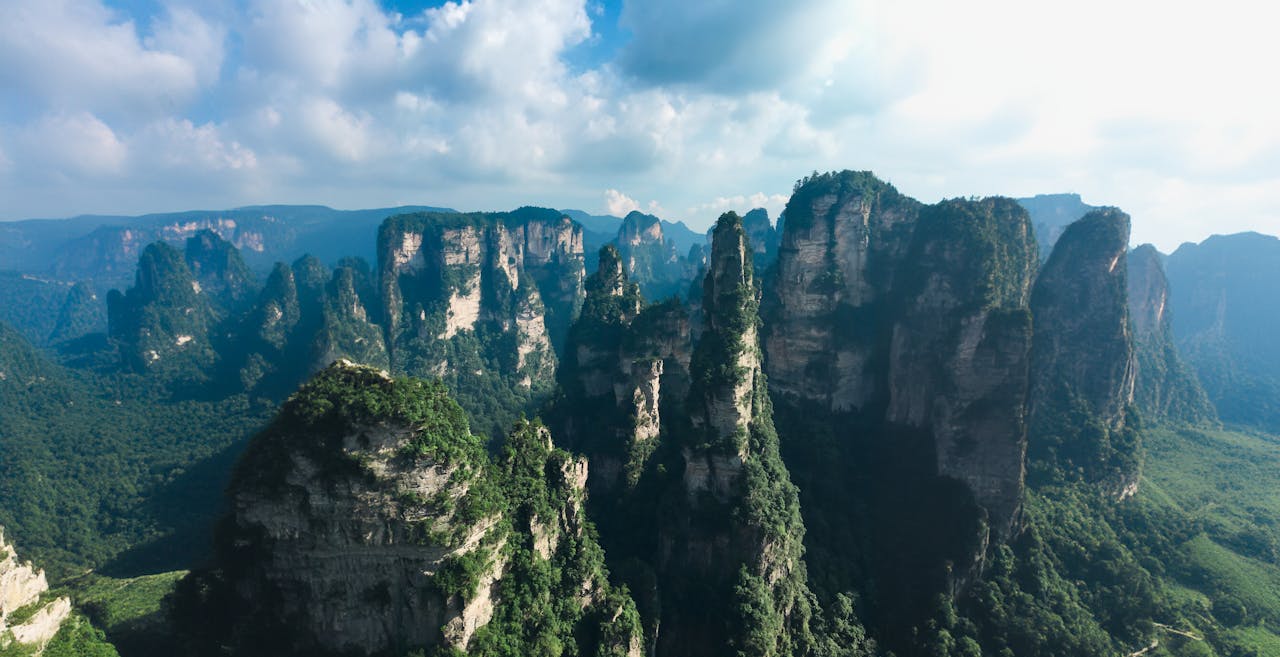
Your journey through ancient pathways reveals diverse ecosystems where golden monkeys swing through primeval forests and exotic birds call from hidden valleys.
The park’s unique geological formations took 380 million years to create through water erosion and weathering processes.
The Avatar Mountains: Bridging Reality and Fantasy
You’ll stand before the Southern Sky Column, officially renamed “Avatar Hallelujah Mountain” in 2010 to honor the film that brought global attention to this natural wonder.
These ethereal pillars, shrouded in perpetual mist, create an otherworldly atmosphere that film crews captured to design Pandora’s floating peaks.
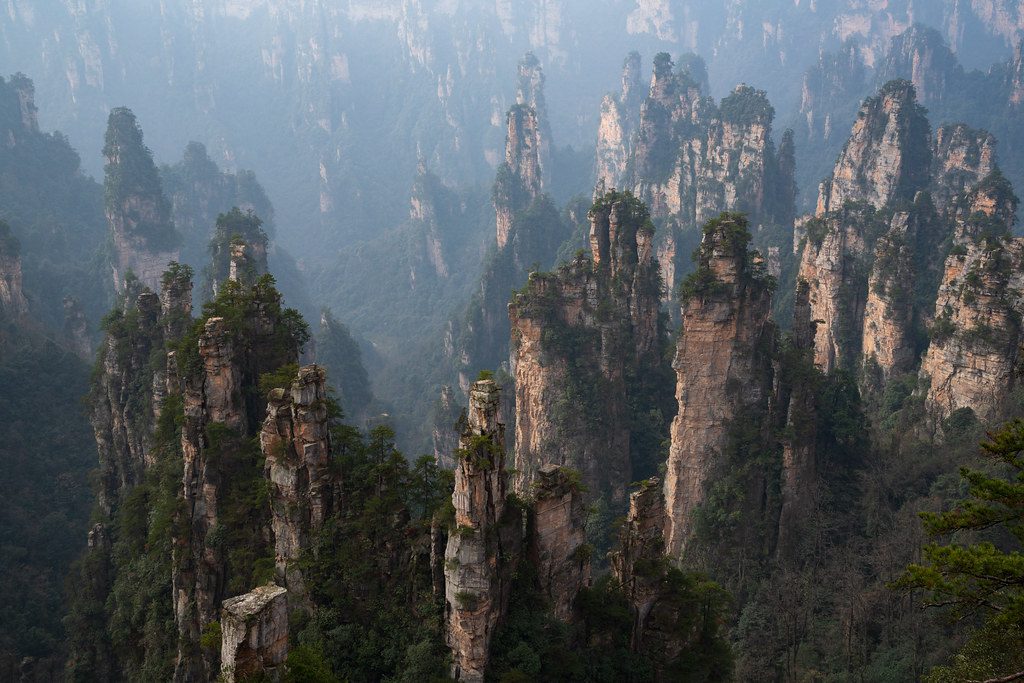
Your camera will struggle to capture the full majesty of these formations that seem to defy gravity itself.
The connection between Zhangjiajie and Avatar runs deeper than simple inspiration.
Film crews spent months in the region, using advanced 3D technology to map the terrain and translate the physical landscape into digital artistry.
The movie’s success increased tourism by 300% within two years, transforming this remote corner of China into an international destination.
You can follow designated Avatar filming locations throughout the park, where information boards detail how specific formations influenced particular scenes.
The resemblance becomes most striking during early morning hours when fog envelops the pillars’ bases, creating the illusion that these stone giants float freely in space, exactly as depicted in Cameron’s fictional world.
Thrilling Activities: Cable Cars and Glass Walkways
You’ll experience heart-pounding adventures on the world’s longest and highest glass bridge, stretching 430 meters across Zhangjiajie Grand Canyon at 300 meters above ground.
The Tianmen Mountain cable car, spanning 7.5 kilometers, offers you spectacular aerial views during your 28-minute journey to the summit. Your adrenaline will surge walking along cliff-edge glass platforms that provide unobstructed views of the valley floor far below.

The engineering marvels extend beyond simple sightseeing platforms. The Zhangjiajie Grand Canyon Glass Bridge can support 800 people simultaneously and features bungee jumping facilities for ultimate thrill-seekers.
You can test your courage on the bridge’s transparent sections, designed to create the sensation of walking on air.
The Tianmen Mountain glass walkway, clinging to sheer cliff faces, stretches around the mountain’s perimeter, offering you 360-degree panoramic views.
These attractions incorporate advanced safety systems including regular structural inspections and weight monitoring, ensuring your adventure remains both thrilling and secure.
During peak seasons, you’ll need advance reservations as daily visitor numbers are strictly limited to preserve both safety standards and environmental protection.
Xi’an: The Treasure Trove of History
Xi’an stands as China’s archaeological crown jewel, where over 3,000 years of continuous history unfolds beneath your feet.
This ancient capital of 13 dynasties served as the eastern terminus of the Silk Road, making it one of the world’s most significant historical cities.
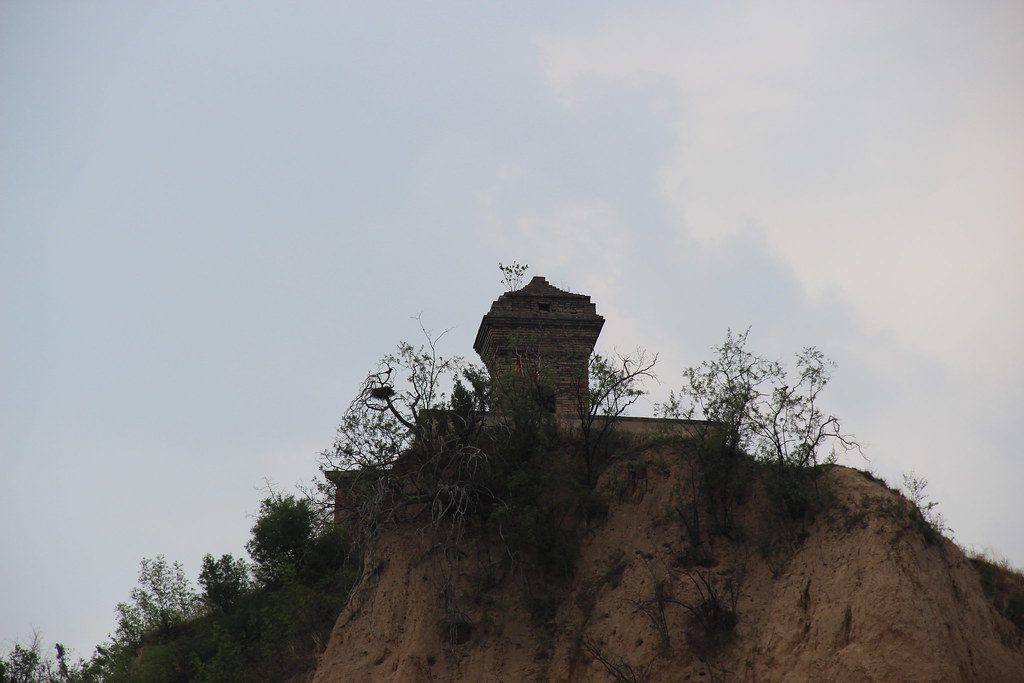
You’ll discover layers of civilization stacked upon each other, from Han Dynasty ruins to Tang Dynasty pagodas, all while experiencing a vibrant modern city that has masterfully preserved its heritage.
The city’s strategic location in central China made it a political and cultural powerhouse for over a millennium.
The Terracotta Army: Unearthing Ancient Marvels
Standing face-to-face with over 8,000 life-sized terracotta warriors ranks among the world’s most awe-inspiring archaeological experiences.
Each figure, crafted over 2,200 years ago to guard Emperor Qin Shi Huang’s tomb, displays unique facial features, hairstyles, and expressions.
You’ll witness three excavated pits, with Pit 1 containing the main army formation of 6,000 warriors.
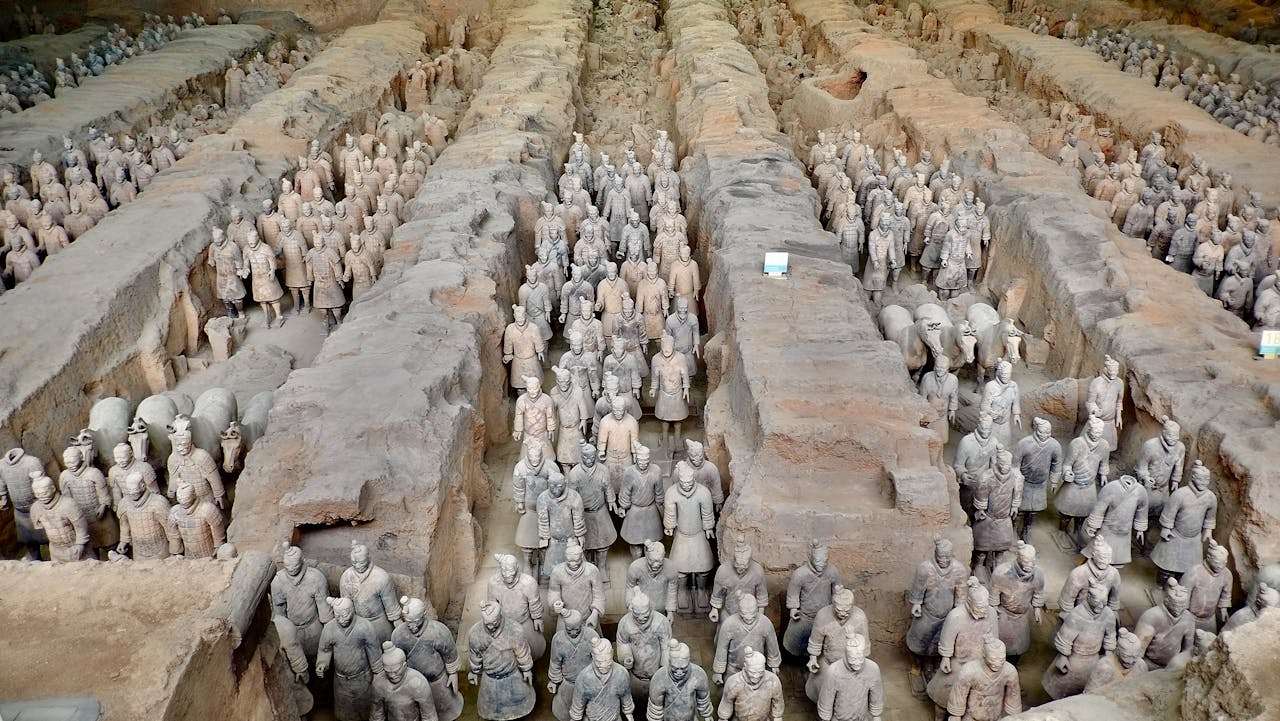
The craftsmanship extends beyond soldiers to include horses, chariots, and bronze weapons that remained sharp after millennia underground.
This UNESCO World Heritage site continues revealing secrets, with archaeologists estimating thousands more figures await discovery.
The Ancient City Wall: A Walk Through Time
Xi’an’s 14-kilometer rectangular city wall represents the world’s most complete ancient urban fortification system still standing today.
Built during the Ming Dynasty on Tang Dynasty foundations, this massive structure rises 12 meters high and stretches 15-18 meters wide at its top.
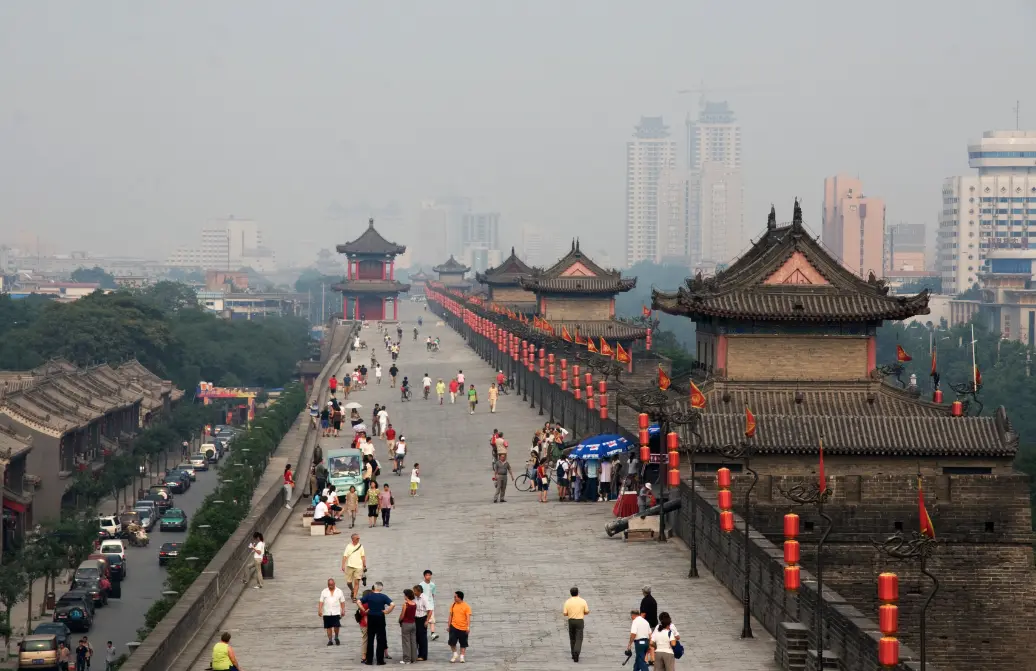
You can rent bicycles to cycle the entire perimeter in approximately 90 minutes, offering panoramic views of both ancient neighborhoods and modern skyscrapers.
The wall features four main gates and 98 ramparts, each with its own historical significance and architectural details.
Walking or cycling atop the wall provides unique perspectives of Xi’an’s urban evolution, where traditional courtyard houses nestle alongside contemporary developments.
The fortification’s moat, once filled with water for defense, now serves as a green belt circling the old city. Evening visits prove particularly magical when traditional lanterns illuminate the ancient stones, creating reflections that transport you back centuries.
The wall’s four corners house watchtowers that served as command posts, now converted into small museums displaying military artifacts and construction techniques used by ancient engineers.
Cultural Riches: Xi’an’s Gastronomic and Historical Appeal
Xi’an’s Muslim Quarter buzzes with over 500 years of culinary tradition, where Hui Muslim culture blends seamlessly with Han Chinese influences.
You’ll navigate narrow cobblestone streets lined with food stalls serving hand-pulled noodles, lamb burgers (roujiamo), and the famous yangrou paomo soup served in carved bread bowls.
The Great Mosque, hidden within the quarter’s maze-like alleys, showcases Chinese Islamic architecture dating to 742 AD.
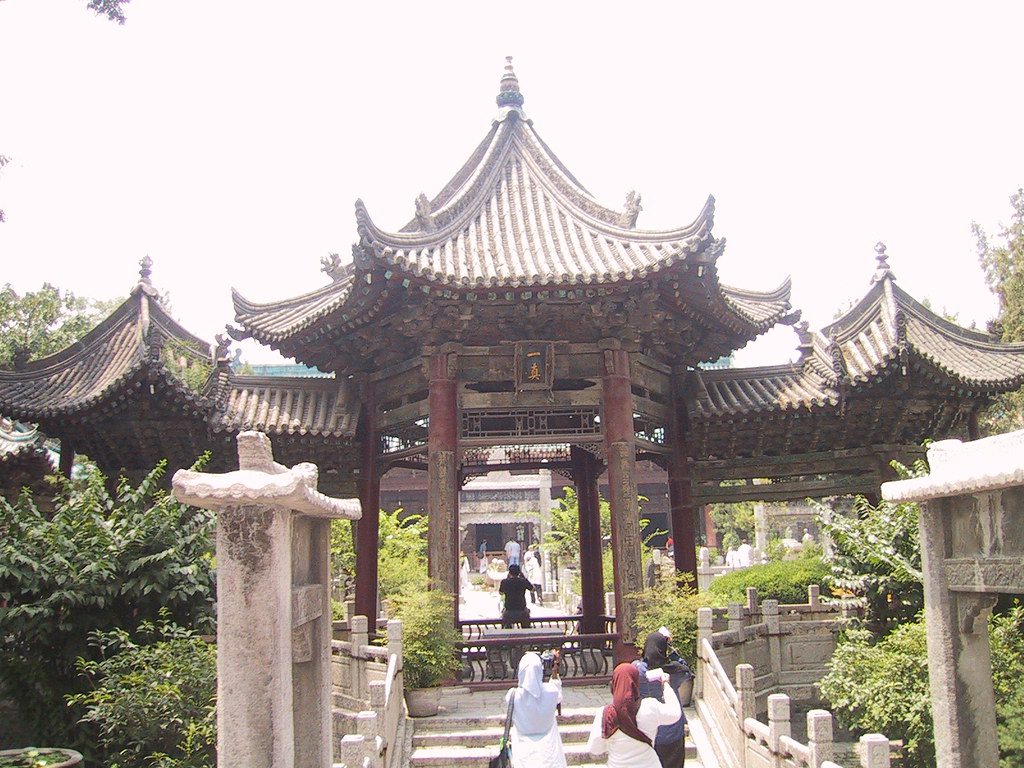
Street vendors demonstrate ancient cooking techniques passed down through generations, creating an authentic cultural immersion beyond typical tourist experiences.
The quarter’s architectural heritage extends far beyond food, featuring traditional courtyard buildings that house antique shops, calligraphy studios, and tea houses where locals gather for evening conversations.
You’ll encounter artisans crafting traditional musical instruments, shadow puppets, and jade carvings using techniques unchanged for centuries.
The area’s 10 historic mosques serve Xi’an’s 60,000 Muslim residents, creating a living cultural landscape rather than a mere tourist attraction.
Night markets transform the streets into a sensory adventure where the aroma of cumin-spiced lamb mingles with incense from nearby temples, while traditional musicians perform ancient Silk Road melodies that once entertained traveling merchants.
The Three Gorges: An Epic Journey
Stretching across 193 kilometers of the mighty Yangtze River, the Three Gorges represent one of China’s most spectacular natural wonders.
You’ll witness towering limestone cliffs that rise over 1,200 meters above the water, creating dramatic landscapes that have inspired poets and artists for millennia.
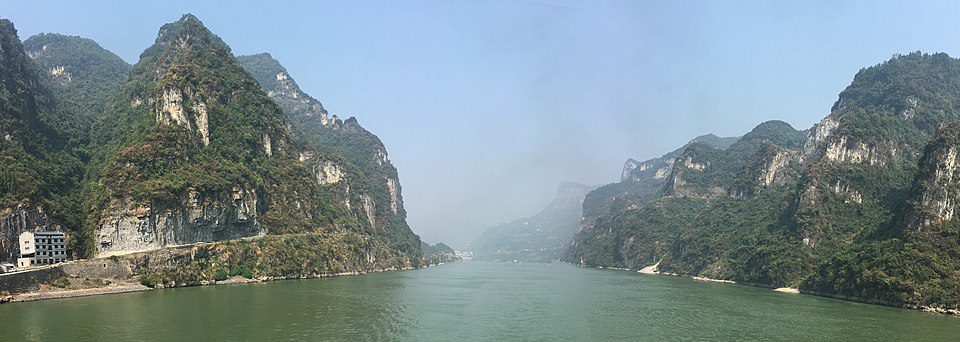
The Qutang, Wu, and Xiling gorges each offer distinct geological formations, from narrow passages where the river squeezes between vertical walls to expansive valleys dotted with ancient temples, there are countless tourist attractions in China to explore.
Modern cruise ships navigate these historic waters where emperors once traveled, allowing you to experience both natural grandeur and engineering marvels like the world’s largest hydroelectric dam.
Yangtze River: Navigating Nature’s Grand Masterpiece
Asia’s longest river flows 6,300 kilometers from the Tibetan Plateau to the East China Sea, but nowhere does it command more respect than through the Three Gorges.

You’ll cruise past 12-million-year-old rock formations while navigating waters that have carved through mountains for eons.
The river’s depth reaches 150 meters in some sections, creating powerful currents that ancient sailors feared.
Today’s luxury vessels feature panoramic viewing decks and glass elevators, transforming what was once a treacherous journey into a comfortable voyage through geological history.
Engaging Activities: Adventures in the Three Gorges
Your Three Gorges experience extends far beyond passive sightseeing, with excursions to the 185-meter-high Three Gorges Dam revealing engineering on an unprecedented scale.
You can explore the Shennong Stream on traditional wooden boats called pea pods, where trackers once pulled vessels upstream using ropes and raw strength.
The Lesser Three Gorges offer intimate encounters with wildlife, including the rare Chinese river dolphin habitat, while hiking trails lead to 2,000-year-old cliff coffins suspended impossibly high on vertical rock faces.
Adventure seekers find exceptional opportunities for photography and exploration throughout the gorges region.
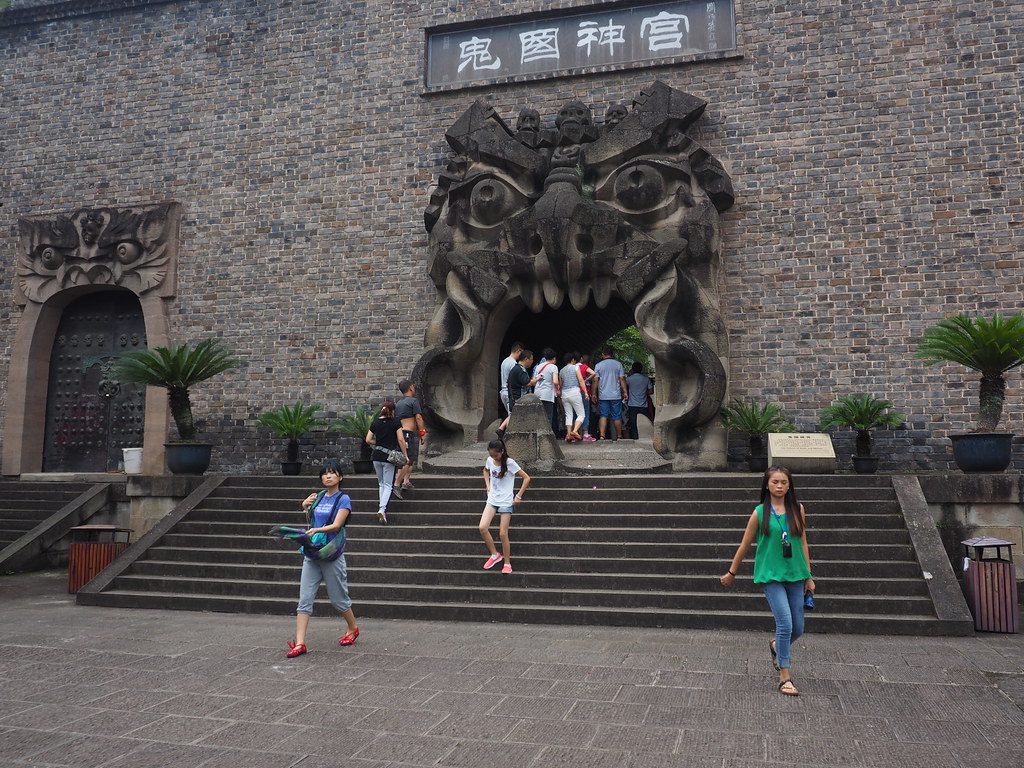
You can visit the Ghost City of Fengdu, where elaborate temples and sculptures depict the Chinese afterlife, or take sampan rides through narrow tributaries where local fishermen still use cormorants for traditional fishing.
The region’s zip lines and glass walkways provide adrenaline-pumping perspectives of the gorges, while white-water rafting on smaller tributaries offers thrills for experienced adventurers.
Many cruise itineraries include visits to relocated villages, where you’ll witness how communities adapted to the dam’s construction and the resulting changes to water levels.
Cultural Immersion: Temples and Life Along the Water
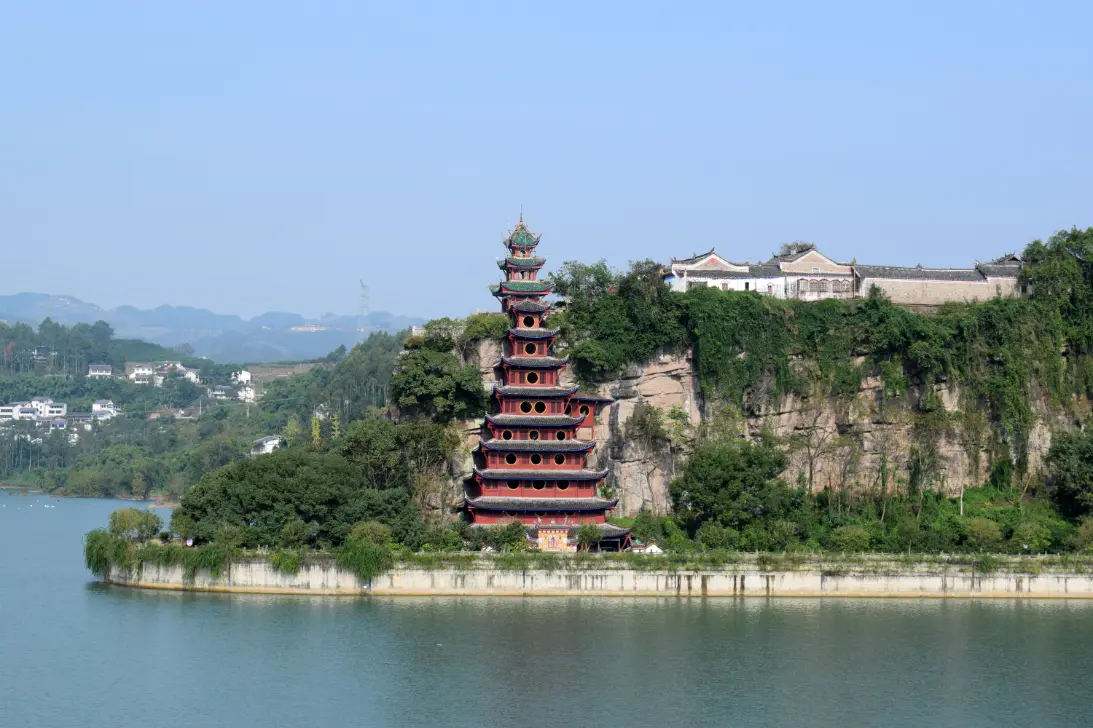
Ancient temples perch precariously on clifftops throughout the Three Gorges, with the 1,700-year-old Shibaozhai Pagoda standing as a remarkable 12-story wooden structure built without nails.
You’ll discover river communities where families have lived for generations, maintaining traditional fishing methods and crafts despite modern changes.
Local markets overflow with river fish, handwoven textiles, and jade carvings, while evening performances feature folk songs that echo the rhythms of river life.
The Ba and Shu cultures left their mark through cliff paintings and burial sites that archaeologists continue uncovering.
Cultural experiences deepen as you interact with local communities whose ancestors navigated these waters for over 4,000 years, a testament to the rich history of the emperor of China.
You’ll visit villages where traditional architecture reflects the region’s unique relationship with seasonal flooding, and where residents practice ancient customs like dragon boat racing and river blessing ceremonies.
Local artisans demonstrate traditional crafts including bamboo weaving and paper cutting, skills passed down through generations of river families.
The region’s cuisine features distinctive preparations of Yangtze River fish, wild vegetables, and preserved foods that sustained river travelers during long journeys, offering you authentic tastes that connect directly to the area’s maritime heritage.
Cultural Etiquette & Communication
Do’s & Don’ts
✔ Do:
- Greet with a nod or handshake (hugs are uncommon).
- Accept business cards with both hands.
- Try local dishes—food is central to Chinese culture.
✖ Don’t:
- Stick chopsticks upright in rice (symbolizes death).
- Discuss Taiwan, Tibet, or politics (sensitive topics).
- Tip (it’s not customary, except in luxury hotels).
Basic Mandarin Phrases
- Hello: Nǐ hǎo (你好)
- Thank you: Xièxiè (谢谢)
- How much?: Duōshǎo qián? (多少钱?)
Health & Safety
Staying Healthy
💧 Avoid tap water—stick to bottled or boiled water.
😷 Air pollution can be bad in cities—check the AQI and wear a mask if needed.
🍜 Food safety: Eat at busy restaurants (avoid raw street food).
Safety Tips
⚠ Scams: Beware of “tea ceremony” scams in tourist areas.
👛 Pickpocketing: Watch belongings in crowded places (e.g., subway).
🚨 Emergency numbers:
- Police: 110
- Ambulance: 120
Budget Planning Framework
Estimated Daily Costs
| Budget Level | Accommodation | Food | Transport | Attractions | Total (USD) |
|---|---|---|---|---|---|
| Backpacker | $10-20 (hostel) | $5-10 (street food) | $5 (metro) | $10-20 | $30-50 |
| Mid-Range | $50-100 (hotel) | $15-30 (restaurants) | $10-20 (taxis) | $20-40 | $80-150 |
| Luxury | $200+ (5-star) | $50+ (fine dining) | $30+ (private car) | $50+ | $300+ |
Money-Saving Tips
- Travel by train instead of flights.
- Eat at local food stalls (cheaper & authentic).
- Visit free attractions (parks, temples).
Final Words
Now you have a comprehensive guide to China’s most spectacular destinations and experiences.
From the ancient majesty of the Great Wall to the modern skylines of Shanghai, your journey through China will offer an incredible blend of history, culture, and natural beauty.
Whether you’re exploring the Terracotta Army in Xi’an, cruising through the dramatic landscapes of Guilin, or wandering through the Forbidden City in Beijing, each destination provides unique insights into this fascinating country.
Plan your itinerary based on your interests and available time, and prepare yourself for an unforgettable adventure through one of the world’s most captivating nations, where you’ll discover the top 15 best things to experience.
Frequently Asked Questions
What are the top things to do in China for first-time visitors?
For first-time visitors, the top things to do in China include visiting the Great Wall of China, exploring the Forbidden City (Imperial Palace) in Beijing, seeing the Terracotta Army in Xi’an, cruising along the Li River through karst landscapes in Guilin, and visiting the Chengdu Research Base of Giant Panda Breeding.
China offers an incredible mix of ancient history, natural beauty, and modern cities that provide a perfect blend of old and new experiences.
Most China tour packages include these major attractions, but also consider adding Shanghai’s Oriental Pearl Tower or a traditional Chinese tea ceremony to round out your trip to China.
When is the best time to visit China?
The best time to visit China is generally during spring (April-May) and autumn (September-October) when the weather is mild and pleasant across most regions. These seasons offer comfortable temperatures for outdoor activities and sightseeing at top attractions.
Summer (June-August) can be hot and humid with crowded tourist sites, while winter (November-March) is cold but offers unique experiences like the Harbin Ice Festival. The best time to travel also depends on which places to visit in China you’re prioritizing – southern regions like Guilin remain relatively warm year-round, while northern cities like Beijing experience distinct seasons.
Is the Great Wall of China worth visiting? What should I know before going?
Yes, the Great Wall of China is absolutely worth visiting as one of the most iconic UNESCO World Heritage Sites and top tourist attractions in the world.
Different sections offer varied experiences – Badaling is most accessible but crowded, Mutianyu provides beautiful scenery with fewer tourists, while Jinshanling and Simatai offer more rugged, authentic experiences for serious hikers.
The best views come in spring and autumn when weather is optimal.
Plan at least half a day for your visit, wear comfortable shoes, and consider hiring a guide to learn about its fascinating history as China’s ancient defensive structure built to protect various Chinese emperors from northern invasions.
What can I expect when visiting the Chengdu Research Base of Giant Panda Breeding?
At the Chengdu Research Base of Giant Panda Breeding, you can observe China’s beloved national animals in a setting that mimics their natural habitat.
The base houses over 100 pandas across different life stages – from adorable cubs to adult pandas. Morning visits (8-10 AM) are recommended as pandas are most active then, often feeding on bamboo.
The facility includes multiple viewing areas, a nursery for baby pandas, educational exhibits about conservation efforts, and informative presentations.
Besides the giant pandas, the base also protects red pandas. Plan to spend 2-3 hours exploring this top attraction, which represents one of China’s most successful wildlife conservation programs.
What are the best places to visit in China for experiencing natural beauty?
China offers spectacular natural landscapes among its top attractions. The karst mountains along the Li River in Guilin provide some of China’s most iconic scenery, perfect for a leisurely cruise.
Zhangjiajie National Forest Park features incredible pillar-like formations that inspired the floating mountains in Avatar.
The Yellow Mountains (Huangshan) offer breathtaking granite peaks often shrouded in mist. Jiuzhaigou Valley dazzles with its turquoise lakes and waterfalls.
For something truly unique, visit the Rainbow Mountains of Zhangye Danxia or the terraced rice fields of Longji.
These natural wonders showcase why China travel is so rewarding for nature enthusiasts seeking outdoor activities beyond the bustle of China’s major cities.
What are the must-see historical attractions in China?
China’s rich history offers numerous must-see attractions. The Forbidden City in Beijing, serving as the Imperial Palace for nearly 500 years, houses incredible Chinese artifacts and architecture, making it a must-see tourist attraction in China.
The Terracotta Army in Xi’an, commissioned by Emperor Qin Shi Huang, features thousands of life-sized clay soldiers.
The ancient water town of Suzhou with its classical gardens provides a glimpse into traditional Chinese design.
The Temple of Heaven showcases ancient Chinese religious architecture. Other significant historical sites include the Mogao Caves with Buddhist art, the ancient city of Pingyao, and the Leshan Giant Buddha.
These attractions form the cultural backbone of any comprehensive China tour and offer insights into one of the world’s oldest civilizations.
What are the top cities in China worth visiting?
China’s diverse cities offer unique experiences for tourists. Beijing, the capital, blends imperial history with modern development and hosts attractions like the Forbidden City and Temple of Heaven.
Shanghai showcases China’s futuristic side with its impressive skyline featuring the Oriental Pearl Tower. Xi’an, one of China’s oldest cities, is home to the Terracotta Army and impressive city walls.
Chengdu offers laid-back teahouse culture and the giant panda base. Hong Kong presents a fascinating blend of Eastern and Western influences.
Other notable cities include Hangzhou with its beautiful West Lake, Suzhou with classical gardens, and Guilin surrounded by dramatic karst landscapes.
Each city provides distinct cultural experiences and represents different aspects of China’s old and new character, making them some of the top places to see in the country.
How can I plan my China tour to include both popular tourist attractions and authentic experiences?
To balance popular attractions with authentic experiences on your China tour, start by including top tourist sites like the Great Wall, Forbidden City, and Terracotta Army, but allocate time for less-visited sections or off-peak hours.
Complement these with authentic experiences such as a homestay in a rural village, taking a cooking class to learn about regional cuisines, or visiting local markets. Consider spending time in both major cities and smaller towns like Yangshuo or Pingyao.
Include natural areas like cruising along the Li River for stunning karst scenery. Work with a knowledgeable travel agency that specializes in China travel or use local guides who can provide insights beyond typical tourist information.
Build in free time to wander neighborhoods, interact with locals, and discover places not in guidebooks.
What UNESCO World Heritage Sites should I prioritize when visiting China?
China boasts 56 UNESCO World Heritage Sites, more than almost any other country. Among the most impressive are the Great Wall of China, the Forbidden City and Temple of Heaven in Beijing, the Terracotta Army of Emperor Qin Shi Huang, the karst landscapes in Guilin and Yangshuo, and Mount Tai – one of China’s sacred mountains.
The Classical Gardens of Suzhou, the historic center of Macau, the Potala Palace in Tibet, and the Ancient City of Pingyao are also extraordinary.
The Mogao Caves with their Buddhist art and the Summer Palace in Beijing should not be missed.
When planning your trip to China, try to include several of these sites as they represent the pinnacle of Chinese cultural and natural heritage, offering deeper insight into China’s remarkable civilization.