 Skip to content


The Best Walking & Hiking Footwear For 2026

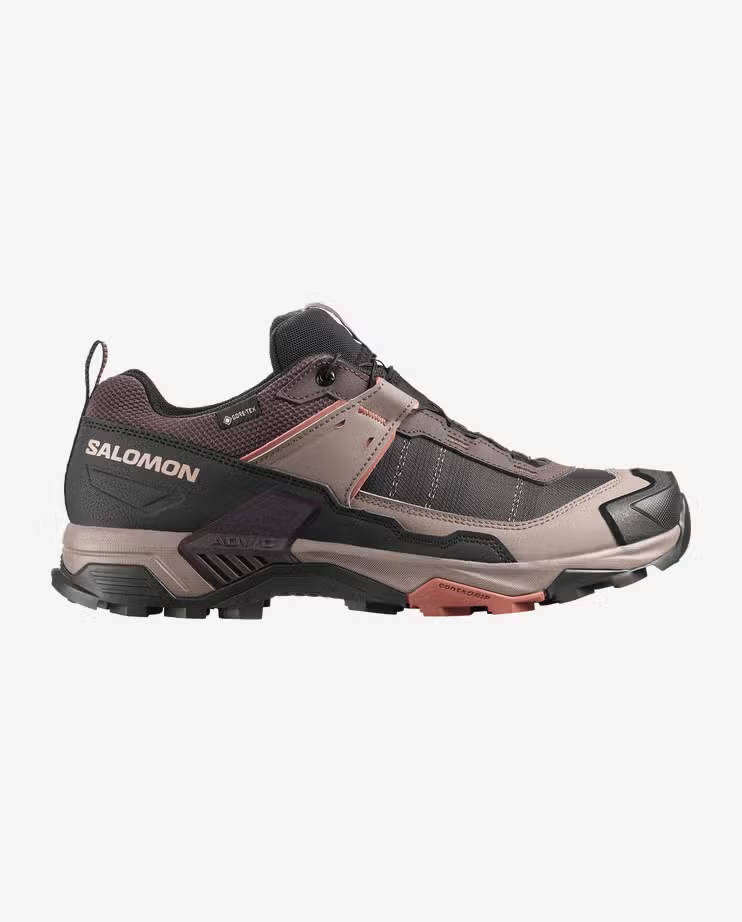
The Salomon X Ultra 5 GTX is my top overall pick, while the Saucony Peregrine 16 suits hikers who want to move fast without boot bulk. I learned how much fit matters after spending three days hobbling through the Highlands, my toes hitting the front of my shoes on every descent. The shoes weren’t bad; they were just too small. Feet swell on long treks, so buy a half size bigger than your street shoes, or a full size for big mileage.
That’s the biggest lesson I can give you about the Best Walking & Hiking Footwear . The rest of this post covers picks, materials, and how to buy without getting stuck with a pair that doesn’t work.
What to Look for in a Lightweight Hiking Shoe
Here’s the thing: picking the lightest shoe on the shelf is a trap. A shoe can feel like nothing in your hand and still let your foot twist on a wet root. If you’re looking for a lightweight shoe, make sure it still has enough torsional rigidity to keep your ankle out of trouble, plus grip and some protection underfoot.
If you’re new to hiking, I’d start with a mid-cut. Ultralight trail-running footwear looks tempting, but it gives your joints less backup on uneven ground, and thin support is how people end up with chronic overuse injuries. Let your legs adapt first. Go lighter later.
Hiking Shoes and Trail Shoes
Hiking shoes and trail shoes are designed for different priorities, though the categories overlap. Hiking shoes generally emphasize underfoot protection and stability on uneven terrain, while trail-running shoes prioritize a lighter feel and flexibility for moving quickly.
Some trail runners work well for hikes, especially on less rugged routes, but lighter construction can mean less protection from rocks and roots. The right choice depends on the terrain, your pace, and how much support feels comfortable.
For rough ground or a heavier pack, a more structured hiking shoe may feel more secure; for faster outings, a trail-running shoe may feel less bulky.
Materials
Waterproof isn’t water-resistant. Gore-Tex and similar membranes block moisture completely. Water-resistant fabric handles dew and a short sprinkle, then soaks through. Know which one you’re buying.
Synthetics dry fast and breathe well, so they suit hot, dry places. Full-grain leather shrugs off abrasion and sheds water naturally, but it takes longer to break in. And if you’re crossing mud or loose scree, the sole pattern and lug depth matter more than the upper.
Fit is the most personal part. If you have wide feet, a slightly heavier shoe with a roomy toe box will beat an ultralight one that pinches your forefoot. Pinching turns into friction, and friction ends trips.
For a benchmark on weight, the Oboz Katabatic comes in at 12.7 oz, which is hard to beat for what you get.
Best Lightweight Hiking Shoes: Salomon X Ultra 5 and More
My top overall pick is the Salomon X Ultra 5 GTX ($175). It’s waterproof and supportive enough for mixed trail conditions, which is why it’s the one I’d tell most people to try first.
Trail Runners for Fast, Long-Distance Hikes
If you’d rather move fast, the Saucony Peregrine 16 ($150) is a proper trail-running platform built for long distances, without boot bulk.
Other picks:
- Technical terrain: La Sportiva Ultra Raptor III ($169)
- Fast missions: La Sportiva Prodigio 2 ($170)
- Wide feet: Keen Targhee IV Waterproof
- Narrow feet: Scarpa Ribelle Cross 2 ($159)
- Budget: ASICS Gel Venture 11 (under $100). The Columbia Crestwood also lands under $100.
Foot shape matters more than brand loyalty. Scarpa runs narrow, Keen gives you volume. Buying the wrong shape is the most common way people end up with shoes that restrict how their foot moves.

Some conditions call for something more specific. The HOKA Anacapa 2 Low GTX ($180) pairs good traction with waterproofing. The On Cloudrock Low Waterproof ($200) is built for cold, damp weather. And the La Sportiva Spire GTX is a hiking boot-shoe hybrid with the durability of heavier gear at a lighter weight, which suits rugged routes and steep descents.
The Merrell Moab Speed 2 is another solid foundation if you want something proven.
Before the trip: do the boring stuff
Break your shoes in. Wear them around the house, then on short walks. Blisters can end a multi-day hiking trip on day one, and no amount of modern softness in the materials fixes a pair you’ve never worn.
A few checks before you commit:
Toe room. Your toes should wiggle freely. That keeps circulation up and saves your toenails on steep descents. Measure your feet at the end of the day, when they’re at their biggest.
Socks. Test with the exact socks you’ll wear on the trip. Thickness changes the internal volume more than you’d expect.
Pressure points. Walk on a treadmill or a clean carpeted floor and see where it rubs.
Where you buy matters
Where you buy matters because return policies vary: some retailers accept worn shoes, while others require returns to be unused or factory fresh.
Say you buy the Hoka Speedgoat 7 ($165) and a few miles in, the arch support just doesn’t suit your foot. Hoka’s “Fly for 30” guarantee lets you return shoes within 30 days for a refund or exchange, even if you’ve worn them on the trail. That takes most of the risk out of trying a new brand.
| Retailer | Standard return window | Member benefit | Condition |
|---|---|---|---|
| REI | 90 days | 365 days | Unused |
| Hoka | 30 days | 60 days | Worn OK (Fly for 30) |
| Backcountry | 90 days | 365 days | Unused |
| La Sportiva | 30 days | N/A | Factory fresh |
| KEEN | 30 days | N/A | New/unworn |
REI’s 365-day window is for Summit Club+ members, with proof of purchase.
Check return shipping too. Backcountry waives its $8.99 flat-rate label fee if you take store credit instead of cash.
Warranties are a separate safety net, and they cover manufacturing defects, not wear and tear. KEEN gives you one year from purchase. If you order from Hike Footwear, report transit damage within 5 days, with photos. La Sportiva is stricter: factory-fresh returns only, and warranty claims go through a manual review that’s entirely at their discretion.
Quick answers
What’s the difference between waterproof and water-resistant?
Waterproof shoes with membranes like Gore-Tex block moisture completely. Water-resistant ones handle splashes and brief rain, then eventually soak through.
Why size up?
Feet swell on long hikes. A half or full size of extra room keeps your toes from jamming and gives blisters less to work with.
Do I really need to break them in?
Yes. New shoes need time to mold to your feet, and skipping this step is how a good trip turns miserable.
What should beginners look for?
Support first. A mid-cut with some structure beats a featherweight shoe while your legs learn uneven terrain.
Go measure your feet tonight. Then order from somewhere with a generous return window, and walk the shoes around your neighborhood before they ever see a trail.
More Hiking Shoe Questions
Which is better, Merrell or Hoka?
Neither is better for everyone; the right choice depends on fit and the kind of hiking you do. A more structured shoe may suit rougher routes, while a softer, lighter-feeling option may appeal on longer days with a light pack.
The article’s picks reflect different priorities rather than a single winner. Try shoes with your hiking socks and check for toe room and pressure points, since a comfortable fit can matter more than the brand.
Are waterproof lightweight hiking shoes necessary?
No, waterproofing is not necessary for every hike. It can help on routes where you regularly expect rain, puddles, or wet ground, but waterproof membranes can feel less breathable than non-waterproof uppers.
For hot, dry conditions, a more breathable shoe may be more comfortable. Think about the weather and trail conditions you usually encounter, then balance keeping water out against ventilation and drying time.
Common Mistakes When Choosing Hiking Shoes
- Choosing the best lightweight hiking shoes based on appearance instead of fit, support, and intended use.
- Buying shoes that are too small, leaving insufficient room for toes to move on downhill sections.
- Assuming hiking shoes should feel comfortable without trying them on with hiking socks.
- Skipping the break-in period before a long hike.
- Choosing waterproof shoes for every climate, even when breathable footwear would be more comfortable in hot, dry conditions.
- Overlooking outsole grip and tread, which are essential for traction on the terrain you hike.
- Assuming lightweight shoes provide the same ankle support and protection as hiking boots.
- Ignoring the shape of your feet, including arch height, width, and heel fit.
- Failing to check that the shoes suit the weight of your pack and the difficulty of your hikes.
- Replacing worn-out shoes only after their cushioning or traction has already deteriorated.
Here’s the thing: picking the lightest shoe on the shelf is a trap. A shoe can feel like nothing in your hand and still let your foot twist on a wet root. If you’re looking for a lightweight shoe, make sure it still has enough torsional rigidity to keep your ankle out of trouble, plus grip and some protection underfoot.
If you’re new to hiking, I’d start with a mid-cut. Ultralight trail-running footwear looks tempting, but it gives your joints less backup on uneven ground, and thin support is how people end up with chronic overuse injuries. Let your legs adapt first. Go lighter later.


