Skip to content


Why Food Tours are the Real Way to Experience France

Most travelers come to France dreaming of the food, but finding the “authentic” stuff isn’t as simple as picking a highly-rated bistro on your phone. To truly understand why the French treat dining as a cultural religion, you have to look past the tourist traps. That is where a great food tour changes everything.
UPDATE: 2026-10-08
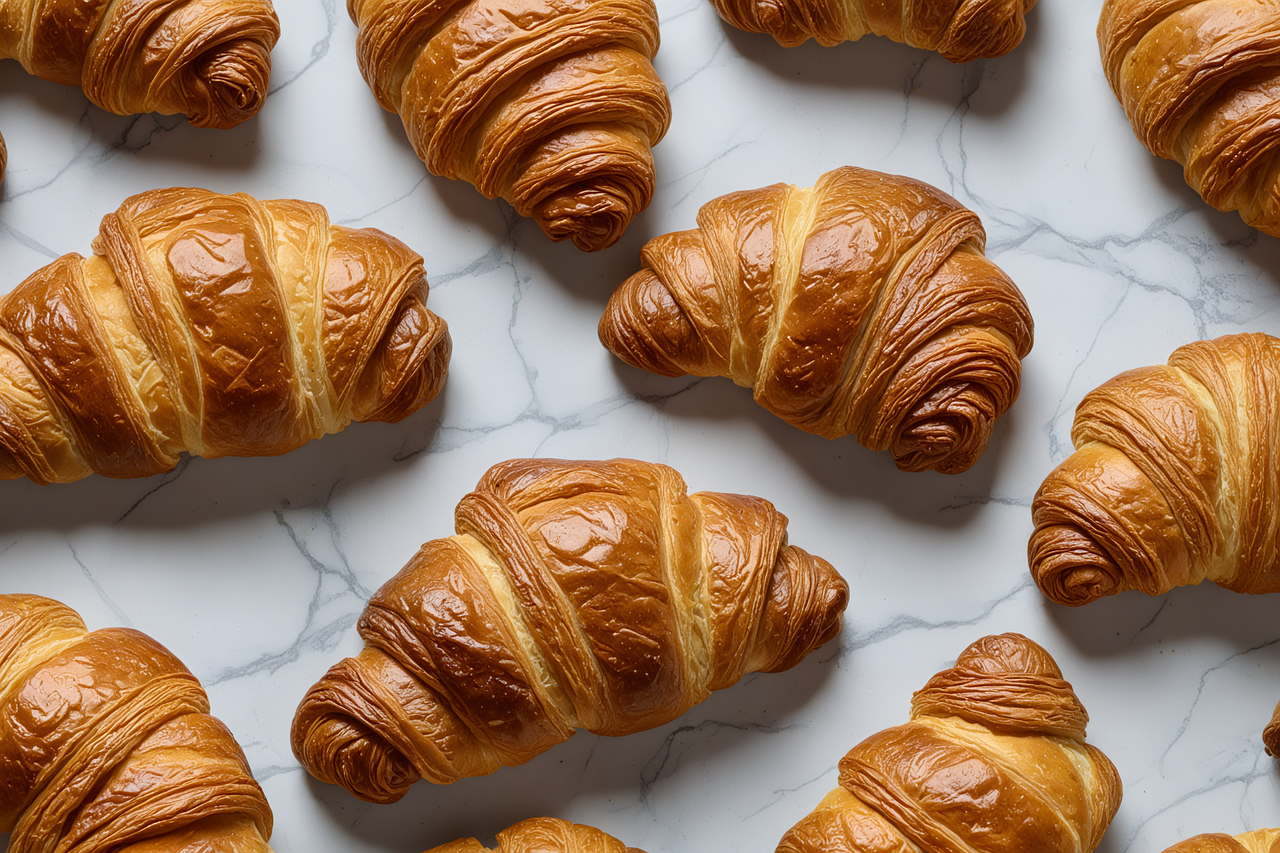
Whether you are waking up early to catch a baker pulling the first batch of croissants from the oven, sitting down with an expert to figure out which regional cheese actually pairs with a bold Bordeaux, or discovering a tiny neighborhood joint hidden away in a Parisian alley, these experiences give you an inside track. You get a direct line to centuries of local tradition and the passionate people keeping them alive.
The Ever-Changing Plate
French cuisine is a living history book, so much so that UNESCO actually protects it as an “intangible cultural heritage.” But there is no single definition of “French food.” The landscape changes completely depending on where you travel.
Hit the coast of Brittany and you will find tables stacked with fresh oysters and salted butter crepes. Head down toward Toulouse, and the menu shifts to slow-cooked, rich cassoulets.
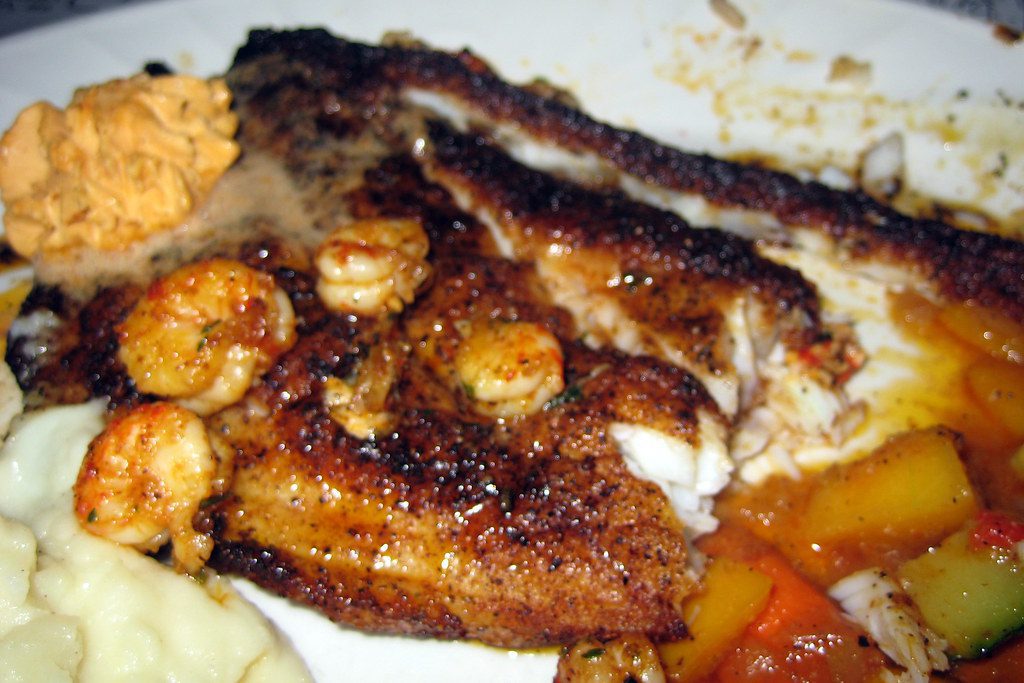
The center of this food culture is the local market. For generations, these open-air markets have served as the neighborhood living room. They change face with the seasons—vibrant green asparagus in the spring gives way to earthy truffles by autumn.
Shopping here is an interactive experience. It is about talking to the farmers, letting the cheesemonger pick out what is perfectly ripe for tonight, and learning how locals actually cook with what grows nearby.
Classic Food Tours with an Intimate Touch
If you want to wrap your head around French gastronomy, starting with a classic walking tour is a must. A great guide handles the heavy lifting, steering you away from the tourist traps and directly into the spaces where real culinary craftsmanship happens.
Paris Neighborhood Walks
The best way to see Paris is on foot, specifically through its historic food districts. Instead of rushing through major landmarks, these intimate walks focus on the neighborhood mainstays: the multi-generational patisseries, the dedicated chocolate makers, and the deeply aromatic fromageries.
Kept to small groups of around eight to ten people, these tours are less of a lecture and more of a conversation with the shopkeepers who make the city’s best croissants and macarons.
Deep Dives into Wine Country
Moving out into the countryside, a wine tour gets you past the locked gates of France’s historic estates. From the chalky cellars of Champagne to the sun-baked hills of Bordeaux, you get to skip the standard commercial tasting rooms.
Instead, you will find yourself walking through the vines with the winemakers themselves, learning how the specific soil alters the pour in your glass. Most of these day trips balance the tastings with luxury transport and a long, lazy lunch at a historic château.
Meeting the Artisans
While France is famous for its high-end Michelin stars, the soul of its food scene belongs to the independent artisans. These are the small-batch producers and family-run shops using techniques that have remained unchanged for hundreds of years.
Inside the Fromagerie
A dedicated cheese tour takes you behind the scenes, from the natural aging caves of Roquefort to the rolling dairy farms of Normandy. You will see exactly how raw milk transforms into world-class cheese, learning the patient art of curdling, washing, and aging that gives French cheese its legendary funk and flavor.
The Baker’s Secrets
In France, bread making is a protected art form. Stepping into the back room of an authentic boulangerie means breathing in the scent of fermenting yeast and woodsmoke.
Master bakers will show you that a perfect baguette isn’t just about flour and water—it is a lesson in patience, temperature control, and precise hand-kneading.
Once you have tackled the bread, you can dive into the precision world of pastry workshops to learn the delicate science behind a flawless, shattering eclair or a perfectly smooth macaron shell.
Artisanal Food Experiences
Despite France’s reputation for haute cuisine, the true essence of French gastronomy lies in its artisanal traditions.
You’ll discover a world where centuries-old techniques meet modern culinary innovation. From small-batch producers to family-run establishments, these experiences offer you an authentic taste of French food culture.
As noted in Food Tours in Paris – Rick Steves Travel Forum, you can explore hidden gems and local favorites that showcase the best of French craftsmanship.
Cheese Making Journeys
Food artisans across France invite you to witness the meticulous process of cheese-making.
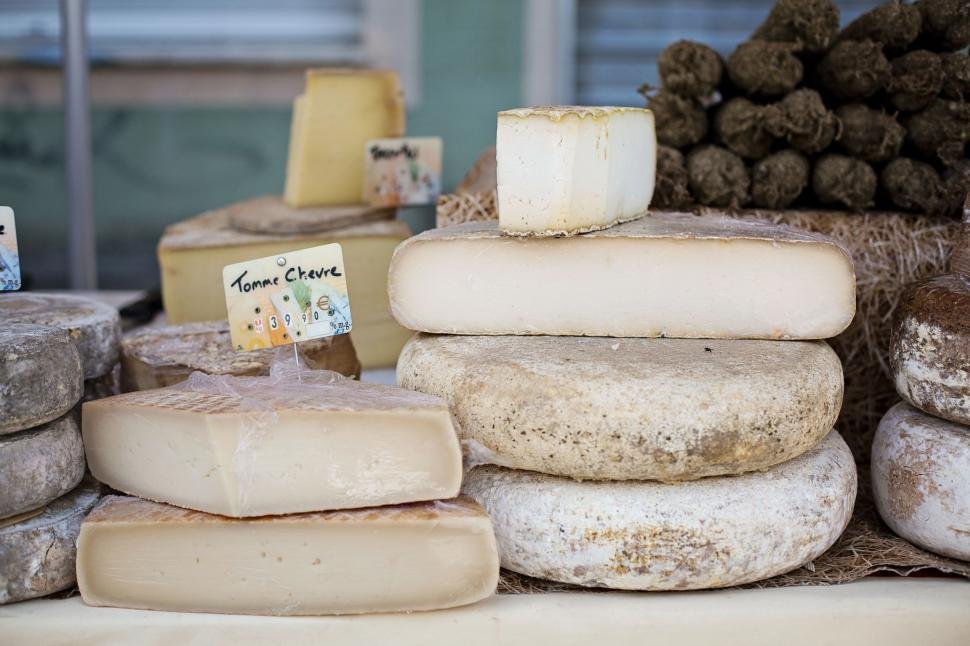
Your journey can take you from the caves of Roquefort to the dairy farms of Normandy, where you’ll learn traditional techniques passed down through generations.
These hands-on experiences allow you to participate in the cheese-making process, from curdling to aging, giving you a deeper appreciation for French cheese craftsmanship.
Bread and Pastry Discoveries
Among the most cherished French traditions, breadmaking stands as an art form.
You’ll find yourself in authentic boulangeries, where master bakers share their secrets of creating perfect croissants and crusty baguettes.
Your hands-on experience includes learning about different flour types, proper kneading techniques, and the importance of fermentation in French bread making.
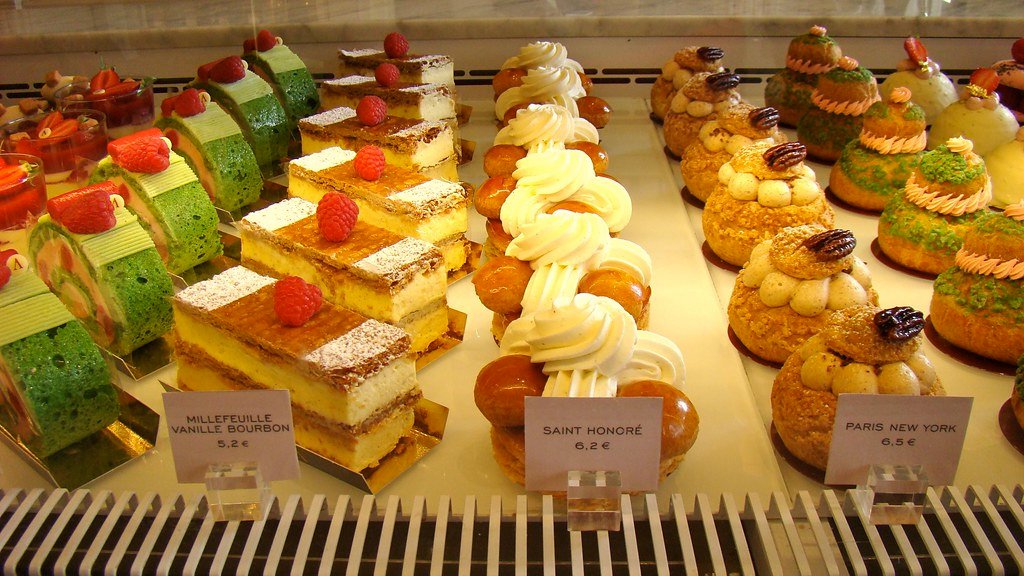
Hence, your pastry journey continues with opportunities to master the art of delicate French pastries.
You’ll discover how to create perfect macarons, eclairs, and tarts while learning about the precise measurements and techniques that make French pastries world-renowned.
These workshops often include tips about selecting the finest ingredients and understanding the science behind successful pastry making.
Hands-On Kitchen Workshops
If eating your way through a city isn’t enough, you can take those skills home with you. Immersive cooking classes bridge the gap between being a fan of French food and actually understanding how to create it.
Learning from the Masters
For a look at the absolute peak of the craft, you can step into professional kitchens to cook alongside Michelin-trained chefs. These sessions strip away the intimidation of haute cuisine, focusing on the sheer discipline, ingredient curation, and artful plating that defines top-tier French restaurants.
Back to the Basics
You don’t need a professional pedigree to make incredible food. Foundation classes focus on the building blocks of the French kitchen: master knife skills, the secrets to the classic mother sauces, and fundamental pastry techniques.
Because these classes are hands-on, you get immediate feedback as you cook. Mastering these basic steps gives you the confidence to recreate an authentic taste of France in your own kitchen, long after your flight home.
Hidden Culinary Gems
After exploring the famous restaurants and markets, you’ll discover that France’s true gastronomic treasures often lie off the beaten path.
These authentic culinary hideaways offer you a genuine taste of local life and regional specialties that many tourists miss.
Your food tour guide will lead you through narrow cobblestone streets to reveal these secret spots where locals dine.
Local Bistros and Brasseries
Hidden within charming neighborhoods, traditional bistros and brasseries serve as the backbone of French dining culture.
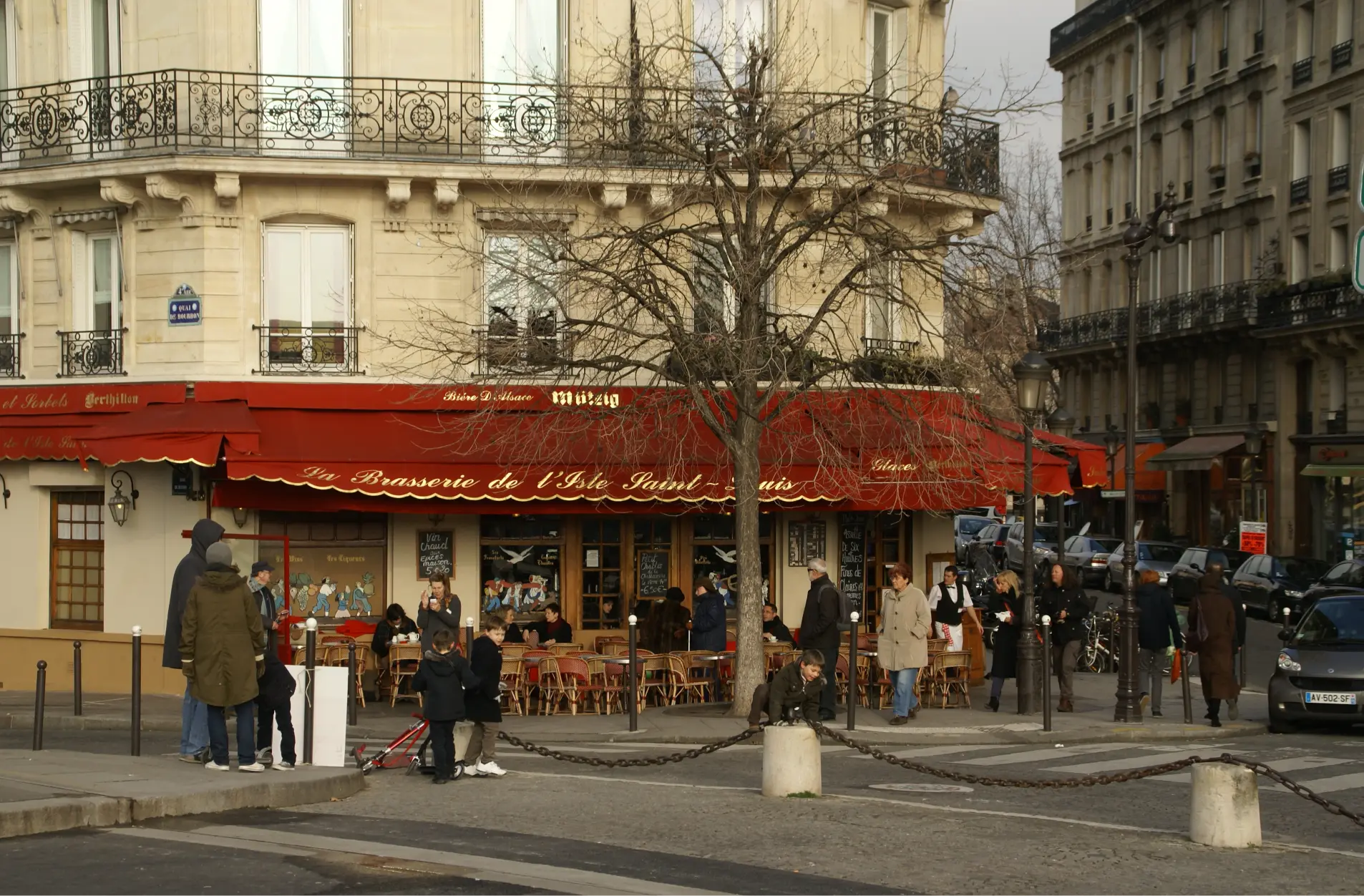
You’ll find intimate settings where daily specials are written on chalkboards, and the atmosphere buzzes with local energy.
These establishments offer you exceptional value while maintaining high culinary standards that France is famous for.
Family-Run Establishments
Along the winding streets of French towns, you’ll encounter generations-old family restaurants where recipes have been passed down through decades.
These treasured establishments give you an authentic glimpse into traditional French cooking methods and time-honored culinary secrets.
At these family-run venues, you can expect a warm welcome and personal attention that chain restaurants simply can’t match.
You’ll often meet the owners who take pride in sharing their heritage through their cuisine.
The menus typically feature seasonal ingredients sourced from local markets, and each dish tells a story of regional tradition and family history.
Wine and Food Pairings
For an authentic French culinary experience, understanding wine and food pairings is imperative for maximizing your gastronomic journey.
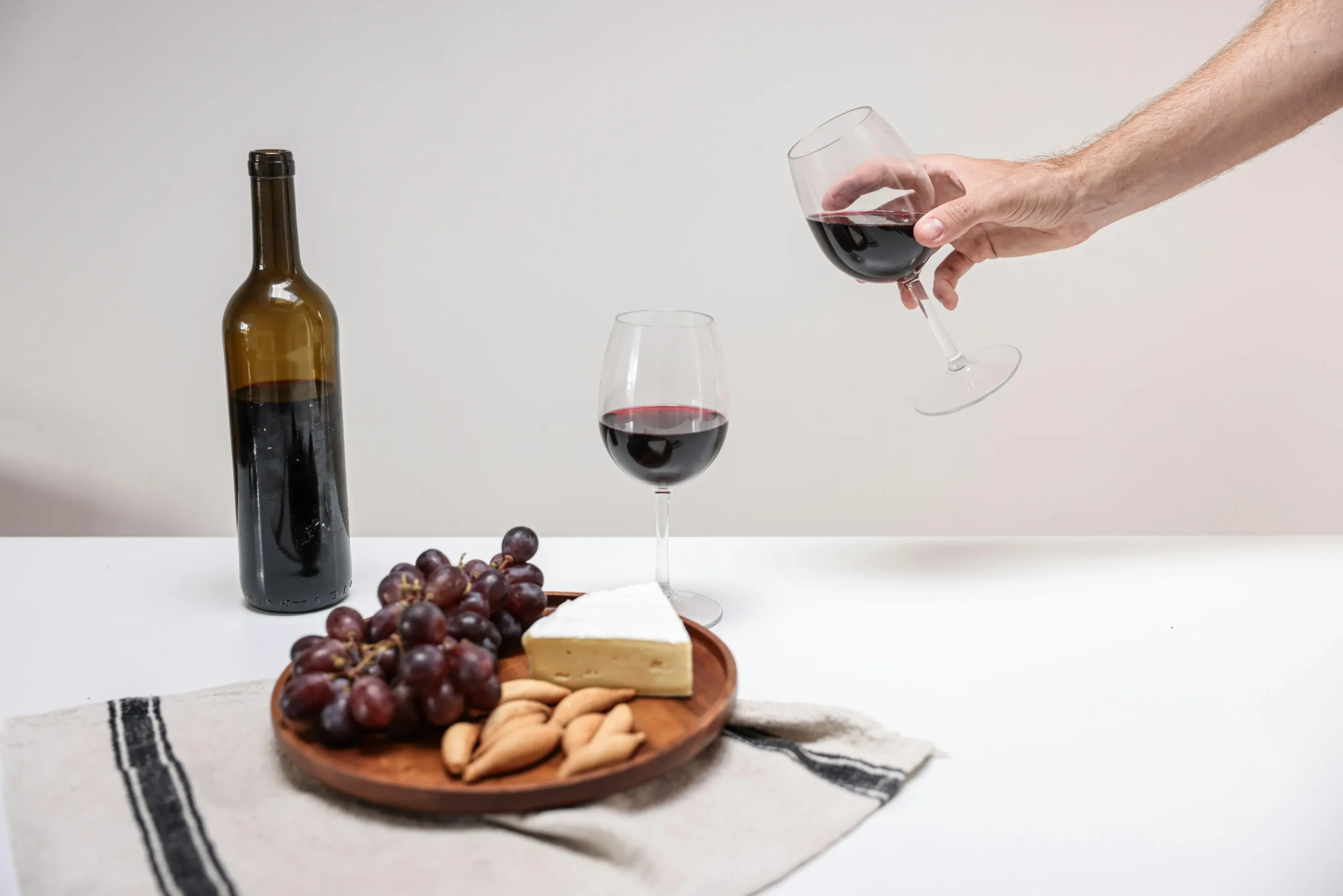
You’ll discover how regional wines complement local dishes, creating perfect harmony on your palate.
From robust Bordeaux with aged cheeses to crisp Loire Valley whites with seafood, each pairing tells a unique story.
Learn from expert sommeliers and chefs through The Best Food Tours in Paris: A Food Lover’s Guide to elevate your dining experience.
Regional Wine Routes
Against the backdrop of France’s diverse landscapes, you’ll find eight major wine regions offering distinctive tasting experiences.
Your journey can take you through the sun-drenched vineyards of Provence, the historic cellars of Burgundy, or the prestigious châteaux of Bordeaux.
Each route provides unique opportunities to meet vintners, learn traditional winemaking methods, and sample exclusive vintages not available elsewhere.
Champagne Tasting Tours
Below the rolling hills of northeastern France, you’ll discover the legendary Champagne houses of Reims and Épernay.
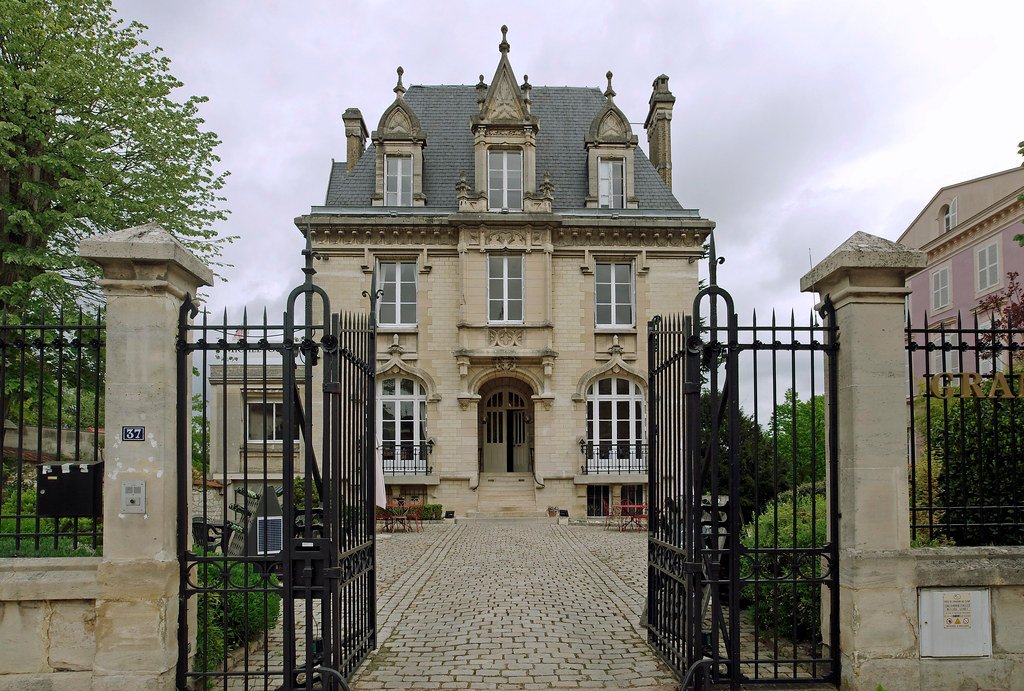
Your tour through these historic cellars reveals centuries-old traditions and modern production methods.
You’ll learn proper tasting techniques while sampling various cuvées, from prestigious vintage champagnes to boutique grower productions.
Even more captivating is the exclusive access you’ll gain to private champagne houses not typically open to the public.
Your experience includes learning about the méthode champenoise, exploring underground chalk cellars dating back to Roman times, and understanding the subtle differences between various champagne styles.
Be aware that some cellar stairs can be steep and slippery, so appropriate footwear is necessary.
Wrapping Up Your Culinary Adventure
Following this guide to French food tours will ensure you make the most of your culinary journey through France.
Whether you choose to explore the bustling markets of Paris, join cooking classes in Provence, or savor wine tastings in Bordeaux, you’ll discover authentic flavors that define French gastronomy.
By immersing yourself in these carefully curated experiences, you’ll gain insights into centuries-old traditions and modern innovations that make French cuisine extraordinary.
Your adventure through France’s food scene will leave you with unforgettable memories and a deeper appreciation for one of the world’s most celebrated culinary traditions.
FAQ
What are the most popular regions for food tours in France?
The top regions for culinary exploration include Paris, Burgundy, Provence, Loire Valley, and Bordeaux. Each area offers unique specialties – Paris for pastries and fine dining, Burgundy for wine and escargot, Provence for Mediterranean flavors, Loire Valley for cheese and wine, and Bordeaux for wine tasting and seafood.
How long do French food tours typically last?
Food tours in France range from 3-hour walking tours in cities to multi-day regional experiences. Short city tours usually include 6-8 food stops, while extended tours can last 5-7 days, combining cooking classes, market visits, wine tastings, and restaurant experiences across different locations.
What should I expect to pay for a food tour in France?
Prices vary significantly based on duration and location. City walking tours typically cost between €80-150 per person, while full-day experiences range from €200-400. Multi-day luxury tours can cost €2,000-5,000, including accommodation, transportation, and multiple dining experiences.
What dietary restrictions can be accommodated on French food tours?
Most tour operators can accommodate vegetarian, gluten-free, and dairy-free diets with advance notice. However, vegan options might be limited in traditional French cuisine. It’s important to communicate dietary requirements when booking, as many operators can customize tours to meet specific needs.
When is the best time to book a food tour in France?
Spring (April-June) and fall (September-October) offer the ideal conditions for food tours. These seasons provide comfortable weather for walking tours, access to fresh seasonal produce, and fewer tourists. Summer months are popular but crowded, while winter tours can showcase unique seasonal specialties like truffles and hearty stews.