Skip to content

Top 7 Unforgettable Day Trips from Munich for Every Traveler

Your Ultimate Guide to Unforgettable Bavarian Adventures
Fully Updated: March 2026
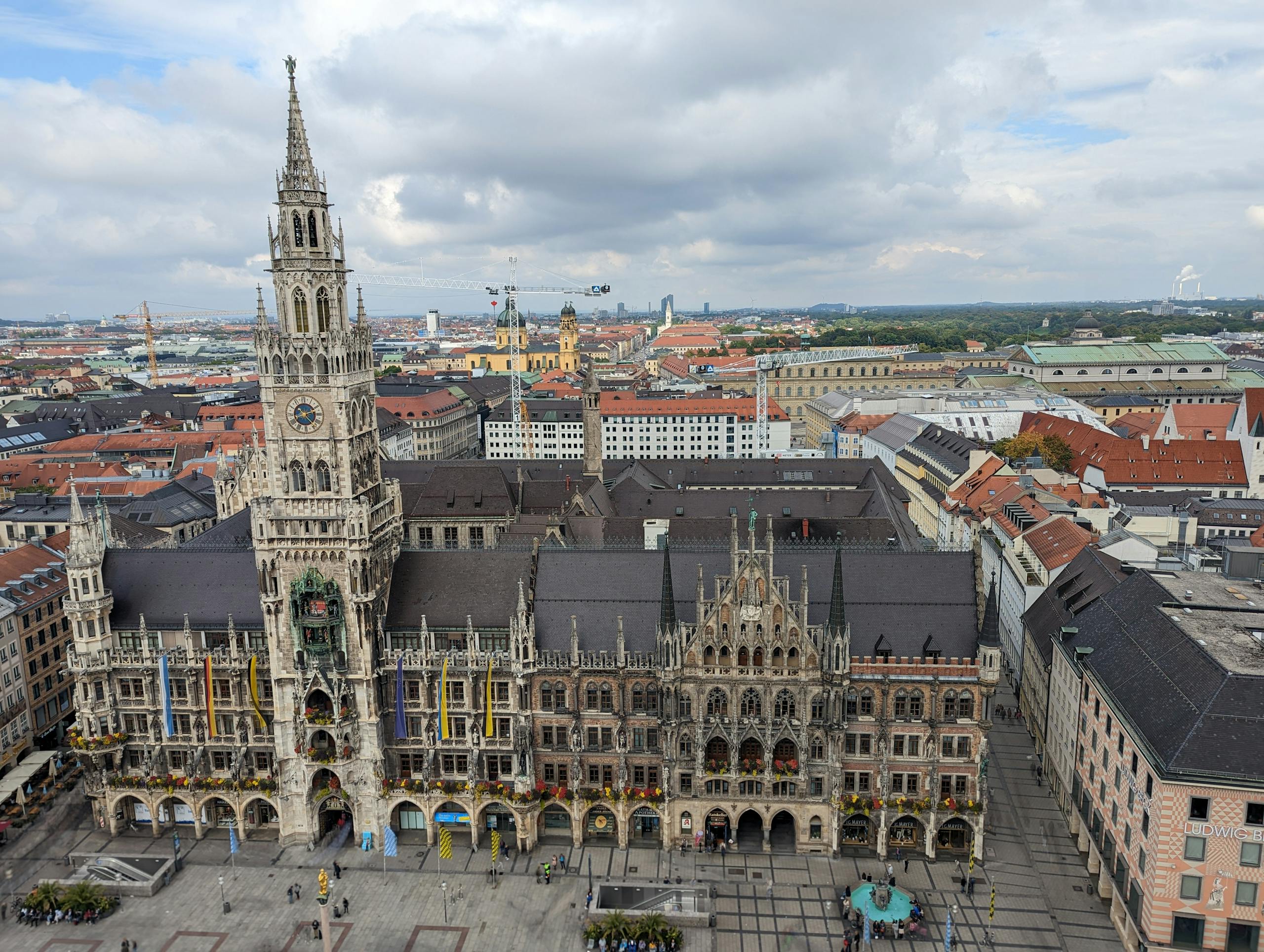
Munich, the vibrant capital of Bavaria, serves as one of Europe’s finest gateways to extraordinary day-trip destinations. Whether you’re drawn to fairy-tale castles, alpine summits, UNESCO-listed cities, or sobering WWII memorials, the region delivers an astounding variety of experiences — most within just one to two hours by train. This guide has been comprehensively updated for 2026 with the latest admission prices, transport costs, new UNESCO designations, and insider advice to help you make the most of every excursion.
Why Take Day Trips from Munich?
Diversity of Landscapes: Bavaria’s terrain shifts dramatically—from snow-capped Alps to serene glacial lakes, dense pine forests, and rolling meadows all within an hour or two of the city centre.
Rich Historical Heritage: Explore perfectly preserved medieval towns, opulent royal palaces, and some of Europe’s most important WWII memorial sites, each revealing a different chapter of Bavaria’s complex history.
Exceptional Convenience: Germany’s famously efficient rail network connects Munich to most top destinations in 1–2 hours. The Bayern Ticket (€34/day in 2026 for one person, +€10 per additional traveler, up to five total) unlocks unlimited regional train, S-Bahn, U-Bahn, tram, and bus travel across Bavaria—arguably the best value day-trip pass in Europe.
1. Neuschwanstein Castle — Now a UNESCO World Heritage Site
Why Go: In July 2025, Neuschwanstein Castle received the distinction it had long deserved: UNESCO World Heritage status, inscribed alongside three other King Ludwig II palaces —Linderhof, Herrenhausen, and the King’s House on Schachen.

Built between 1869 and 1892, this extraordinary 19th-century palace perches dramatically on a rugged Alpine hill above Hohenschwangau village. Its iconic silhouette directly inspired Walt Disney’s Sleeping Beauty Castle design, making it arguably the world’s most recognizable castle. It now welcomes nearly 1.5 million visitors a year.
Getting There
| By Train | Take a regional train from Munich Hauptbahnhof to Füssen (~2 hours). With the Bayern Ticket (€34 solo or split among your group), the entire journey —including the connecting bus to Hohenschwangau — is covered. Trains depart roughly every hour. |
| By Car | Approximately 1.5–2 hours via the A96/A7 motorway through picturesque Bavarian countryside. |
| On Site | From the bus stop at Hohenschwangau, it is a 30–40-minute uphill walk to the castle entrance, or you can take a shuttle bus or horse-drawn carriage (both paid separately; cash preferred). |
Admission & Tours (2025/2026)
| Neuschwanstein only | All visits are guided and last 30–40 minutes. Your ticket shows a timed entry —arrive at the castle entrance 10–15 minutes early or your slot is forfeited. |
| King’s Ticket combo | Combines Neuschwanstein + Hohenschwangau Castle on the same day. Approximately €30–35. Budget at least 2–3 hours between timed entry slots. |
| Tour duration | All visits are guided only and last 30–40 minutes. Your ticket shows a timed entry —arrive at the castle entrance 10–15 minutes early or your slot is forfeited. |
| Photography | Photography is not permitted inside the castle. |
Must-Do Highlights
- Guided Tour: Explore the Throne Hall (a gold-and-blue Byzantine masterpiece), the Singer’s Hall (modelled on Wartburg Castle), and the elaborate royal bedchamber filled with intricate wood carvings.
- Marienbrücke Bridge: A 15–20-minute walk from the castle entrance leads to this suspended bridge spanning the Pöllat Gorge—offering the iconic postcard view. Check out the official website before visiting, as the bridge occasionally closes for weather or safety reasons.
- Hohenschwangau Castle: King Ludwig’s childhood home, directly opposite Neuschwanstein, provides a fascinating companion visit and adds important context to Ludwig’s life and inspirations.
✦ Insider Tip
Book tickets online 2–3 months in advance — Neuschwanstein regularly sells out, sometimes within minutes of same-day tickets being released at 8 AM. The UNESCO designation has intensified demand. Arrive before the ticket center opens (8 AM) if you're buying it on that day. The Pöllat Gorge trail was still closed in early 2025 due to rockslides—check the official hohenschwangau.de website for current trail and bridge conditions before your visit.
2. Salzburg, Austria — Mozart’s Baroque Masterpiece
Why Go: Just 1.5 hours from Munich across the Austrian border lies Salzburg, a UNESCO World Heritage city nestled between the Eastern Alps and the Salzach River.

Salzburg is a rewarding half-day or full-day excursion from Bavaria, serving as both a musical pilgrimage (with Mozart’s birthplace and Sound of Music filming locations) and an architectural treasure.
Getting There
| By Train | Regional trains from Munich Hauptbahnhof to Salzburg run approximately every hour (~1.5 hours travel time). The Bayern Ticket covers this cross-border route on Bayerische Regiobahn (BRB) regional services — excellent value at €34/person for a full day. Alternatively, standard return fares are approximately €30–50. |
| Documents | Salzburg is in Austria. EU citizens can travel with a national ID card. Non-EU citizens (including UK, US, Canadian) must carry a valid passport. Border checks are infrequent but possible. |
Admission & Highlights
| Mozart’s Birthplace | Free to visit. The manicured formal gardens featured in The Sound of Music’s ‘Do-Re-Me’ sequence, with views toward the fortress and Alps. |
| Hohensalzburg Fortress | One of the largest and best-preserved medieval castles in Europe, perched above the old town. Reached by funicular. Comprehensive entry (including funicular + museum) runs approximately €15–16 for adults. |
| Mirabell Palace Gardens | Consider the 24-hour (€33), 48-hour (€44), or 72hr (€52) Salzburg Card for free entry to all major attractions, including the fortress, Mozart museums, and unlimited public transport — excellent value for a full day. |
| Salzburg Card | Consider the 24-hour (€33), 48-hour (€44), or 72hr (€52) Salzburg Card for free entry to all major attractions including the fortress, Mozart museums, and unlimited public transport — excellent value for a full day. |
✦ Insider Tip
The Bayern Ticket covers your train journey all the way to Salzburg Hauptbahnhof — a genuinely exceptional deal that saves you 50%+ on standard fares. For Sound of Music fans, dedicated guided tours depart from both Munich and Salzburg daily. And if you visit Café Tomaselli on the old town's main square — one of Austria's oldest coffee houses, founded in 1700 — know that Mozart was a regular. Try the Salzburger Nockerl (a mountain-shaped soufflé dessert) for a true local experience.
3. Dachau Concentration Camp Memorial Site
Why Go: Located just 25 minutes from Munich by S-Bahn, Dachau was Germany’s first Nazi concentration camp, established in 1933. A visit here is not easy, but it is essential — a place of historical reckoning that attracts over 800,000 visitors annually.

The memorial site stands as a permanent reminder of the importance of confronting difficult history and preserving its lessons for future generations.
| By S-Bahn | Take the S2 line from Munich Hauptbahnhof or Marienplatz toward Petershausen. Exit at Dachau station (~20 minutes). Then take bus 726 or 724 to the memorial. Total journey approximately 45 minutes. Covered by the Bayern Ticket. |
| Admission | Entry to the memorial is free. English audio guide: €4. Free guided English-language tours run daily at 11 AM and 1 PM (no booking required — arrive early as these fill quickly). Tours last approximately 2.5 hours. |
| Opening Hours | Open Tuesday–Sunday, 9 AM–5 PM. Closed Mondays and certain public holidays. Last entry 4 PM. |
What to See
- The main exhibition in the former maintenance building traces the camp’s entire history from 1933 to liberation in 1945 through survivor testimonies, photographs, and artefacts.
- The reconstructed barracks and roll-call square convey the scale of the site.
- The memorial’s religious monuments — representing different faiths of those imprisoned — stand near the crematorium.
- The International Memorial sculpture at the entrance is a powerful work by Nandor Glid (1968).
✦ Insider Tip
This site demands appropriate reverence throughout your visit. Photography is permitted in most areas for educational purposes, but selfies and posed photographs are not appropriate. Allow at least 3 hours, and be prepared for an emotionally demanding experience. Many visitors find it helpful to read background material before visiting.
4. Zugspitze — Summit of Germany
Why Go: At 2,962 metres (9,718 feet), the Zugspitze is Germany’s highest peak, offering 360-degree panoramas across four countries — Germany, Austria, Switzerland, and Italy.

The journey to the summit involves a combination of historic cogwheel train and modern cable car, making the ascent itself a memorable experience.
| By Train + Cable Car | Take a regional train from Munich Hauptbahnhof to Garmisch-Partenkirchen (~90 minutes, covered by Bayern Ticket). From Garmisch, choose between the historic Bayerische Zugspitzbahn cogwheel train or the Eibsee Cable Car for the summit ascent. Note: the Bayern Ticket only covers the valley section of the cogwheel train (Garmisch to Grainau) — show your Bayern Ticket at the summit railway ticket office for a discount on the mountain ticket. |
| Summit Ticket (2025) | Adult round-trip ticket: approximately €75. Youth (16–18): €60. Children (6–15): €37.50. Children under 6 are free. Tickets are date-specific — check the weather forecast before booking, as refunds for bad weather are not available. Book online at zugspitze.de. |
| Best Strategy | Take the cogwheel train up (scenic, through mountain tunnels, via the Zugspitze plateau and glacier) and descend on the Eibsee Cable Car for the most dramatic views. The Zugspitze Round Trip ticket covers all modes. |
Must-Do Highlights
- Eibsee Lake: The brilliant turquoise alpine lake at the base of the mountain is stunning in its own right. The 7km circular hiking trail around it is moderate and offers spectacular reflections of the summit.
- Summit Cross & Views: The golden summit cross marks Germany’s highest point. On clear days, you can see the Inn Valley, the Zugspitz Arena, and peaks reaching into Switzerland. Even in summer, bring warm and windproof layers — temperatures at the summit are typically 15–20°C colder than in Garmisch.
- Zugspitze Plateau: The glacier platform at 2,600m has restaurants, a small glacier, and walking paths. On summer days, children can sled here.
- Year-Round Skiing: The Zugspitze glacier operates ski slopes from November through April. A daily ski pass runs approximately €55–65.
✦ Insider Tip
Check the live Zugspitze webcam at zugspitze.de before departing Munich — mountain visibility changes rapidly, and a cloudy summit negates the main reason for going. Clear-sky conditions are most reliable in the early morning. Weekdays outside German school holidays are significantly less crowded. Note that the cable cars and cogwheel train occasionally close for scheduled maintenance — always verify on the official website.
5. Rothenburg ob der Tauber — Living Medieval History
Why Go: Rothenburg ob der Tauber is one of the world’s best-preserved medieval walled towns. Its half-timbered houses, cobblestone streets, and fully intact city fortifications look exactly as they did in the 14th century — an extraordinary feat of preservation.

Despite being slightly further from Munich than other destinations on this list, the reward is enormous for history and architecture enthusiasts.
| By Train | Approximately 2.5–3 hours from Munich, typically with one change (often at Steinach b. Rothenburg). Standard return fare approximately €35–45. The Bayern Ticket covers this route. |
| By Car | Approximately 2.5 hours via the A9 and A6. Driving allows you to combine Rothenburg with nearby Dinkelsbühl (see Insider Tip below). |
Must-Do Highlights
- Night Watchman Tour: Widely regarded as one of Germany’s best free walking experiences, the charismatic Night Watchman leads lantern-lit evening tours through Rothenburg’s atmospheric streets, sharing stories of medieval plagues, fires, and the Thirty Years’ War.
Departures nightly at 8 PM, April–December. Free entry (tips appreciated). Arrive early — this genuinely fills up.
- Walk the City Walls: Rothenburg’s entire town walls are walkable and offer a unique perspective on the roofline and surrounding landscape. Free to access.
- Käthe Wohlfahrt Christmas Museum: Year-round Christmas museum and shop. Museum entry approximately €4–6. Even if Christmas isn’t your thing, the craftsmanship is genuinely impressive.
- Reiterlesmarkt Christmas Market: If visiting in December, Rothenburg’s Christmas market — one of Germany’s oldest, dating to the 15th century — transforms the medieval square into a magical winter scene. Arrive on a weekday to avoid overwhelming crowds.
✦ Insider Tip
Rothenburg can be combined with Dinkelsbühl — a smaller, quieter medieval town about 30km south — if you have a car or start very early. Both towns are on Germany's Romantic Road (Romantische Strasse), a scenic route connecting Würzburg to Füssen that makes for an outstanding multi-day driving itinerary.
6. Innsbruck, Austria — Capital of the Alps
Why Go: The capital of Austria’s Tyrol region is a compact, walkable city where baroque old town streets exist in the literal shadow of the Alps.

Twice an Olympic host city (1964 and 1976), Innsbruck combines world-class mountain access with genuine historical depth — the Golden Roof, the Imperial Palace, and Zaha Hadid’s award-winning cable car stations all within a short walk of each other.
| By Train | Scenic regional train journey of approximately 2 hours from Munich, passing through spectacular mountain landscapes. Standard return approximately €40–55. A regional day ticket for the Werdenfelser Land + Innsbruck route (€38/person from DB) covers both the Munich–Garmisch and Garmisch–Innsbruck legs on participating regional trains. |
| Documents | Innsbruck is in Austria. EU citizens need a national ID card; non-EU citizens need a valid passport. |
Must-Do Highlights
- Nordkette Cable Car: Three stages carry you from the Congress station in Innsbruck’s old town — via Zaha Hadid-designed funicular stations — to Hafelekar at 2,256m in under 30 minutes. Current round-trip adult price is approximately €49–61, depending on season.
The Innsbruck Card (24hrs: €59, 48hrs: €72, 72hrs: €84) includes one ascent/descent plus all major city attractions and public transport — excellent value for a full day.
- Golden Roof (Goldenes Dachl): The Habsburg-era landmark in the heart of the old town, covered in 2,657 fire-gilded copper tiles, is free to view from the street. The adjacent museum is approximately €5 to enter.
- Imperial Palace (Hofburg): One of Austria’s finest examples of baroque architecture. Admission is approximately €8.
- Alpine Zoo (Alpenpark): Situated at 750m altitude, this is Europe’s highest-altitude zoo. Combo tickets with the Nordkette funicular are available.
✦ Insider Tip
The walk from Innsbruck Hauptbahnhof to the Nordkette funicular Congress station takes about 15 minutes through the old town — a lovely introduction to the city. At the Nordkette top station, the 360-degree panorama over Innsbruck and the Karwendel range is spectacular. For Tyrolean cuisine, try Tiroler Gröstl (pan-fried potatoes, bacon, and egg) at one of the old town's traditional Gasthauser.
7. Berchtesgaden & Eagle’s Nest — Alpine Landscapes, Dark History
Why Go: Berchtesgaden, nestled in Bavaria’s far southeastern corner near the Austrian border, combines some of Germany’s most dramatic Alpine scenery with one of its most significant WWII historical sites.

The juxtaposition of natural beauty and sobering history makes this one of the most thought-provoking day trips from Munich.
| By Train | Take a regional train from Munich Hauptbahnhof toward Freilassing (~1.5 hours), then change for Berchtesgaden (~40 minutes). Total journey approximately 2–2.5 hours. The Bayern Ticket covers this entire route. |
| By Bus/Coach | Multiple tour operators, including Autobus Oberbayern, run direct day-trip coaches from Munich. These typically include a guide and make logistics simpler, especially for first-time visitors. |
Eagle’s Nest (Kehlsteinhaus)
The Kehlsteinhaus (as it is known in German — always use this name when asking for directions) sits at 1,834 metres above Obersalzberg.
Built in 1938 as a retreat for senior Nazi officials, it now operates as a restaurant and historical site rather than any kind of memorial to the Nazi regime. The building itself is architecturally fascinating, and the views are extraordinary.
| Access & Ticket | Open mid-May to late October only (weather permitting). First buses depart around 8:30 AM; last buses around 4 PM. Plan to arrive at Obersalzberg no later than 2 PM to have a meaningful time at the summit. |
| Season | Open mid-May to late October only (weather permitting). First buses depart around 8:30 AM; last buses depart around 4 PM. Plan to arrive at Obersalzberg no later than 2 PM to have a meaningful time at the summit. |
Other Highlights
- Lake Königssee: This stunning emerald lake enclosed by vertical mountain walls is served by electric boats (no combustion engines are permitted on the lake). A return boat journey to the St. Bartholomä Chapel costs approximately €20 for adults. Boat captains demonstrate the lake’s famous echo by sounding a flugelhorn. One of Bavaria’s most beautiful natural landmarks.
- Berchtesgaden Salt Mines: Visitors don miner’s clothing and descend into the mountain via wooden slides and underground boat rides on a salt lake. Admission is approximately €20 for adults. A great family-friendly activity that pairs well with the Eagle’s Nest for a full day.
- Documentation Centre Obersalzberg: A museum thoroughly documenting the history of the Nazi regime’s headquarters on Obersalzberg, including original bunker tunnels. Essential for historical context. Admission is approximately €10.
✦ Insider Tip
An important warning for drivers: some GPS routing from Garmisch-Partenkirchen to Berchtesgaden briefly crosses into Austria on the A8 motorway. If your car rental agreement prohibits international travel, use the B20/B305 route entirely within Germany. Several visitors have received unexpected fines from rental companies for this crossing. Always verify your route in advance.
Bonus: Andechs Monastery — Bavaria’s Holy Mountain
Why Go: For a gentler, more contemplative half-day, the Benedictine monastery of Andechs — perched on a forested hill above Ammersee Lake — offers one of Bavaria’s most authentic cultural experiences.
The combination of genuine medieval pilgrimage history, Baroque church architecture, and the monks’ world-renowned brewery makes this a uniquely Bavarian outing.
| By S-Bahn + Walk | Take the S8 line from Munich Hauptbahnhof to Herrsching am Ammersee (~1 hour, covered by Bayern Ticket). From Herrsching station, it’s a lovely 30-minute walk through beech forests and meadows to the monastery. The walk itself is a highlight. |
| Beer Garden | The monastery’s hillside beer garden serves Andechs Doppelbock Dunkel and Spezial Hell — among Germany’s finest monastic beers — in traditional stone steins. A half-litre costs approximately €5. |
| Best Day to Visit | Weekdays to avoid weekend crowds. Arrive at opening (10 AM) to experience the monastery quietly before tour groups arrive. |
✦ Insider Tip
Andechs pairs beautifully with a walk along the Ammersee. If the weather is fine, the lake views from the monastery terrace are superb. Sundays at 9 AM, the monks celebrate a Solemn Mass in the Baroque pilgrimage church — an atmospheric, centuries-old tradition.
Practical Tips for Day Trips from Munich
Transport: The Bayern Ticket Explained
The Bayern Ticket (€34 for one person in 2026, plus €10 per additional person, up to five total) is your single most valuable tool for day-tripping from Munich.
It covers unlimited travel from 9 AM to 3 AM the following morning on weekdays (from midnight on weekends and public holidays) on all regional trains (RE, RB), S-Bahn, U-Bahn, trams, and almost all buses throughout Bavaria — including cross-border routes to Salzburg and Kufstein in Austria.
Children aged 6–14 travel free (up to three per adult). Available online at bahn.de, at DB ticket machines, and via the DB Navigator app.
Timing
- Depart Munich at 7–8 AM to maximise your time on site and beat crowds at popular attractions.
- At Neuschwanstein and Zugspitze, especially, arriving early can make the difference between a relaxed visit and a frustrating wait.
- Spring (April–June) and early autumn (September–October) offer the best combination of good weather, manageable crowds, and lower accommodation prices in destination towns.
- Winter visits to Rothenburg (December) and Zugspitze (skiing) are magical, but plan accommodation and transport carefully.
Weather Preparation
Alpine regions experience rapid weather changes. Even in July, Zugspitze summit temperatures can be close to 0°C while Garmisch swelters at 25°C.
Always bring wind and waterproof layers, sturdy walking shoes, and sun protection for high-altitude destinations. Check the Zugspitze webcam and local forecasts before departing.
Booking in Advance
- Neuschwanstein: Book 2–3 months ahead in summer. Same-day tickets are extremely limited and often sold out by 8:15 AM.
- Eagle’s Nest: Book online at least a few days ahead in summer, especially for weekends. Capacity on the mountain buses is limited.
- Zugspitze: Tickets are date-specific and non-refundable for bad weather. Book on a day with a guaranteed clear forecast.
- Salzburg Fortress: Walk-up tickets are generally available, but online pre-purchase avoids queues.
Currency & Payments
Germany and Austria both use the Euro. While credit and debit cards are increasingly accepted across Bavaria and Austria, some rural bus drivers, parking machines, and smaller food stalls remain cash-only. Carry €30–50 in cash for transport supplements, tips, and small purchases.
Updated Budget Breakdown (2026 Estimates)
All prices are per person, in Euros, based on solo travel using the Bayern Ticket unless otherwise noted.
| Destination | Transport | Activities | Food | Total/Day |
| Neuschwanstein | €34 (Bayern Ticket) | €21–31 (castle) | €20–30 | €75–95 |
| Salzburg | €34 (Bayern Ticket) | €15–23 (Mozart museums) | €25–35 | €74–92 |
| Dachau Memorial | €9 (S-Bahn return) | Free (audio guide €4) | €15–20 | €28–33 |
| Zugspitze | €34 (Bayern Ticket) | €75 (summit ticket) | €20–30 | €129–139 |
| Rothenburg | €34 (Bayern Ticket) | €0–10 | €20–30 | €54–74 |
| Innsbruck | ~€38 (Werdenfelser Land ticket) | €49–61 (Nordkette) | €25–35 | €112–134 |
| Berchtesgaden | €34 (Bayern Ticket) | €32–52 (Eagle’s Nest + Salt Mine) | €20–30 | €86–116 |
| Andechs | €34 (Bayern Ticket) | Free | €15–25 | €49–59 |
Note: Prices are estimates based on 2025/2026 data and will vary. Always verify current prices on official websites before travelling.
Sample Day Trip Itinerary: Neuschwanstein & Füssen
| 7:00 AM | Depart Munich Hauptbahnhof on the 7:52 AM regional train toward Füssen (Bayern Ticket in hand). Enjoy breakfast on the train. |
| 10:00 AM | Arrive Füssen. Take Bus 78 to Hohenschwangau (10 minutes). Pick up castle tickets at the Ticket Centre if not pre-booked. |
| 10:30 AM | Guided tour of Neuschwanstein Castle (30–40 minutes). Be at the entrance 10 minutes before your timed slot. |
| 11:30 AM | Hike up to Marienbrücke for the iconic castle view (15–20 minutes uphill). |
| 12:30 PM | Lunch in medieval Füssen old town — try Käsespätzle (Bavarian cheese noodles) at a traditional Gasthof. |
| 2:00 PM | Visit Hohenschwangau Castle (King Ludwig’s childhood home, separate ticket). |
| 4:30 PM | Optional: walk to nearby Alpsee Lake for a peaceful Alpine afternoon. |
| 6:00 PM | Return train to Munich, arriving around 8 PM. |
FAQ: Day Trips from Munich
How far in advance should I book Neuschwanstein tickets?
For summer visits (June–September) and December, book 2–3 months in advance. In shoulder season (April–May, October–November), 2–4 weeks is usually sufficient. Same-day tickets are released at 8 AM at the Ticket Centre but frequently sell out within minutes.
Is the Bayern Ticket really worth it for solo travellers?
For most day trips, yes — especially to Salzburg (where a standard return often exceeds €60), Rothenburg, or Berchtesgaden. For two or more people, it is almost always a clear saving. Use the DB Navigator app to compare the Bayern Ticket price against individual fares for your specific itinerary.
Do I need a passport for Salzburg or Innsbruck?
EU and Schengen-area citizens can travel with a national ID card. Citizens of the UK, USA, Canada, Australia, and most other non-EU countries need a valid passport. Although border checks between Germany and Austria are rare, they do occur; always carry valid documentation.
Are these day trips family-friendly?
Most are. Zugspitze is excellent for families (summer sledding, dramatic cable cars, children under 6 free). Andechs offers a relaxed outdoor environment. The Salt Mines at Berchtesgaden and Hohenschwangau are great for children. Dachau is recommended for teenagers and older due to its emotionally intense historical content.
Can I combine multiple destinations in one day?
Generally, focus on one destination to do it justice. However, Neuschwanstein + Hohenschwangau Castle (built-in combo) and Eagle’s Nest + Berchtesgaden Salt Mines work well together. Rothenburg + Dinkelsbühl is feasible by car with an early start.
When is the best time of year for day trips from Munich?
May–June and September–October offer the ideal combination: pleasant weather, blooming or turning landscapes, manageable crowds, and full operation of all attractions. July–August is peak season with larger crowds but reliable Alpine weather. December is magical for Christmas market visits (especially Rothenburg). Winter (January–March) is best for skiing at Zugspitze.
Gute Reise — Safe Travels!
From UNESCO World Heritage castles to glacier summits and Mozart’s birthplace,
Bavaria and its neighbours offer an unmatched depth of experience — all within easy reach of Munich.
Last updated: March 2026. Prices and schedules subject to change — always verify at official websites before travel.