Skip to content

The First-Time Balkans Travel Guide: Itinerary & Tips for Balkan Countries

Planning your first trip to the Balkans? Expect dramatic mountains, sapphire seas, medieval towns, and lively capitals across countries like Croatia, Slovenia, Bosnia & Herzegovina, Serbia, Montenegro, North Macedonia, Albania, Kosovo, Bulgaria, Romania, and northern Greece. Short distances yield diverse experiences: island-hopping one day, sipping rakija in a cobbled square the next. This First-Time Balkans Travel Guide covers border crossings, currencies, transport, balanced routes between coast and countryside, and must-see cities plus hidden gems—helping you travel smart, travel light, and fall for the Balkans.
Balkans Travel Guide: Start Here Before You Book Anything
You can eat lunch in a Venetian-style coastal town, spend the afternoon crossing a mountain border, and finish the day drinking rakija in a completely different country.
That’s not a travel-writing exaggeration. It’s a normal day in parts of the Balkans.
The challenge for people visiting the Balkans for the first time isn’t finding places worth seeing.
It’s understanding how all the pieces fit together. Slovenia, Croatia, Bosnia & Herzegovina, Serbia, Montenegro, Albania, and North Macedonia are often discussed as a single destination, but on the ground they feel very different from one another. Languages change.
Religions change. Cuisines shift. Currencies change more often than many first-time visitors expect.
The biggest mistake is “trying to see everything”.
A lot of travelers arrive with a map full of pins stretching from Ljubljana to Ohrid, imagining they’ll comfortably cover the entire region in ten or fourteen days. In practice, the Balkans reward slower overland travel.
Distances aren’t enormous, but mountain roads, border crossings, and winding coastlines mean journeys take longer than they look on Google Maps.
If this is your first time in the Balkans, think of the region less as a checklist of countries and more as a series of connected corridors. Choose a strong route, understand how transport works, and you’ll spend your trip exploring places instead of sitting on buses.
What is the best time of year to visit the Balkans?
The best time to visit depends on whether you’re prioritizing the Adriatic coast or the interior.
The Adriatic side—especially Croatia and Montenegro—operates on a different seasonal rhythm than inland destinations such as Serbia, Bosnia & Herzegovina, and North Macedonia.
May to June: The Sweet Spot
For most travelers, late May through June offers the best balance.
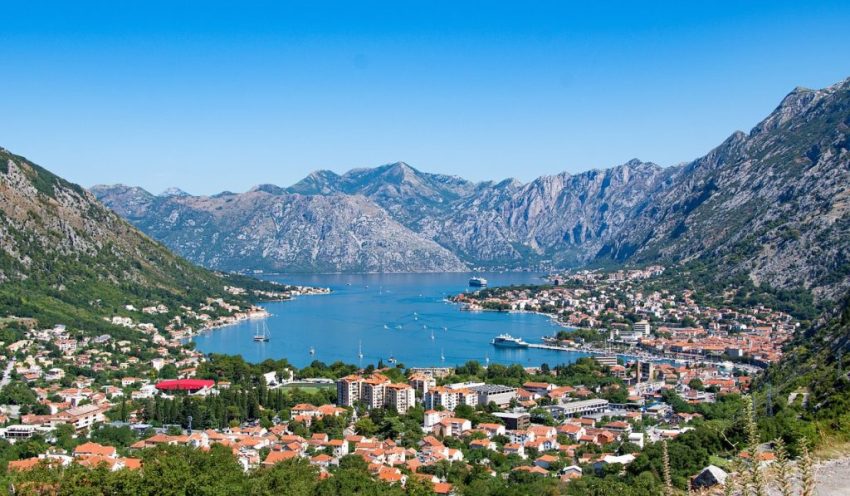
The weather is warm enough for coastal towns and island trips, accommodation is generally easier to find, and prices remain below peak summer levels.
Cities such as Split, Mostar, Sarajevo, Kotor, and Ohrid feel lively without being overwhelmed.
You’ll still encounter visitors in major destinations, but not the shoulder-to-shoulder crowds that arrive later in summer.
July and August: Great Weather, Bigger Trade-Offs
Summer delivers long days, hot temperatures, and ideal swimming conditions along the Adriatic.
It also brings the region’s highest prices and busiest crowds.
Dubrovnik is the obvious example. The city remains worth visiting, but arriving at midday in August can feel like joining a queue rather than exploring a historic city.
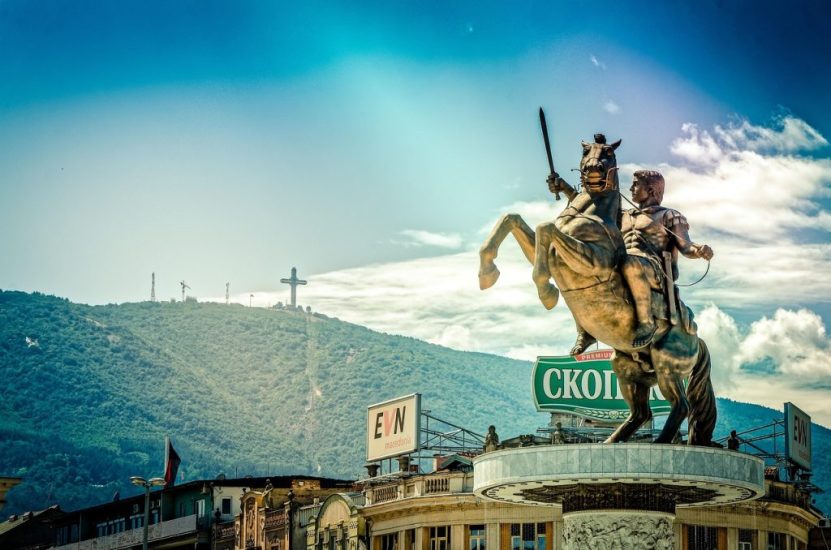
If you’re determined to visit during peak season, stay overnight and explore early in the morning or late in the evening.
Inland destinations such as Sarajevo, Belgrade, and Skopje remain busy but generally feel less congested than the coast.
September and October: The Experienced Traveler’s Choice
Many repeat visitors consider September the strongest month overall.
Sea temperatures remain comfortable, summer crowds thin out, and accommodation prices begin to soften. Wine harvest season adds another dimension in parts of Slovenia, Croatia, Serbia, and North Macedonia.
October works particularly well for travelers focused on cities, food, and cultural sites rather than beach time.
Winter
Winter can be rewarding in cities such as Ljubljana, Sarajevo, and Belgrade, but it’s not the ideal season for a first regional trip.
Ferry schedules reduce, mountain conditions become less predictable, and some coastal tourism infrastructure closes outside the main season.
Balkans Itinerary and Logistics
The Adriatic Arc (2 Weeks)
If you only have two weeks, don’t attempt all seven countries.
Instead, follow a route that combines the strongest mix of scenery, culture, and practical overland connections:
Ljubljana → Lake Bled → Zagreb → Split → Mostar → Sarajevo → Kotor → Dubrovnik (departure)
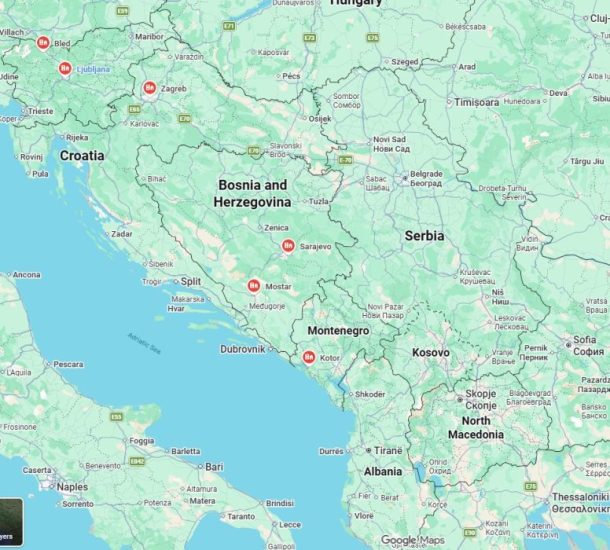
This route works because it moves largely in one direction and avoids unnecessary backtracking.
Suggested pacing:
- Ljubljana and Bled: 2 days
- Zagreb: 1–2 days
- Split and nearby islands: 3 days
- Mostar: 1–2 days
- Sarajevo: 2–3 days
- Kotor Bay: 2 days
- Dubrovnik: 1–2 days before departure
The route introduces four countries while keeping travel manageable.
The Grand Overland Sweep (3 Weeks)
With three weeks, extend the Adriatic Arc rather than replacing it.
Ljubljana → Zagreb → Split → Mostar → Sarajevo → Belgrade → Kotor → Shkodër → Berat → Ohrid → Skopje
This itinerary adds Serbia, Albania, and North Macedonia without turning the trip into a race.
Suggested additions:
- Belgrade: 2–3 days
- Berat: 1–2 days
- Ohrid: 2 days
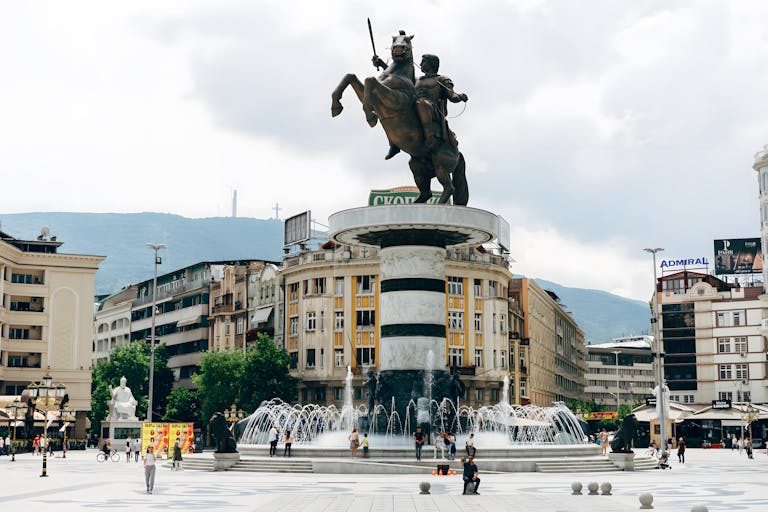
- Skopje: 1–2 days
Flying into Ljubljana and out of Skopje often makes more sense than attempting a loop. Open-jaw flights can save multiple long transport days and allow you to keep moving south and east.
What are the best ways to travel between countries in the Balkans?
The answer varies by country.
Trains
Train travel works reasonably well in Slovenia and on some Serbian routes.
Beyond that, rail infrastructure becomes less useful for most cross-border travel. Many travelers arrive expecting a central European-style train network and quickly discover that buses are often the primary mode of transport.
Buses
Long-distance buses are the backbone of regional travel.
They connect nearly every major city, run frequently on popular routes, and are generally affordable. Most international crossings between Croatia, Bosnia & Herzegovina, Montenegro, Albania, North Macedonia, and Serbia are straightforward by bus.
Expect occasional delays at borders during summer.
Rental Cars
A rental car provides the most flexibility, particularly in Montenegro, Albania, and rural Bosnia & Herzegovina.
However, it isn’t always necessary.
Parking can be difficult in historic centers, and many first-time visitors underestimate the concentration required on mountain roads.
If you’re combining cities with a few scenic detours, a hybrid approach often works best: public transport for major routes and short-term car rentals for specific regions.
Borders and Currencies
Border crossings are usually routine, though summer traffic can create significant delays on popular coastal routes.
One practical detail catches many visitors by surprise: not every country uses the same currency.
- Slovenia uses the euro.
- Croatia uses the euro.
- Montenegro uses the euro.
- Bosnia & Herzegovina uses the convertible mark (BAM).
- Serbia uses the Serbian dinar (RSD).
- Albania uses the lek (ALL).
- North Macedonia uses the denar (MKD).
Cards are widely accepted in cities, but carrying some local cash remains useful, particularly in smaller towns and rural areas.
What kind of food and drink should I expect in the Balkans?
One of the most useful shifts a traveler can make is abandoning the idea of a single Balkan culture.
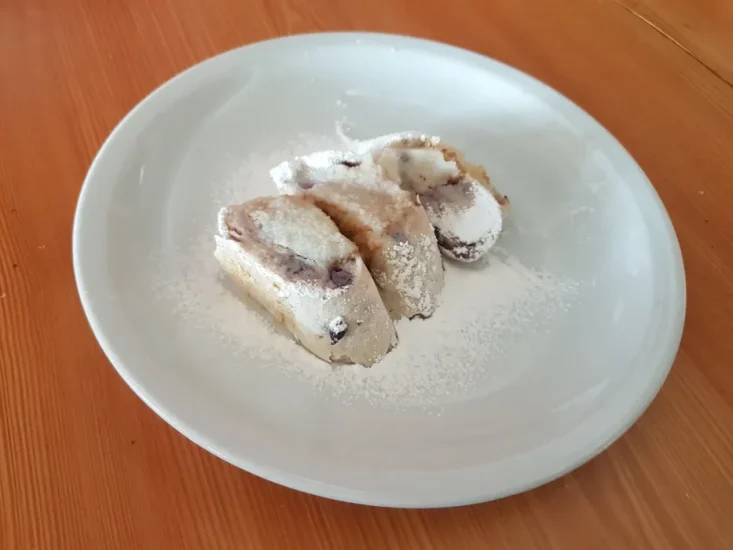
The countries share geographic proximity, but the experiences differ considerably.
What are the best countries to visit in the Balkans for first-time travelers?
Slovenia often feels closer to Austria and northern Italy in rhythm, infrastructure, and architecture than many visitors expect.
Ljubljana’s compact center, the alpine landscapes around Bled, and the wine regions in the west create a distinctly different atmosphere from that of the southern Balkans.
Croatia changes dramatically from north to south.
Zagreb feels like a continental capital. Split revolves around a living Roman palace and the sea. The Dalmatian coast developed through centuries of maritime trade, producing a cuisine centered on olive oil, seafood, and wine.
Try:
- Štruklji in Slovenia
- Black risotto on the Croatian coast
- Pašticada in Dalmatia
Bosnia & Herzegovina: Layered History and Strong Regional Identity
Bosnia & Herzegovina rewards travelers who spend time beyond the famous Mostar Bridge.
Sarajevo remains one of Europe’s most historically complex capitals, where religious communities, empires, and modern conflicts have all left visible marks on the urban landscape.
The food is excellent and often surprisingly affordable.
Try:
- Ćevapi
- Burek
- Bosnian coffee
The country’s identity cannot be reduced to a single historical influence. Austro-Hungarian, Ottoman-era, Yugoslav, and contemporary Bosnian elements all coexist in ways that become clearer the longer you stay.
Serbia and Montenegro: Urban Energy and Coastal Landscapes
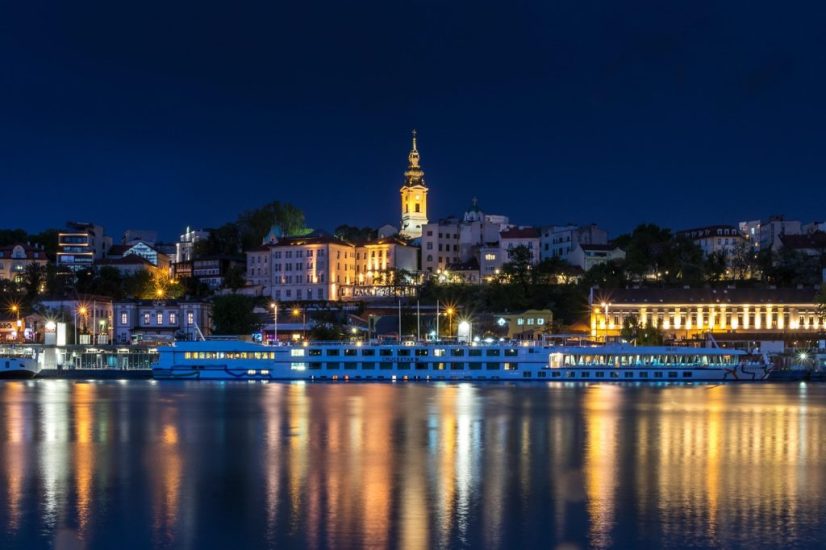
Belgrade has one of the most energetic city cultures in southeastern Europe.
People come for nightlife, but the city’s appeal runs deeper: fortress views, riverside neighborhoods, strong café culture, and a confident local identity.
Montenegro feels different again.
Its coastline attracts attention, but the country combines maritime towns with rugged mountains and dramatic inland landscapes within relatively short distances.
Try:
- Pljeskavica in Serbia
- Local rakija throughout the region
- Njeguški pršut in Montenegro
Albania and North Macedonia: The Fastest-Changing Corner of the Region
Among the best Balkans countries to visit for travelers seeking variety, Albania and North Macedonia consistently exceed expectations.
Albania combines mountain landscapes, Ottoman-era towns, Mediterranean coastline, and rapidly evolving cities. Yet places like Berat and Gjirokastër remain far more representative of the country’s character than a quick stop in Tirana alone.
North Macedonia often surprises visitors with the depth of its food, wine, and cultural heritage.
Lake Ohrid is the headline attraction, but local traditions, monasteries, and vineyards deserve attention too.
Try:
- Tavë kosi in Albania
- Ajvar throughout the region
- Ohrid trout when available and sustainably sourced
What are the must-see sights and attractions in the Balkans?
The most rewarding detours are often located just outside the destinations everyone already knows.
Around Mostar, Not Just Mostar
Most travelers photograph the Stari Most and leave.
Stay longer and explore nearby places such as Blagaj, with its monastery beneath a cliff, and Počitelj, a historic hillside settlement overlooking the Neretva Valley.

The Villages of Kotor Bay
Kotor’s old town deserves its popularity.
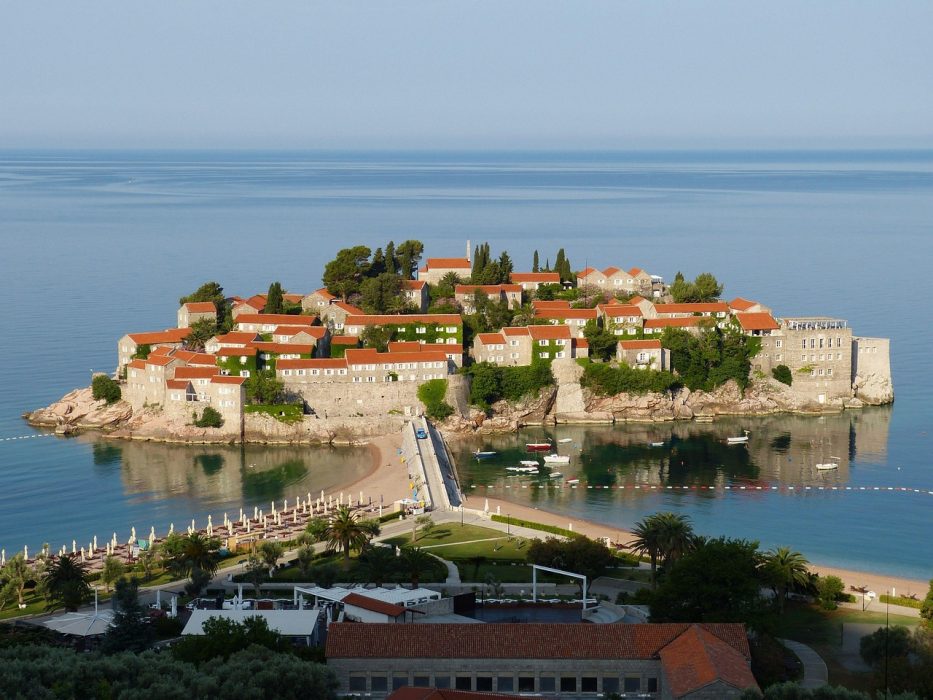
But some of the bay’s most memorable moments happen in smaller settlements such as Perast, Prčanj, and Dobrota, where the pace slows considerably, and the views remain just as compelling.
Berat Over Another Capital Day
If you’re choosing between an additional day in a capital city or a night in Berat, consider Berat.
Its hillside neighborhoods, stone houses, and riverside setting provide a stronger sense of historical continuity than many larger urban centers.
Lake Bohinj Over Another Day at Bled
Lake Bled deserves its reputation.
But travelers with extra time should continue to nearby Bohinj, where alpine scenery feels less structured around tourism and more connected to everyday life in the mountains.
Wine Country Near Skopje
Many visitors rush through North Macedonia.
The Tikveš wine region offers a worthwhile reason to slow down, especially for travelers interested in food and agriculture rather than simply checking off another capital city.
What are the typical costs and budget considerations for a trip to the Balkans?
The Balkans remain one of Europe’s stronger value destinations, though prices vary significantly.
Approximate daily budgets:
Budget traveler
- €40–70 per day
Mid-range traveler
- €80–150 per day
Comfort-focused traveler
- €180–300+ per day
Croatia’s coast is generally the most expensive area covered in this guide. Albania, Bosnia & Herzegovina, North Macedonia, and much of Serbia typically offer better value.
Accommodation patterns differ slightly:
- Hostels are common throughout major cities.
- Family-run guesthouses are especially strong in Bosnia & Herzegovina, Albania, and North Macedonia.
- Apartments and Airbnb-style rentals are widespread on the Croatian and Montenegrin coast.
SIM cards are easy to obtain locally, though many travelers now rely on regional eSIM plans covering multiple countries.
Tipping is appreciated but generally modest.
Rounding up a bill or leaving around 5–10% in restaurants is usually sufficient. Taxi drivers, guides, and hotel staff do not generally expect large tips by North American standards.
Is the Balkans safe for tourists, including solo female travelers?
For most visitors, the Balkans are straightforward and safe to travel independently.
The most common issues are practical rather than serious.
Petty theft occurs in crowded transport hubs, busy tourist areas, and nightlife districts in cities such as Belgrade, Split, and Sarajevo. Standard precautions are usually enough.
Driving requires more attention than many visitors expect.
Mountain roads throughout Montenegro, Bosnia & Herzegovina, and Albania can be narrow and winding. Driving styles vary, road conditions change quickly outside major highways, and travel times often exceed estimates.
Before crossing borders, verify that your rental company permits international travel and provides the necessary documentation.
One important regional quirk involves Kosovo and Serbia. If your broader trip includes Kosovo, research current entry requirements carefully. Travelers entering Serbia directly from Kosovo can encounter complications depending on their route and documentation history.
Keep your passport accessible during international bus journeys, as border officials may collect or inspect documents while passengers remain onboard.
Finally, be skeptical of unofficial taxi offers at transport stations. Use licensed taxis, ride-hailing apps where available, or transportation arranged by your accommodation.
Final Thoughts
The best Balkan trip is rarely the one that covers the most countries. It’s the one that follows a logical route, leaves room for unexpected stops, and gives each place enough time to reveal what makes it distinct.
If you’re planning your own route, leave a question in the comments or continue to my guide to choosing between Croatia, Albania, and Montenegro for your first Adriatic adventure.
FAQs:
What is a good first-timer’s guide to the Balkans itinerary idea for a two-week trip?
For a first-timer’s guide to the Balkans, a popular two-week Balkans trip is to combine Croatia and Slovenia (Dubrovnik to Ljubljana), then head to Bosnia and Herzegovina (Sarajevo and Mostar) and finish with Montenegro and Albania for the coast. This route gives a mix of scenic coastline (Bay of Kotor), historic bazaars, grilled meats and pastries, and a taste of local wines.
For a shorter first trip, focus on three countries or two or three countries—such as Croatia, Bosnia and Herzegovina and Montenegro—to keep travel times manageable.
How safe are the Balkans for first-time visitors?
The Balkans are generally safe for tourists: most visits are trouble-free, and popular places like Dubrovnik, Sarajevo and coastal Montenegro have good tourist infrastructure.
Use typical travel tips—watch your belongings in crowded bazaar areas, avoid unlit streets at night, and consult local guides or a private guide for off-the-beaten-path areas.
Check travel advisories for specific countries and get travel insurance covering medical evacuation and trip interruption.
Do I need a visa and which countries use the euro?
Visa requirements depend on your nationality; many visitors from Western Europe and parts of Europe can enter visa-free for short stays but always check current rules.
In the Western Balkans, some countries use the euro (Montenegro and Kosovo use the euro de facto) while others use their own local currencies—Croatia now uses the euro, Bulgaria uses the lev, Romania the leu and Bosnia and Herzegovina uses the convertible mark.
Knowing which countries use the euro helps when you plan to visit markets, drink in the Balkans, or pay for day trips.
What are practical travel tips for first-time Balkans travelers regarding transport and border crossing?
Public buses and trains connect many parts of the Balkan peninsula, but travel times can be long; consider overnight buses or flights for longer hops.
Border crossing is generally straightforward but can mean extra paperwork and waits, so pack your passport and any visas, keep copies, and be prepared for vehicle checks.
Hiring a local guide or private guide for multi-country itineraries can simplify logistics and offer insights about border procedures around the Balkans.
What should I know about Balkan food and where to try local wines and grilled meats?
Balkan food is diverse—expect hearty grilled meats, fresh seafood on the coast, pastries like burek, and rich local wines throughout the Balkans. In cities and small towns, you’ll find family-run konobas (taverns) and markets where local wines and grilled meats are highlights of any Balkan trip.
Try regional specialties in Bulgaria, Romania, Bosnia and Herzegovina, and Montenegro, and ask a local guide for hidden gem restaurants and authentic drinks in the Balkans experiences.
Can I do day trips from major hubs like Dubrovnik or Sarajevo?
Yes—day trip options are excellent. From Dubrovnik, you can take day trips to nearby Croatian islands or across the border to Montenegro’s Bay of Kotor. From Sarajevo, day trips to Mostar and nearby waterfalls or markets give a compact way to explore the region.
For efficient planning, combine a day trip with a private guide or local guide who knows the best routes and border crossing tips.
What is the weather in the Balkans like and how should I pack?
Weather in the Balkans varies by season and geography: coastal areas (Adriatic) are Mediterranean—hot summers and mild winters—while inland and mountainous regions can be much cooler and snowy in winter.
Check seasonal forecasts before you pack: layers are essential, comfortable walking shoes for cobblestone streets, and rain protection for spring and autumn.
If your entire trip covers coastal and inland areas, prepare for both warm beach days and chilly mountain evenings.
How can I find authentic experiences and hidden gems throughout the Balkans?
To explore the Balkans beyond major highlights, hire a local guide, stay in family-run guesthouses, visit village bazaars, and take less-traveled routes between towns.
Hidden gem spots include smaller wine regions, seaside coves in Montenegro and Albania, and rural areas of Bulgaria and Romania.
Ask locals for recommendations and consider slow travel—spending extra time in one region often reveals authentic food, festivals, and cultural encounters.
Is travel insurance necessary, and what should it cover for a first-time Balkans trip?
Travel insurance is highly recommended for a first-time Balkans trip. It should cover medical expenses, emergency evacuation, trip cancellation, and baggage loss.
If you plan activities like hiking in mountainous areas or water sports on the coast, confirm that those are included.
Insurance gives peace of mind across the Balkan countries and is a smart part of everything you need to know before you plan to visit.