Skip to content

First-Time Traveler Spots in Europe: Full guide


First-time traveler spots in Europe unlock a world of unforgettable adventures, with iconic cities like Paris, Rome, and Amsterdam leading the way. These destinations effortlessly blend rich history, vibrant culture, and hassle-free navigation—ideal for newcomers eager to dive into European exploration. English is widely spoken, public transport is efficient, and landmarks like the Eiffel Tower, Colosseum, and canals of Amsterdam transform every moment into a postcard-worthy memory. Whether you’re chasing art, savoring local flavors, or soaking in scenic beauty, these first-time traveler spots in Europe offer a seamless introduction to the continent’s magic, leaving you inspired to uncover even more hidden gems.
Key Takeaways:
- Rome, Paris, and Barcelona are ideal starter cities—packed with iconic landmarks, walkable layouts, and tourist-friendly infrastructure.
- Amsterdam and Prague offer English-friendly environments, affordability, and unique cultural charm for first-time visitors.
- A classic Italy itinerary (Rome-Florence-Venice) balances history, art, and scenic beauty in a manageable 10-day trip.
- Greece combines ancient history (Athens) with island relaxation (Santorini/Crete) for a diverse Mediterranean experience.
- Europe’s rail network simplifies travel—high-speed trains and passes like Eurail make multi-city trips efficient and scenic.
- Petty theft is common in tourist hubs; use anti-theft bags and stay alert in crowded areas to avoid issues.
- Consider hidden gems like Slovenia’s Vipava Valley for fewer crowds while still enjoying stunning landscapes and local culture.
Popular Gateway Cities
While planning your first European adventure, cities like London, Amsterdam, and Frankfurt serve as ideal entry points.
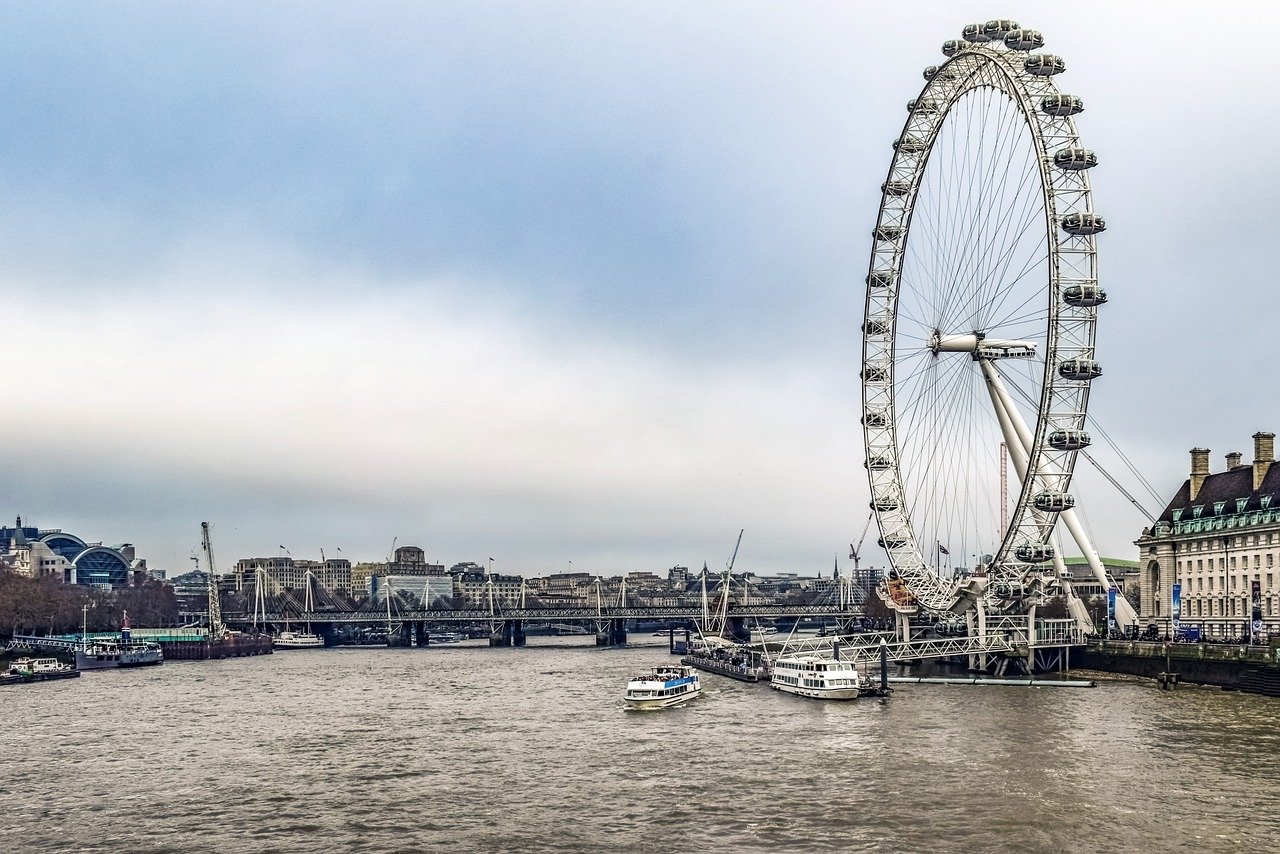
These hubs offer excellent flight connections, English-friendly environments, and efficient public transport, easing your transition into.
Over 20 million visitors pass through London annually, drawn by its mix of history and modernity, while Amsterdam’s compact size and bike-friendly streets make navigation effortless for newcomers.
Classic European Capitals
With Rome, Paris, and Barcelona topping most bucket lists, these capitals provide iconic introductions to Europe.

You’ll marvel at Rome’s ancient ruins, Paris’s art-filled museums, and Barcelona’s Gaudí masterpieces—all while benefiting from well-established tourist infrastructures.
Over 30 million tourists visit Paris yearly, proving its enduring appeal for first-timers seeking a quintvital European experience.
Accessible Northern European Destinations
Gateway cities like Copenhagen and Stockholm combine Scandinavian charm with exceptional accessibility.
You’ll find nearly 90% of locals speak English, and their efficient public transport systems—like Copenhagen’s metro, arriving every 2-3 minutes—make exploring stress-free.

These cities also rank among Europe’s safest, perfect for easing into solo travel.
Indeed, Northern Europe’s blend of modernity and tradition offers a gentle introduction.
You can admire Copenhagen’s colorful Nyhavn waterfront or Stockholm’s 14th-century Gamla Stan, then recharge in cozy cafés—a hallmark of Nordic culture.
With high walkability scores and clean, reliable transport, these destinations simplify your first foray into European travel.
Essential Itineraries for First-Time Travelers
If you’re planning your first European adventure, start with a well-structured itinerary to maximize your experience.
For inspiration, check out this guide to the Best Cities in Europe for First Time Visitors, which highlights accessible destinations with rich history, culture, and ease of navigation.
Whether you prefer iconic landmarks or hidden gems, a balanced itinerary ensures you make the most of your trip without feeling overwhelmed.
Italy: Rome, Florence, Venice
Rome dazzles with its ancient ruins, Renaissance art, and vibrant street life—perfect for first-time visitors.

Spend three days exploring the Colosseum, Vatican City, and Trevi Fountain before taking a high-speed train to Florence, where Michelangelo’s David and the Duomo await.
End your journey in Venice, wandering its canals and historic squares. This classic route offers a taste of Italy’s diversity while keeping travel logistics simple.
Greece: Athens and the Islands
For a mix of history and relaxation, begin in Athens with its iconic Acropolis and ancient ruins.

After two days, ferry to Santorini for breathtaking sunsets and whitewashed villages, then hop to Crete for Minoan history and stunning beaches.
This 10-day itinerary balances culture with leisure, making it ideal for first-timers.
Greece welcomes over 30 million visitors annually, many drawn to its blend of antiquity and island charm.
You’ll find English widely spoken in tourist areas, and efficient ferries connect the islands seamlessly.
Don’t miss trying local dishes like moussaka or fresh seafood by the Aegean—it’s all part of the authentic Greek experience.
What to Expect as a First-Time European Traveler
Not every aspect of European travel will feel familiar, but that’s part of the adventure.
You’ll encounter diverse cultures, efficient public transport, and a slower pace in daily life. For deeper insights, check out Traveling to Europe for the First Time: Your 13-Step Trip Guide.
Expect cobblestone streets, historic sites at every turn, and meals that prioritize quality over speed.
While English is widely spoken in tourist areas, embracing local customs will enrich your experience.
Language and Communication
To navigate Europe smoothly, you’ll find English common in cities, but learning basic phrases like “hello” or “thank you” shows respect.
In smaller towns, translation apps or gestures help bridge gaps. Over 80% of Dutch and Scandinavian locals speak English fluently, while Southern Europe may require more patience.
Cultural Differences and Adjustments
Between meals, schedules, and social norms, Europe operates differently. Dinner often starts later (around 8–10 PM in Spain), and shops may close for midday breaks. Tipping is modest—service charges are usually included.
Adapting to these rhythms lets you blend in rather than stand out.
At restaurants, you’ll rarely be rushed to leave after eating. Europeans view dining as social time, so don’t expect quick table turnovers. Similarly, Sundays are quieter, with many businesses closed. Planning ahead ensures you won’t face surprises.
Safety Considerations
Around tourist hotspots, stay alert for pickpockets—especially in crowded areas like Barcelona’s Las Ramblas or Rome’s metro.
Keep valuables secure in cross-body bags or hidden pockets, and avoid flashing expensive gadgets.
For instance, Paris and Prague see higher petty theft rates, but violent crime is rare. Research local scams (e.g., fake petitions or “friendship bracelets”) to avoid being targeted.
Emergency numbers (112 EU-wide) are posted in public spaces for quick access.
Transportation Options for First-Time Visitors
Many first-time travelers find Europe’s transportation network efficient and user-friendly.
From high-speed trains to budget airlines, you’ll have plenty of options to explore the continent. For inspiration on where to go, check out Europe for Beginners: 7 Must-Visit Cities for First-Time Travelers.
Plan ahead to make the most of your trip without overspending.
The European Rail Network
The rail system is one of the best ways to travel between European cities. With high-speed trains like France’s TGV and Germany’s ICE, you can cover long distances quickly while enjoying scenic views.

Consider a Eurail Pass if you plan to visit multiple countries—it offers flexibility and savings compared to individual tickets.
Public Transportation in Cities
Visitors will find that most European cities have reliable metro, bus, and tram systems. Buying a multi-day pass can save you money and hassle, especially in places like London, Paris, or Berlin.
Many cities also offer contactless payment options, making it even easier to hop on and off.
Cities like Amsterdam and Vienna prioritize walkability and cycling, with well-marked bike lanes and rental systems. If you’re unsure about routes, apps like Google Maps or Citymapper provide real-time updates to help you navigate efficiently.
Beyond the Obvious: Hidden Gems for Adventurous First-Timers
After exploring Europe’s iconic cities, venture off the beaten path to Slovenia’s Vipava Valley, where rolling vineyards and Alpine vistas rival Tuscany’s charm—without the crowds.

Cycle between family-run wineries, savor farm-to-table cuisine, and soak in landscapes untouched by mass tourism.
Just 90 minutes from Venice, this underrated region offers an authentic taste of rural Europe while remaining accessible for first-timers.
With English widely spoken and a well-connected rail network, you’ll find it easy to blend adventure with comfort.
Tips for Navigating European Culture
For a smooth introduction to Europe’s diverse customs, adapt to local norms with these insights:

- Greet with a handshake in formal settings—cheek kisses are common among friends in Southern Europe.
- Observe meal times; Spaniards dine late (9–11 PM), while Germans eat earlier (6–8 PM).
- Keep voices moderate in public—loudness may draw disapproving glances in Scandinavia or Switzerland.
Thou will find that a little cultural awareness enhances your experience and earns local appreciation.
Conclusion
Following this guide, you now have a solid foundation for planning your first European adventure.
Whether you choose iconic cities like Rome and Paris or venture to hidden gems like Slovenia’s Vipava Valley, Europe offers endless possibilities to suit your interests.
With efficient transportation, welcoming locals, and a mix of history and modern charm, your journey will be both seamless and unforgettable.
Pack wisely, stay aware of your surroundings, and embrace the cultural nuances—your European experience awaits.
FAQ
What are the best European cities for first-time travelers who want an easy introduction?
Amsterdam, Prague, and Barcelona are excellent starter cities. Amsterdam has widespread English usage and excellent public transport.
Prague offers fairy-tale charm at lower costs. Barcelona combines beaches, architecture, and walkability with a vibrant atmosphere.
How many countries should a first-time visitor try to see in a two-week trip?
Focus on 2–3 countries to avoid feeling rushed. For example, pair Italy (Rome, Florence) with France (Paris) or combine Germany (Berlin, Munich) with Austria (Vienna). This allows deeper exploration while minimizing stressful travel days.
Is it safe to travel between European cities at night by train?
Major rail routes are generally safe, but overnight trains require extra precautions. Opt for booked sleeper compartments, keep valuables secured, and avoid arriving in unfamiliar cities late at night. Daytime travel is often more enjoyable for first-timers.
What’s the best way to handle currency exchange in Europe?
Use ATMs at banks for local currency (avoid airport kiosks with high fees). Notify your bank of travel plans beforehand. Credit cards are widely accepted, but carry some cash for small vendors and tips.
Are guided tours worth it for first-time visitors?
Yes, for complex sites like the Vatican or Versailles. Free walking tours (tip-based) are great introductions to cities. For museums, audio guides offer flexibility. Balance tours with solo exploration to personalize your experience.
You also may like: Ultimate Guide to Traveling to Europe: Everything You Need to Know.