

The Most Iconic Dishes Around the World in 2026

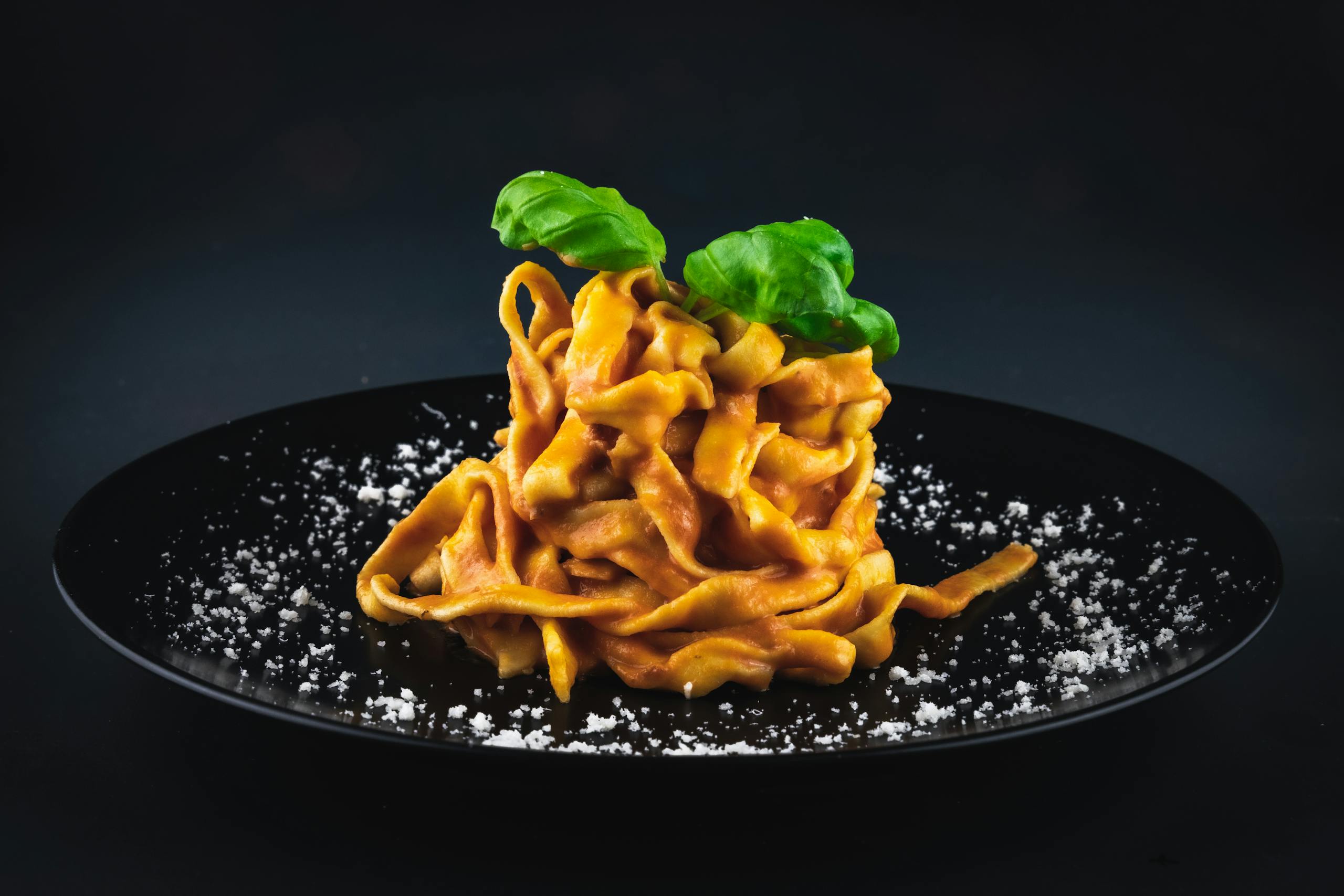
You’re about to launch on a culinary journey through some of the iconic dishes around the world that have shaped global gastronomy. From the artisanal techniques of Italian pasta-making to the complex spice blends of Indian curries, these iconic foods represent centuries of cultural heritage and culinary expertise, often served with rich gravy.
Key Takeaways:
- Italian Pasta preparation varies by region, with over 300 types of pasta shapes, and each sauce pairing is traditionally matched to specific shapes for optimal taste
- Indian Curry encompasses thousands of recipes using distinct spice blends (masalas), with each state having its own signature dishes and cooking techniques
- French Pastry requires precise measurements and techniques, developed over centuries of culinary tradition, with butter quality playing a central role
- Japanese Sushi emphasizes fresh ingredients and proper rice preparation, with traditional chefs training for years to master just the rice-making process
- Each dish reflects its culture’s history and geography, from available ingredients to religious and social influences
- Preparation methods for the best traditional food can vary widely. They have been refined over generations, with specific tools and techniques unique to each cuisine
- Modern interpretations of these classic dishes continue to evolve while maintaining their cultural significance and basic principles
What is the most iconic dish in the world?
Italian Pasta: A Symphony of Simplicity
To understand Italian pasta is to embrace the heart of Mediterranean cuisine. You’ll discover that pasta represents more than just food; it’s a cultural cornerstone that brings families together and celebrates the beauty of simple, high-quality ingredients. Whether you’re twirling spaghetti or savoring stuffed ravioli, each bite tells a story of tradition passed down through generations.

The Art of Fresh Pasta Making
On your journey to pasta mastery, you’ll find that creating fresh pasta requires just flour and eggs, yet yields extraordinary results.
Your hands become the most important tools as you knead and shape the dough, developing the Perfect elasticity and texture, which are essential for creating authentic dishes.
This intimate connection with your ingredients transforms a basic process into an art form.
Regional Variations and Their Stories
About every Italian region, you’ll discover unique pasta shapes and preparations that reflect local history and ingredients. From Sicily’s pasta alla Norma to Bologna’s tagliatelle al ragù, each recipe carries centuries of culinary wisdom.
With each regional variation, you’ll uncover fascinating stories behind their creation. The shell-shaped orecchiette from Puglia mimics their makers’ thumbprints, while Liguria’s trofie pairs perfectly with the region’s abundant basil for their famous pesto. These distinctions showcase how geography and local resources have shaped Italy’s diverse pasta landscape.
Sacred Rules of Pasta Preparation
For authentic Italian pasta, you must follow certain non-negotiable rules. Your pasta water should taste like the sea, and you should never break long pasta or add oil to the cooking water. These guidelines ensure your pasta achieves its full potential.
In fact, your success with pasta depends on timing and technique. You must reserve some pasta water before draining, never rinse your cooked pasta, and always finish cooking it in the sauce. The starch from the pasta water helps create that silky, emulsified sauce that clings perfectly to each strand or shape.
Indian Curry: The Spice Symphony
There’s a mesmerizing world of flavors that awaits you in Indian curry, where each dish tells a story of tradition, culture, and culinary mastery.

As you explore signature dishes around the world, you’ll discover that Indian curry stands as a testament to the harmonious blend of spices and cooking techniques refined over thousands of years.
The Philosophy of Masalas
The art of creating masalas lies at the heart of Indian curry making. You’ll find that each spice blend is carefully crafted to achieve perfect balance between warmth, heat, and aromatics. Your understanding of these combinations will help you appreciate how turmeric, cumin, coriander, and cardamom work together to create distinctive flavor profiles.
Regional Curry Traditions
To truly understand Indian curry, you must explore its regional diversity. From the coconut-based curries of Kerala to the rich, creamy preparations of Punjab, each region offers its unique interpretation of this beloved dish.
Spice combinations vary dramatically as you travel across India’s diverse landscape. Your culinary journey might take you from the fiery vindaloos of Goa to the subtle, aromatic kormas of Lucknow, each showcasing local ingredients and cooking methods passed down through generations.
The Evolution of Modern Curry
Curry has evolved beyond traditional boundaries, adapting to contemporary tastes while maintaining its authentic roots. You’ll notice how modern Indian chefs are innovating with presentation and ingredients while preserving the fundamental principles of spice blending.
Considering the global influence of Indian curry, you’ll find fascinating fusion interpretations in restaurants worldwide. These adaptations often combine traditional Indian spicing with local ingredients, creating new expressions of this timeless cuisine while maintaining the integrity of authentic flavor profiles.
French Pastry: Precision Meets Passion
Keep in mind that French pastry represents the perfect marriage of new flavors and traditional techniques.
Your journey into this refined culinary art requires understanding that each recipe, technique, and presentation element has been perfected over centuries.
When you master French pastry, you’re not just baking; you’re participating in a time-honored tradition that demands both technical skill and creative vision.
The Classical Foundations
Classical French pastry builds upon four fundamental doughs: pâte feuilletée (puff pastry), pâte à choux (choux pastry), pâte sucrée (sweet shortcrust), and pâte brisée (shortcrust).

You’ll find these basics form the foundation of nearly every French pastry creation, each requiring specific techniques and precise temperature control.
Essential Techniques
Precision in French pastry making revolves around temperature control, timing, and measurement. You must master techniques like lamination for croissants, tempering chocolate, and creating perfect meringues.
Your success depends on understanding how ingredients interact and maintaining exact proportions.
With these foundational techniques, you’ll learn that every movement matters. Your folding technique affects the layers in your mille-feuille, your whipping speed influences your cream’s stability, and your oven temperature determines your macaron’s feet.
Each step builds upon the last, creating a symphony of texture and flavor.
Iconic French Pastries
Precision transforms into pure artistry in the preparation of the best traditional food. Your mastery of these classics showcases your understanding of both technique and tradition, while allowing room for personal interpretation and modern twists.
This rich heritage includes over 200 classic pastry varieties, each with its own specific method and presentation, reflecting the diverse influences of authentic dishes. You’ll discover that practicing these recipes connects you to generations of pastry chefs who’ve perfected these techniques.
From the delicate layers of a Paris-Brest to the precise geometry of an Opera cake, each pastry tells its own story of excellence and innovation.
Japanese Sushi: The Ritual of Rice and Fish
The Sacred Art of Sushi Rice
Rice preparation forms the foundation of authentic sushi. You’ll find that proper vinegared rice (shari) requires precise temperature control, specific water ratios, and masterful seasoning.

The rice must achieve a perfect balance of stickiness and individual grain integrity. Assume that mastering sushi rice alone takes sushi chefs years of dedicated practice to create the best traditional food.
Types and Techniques
- Nigiri – Hand-pressed rice with fish
- Maki – Roll-style sushi
- Temaki – Hand-rolled cone
- Uramaki – Inside-out rolls can introduce new flavors that surprise the palate.
| Technique | Description |
|---|---|
| Rice Pressing | Gentle but firm hand motion |
| Fish Cutting | 45-degree angle slice |
| Roll Formation | Even pressure distribution |
| Knife Skills | Clean, single-motion cuts |
| Plating | Artistic arrangement |
To master sushi-making, you’ll need to understand the intricate relationship between ingredients and technique. Each component requires specific handling and preparation methods to achieve optimal results.
Seasonal Considerations
Between the changing seasons, you’ll discover different fish varieties reaching their peak flavor and texture. Your selection should align with seasonal availability to ensure the highest quality sushi experience.
Another aspect of seasonal sushi preparation involves adjusting your rice vinegar ratios and serving temperatures according to the weather. Your summer rolls might feature lighter, cooling elements, while winter selections often incorporate warming components.
Etiquette and Tradition
With proper sushi etiquette, you enhance your dining experience. Your chopstick handling, soy sauce usage, and eating order all contribute to the traditional appreciation of this culinary art.
Indeed, your sushi experience extends beyond mere consumption. You should observe traditional customs like avoiding rubbing chopsticks together, using the narrow end of chopsticks to pick up sushi, and consuming nigiri in one bite. Your interaction with the sushi chef should demonstrate respect through appropriate acknowledgment and gratitude.
What are the best cuisines in the world?
Many culinary traditions have evolved beyond their geographical boundaries, creating a fascinating fusion of flavors and techniques. When you explore global cuisine through Secret Food Tours – World’s Most Authentic Food Experiences, you’ll discover how traditional dishes have transformed while maintaining their cultural essence.
Cross-Cultural Influences
Influences between different cuisines have led to innovative hybrid dishes that reflect our interconnected world.
You can now find Japanese-Italian fusion restaurants, Indian-Mexican tacos, and French-Asian pastries. These combinations have created entirely new culinary categories that celebrate both authenticity and creativity.
Modern Interpretations
At contemporary restaurants worldwide, chefs are reimagining classic dishes with modern techniques and presentations. You’ll find deconstructed sushi rolls, molecular gastronomy versions of traditional curries, and pasta dishes that incorporate unexpected local ingredients.
Another aspect of modern food interpretation involves sustainable and health-conscious adaptations. You can experience plant-based versions of meat-centric classics and gluten-free alternatives to traditional pasta and pastries, making iconic dishes accessible to diverse dietary preferences.
Street Food to Fine Dining
Kitchen boundaries between casual and upscale dining have blurred, with street food inspirations appearing in high-end restaurants. You can now enjoy elevated versions of traditional street snacks plated with fine-dining finesse.
Also worth noting is how fine-dining techniques have influenced street food vendors. You’ll discover that many food trucks and market stalls now use professional-grade equipment and sophisticated cooking methods, elevating the quality of casual dining experiences.
Preserving Culinary Heritage
Your journey through global cuisine reveals the rich tapestry of culinary traditions that have shaped our world. From ancient recipes to modern interpretations, these iconic dishes represent more than just food—they embody cultural identity and historical significance. Discover more about these culinary treasures in A Guide to the World’s Most Popular Cuisines.
Traditional Methods
When it comes to preserving culinary heritage, you’ll find that time-honored techniques passed down through generations form the foundation of authentic cooking. Each culture maintains specific methods, from hand-rolling pasta in Italy to the precise knife skills in Japanese sushi preparation, ensuring these iconic dishes retain their authenticity and cultural significance.
Modern Conservation Efforts
Around the world, innovative digital platforms and food organizations are working to document and protect traditional recipes. You’ll discover how modern technology helps preserve ancient cooking methods while making them accessible to a global audience.
For instance, you can now access virtual cooking academies, digital recipe archives, and cultural food preservation projects that safeguard traditional cooking methods. Organizations like UNESCO have recognized various culinary traditions as intangible cultural heritage, helping protect these practices for future generations.
Teaching the Next Generation
By engaging young people in culinary traditions, you contribute to the survival of these iconic dishes. Cooking schools, family gatherings, and community events provide vital platforms for passing down these cherished recipes and techniques.
To ensure these traditions continue, you can participate in local cooking classes, cultural food festivals, and family recipe documentation projects. Hands-on experience and personal connection with these cooking methods create lasting impacts, helping preserve these culinary treasures for generations to come.
What is the difference between a national dish and a popular dish?
A national dish often symbolizes identity, history, and occasions, while a popular dish is simply a widely loved favorite dish or the best meal people choose for everyday eating; national dishes like jollof rice in Nigeria or Hainanese chicken are tied to heritage and special occasions, whereas popular plates like pad thai or tacos al pastor spread because they taste great.
National dishes may be considered authentic—from biryani and rendang to feijoada—and often feature staples such as white or yellow rice.
Both categories include many dishes from around the world and foods from around the world: a stew like beef stew or paprikash, lamb kebab, dumpling or meatball, pho, poutine with cheese curds, chickpea hummus from lebanese and middle eastern traditions, adobo, mince dishes, tangy sauces with lime juice and cilantro, peking duck, saltfish with ackee, apple strudel and macarons, chicken rice, crispy skins, caramelized toppings, haggis, traditional mexican black bean stew, nasi lemak, rice pudding, tacos al pastor, and more.
Each one can be a national emblem or a beloved street-food bite, depending on culture and context.
Summing up
With this in mind, you can appreciate how these iconic dishes represent the pinnacle of their respective culinary traditions. Whether you’re twirling authentic Italian pasta, savoring the complex spices of Indian curry, indulging in delicate French pastries, or experiencing the precise artistry of Japanese sushi, you’re participating in centuries of culinary evolution.
Your journey through these dishes offers more than just a meal in the world – it provides a window into the culture, history, and artistic expression of these nations. These celebrated foods continue to influence and shape global gastronomy, making them vital experiences in your culinary exploration.
FAQ
What makes Italian pasta dishes authentic and different from other pasta preparations?
Authentic Italian pasta focuses on simplicity and quality ingredients. Traditional Italian pasta dishes typically use 2-3 main ingredients, fresh herbs, and specific pasta shapes that complement the sauce. For example, spaghetti carbonara contains only eggs, pecorino cheese, guanciale, and black pepper, while many non-Italian versions add cream or other ingredients, straying from authentic dishes.
How can I identify a well-prepared Japanese sushi roll?
A quality sushi roll should have firm, vinegared rice at room temperature, fresh fish that’s properly cut, and neat, tight rolling without falling apart. The nori (seaweed) should be crisp, not chewy, and the rice-to-filling ratio should be balanced. Professional sushi chefs train for years to perfect these elements.
What are the necessary spices used in traditional Indian curry?
Traditional Indian curries rely on a combination of spices, including turmeric, cumin, coriander, cardamom, and garam masala. Each region has its signature blend, but most authentic curries start with whole spices toasted in oil (tadka) to release their flavors. Fresh ingredients like ginger, garlic, and onions form the base of most curry preparations.
What makes French pastries so distinctive in texture and appearance?
French pastries achieve their characteristic flakiness through a technique called lamination, where butter is folded between layers of dough multiple times. This creates the distinctive layers in croissants and other viennoiseries.
French pastry chefs also emphasize precise measurements, specific butter temperature, and exact proofing times.
How long does it take to properly prepare these iconic dishes?
Preparation times vary significantly: Italian pasta dishes typically take 20-30 minutes, sushi rolls require 30-45 minutes for experienced makers, Indian curries need 45-60 minutes for cooking and spice development, while French pastries can take several hours or even days due to resting and proofing times.
What are the common mistakes people make when preparing these dishes at home?
Common errors include overcooking pasta instead of keeping it al dente, using cold rice for sushi, which makes it difficult to shape, adding too many spices at once in curry preparation, and rushing the resting time for French pastry dough. Temperature control and timing are necessary for all these dishes.
Are there vegetarian/vegan versions of these iconic dishes available?
Yes, all these dishes have adapted to modern dietary preferences. Many Italian pasta dishes are naturally vegetarian, Indian curries often use legumes and vegetables, sushi can be made with vegetables and tofu, and French pastries now have versions using plant-based butter alternatives. These adaptations maintain traditional techniques while accommodating different dietary needs.