

Places to Visit and Things To Do in Catalonia (Barcelona & More)


Barcelona serves as your perfect starting point to explore the rich culture and stunning scenery that define places to visit and things to do in Catalonia. From the vibrant streets of this iconic city to the tranquil beaches in Catalonia and the best natural places in Catalonia, you will find endless options that suit every interest. Whether you want to wander through historic villages, explore the Catalan Pyrenees, or indulge in local cuisine, these things to do in Catalonia Spain offer unforgettable experiences. Let your journey through the best cities in Catalonia inspire your next adventure.
Key Takeaways:
- Places to Visit and Things To Do in Catalonia guide offers a diverse mix of vibrant cities like Barcelona and Girona, showcasing rich culture, medieval towns, and stunning architecture by Antoni Gaudí such as the iconic Sagrada Familia.
- For nature lovers, the best natural places in Catalonia include the Pyrenees mountain range, La Garrotxa Volcanic Natural Park, and the beautiful Aigüestortes i Estany de Sant Maurici National Park, perfect for hiking and exploring the outdoors.
- Beaches in Catalonia such as those along the Costa Brava and the fishing villages of Cadaqués and Sitges provide relaxing Mediterranean vibes, complete with blue flag certifications and scenic coastal views.
- Exploring historic sites in Catalonia reveals UNESCO World Heritage Sites like the monastery of Montserrat Monastery, the medieval village of Besalú, and roman ruins near La Roca, offering fascinating insights into the region’s past.
- The best cities in Catalonia combine modern attractions with traditional charm, including Girona’s old town, Figueres with the Dalí Theatre-Museum, and Lleida’s la Seu cathedral, which all showcase Catalan art and history.
- Activities in Catalonia range from walking routes through natural parks and volcanic areas to cultural experiences at the Palau de la Música Catalana and exploring the Jewish quarter and markets of Barcelona’s Gràcia and La Rambla.
- Places to Visit & Things To Do in Catalonia also highlight culinary delights, with excellent dining options such as El Celler de Can Roca offering the best restaurants where visitors can enjoy authentic Catalan and Spanish cuisine.
The Allure of Catalonia: Why This Region Should Be on Your Bucket List
Places to Visit & Things To Do in Catalonia impress with a stunning blend of culture, nature, and history.
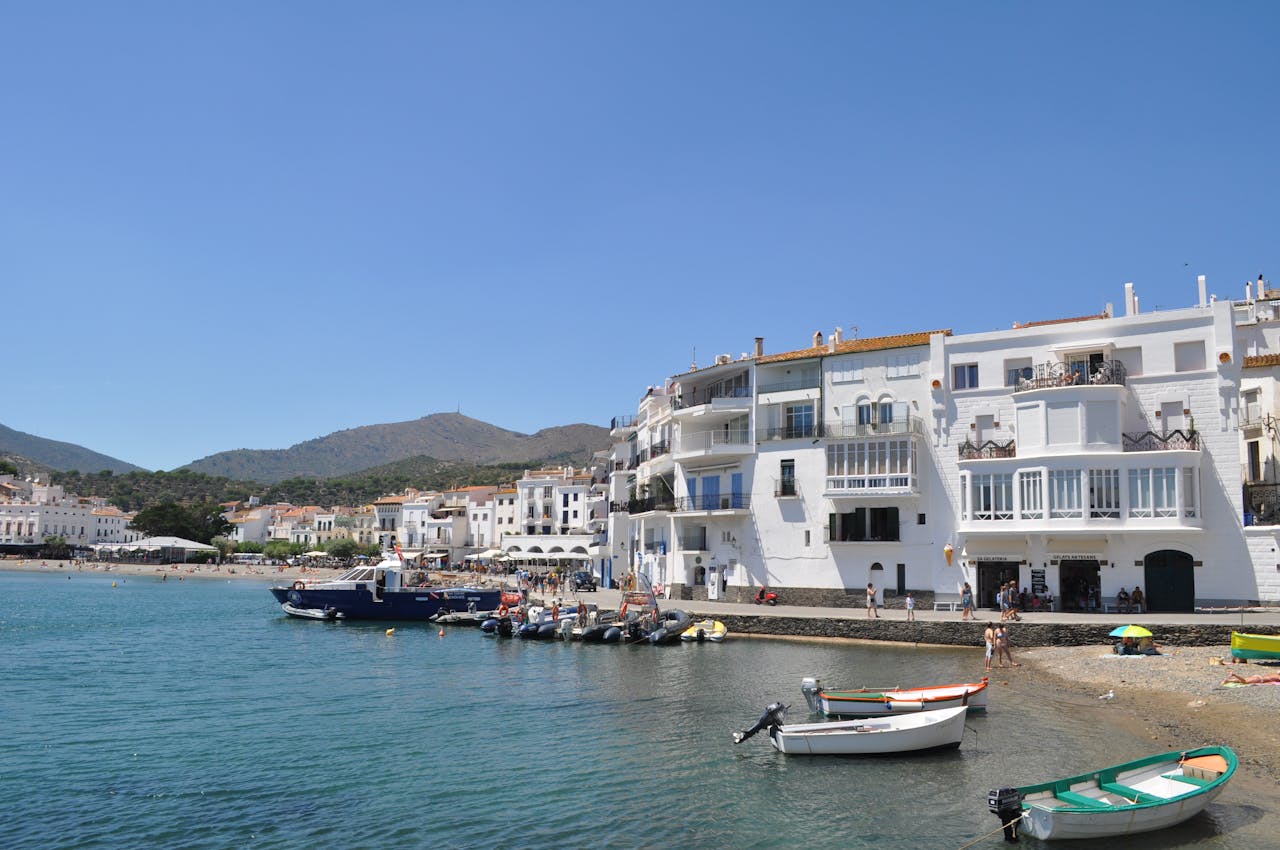
From the vibrant streets of Barcelona filled with Gaudí’s masterpieces like the Sagrada Família and Park Güell to the serene Costa Brava beaches and charming coastal villages like Cadaqués, you’ll find endless reasons to explore Catalonia.
The dramatic Pyrenees mountains, UNESCO world heritage sites, and the peaceful Montserrat Monastery add to the region’s allure, catering to both adventure seekers and culture lovers alike.
Features that Set Catalonia Apart
You’ll discover that Catalonia’s distinct identity shines through its unique Catalan language, rich architectural heritage, and diverse natural landscapes.
The coastline boasts numerous blue flag beaches, while inland offers spectacular national parks like Aigüestortes i Estany de Sant Maurici and the Garrotxa Volcanic Natural Park.
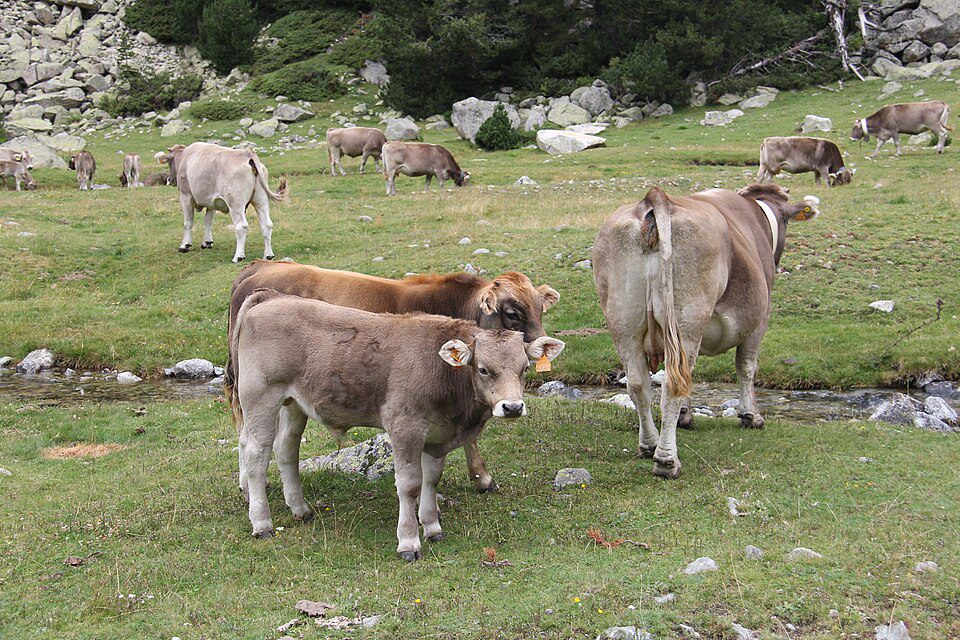
Catalonia’s culinary scene, highlighted by Michelin-starred restaurants such as El Celler de Can Roca, complements its cultural richness, making it stand out among Spain’s regions.
Top Destinations and Attractions Worth Discovering
Places to Visit & Things To Do in Catalonia span iconic urban attractions and off-the-beaten-path gems.
In Barcelona, you’ll stroll down La Rambla, explore the Jewish Quarter of Girona, and visit the Dalí Theatre-Museum in Figueres.
The natural beauty of Cap de Creus and the quaint village of Besalú, with its medieval charm, offers a sharp contrast to bustling city life. Don’t miss the Montserrat Monastery’s spiritual atmosphere or hiking through the Catalan Pyrenees.
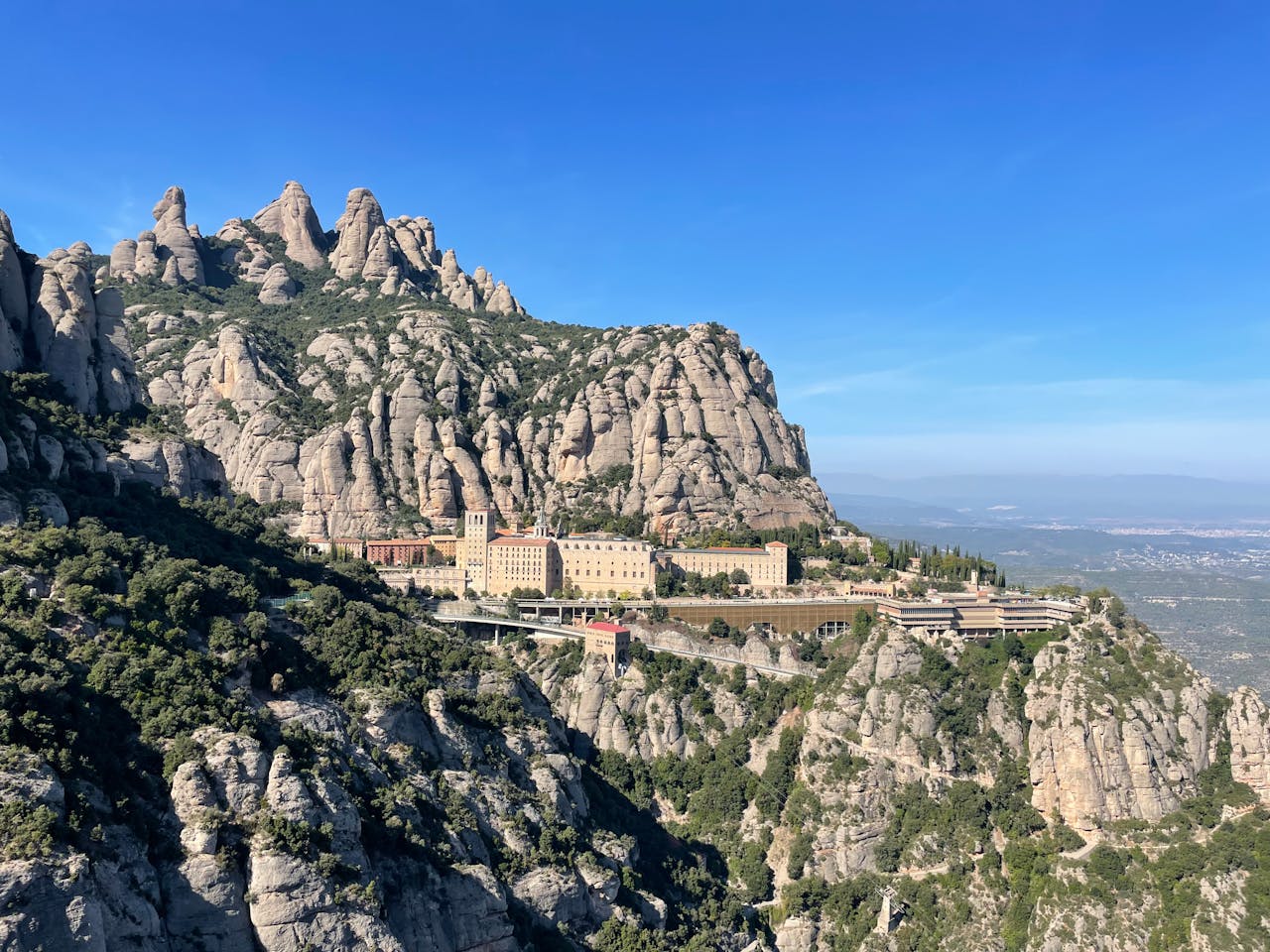
Delving deeper, the mix of UNESCO world heritage sites like Roman ruins at Tarraco and the Garrotxa Volcanic Natural Park offers an immersive experience.
Exploring Sitges and the fishing villages along the Mediterranean shore introduces you to authentic Catalan seaside culture.
Outdoor enthusiasts can enjoy walking routes through the Estany de Sant Maurici National Park, while art lovers find inspiration in Catalonia’s rich Gaudí heritage and surreal Dalí influences across the region.
Comparing Catalonia to Other Regions in Spain
Catalonia offers a distinct fusion of culture, landscape, and history compared to other Spanish regions. Its unique Catalan identity juxtaposes beautifully with diverse natural parks and vibrant cities like Barcelona.
While regions such as Andalusia showcase Moorish architecture and southern beaches, Catalonia shines with modernist art, Mediterranean coastlines, and the Pyrenees’ alpine scenery.
Gastronomy, language, and heritage influence the local experience, making the region unlike any other place in Spain.
| Catalonia | Other Spanish Regions |
|---|---|
| Unique Catalan language and culture | Primarily Spanish (Castilian) speakers and customs |
| Barcelona’s modernist architecture (Antoni Gaudí) | Distinctive Moorish influences in Andalusia (Alhambra) |
| Stunning Mediterranean beaches: Costa Brava and Sitges | Diverse landscapes, including the Pyrenees and volcanic national parks |
| Diverse landscapes including the Pyrenees and volcanic national parks | Varied but less volcanic terrain, mostly plains and Sierra mountain ranges |
| Rich artistic heritage: Dalí, Gaudí, and unique museums | Flamenco culture and traditional festivals predominate |
This comparison reveals that while you’ll find beautiful sights and rich heritage across Spain, Catalonia uniquely blends mountain adventures, coastal retreats, and unrivaled artistic legacies into one diverse and captivating region.
The combination invites you to explore Catalonia beyond Barcelona and experience the varied things to do in Catalonia, Spain, that connect nature, culture, and history in a truly memorable way.
Unveiling Barcelona: The Cultural Epicenter
Barcelona stands as the heart of Catalonia, a vibrant blend of Catalan tradition and modern creativity. From the bustling ramblas to the serene views of the Mediterranean beach, you’ll discover a city teeming with art, history, and unforgettable things to do in Catalonia, Spain.
Don’t miss exploring its iconic landmarks, lively neighborhoods, and renowned gastronomy scene, all within easy reach of stunning natural surroundings like the Costa Brava and Montserrat monastery.
For expert-curated experiences, check out THE 15 BEST Things to Do in Catalonia (2025).
Iconic Landmarks You Can’t Afford to Miss
In Barcelona, Antoni Gaudí’s masterpieces define the skyline, with La Sagrada Família and Park Güell standing as must-see jewels of Catalan modernism. The medieval old town hints at centuries-old history, while the Montserrat monastery nearby offers breathtaking mountain views.
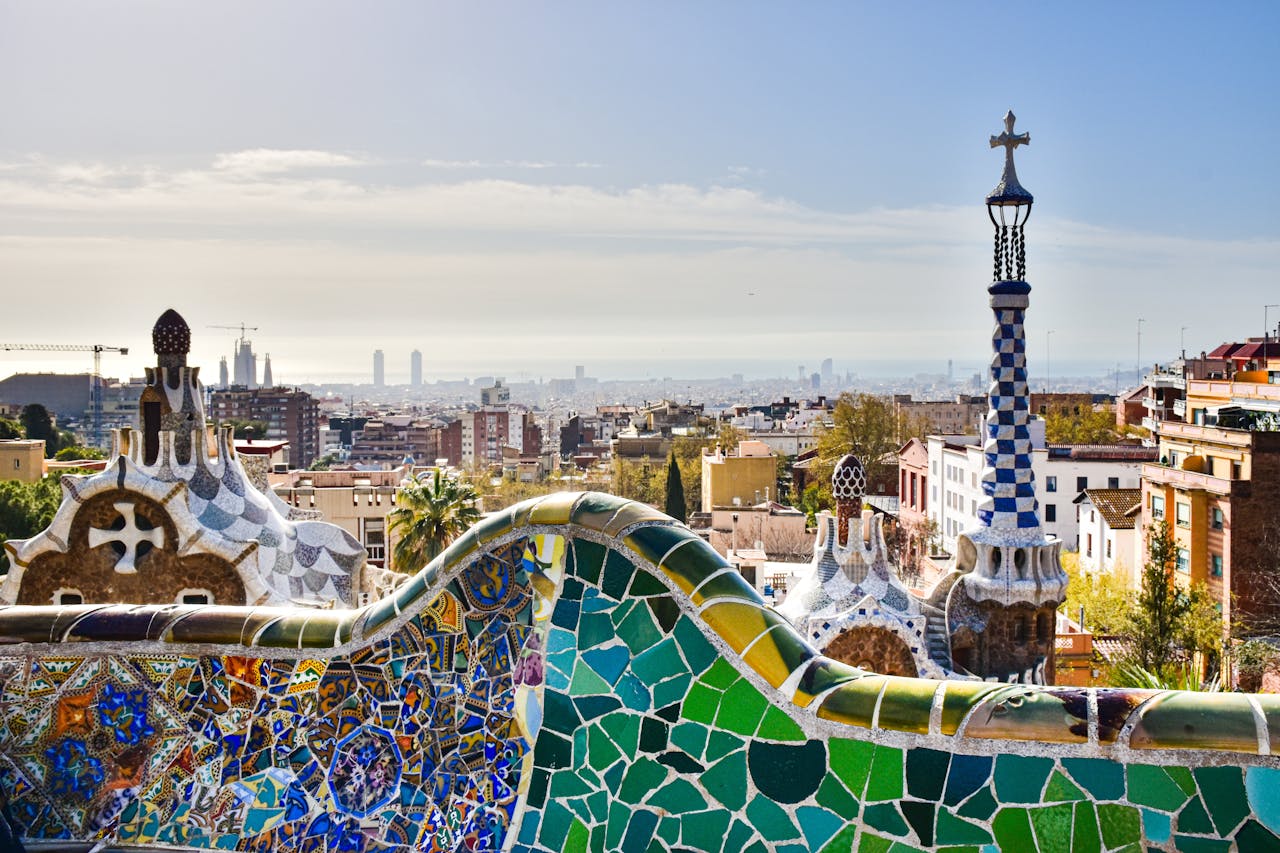
You’ll also find UNESCO World Heritage sites like Sant Pere de Rodes and Castellfollit de la Roca to further enrich your itinerary among the best places in Catalonia.
Vibrant Neighborhoods to Immerse Yourself In
Gràcia enchants with its bohemian vibe, lively plazas, and artisanal shops, contrasting with the bustling La Rambla and the Gothic Quarter, where narrow streets transport you to Catalonia’s rich past.
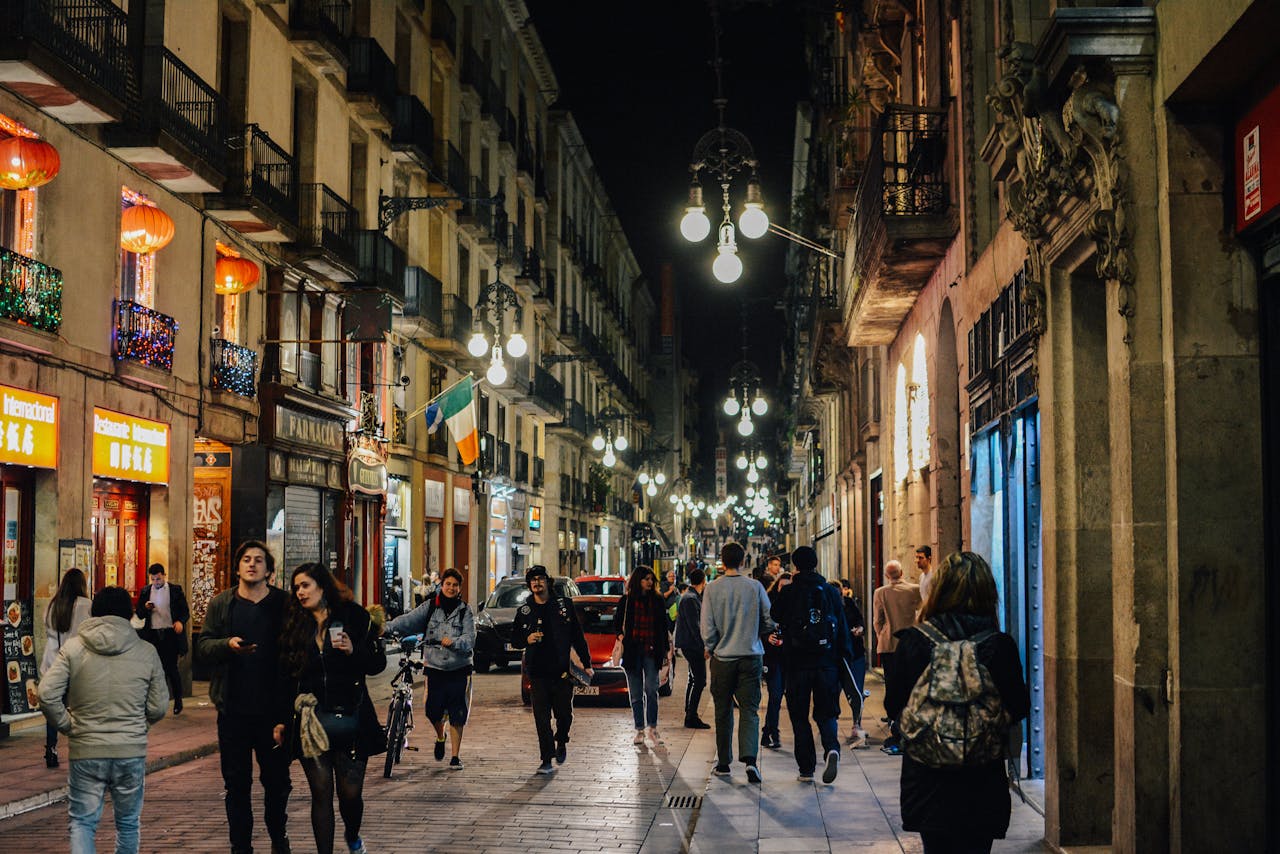
Don’t overlook Sitges, a charming coastal village on the Costa Brava known for its blue flag beaches and lively festivals. Each neighborhood offers unique flavors of Catalan culture embedded in daily life, perfect for deep exploration.
More than just neighborhoods, these areas showcase Barcelona’s duality: ancient cobblestone streets alongside contemporary art galleries and trendy cafés. In Gràcia, you’ll find an authentic Catalan atmosphere, with locals celebrating traditional festivals and filling terraces.
The Gothic Quarter houses historic gems like the Jewish Quarter and the majestic Palau de la música catalana, crafting a perfect balance between tradition and innovation.
Noteworthy Cultural Experiences for a Deeper Understanding
Beyond sightseeing, delve into Catalonia’s soul at the Museu of Catalonia and the Dalí theatre-museum in Figueres, which reveals surreal insights into the legendary artist’s life.
Catch a flamenco show or an opera at the Palau de la música catalana.
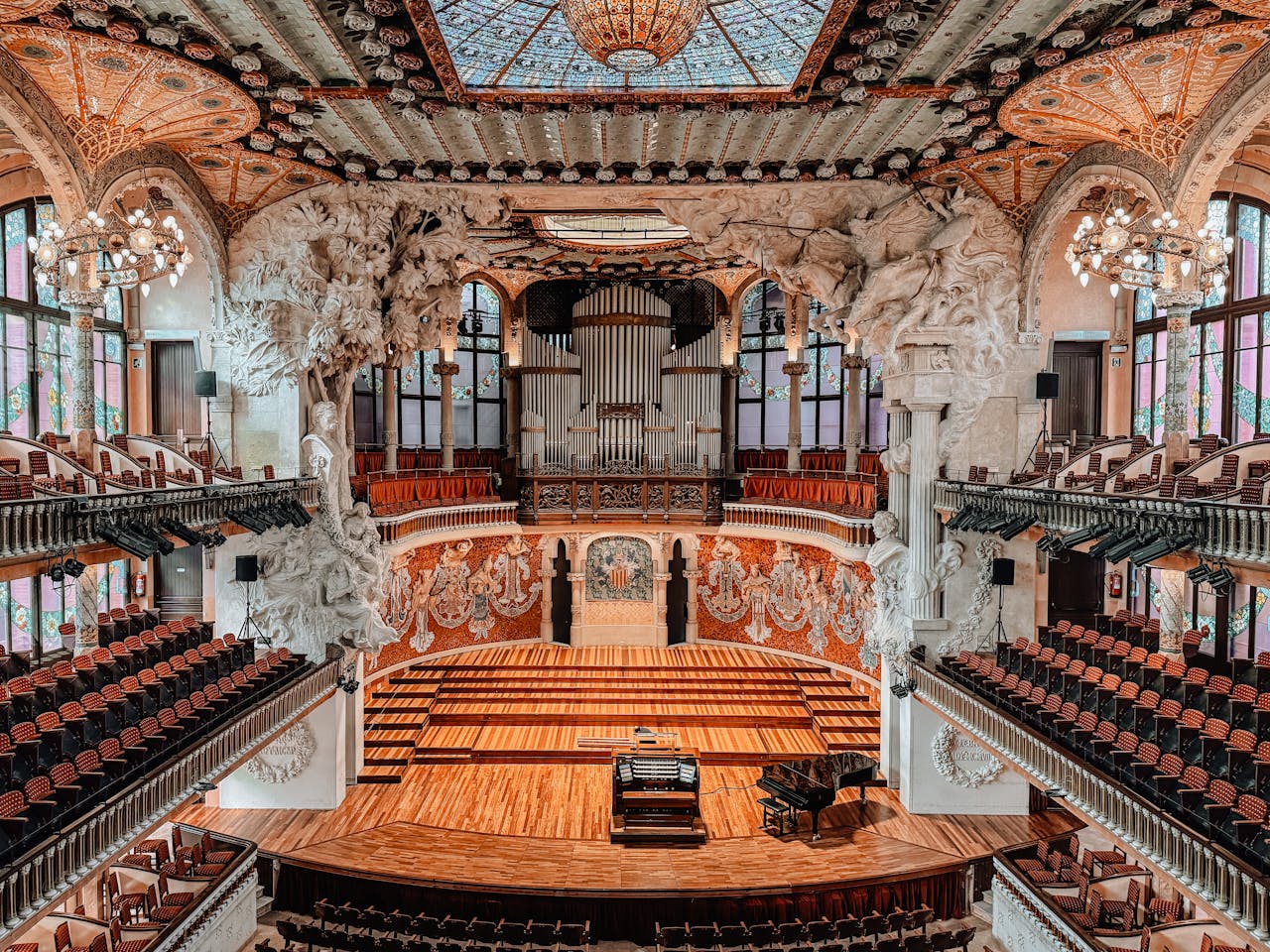
Exploring local markets or trekking routes in the Garrotxa volcanic natural park offers an authentic immersion into the Catalan lifestyle and stunning scenery.
Taking part in traditional Catalan festivals or visiting the Montserrat monastery to witness the revered black Madonna will deepen your appreciation for local spirituality and heritage.
Culinary tours, like visiting el Celler de can Roca, allow you to taste world-renowned Catalan cuisine, while engaging with locals highlights the fusion of Catalan and Spanish influences that make this region uniquely vibrant.
Nature’s Playground: Outdoor Activities in Catalonia
The diverse landscapes of Catalonia invite you to escape urban life and immerse yourself in nature’s wonders.
From the towering Pyrenees in Lleida and the volcanic formations of Garrotxa Natural Park to the Mediterranean coastline stretching through Costa Brava and Tarragona, every outdoor experience here combines stunning scenery with unique Catalan charm.
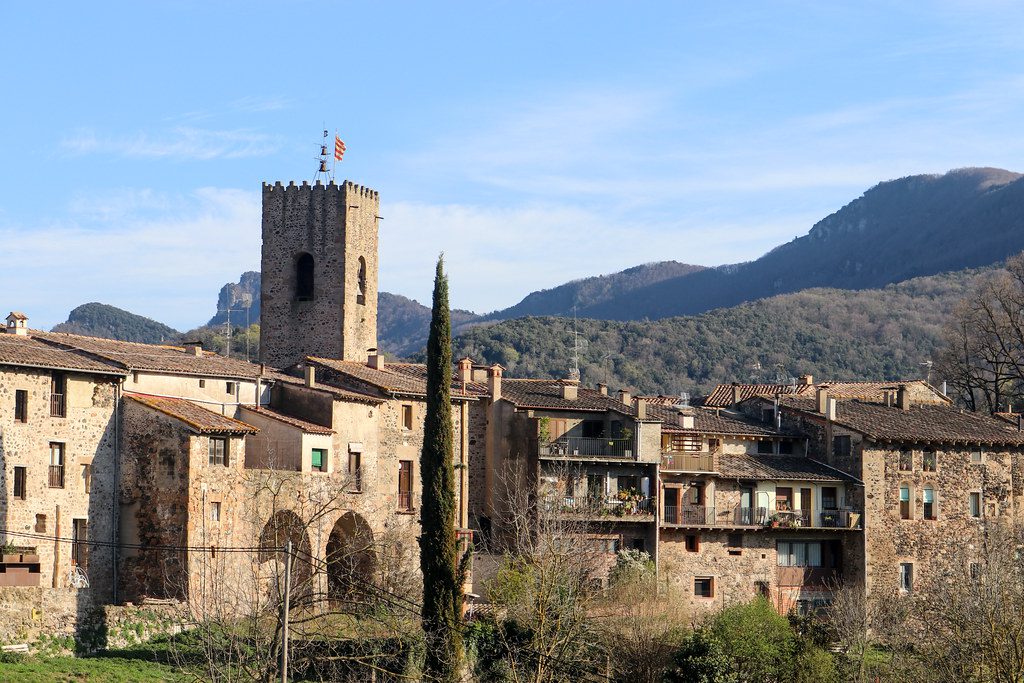
Whether exploring the hiking trails around Montserrat monastery, kayaking near Cap de Creus, or discovering hidden coves by the beaches in Catalonia, your adventure options are endless and perfectly suited for every pace and interest.
Scenic Hiking Trails for Adventurers
Aigüestortes i Estany de Sant Maurici National Park offers some of the best hiking trails in Catalonia, winding through rugged peaks and crystal-clear lakes.
The Garrotxa Volcanic Zone provides an exceptional walking route amid ancient lava flows and lush forests.
Closer to Barcelona, you can explore Montserrat’s rocky paths under the watchful gaze of the Montserrat Monastery.
These routes reveal breathtaking views and bring you closer to Catalonia’s natural heritage, perfectly blending physical challenge and visual reward.
The Most Stunning Beaches Along the Coast
The beaches in Catalonia boast striking contrasts—from the bustling Blue Flag coasts of Sitges and Barcelona, with lively promenades and vibrant beach culture, to quiet fishing villages like Cadaqués on the Costa Brava, framed by rugged cliffs and turquoise waters.
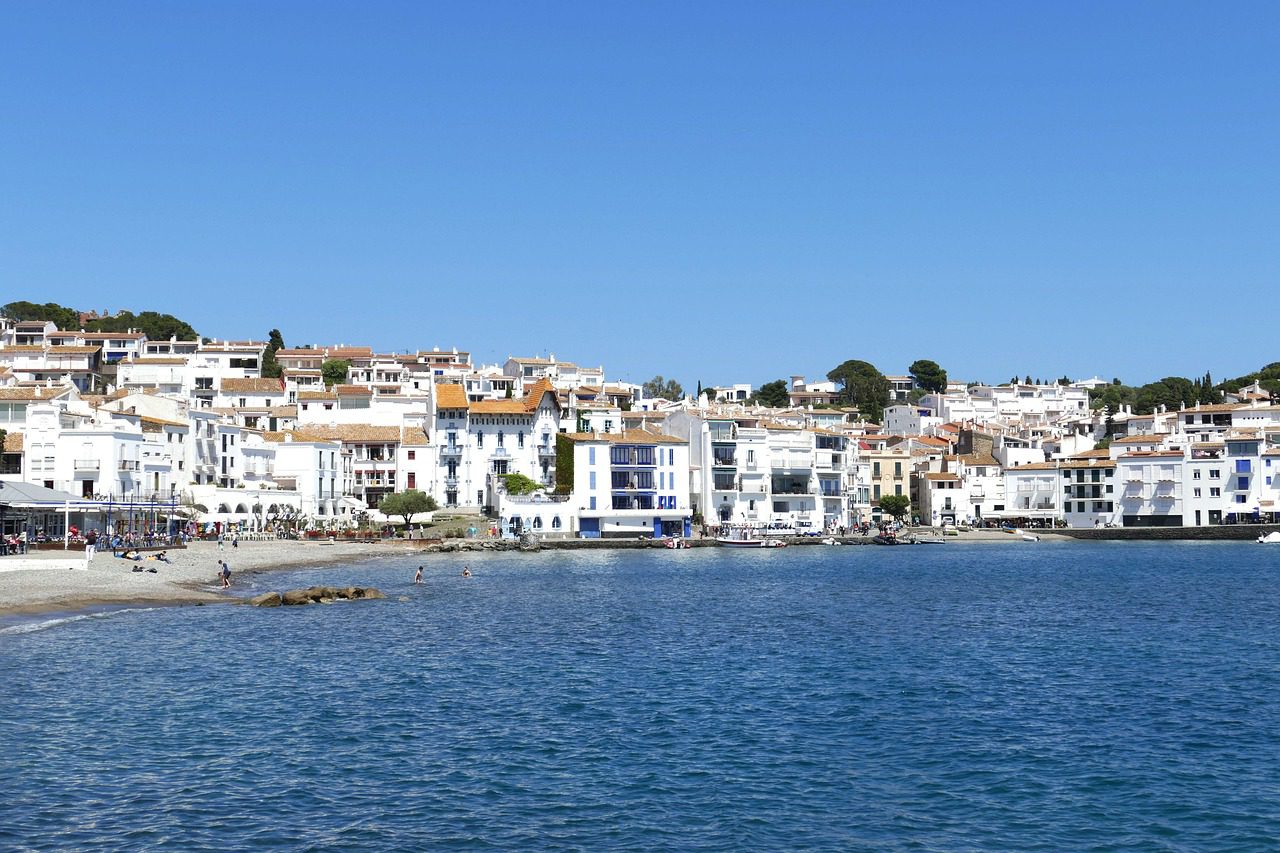
The coastline near Cap de Creus offers secluded coves and crystal-clear seas ideal for snorkeling and relaxation.
With such variety, these beaches satisfy those looking for both lively atmospheres and peaceful natural escapes.
Diving deeper into the best natural places in Catalonia, the Costa Brava coastline is famed for its unspoiled beauty and rich history.
The medieval village of Begur overlooks some of the most exquisite coves, while Platja de la Roca in Tarragona combines sandy stretches with dramatic rock formations.
Beaches near Barcelona, like Castelldefels, attract families and water sports enthusiasts alike. Blue Flag certification on many shores guarantees cleanliness and safety, enhancing your beach day with confidence and comfort.
Family-Friendly Outdoor Activities to Enjoy
Exploring Catalonia with family becomes a delight thanks to numerous natural parks and beaches that cater to all ages.
Parc de la Ciutadella in Barcelona provides an urban green oasis with boat rides and playgrounds, while La Garrotxa Volcanic Park invites children to discover volcanic landscapes through interactive walking routes.
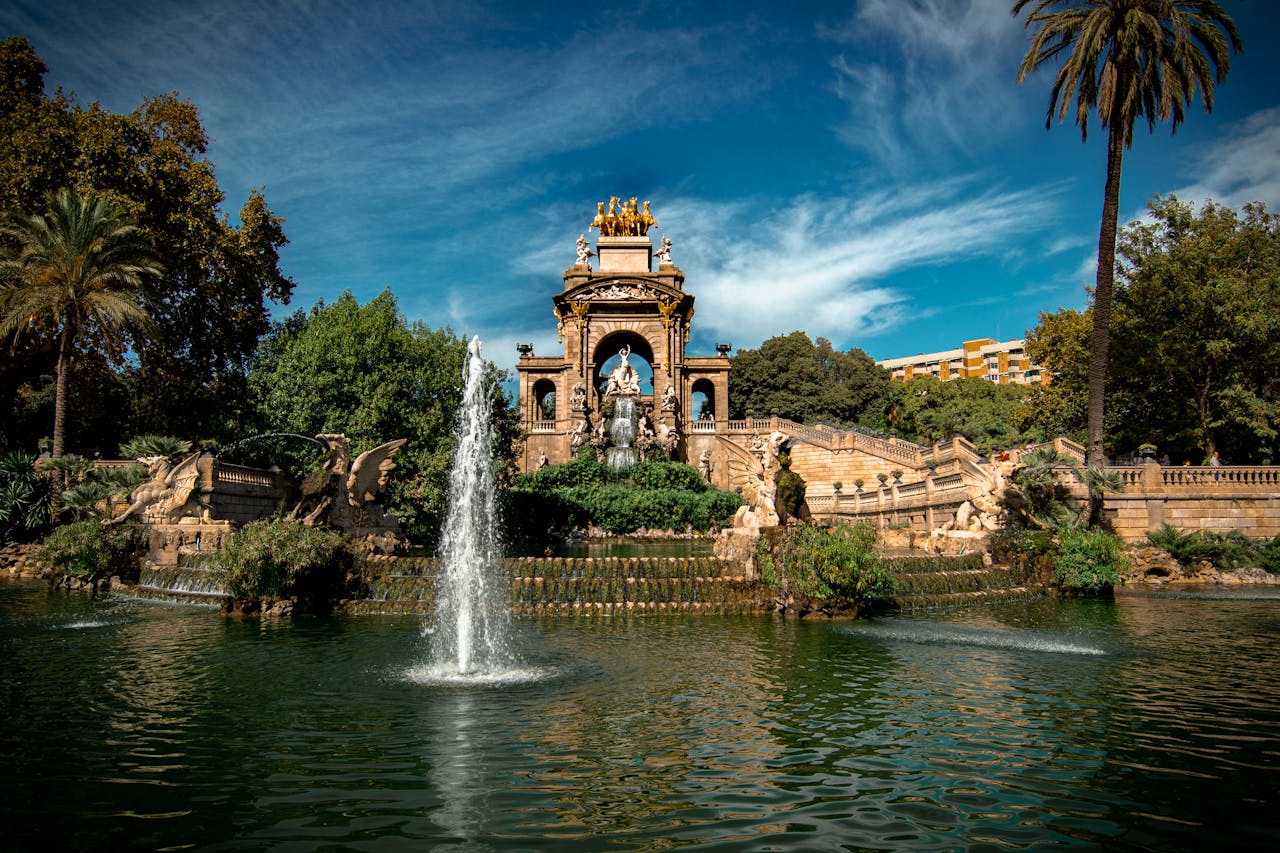
Beaches like Sitges are equipped with calm waters and accessible facilities, ensuring that outdoor family fun blends comfort with adventure seamlessly.
Beyond urban parks, the monastery of Sant Pere de Rodes offers educational hikes that combine cultural heritage with nature exploration. The Sant Pere village on the Costa Brava provides fishing excursions and beach activities, perfect for creating lasting family memories.
Catalonia’s wide range of activities includes cycling through Girona’s old town or visiting the Dalí Theatre-Museum in Figueres as part of a broader outdoor itinerary, making this region a top choice for families seeking varied things to do in Catalonia, Spain.
Artistic Expressions: Museums and Galleries of Catalonia
Catalonia brims with artistic treasures beyond the vibrant streets of Barcelona and Girona.
From the surreal genius of Dalí showcased in Figueres to contemporary collections in small galleries nestled in coastal villages like Cadaqués on the Costa Brava, the region fuses traditional Catalan culture with modern creativity.
Museums and galleries here spotlight unique perspectives, including Gaudí’s architectural masterpieces like the Sagrada Família, inviting you to examine deeper into the rich artistic tapestry that defines Catalonia.
Essential Museums to Explore in Barcelona
Barcelona hosts several world-class museums that you must visit while exploring Catalonia.
The Museu Nacional d’Art de Catalunya (MNAC) offers an extensive collection of Romanesque art, while the Museu Picasso examines Picasso’s formative years.
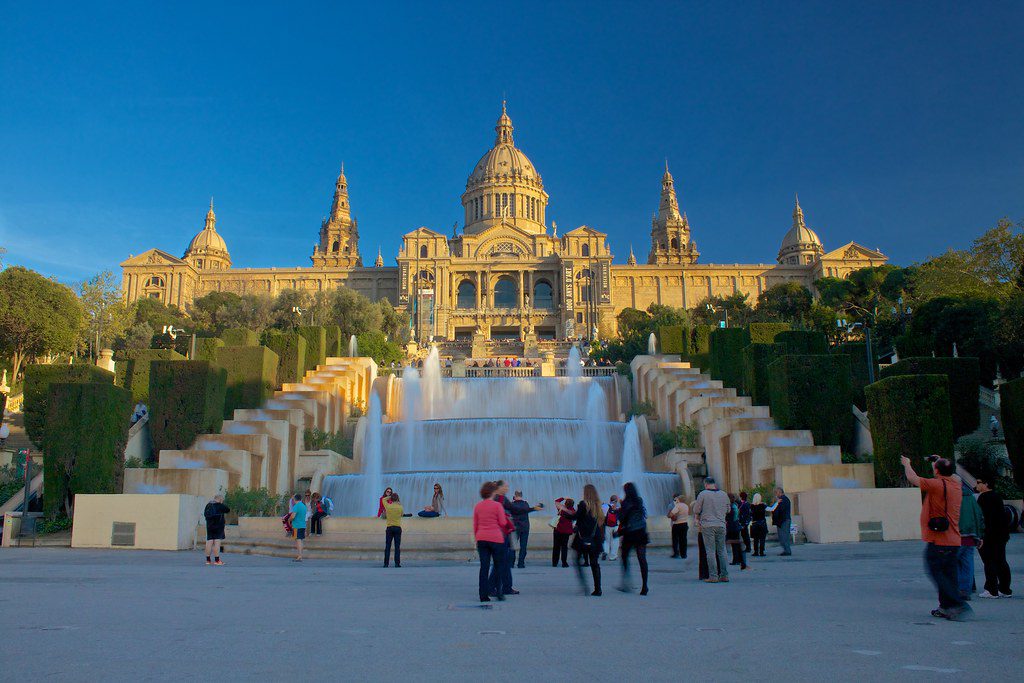
Don’t miss the Palau de la Música Catalana, an architectural gem and UNESCO World Heritage Site. For modern art lovers, the MACBA showcases contemporary works, providing a vibrant contrast to the historic surroundings of the old town and Gràcia district.
Unique Art Galleries Reflecting Catalonia’s Creative Spirit
Catalonia’s smaller art galleries provide intimate encounters with local artists inspired by the Mediterranean scenery and Catalan traditions.
In Girona and Sitges, galleries exhibit everything from avant-garde prints to traditional crafts, spotlighting the region’s evolving creative spirit.
Particularly in Cadaqués and Cap de Creus, galleries celebrate Dalí’s surreal legacy alongside emerging voices, creating vibrant cultural hubs outside Barcelona’s bustling city center.
These galleries often showcase works that you won’t find in larger institutions, offering insightful glimpses into Catalonia’s diverse cultures.
Many galleries focus on the connection between the natural parks of La Garrotxa and Aigüestortes i Estany de Sant Maurici and contemporary artistic reinterpretations.
Visiting these spaces enriches your understanding of Catalonia’s artistic landscape, blending history, nature, and innovation in unexpected ways.
The Historical Context Behind Catalonia’s Artistic Heritage
The artistic heritage of Catalonia is deeply entwined with its history, visible in its medieval towns like Besalú and the ruins of Roman Tarragona.
The influence of Antoni Gaudí transformed Barcelona’s skyline, especially through masterpieces such as Park Güell and La Sagrada Família, while sacred sites like Montserrat Monastery and the Benedictine Monastery of Sant Pere de Rodes blend spirituality with artistic expression.
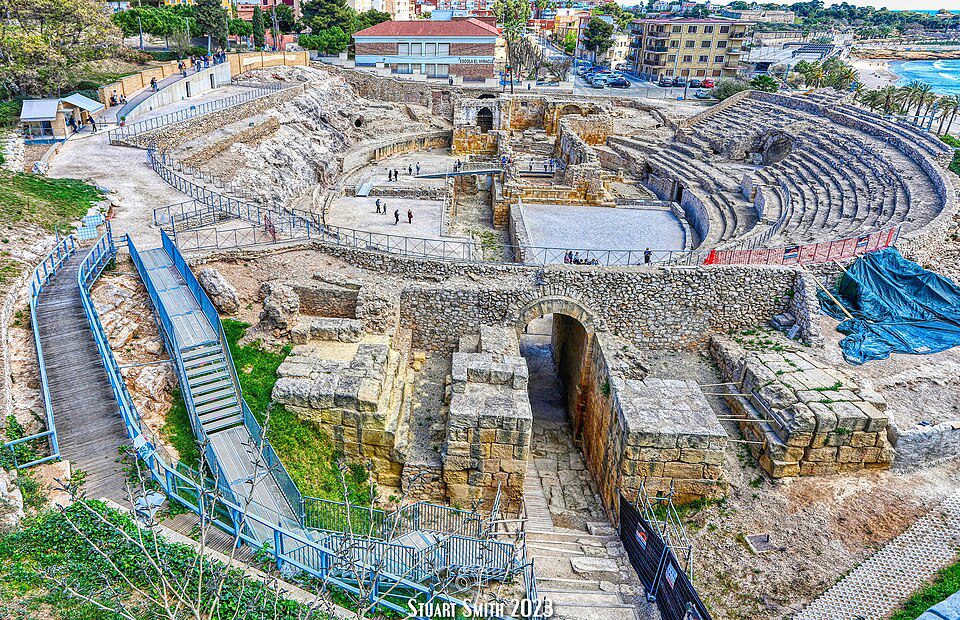
You’ll find that many artistic styles mirror the region’s complex history of Catalan identity and its position as a crossroads between Catalan and Spanish cultures.
Art in Catalonia cannot be separated from its historical roots, where Roman ruins declared UNESCO World Heritage Sites coexist with modernist movements led by Gaudí and the surrealism pioneered by Dalí.
This layering of epochs invites you to explore art not only as visual pleasure but as a narrative of Catalan resilience, innovation, and cultural pride—a journey that remains central among the best places to visit and things to do in Catalonia.
Culinary Odyssey: Discovering Catalonia’s Gastronomic Treasures
Exploring places to visit & things to do in Catalonia means exploring a rich culinary heritage that reflects its diverse landscapes—from the Mediterranean beach towns of the Costa Brava to the mountain villages near Montserrat.
Catalonia’s food scene bursts with traditional flavors balanced by contemporary creativity, highlighted by renowned chefs like those at Catalonia: what to see, the best tourism plans. Your palate will journey through rustic dishes and fresh seafood, showcasing the unique identity of this captivating region.
Must-Try Traditional Dishes and Local Flavors
The culinary map of Catalonia includes iconic dishes such as escalivada (grilled vegetables), botifarra amb mongetes (Catalan sausage with beans), and the famous pa amb tomàquet (bread rubbed with tomato).

Coastal areas like Cadaqués and Cap de Creus offer the freshest Mediterranean seafood, while inland regions like Girona and Tarragona specialize in hearty stews and rustic fare.
Tasting these local specialties reveals an authentic connection to Catalan history and landscape.
The Best Local Spots for Dining and Tapas
Tapas culture thrives in Barcelona and Girona, where neighborhoods like Gràcia and the old town host endless bars serving small plates of anchovies, bombas, and jamón ibérico.
Along the Costa Brava, charming fishing villages like Cadaqués provide cozy beachside taverns perfect for sampling fresh catch.
For an elevated experience, you can visit El Celler de Can Roca in Girona, a world-renowned restaurant known for redefining Catalan cuisine.
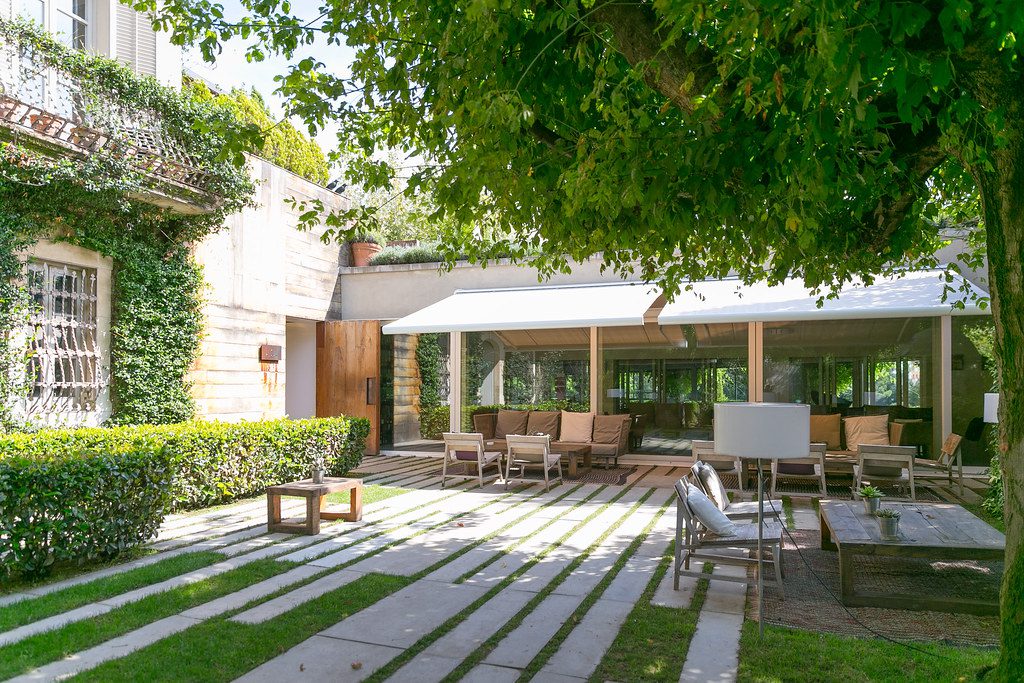
The lively atmosphere of La Rambla in Barcelona pairs perfectly with its vibrant dining spots, offering you authentic tapas accompanied by local wines.
Beyond the city, smaller locales near Garrotxa Volcanic Natural Park offer intimate taverns, where Catalan hospitality shines alongside striking scenery.
Each spot reveals a unique facet of Catalonia’s diverse food culture, making your culinary journey as memorable as the region’s famed landmarks.
Engaging with Catalonia’s Culinary Scene
Immersing yourself in Catalonia’s gastronomy means visiting markets like Mercat de Sant Josep de la Boqueria in Barcelona or joining cooking classes that explore authentic Catalan recipes.
Festivals across the region often celebrate seasonal ingredients, from saffron in Tarragona to mushrooms in the Pyrenees.
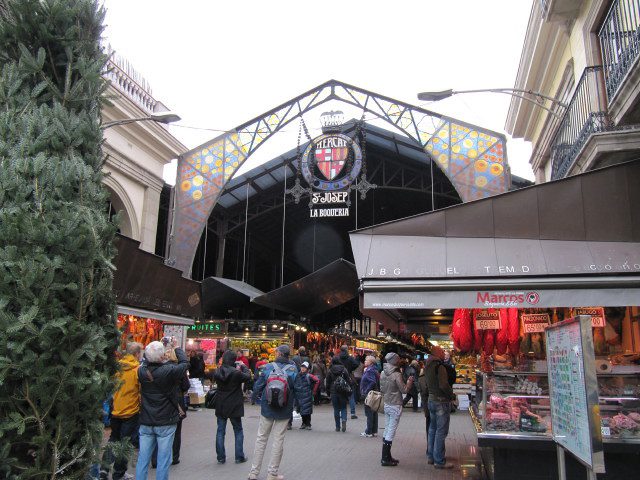
Engaging locally connects you deeply with the vibrant traditions and innovative spirit that define the Catalan table.
Walking through marketplaces or sharing a meal in a medieval town such as Besalú brings you closer to the Catalan way of life.
Culinary tours around Figueres and Sitges introduce you to both traditional producers and avant-garde chefs inspired by icons like Dalí and Antoni Gaudí.
By exploring these authentic experiences, your visit to Catalonia becomes a celebration of both its cultural landmarks and its savory delights.
Beyond Barcelona: Unforgettable Day Trips
Venturing beyond Barcelona opens up a treasure trove of places to visit & things to do in Catalonia.
Whether you’re exploring medieval villages like Besalú, soaking up the Mediterranean charm in Cadaqués on the Costa Brava, or hiking the breathtaking trails of Aigüestortes i Estany de Sant Maurici National Park, each destination offers its own unique scenery and cultural richness.
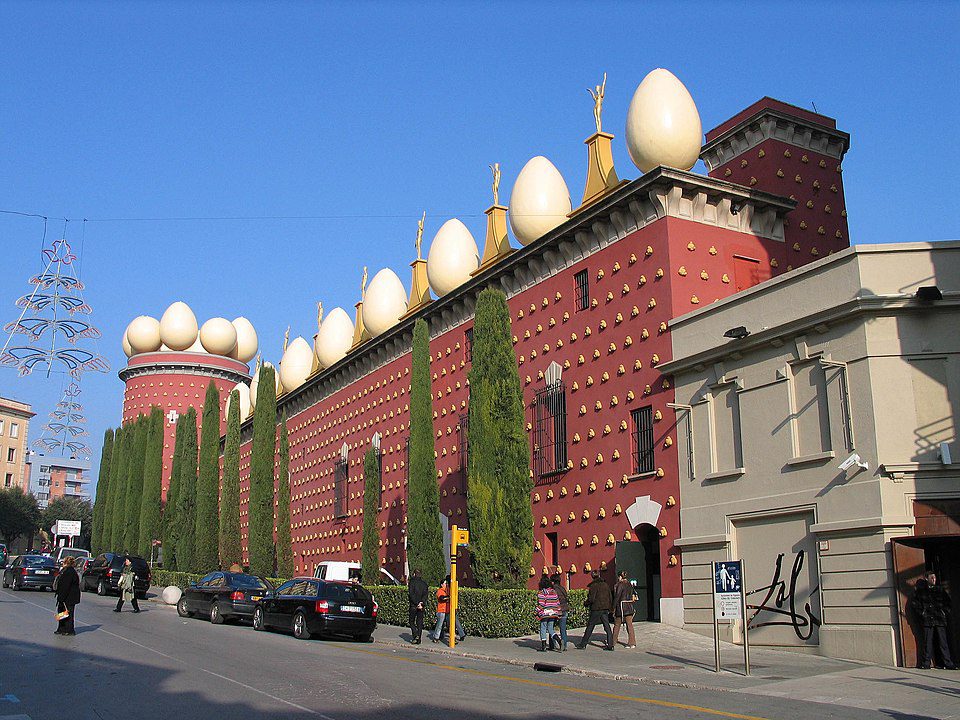
From the iconic Montserrat Monastery nestled in the Catalan Pyrenees to the surreal Dalí Theatre-Museum in Figueres, your day trips promise unforgettable moments outside Barcelona’s urban pulse.
Top Picks for Day Trip Destinations
Girona’s well-preserved old town with its Jewish quarter and Roman ruins stands out as a must-see, while Sitges boasts sandy beaches with a lively vibe.
The volcanic landscapes of La Garrotxa natural park present one of the best natural places in Catalonia for outdoor enthusiasts, and Tarragona impresses with its Roman ruins that are a UNESCO World Heritage site.
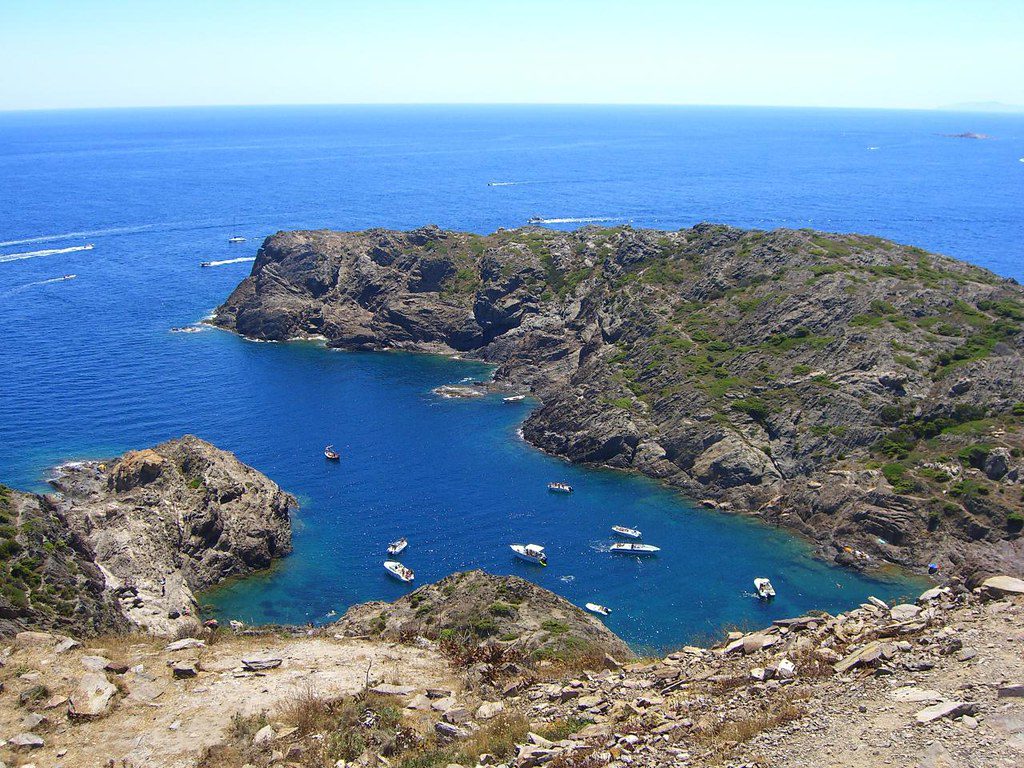
For seaside charm, visit fishing villages like Cadaqués and charming spots along the Costa Brava, including Cap de Creus, where the Mediterranean meets rugged cliffs.
Accessing These Hidden Gems from Barcelona
You can reach most of these gems comfortably within one to two hours from Barcelona by train, bus, or car.
Girona and Figueres lie northeast along well-connected rail lines, while Tarragona and Sitges are easily accessible to the south by regional trains.
Renting a car offers flexibility for exploring remote sites like the Garrotxa Volcanic Natural Park or the monastery of Sant Pere de Rodes.
Seasonal bus routes also connect to popular hiking and beach destinations, ensuring that you can navigate around Catalonia with ease.
Bus services from Plaça de Catalunya extend to medieval towns like Besalú and natural parks such as Aigüestortes, while car rentals from central Barcelona allow you to craft personalized walking routes through the Catalan Pyrenees or along the coast.
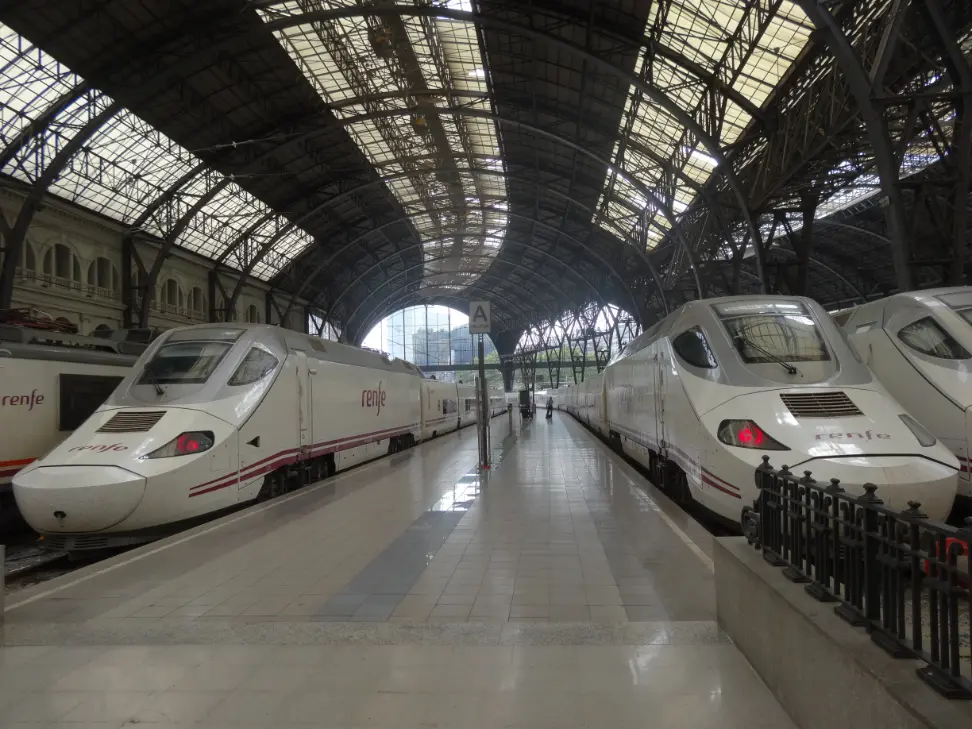
Trains departing from Barcelona’s Estació de França or Sants station connect directly to Girona, Figueres, and Tarragona, offering quick and scenic routes that enhance your experience.
Combining these transport options means you can seamlessly include several highlights in your itinerary for things to see and do, maximizing your time exploring Catalonia beyond the city.
Travel Smart: Essential Tips for Your Catalonia Adventure
Exploring Places to Visit & Things to Do in Catalonia means balancing vibrant city life with serene natural escapes.
Pack a reliable map or app to navigate from Barcelona’s bustling old town and Sagrada Familia to hidden gems like the Garrotxa volcanic natural park or Cadaqués and Cap de Creus.
Stay hydrated, especially when hiking routes in the Catalan Pyrenees or visiting the Montserrat Monastery.
Local etiquette favors modest beachwear in villages like Sitges and using Catalan greetings. The best experiences often come from blending things to do in Catalonia with respecting Catalan culture and nature.
Best Times to Visit for Optimal Experience
You’ll find spring (April to June) and early autumn (September to October) offer mild weather, perfect for visiting beaches in Catalonia like those on the Costa Brava or hiking in Aigüestortes i Estany de Sant Maurici National Park.
Summer brings vibrant festivals in Barcelona and Tarragona, but also larger crowds and higher prices. Winter suits those aiming for ski resorts in the Catalan Pyrenees or exploring quieter medieval towns like Besalú.
The scenery is spectacular year-round, but timing your visit enhances everything to do in Catalonia.
Packing Essentials for Your Journey
A versatile wardrobe suits your Catalonia travels: lightweight layers for Mediterranean beaches, sturdy shoes for volcanic trails in Garrotxa, and smart casual wear for evening dining at renowned best restaurants.
Don’t forget swimwear for the blue flag beaches near Sitges or Cadaqués. A portable charger and a phrasebook for Catalan and Spanish ensure connectivity and smoother interactions.

The weather shifts between Pyrenees ski resorts and coastal fishing villages, so prepare accordingly for variable climates.
Accessories like sunscreen and a reusable water bottle protect you while exploring natural parks such as Parc Natural de la Garrotxa or hiking near Montserrat Monastery.
A crossbody bag or daypack keeps valuables safe in crowded Barcelona spots like La Rambla or during festivals. Extra memory cards for photography capture Catalonia’s stunning scenery, from Dalí Theatre-Museum in Figueres to the Sagrada Família.
Smart packing makes every moment among places to visit & things to do in Catalonia more comfortable and memorable.
Final Thoughts on Experiencing Catalonia’s Charm
Diving into places to visit & things to do in Catalonia reveals a stunning blend of rich Catalan culture, spectacular scenery, and historic treasures.
You’ll find enchanting medieval towns like Besalú and Castellfollit de la Roca, alongside the vibrant streets of Barcelona and Girona.
Relaxing on the beaches in Catalonia along the Costa Brava or exploring natural parks such as Garrotxa Volcanic Park and Aigüestortes i Estany de Sant Maurici National Park provide unforgettable experiences.
With iconic landmarks like the Sagrada Família and Montserrat Monastery, plus the artistic legacy of Dalí in Figueres and Cadaqués, every corner offers something unique.
Whether you’re hiking in the Catalan Pyrenees or wandering the old town, places to visit & things to do in Catalonia create the perfect mosaic to explore and enjoy throughout your journey.
FAQs
What are the best places to visit in Catalonia outside Barcelona?
Some of the best places to visit outside Barcelona include Girona, Tarragona, and the beautiful Costa Brava. Each of these locations offers unique attractions, such as the Roman ruins in Tarragona, the charming villages in Girona, and stunning coastal views along the Costa Brava.
What is Montserrat, and why should I visit the Montserrat Monastery?
Montserrat is a mountain range near Barcelona, famous for its stunning rock formations and the Montserrat Monastery, which houses the revered Black Madonna. Visitors are drawn to Montserrat for its breathtaking views, hiking opportunities, and spiritual significance.
Can you tell me about the attractions in Catalonia related to Salvador Dalí?
Catalonia is home to several attractions related to Salvador Dalí, including the Dalí Theatre-Museum in Figueres, which showcases his works and offers insight into his life. Additionally, Cadaqués, where Dalí spent much of his time, is a picturesque village worth exploring.
What is the significance of the Sagrada Família in Barcelona?
The Sagrada Família is an iconic basilica designed by architect Antoni Gaudí and is a UNESCO World Heritage site. It is famous for its unique architectural style and intricate designs, and it is considered one of the most important attractions in Barcelona.
What can I explore in the Aigüestortes i Estany de Sant Maurici National Park?
Aigüestortes i Estany de Sant Maurici National Park is a natural park in the Pyrenees known for its stunning landscapes, hiking trails, and diverse wildlife. Visitors can enjoy various outdoor activities, including trekking, photography, and observing the park’s lakes and waterfalls.
What are some historical sites to see in Tarragona?
Tarragona is rich in history, featuring Roman ruins that are a UNESCO World Heritage site, including the Roman amphitheater, aqueduct, and the ancient city walls. These attractions provide insight into the region’s past and are must-see sites for history enthusiasts.
What can I do in Sitges, and what makes it a popular destination?
Sitges is a vibrant coastal town known for its beautiful beaches, lively nightlife, and cultural festivals. It is popular among both locals and tourists, offering a mix of relaxation and entertainment, including art galleries, restaurants, and the annual Sitges Carnival.
How can I experience the local culture in Girona?
To experience local culture in Girona, visitors can explore its medieval architecture, stroll along the picturesque streets of the Old Town, and visit the Jewish Quarter. Additionally, trying traditional Catalan cuisine at local restaurants will enhance your cultural experience.
What are the highlights of Park Güell in Barcelona?
Park Güell is a public park designed by Antoni Gaudí, featuring colorful mosaics, unique architectural structures, and panoramic views of the city. It is one of Barcelona’s most famous attractions and a great place to relax and enjoy Gaudí’s artistic vision.
What should I know about visiting the Palau de la Música Catalana?
The Palau de la Música Catalana is a concert hall in Barcelona renowned for its stunning Modernisme architecture. Visitors can take guided tours to explore its intricate designs and learn about its history, or attend a concert to fully appreciate its acoustics and beauty.