Skip to content

Slow Travel Destinations: 2026 Vacation and Travel Trends


In 2026, slow travel has officially become one of the dominant forces shaping how people vacation. Travelers are moving away from rushed itineraries, crowded hotspots, and checklist sightseeing toward longer stays, deeper connections, and more restorative experiences. Reports from Expedia, Condé Nast Traveler, CNBC, Forbes, and BBC Travel consistently highlight slow travel as the defining trend of the year — driven by burnout recovery, sustainability awareness, digital detox desires, and a craving for authenticity.
What is Slow Travel?
Slow Travel is a travel mindset that prioritizes depth over speed. It means taking time to truly experience a place—its people, culture, food, and rhythms—rather than rushing from one checklist site to another.
What it stands for
- Pace: Slower, more relaxed travel days; longer stays in fewer places.
- Place attachment: Getting to know a neighborhood or town like a local.
- Experience over ticking boxes: Immersive activities, meaningful interactions, and quality experiences.
- Low-impact: Reduced travel footprint by using slower transport and supporting local ecosystems.
What it looks like in practice
- Stay longer: Weeks or months in one or two places rather than a whirlwind tour.
- Travel slowly: Use trains, buses, ferries, bikes, or walking instead of quick flights.
- Live like a local: Stay in neighborhoods, cook at home, shop at local markets, and learn some basics of the local language.
- Richer experiences: Take workshops, guided walks with locals, slow-food meals, or cultural experiences tailored to the place.
- Responsible choices: Support small, locally owned businesses and minimize waste.
Why do people choose it
- More authentic, memorable experiences.
- Less stress and rush.
- Better connections with people and culture.
- Environmental and economic benefits for local communities.
Why Slow Travel Is Exploding in 2026
Several converging factors make 2026 the perfect year to embrace slow travel:
- Post-burnout recovery — Many people seek mental restoration after years of fast-paced living and travel.
- Sustainability push — Fewer flights, less movement, and more support for local economies reduce environmental impact.
- Overtourism backlash — Travelers avoid mega-destinations in peak season, seeking quieter, under-the-radar places.
- Wellness & digital detox — “Reading trips,” farm stays, silence-seeking escapes, and nature immersion dominate wish lists.
- Longer stays are easier — Remote work, monthly rental discounts (often 30–50% off), and flexible visas make extended trips feasible.
Benefits of Slow Travel
- Deep cultural immersion and meaningful connections: time to learn local customs, language, cuisines, and daily life beyond tourist spots.
- Richer, more memorable experiences: slower pacing allows you to notice details, have conversations, and build stories rather than ticking off highlights.
- Lower stress and higher enjoyment: fewer rushed itineraries, less transit fatigue, and more control over your day-to-day schedule.
- Environmental benefits: often lower carbon footprint per trip when you minimize flights and favor trains, buses, walking, and cycling.
- Economic support for local communities: more money stays with local artisans, guides, and small businesses, promoting sustainable tourism.
- Personal growth and skills: greater adaptability, patience, planning, language practice, and intercultural understanding.
- Authentic itineraries and fewer crowds: time to discover hidden gems, local neighborhoods, and offbeat activities.
- Budget advantages: longer stays can reduce daily costs, unlock discounts, and allow better value for lodging and experiences.
- Health and well-being: more physical activity (walking, cycling) and reduced jet lag from fewer long-haul hops.
- Sustainable travel mindset: encourages mindful consumption, slow food, local sourcing, and longer, more deliberate travel
Rise of Farm Stays and Agritourism
Imagine this:
You could spend a whole month wandering lavender-scented lanes in Europe… Or lose an entire season among rice paddies and golden sunsets in Asia… Or chase endless backroads on a slow, soul-filling road trip across North America.
Slow travel doesn’t just give you more photos — it hands you richer memories and the kind of deep, quiet rest your body and mind have been begging for.
And right now, in 2026, something magical is happening. Farm stays and agritourism have become the beating heart of slow travel.
Travelers are saying no to whirlwind tours… and yes to longer, slower, richer journeys.
They’re unplugging completely — trading notifications for birdsong, crowded streets for open fields, checklists for real mornings on the land.
Picture yourself waking up to mist curling over pastures… Stepping outside to feed curious goats that nudge your pockets for treats… Picking sun-warmed tomatoes still glistening with dew… Or kneading dough beside a farmer who’s been baking the same sourdough for forty years.
You might spend the afternoon learning to milk a cow, taste honey straight from the hive, or shape soft cheese with your own hands.
Every meal becomes a story: vegetables you helped harvest, eggs still warm from the coop, herbs snipped minutes before they hit the pan.
These experiences aren’t just vacations — they’re quiet revolutions. By staying longer in one place, you pour money directly into small family farms instead of big tourism machines.
You shrink your carbon footprint simply by moving less and sinking deeper.
Most of all, you build real connections: The shy smile of the farmer’s daughter when you finally get her name right…
The grandfather who teaches you the old way to prune vines and then pours you a glass of last year’s wine… Conversations that stretch into golden evenings with no agenda except being there.
What starts as “just a trip” quietly turns into something much bigger — a living, breathing exchange that feeds your soul, teaches you something lasting, and reminds you what it feels like to move at the gentle, healing pace the world was always meant to have.
Slow travel isn’t small. In 2026, it’s the most powerful way to come back home feeling truly alive.
Top Slow Travel Destinations for 2026
Here are standout places trending strongly for intentional, immersive travel this year. They reward longer stays with walkable neighborhoods, seasonal rhythms, local markets, and space to simply be.
1. Istria, Croatia — The “Tuscany of Croatia.”
Istria is emerging as one of the most compelling under-the-radar regions for 2026. This peninsula offers rolling hills, olive groves, truffle forests, medieval hill towns, and a stunning Adriatic coastline — all without the crowds of Dubrovnik or Split.
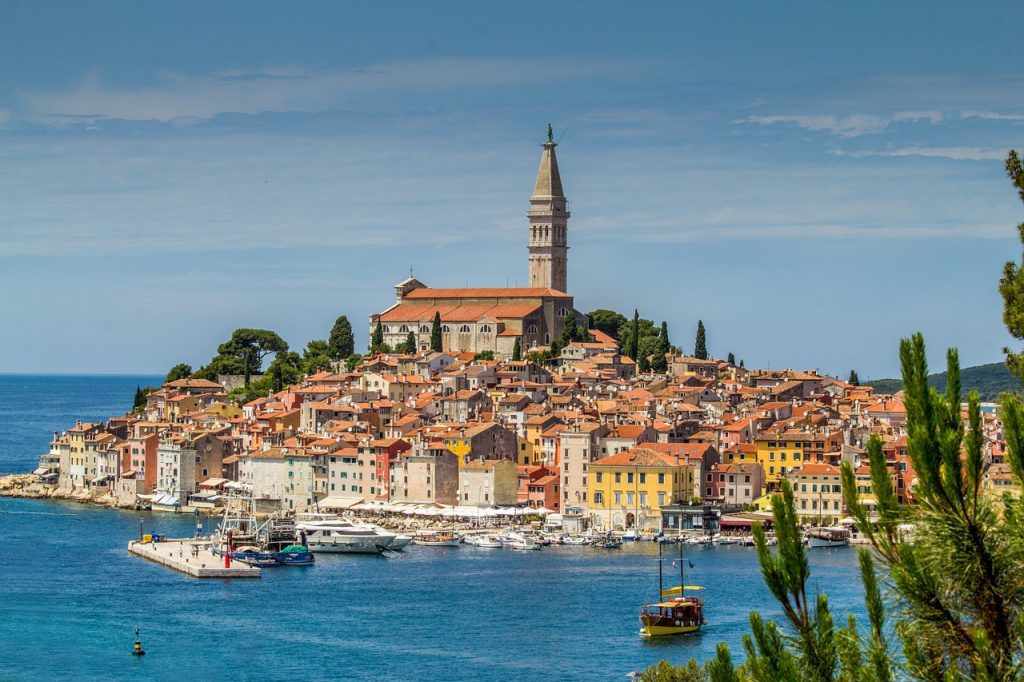
Why it’s perfect for slow travel: Stay in a stone villa or agritourism farm near Motovun, Grožnjan, or Rovinj for 2–4 weeks. Cycle between villages, join truffle hunts in the fall, attend olive oil tastings, and shop at weekly markets. Shoulder seasons (April–May or September–October) bring lower prices and peaceful vibes.
How to immerse
- Rent a car or e-bike for village-hopping
- Take cooking classes focused on Istrian pršut (prosciutto), fuži pasta, and fresh seafood
- Base yourself in one town and walk or bike daily — no need for constant relocation
2. Provence & Rural France (Beyond the Lavender Hype)
Provence remains timeless for slow travel, especially in lesser-visited areas like the Luberon villages, Alpilles, or Ardèche.
Why 2026 Farm stays (chambres d’hôtes), weekly markets, and vineyard walks shine in shoulder seasons. New eco-lodges and restored mas farmhouses make longer rentals more appealing.
Immersion ideas
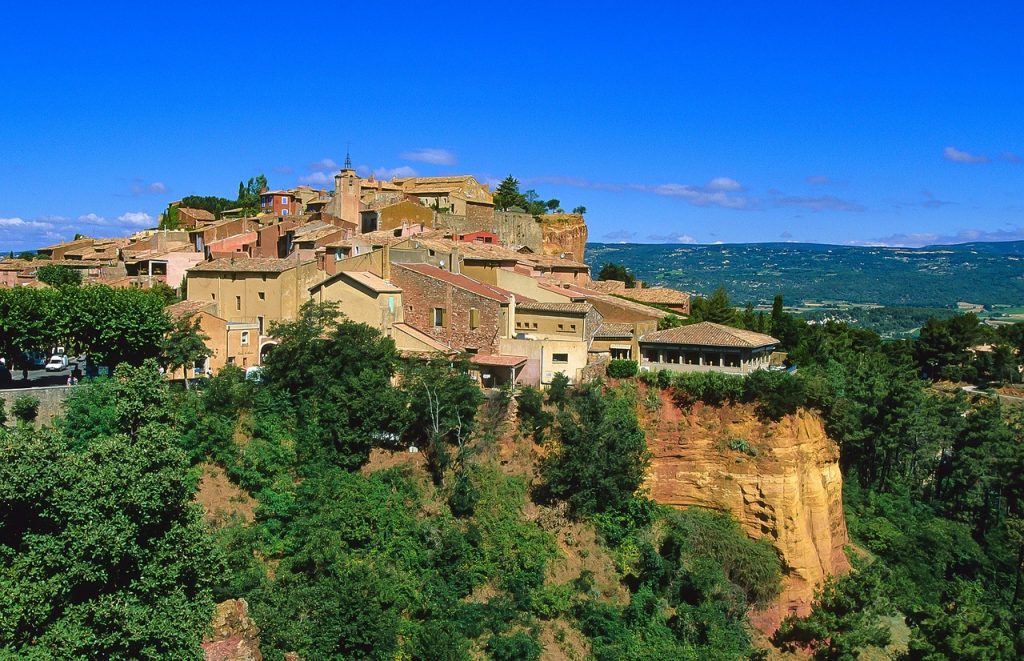
- Stay 3 weeks in a village like Gordes, Bonnieux, or Saint-Rémy-de-Provence
- Join a weekly market routine (e.g., Apt on Saturday)
- Learn basic Provençal cooking or natural wine tasting
- Walk or cycle the quiet backroads between villages
3. Puglia, Italy — Slow Italian Summer Perfection
Puglia’s trulli houses, whitewashed towns, olive groves, and long coastline offer dreamy slow travel without Amalfi-level crowds.
Standout areas
- Valle d’Itria (Alberobello, Locorotondo, Ostuni)
- Salento peninsula (beach towns like Otranto or Gallipoli)
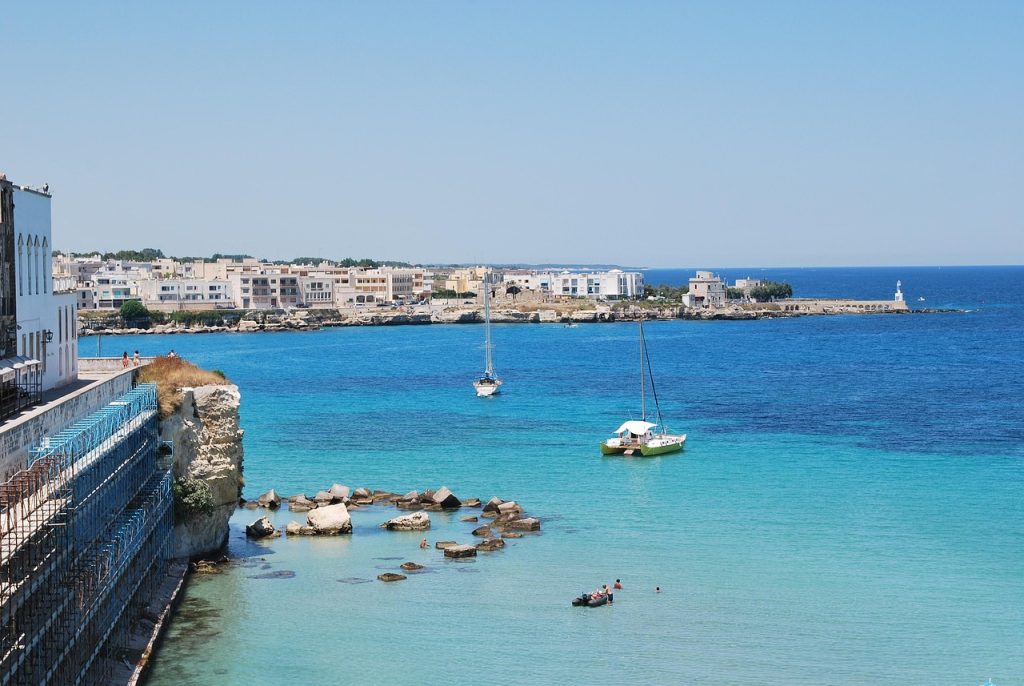
Practical slow stay Book a trullo or masseria for 2–4 weeks. Shop at markets, cook with local burrata and orecchiette, swim in clear Adriatic waters, and attend village festas.
4. Tasmania, Australia — Wild South for Nature Lovers
Tasmania is having a major moment in 2026 as Australia’s “wild south” — offering hiking, stargazing, cool-climate wines, and vast open spaces.

Why slow Remote cabins, farm stays, and trails like the Three Capes Track reward multi-week immersion. Low population density means silence and dark skies are easy to find.
How to do it: Base in Hobart or Launceston, then rent a car for regional exploration. Stay in eco-lodges or working farms for 10–21 days.
5. Savannah, Georgia & Coastal Southeast USA
Savannah tops many 2026 slow travel lists for its walkable historic district, moss-draped oaks, Southern pace, and nearby beaches/plantations.
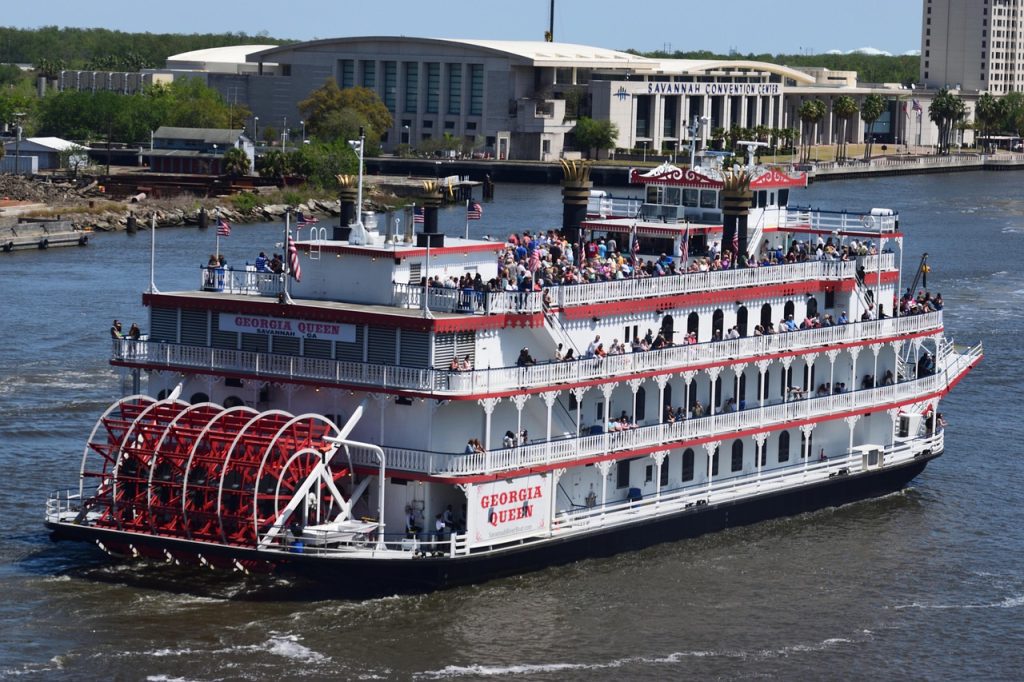
Extended stay tips: Rent an apartment in the historic district or Tybee Island for 2–4 weeks. Walk daily, join food tours, read in Forsyth Park, and day-trip to nearby Lowcountry spots.
Other strong U.S. contenders: Door County (Wisconsin), Mackinac Island (Michigan), Hudson Valley (New York), and Northern New Mexico.
6. Mongolia — Intentional Slowness in Vast Landscapes
Mongolia embodies purposeful slow travel: vast steppes, nomadic culture, and journeys that force presence over checklists.

2026 appeal: New responsible tourism operators offer longer homestays with nomadic families, horse treks, and ger camp immersion.
Best approach: Plan 2–4 weeks with one base camp and day excursions — perfect for a deep cultural connection.
7. Other Rising Stars for Slow 2026
- Comporta, Portugal — Quiet beaches and rice fields south of Lisbon
- Thessaloniki & Northern Greece — Byzantine history, food markets, and Halkidiki beaches
- Sardinia, Italy — Hiking, cycling, and archaeological sites with a sustainable focus
- Phuket’s quieter side (Layan Beach), Thailand — Wellness and nature escape
- Yukon Territory, Canada — Aurora chasing, hot springs, and remote cabins
How to Stay Longer and Truly Immerse Yourself
Turning a destination into a temporary home is the heart of slow travel. Here’s how to do it effectively in 2026.
Accommodation Strategies
- Monthly rentals — Airbnb, Booking.com, and Vrbo offer 20–50% discounts for 28+ nights. Look for places with kitchens and washing machines.
- Agritourism & farm stays — Book via local associations (e.g., Agriturismo in Italy, Welcome to Our Farm in the US) for authentic immersion.
- Serviced apartments — Ideal for mid-length stays with hotel-like amenities.
Daily Rhythm & Immersion Tactics
- Build routines — Coffee at the same café, market on the same day, evening walk in the same park.
- Learn the basics of the language — Even 30–50 phrases change interactions dramatically.
- Cook & shop locally — Visit markets 3–4 times a week; cook 50% of meals with regional ingredients.
- Join low-key activities — Cooking classes, language exchanges, yoga, or volunteer days (Worldpackers, Workaway).
- Use slow transport — Trains, buses, walking, biking, or e-bikes — scenic and low-impact.
Practical Planning Tips
- Stay longer in fewer places: 3–7 days per base helps you go deeper.
- Base in a town with a strong local scene and easy ground transit (rail, bus, or short drives).
- Shoulder seasons — April–May / September–October often give better weather, prices, and crowds than peak summer.
- Mix nature, food/wine, and culture each week to keep it varied without rushing.
- Pack light — One carry-on encourages local laundry and less stress.
- Choose agriturismi, guesthouses, or small inns over big hotels for more authentic routines and a slower pace.
- Budget realistically — Longer stays reduce per-day costs dramatically (accommodation + fewer transport days).
- Leave space — Keep 50–60% of days unscheduled for spontaneity and rest.
Final Thoughts: Make 2026 Your Year of Deeper Travel
Slow travel isn’t about doing less — it’s about experiencing more. In 2026, the world rewards those who linger: the vendor who remembers your order, the quiet trail you walk daily, the meal you cook with ingredients from the morning market.
Pick one place that calls to you, book a longer stay, and let the destination unfold at its own pace. You’ll return home not with a long list of photos, but with stories, connections, and a sense of true rest.
Where are you thinking of slowing down in 2026? A European village, a North American coastal town, an Asian countryside escape? The possibilities are richer than ever.
FAQs: Slow travel in 2026
What is slow travel, and how does it differ from fast travel or traditional vacation styles?
Slow travel is a travel style that emphasizes spending more time in fewer places, getting to know a place like a local, and prioritizing quality over quantity rather than rushing from site to site.
Unlike fast travel or frequent flights that prioritize seeing many highlights quickly, slow travel focuses on immersive experiences, cultural immersion, emotional connection, and space for rest. This shift toward meaningful experiences and unhurried exploration is one of the biggest vacation trends moving into travel in 2026.
Why is slow travel becoming a major travel trend for 2026?
Travelers are increasingly seeking connection over checklists and value long-term stays that allow them to know a place deeply. The slow travel movement is driven by a desire for wellness, less carbon-intensive travel, and meaningful experiences — all features expected to shape 2026 travel trends.
People want a slow travel experience that offers locally sourced hospitality, opportunities for cultural immersion, and the chance to spend days or even weeks in one home base rather than hopping between destinations.
How do I plan a slow travel trip in 2026 — what should be on my checklist?
To plan a slow travel trip, choose a home base and book longer accommodations (farm stays, apartments, guesthouses) to allow time for reading retreat moments, local routines, and immersive experiences.
Your checklist should include researching destinations for slow travel, local culture and traditions, transportation options for slower movement (trains, buses, bikes), ways to support local hospitality and businesses, and pockets of free time to take your time and explore hidden gems rather than following a strict itinerary.
What are the benefits of slow travel for wellness and the overall travel experience?
Benefits of slow travel include reduced travel stress, deeper cultural understanding, better emotional connection to destinations, and improved mental wellness through unhurried days and space for rest.
Slow-paced travel offers time to savor coffee culture, participate in local traditions, or enjoy serene getaways and reading retreats, making the vacation more restorative and meaningful than a rushed tour of ancient ruins or big-city highlights.
Which are the best slow travel destinations and hidden gems for 2026?
Best destinations for slow travel in 2026 often include regions where hospitality, locally sourced food, and community life are easy to access: rural European towns, Southeast Asian farm stays (including areas around Bangkok but outside the city), coastal villages, and lesser-known U.S. regions across the U.S. that combine nature and culture.
Look for places offering immersive experiences, cultural immersion, and opportunities to stay longer in one place to truly explore the world at a slower pace.
How does slow travel vs traditional tourism impact local communities and sustainability?
Slow travel tends to support local economies more evenly because travelers spend more money locally on food, guides, and services over a longer time. It encourages sustainable practices by reducing frequent flights and emphasizing connections with local culture and traditions.
The shift toward spending more time in one place fosters respectful engagement and helps preserve authenticity rather than overloading popular tourist checklists.
Can I combine slow travel with work or digital nomad life in 2026?
Yes. Many slow travelers now choose a hybrid approach: work remotely from a comfortable home base for weeks or months, balancing productive days with slow travel experiences in the evenings and weekends.
This allows for immersion, deep knowledge of place, and a better work–life balance — a style of travel that aligns with the 2026 travel trend of longer stays and meaningful experiences rather than frequent flights.
What practical tips help me get the most from an immersive slow travel experience?
Practical tips include booking longer stays, learning a few local phrases, eating where locals eat, joining community events or classes, using slow transport options, and allowing unscheduled days for wandering and discovery. Prioritize connection over checklists, seek out local guides for cultural immersion, and consider farm stays or reading retreat-style accommodations to create space for rest and reflection.
How do I know if slow travel is right for me — is it suitable for families or short vacations?
Slow travel is adaptable: families can enjoy deeper bonds through longer stays in child-friendly destinations, and short vacations can be reframed as mini slow travel getaways by selecting one area and fully engaging with it rather than packing in many stops.
If you value emotional connection, meaningful experiences, and a slower pace, slow travel will likely enhance your travel experience regardless of trip length.
How Long Should a Slow Travel Trip Be?
How long a slow travel trip should be depends on your goals, but for meaningful immersion in local culture and daily life, plan for at least two to four weeks; for deeper connections, seasonal work or study, or truly getting off the tourist track, consider several months.
Slow travel in 2026 emphasizes lingering longer in fewer places to reduce transit, support sustainable tourism, and give yourself time to build routines, explore neighborhoods, learn language basics, and form relationships with locals—so prioritize quality of experience over the number of destinations when setting your itinerary.