Skip to content

Ultimate Guide: Solo Travel in Costa Rica


Dreaming of lush rainforests, wild beaches, and pura vida vibes? This ultimate guide to solo travel in Costa Rica covers safe routes, budget tips, must-see national parks, hostel hotspots, and off-the-beaten-path adventures—so you can explore confidently, connect with locals, and craft an unforgettable journey on your own terms.
Key Takeaways
1. Safety is Manageable with Common Sense. Costa Rica is an ideal “starter” country for solo travelers. While violent crime is rare, petty theft is the primary concern. Stay safe by avoiding walking alone at night (especially in San José, Puntarenas, and Liberia), keeping valuables hidden, and using official taxis or ride-sharing apps.
2. Be Alert for Common Scams Be particularly cautious at bus stations. Ignore strangers who claim your bus has already left and offer you a private ride—this is a classic scam. Always trust your gut and stick to official transport.
3. Embrace the “Solo-Friendly” Infrastructure. The country is highly supportive of solo travelers, especially women. From “Solo Female Friendly” tours in La Fortuna to social hostels and group activities like surf lessons and guided hikes, there are endless opportunities to meet fellow travelers and build a community.
4. Balance Your Budget with “Sodas” and Buses To keep costs between $60–$120 per day, eat at local “Sodas” (traditional small restaurants) and utilize the public bus system. While private shuttles and guided tours are more expensive, they offer convenience and increased safety for those less comfortable navigating alone.
5. Timing Affects Both Cost and Experience. Visit during the Dry Season (December–April) for predictable sunshine and surfing. Alternatively, choose the Green Season (May–November) for lower prices, fewer crowds, and lusher landscapes, though you must be prepared for heavy afternoon rains.
6. Prioritize Guided Experiences for Wildlife and Adventure. To maximize sightings of sloths, toucans, and turtles, book licensed guides. Not only does this protect the wildlife, but it also ensures you stay on safe trails—especially in technical areas like the Monteverde Cloud Forest or Arenal Volcano.
7. Personal Growth Through “Pura Vida” Solo travel here is more than a vacation; it’s a confidence booster. Navigating the jungle, learning basic Spanish phrases, and problem-solving on the fly foster self-reliance and a deeper appreciation for nature and slow travel.
For a complete overview of solo travel, see our Ultimate Solo Travel Guide
Is it actually safe for a first-timer? Let’s talk about it
Not every horror story you’ve heard applies here; Costa Rica is largely friendly to first-timers, especially if you stick to tourist hubs and daytime activities. You’ll face mainly petty theft, not violent crime, so a few common-sense habits will keep you fine while you explore.
My honest take on why Costa Rica is the best “starter” country
Many people assume Central America is too risky – but Costa Rica’s strong tourist infrastructure, English-friendly spots like La Fortuna, and tons of group tours make it ideal if you’re starting solo travel. You’ll meet other solos easily, whether you’re an Adventure GatG or a Beach GatG.
Staying out of trouble: the basic rules you shouldn’t break
Avoid the idea that you need extreme caution; just follow a few clear rules: don’t walk alone at night, lock your stuff, and never get into unknown cars. Watch for bus-station scams and keep valuables out of sight.
If you think small theft is unavoidable, think again – common-sense steps stop most issues. Use well-reviewed hostels or hotels, ask staff about sketchy areas (Puntarenas, Liberia, parts of San Jose), and prefer official taxis or apps.
At bus stations, ignore anyone telling you the bus left and offering a car ride – that’s a classic scam, so don’t get in. Learn a few Spanish phrases, carry a photocopy of your passport, and trust your gut if a situation feels off.
Why you’ll probably feel safer here than back home
Some travellers expect more danger than they’ll find; Costa Rica’s tourist focus, visible hostels and day tours, plus the Solo Female Friendly endorsements, mean you’ll likely feel secure. Nature and wildlife-focused spots tend to be calm and social.

Expect to find a travel ecosystem that supports solos: you can join guided hikes, surf lessons, or wildlife tours where guides look out for groups, and many hostels organise meetups so you won’t be wandering alone.
Local hospitality is real, English is common in tourist towns, and the biggest threats are petty scams rather than violent crime – so if you follow the basics, you’ll probably end up feeling safer than you anticipated.
What’s the real deal for solo female travelers?
Many female solo travelers find Costa Rica welcoming, with plenty of wildlife and easy tours, but expect some petty crime; avoid walking after dark in San José, Puntarenas, and Liberia. La Fortuna is generally safe and English-friendly, so you can join tours and meet fellow GatG travellers.
What solo female travel actually looks like on the ground
Day-to-day, you’ll hop between surf towns, volcano hikes, and wildlife spotting; expect hostel common rooms, morning coffee at sodas, and easy day tours. If you’re an Adventure, Beach, or Wildlife GatG, you’ll find your crew-just keep valuables tucked away and never walk alone at night in San José or around bus stations.
Smart safety hacks that’ll keep your mind at ease
Quick tips: use official taxis or apps, never accept unsolicited car offers at bus stations, carry a photocopy of your passport, and blend in with local dress. If you can, book Solo Female Friendly tours-La Fortuna and organized excursions reduce risk. Avoid beaches alone after dark and steer clear of Playa Jaco’s nightlife areas late.
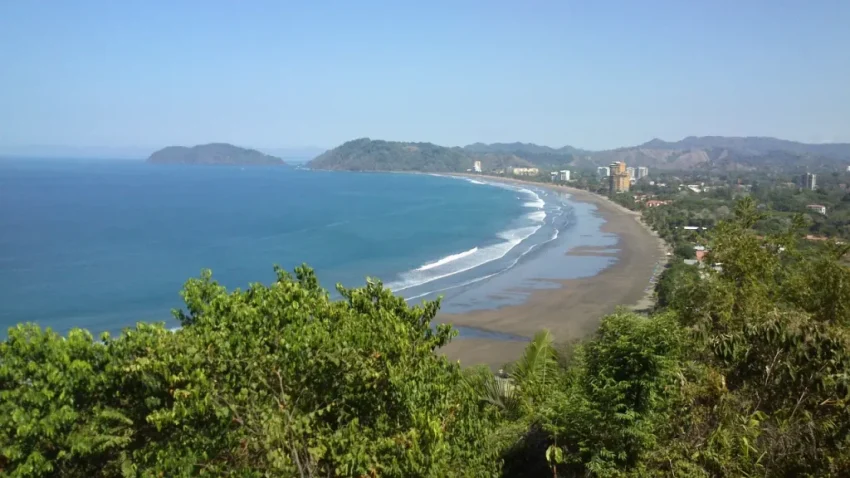
Unlike big-city soloing, Costa Rica just needs simple precautions: ask hostel staff about safe routes, use official taxi stands or ride apps, and never get into a random car at San José bus station, even if someone says your bus has left.
Learn a little Spanish, split cash and cards, and choose Solo Female Friendly tours around La Fortuna to meet others and lower risk.
Navigating the local scene and culture with confidence
When you join a coffee tour or a soda lunch, you’ll meet locals and fellow solos; ask questions, be curious, and polite. Go to Spanish classes if you want buddies. Respect beach rules and wildlife viewing distances, and avoid wandering alone after sunset in San José, Puntarenas, or near bus stations.
Mix local etiquette with common sense: learn basic greetings, always ask before photographing people or animals, and join small-group wildlife or surfing trips to meet Nature, Ocean, or Wildlife GatG types.
Don’t flash valuables, use a day pack with lockable zips, and trust your gut-if a place feels off, leave and find a busier spot or your hostel.
Why being alone in Costa Rica is actually a huge confidence boost
Solo travel in Costa Rica forces you to act, decide, and problem-solve on the fly, so every successful bus hop or booked tour builds real confidence; you’ll also learn to spot petty crime risks and choose safer routes, especially after dark.
Small wins – catching a bus, joining a hike – add up fast, and you come home braver.
Finding yourself when it’s just you and the jungle
Jungle mornings strip away distractions so you hear yourself again; you watch toucans and sloths and feel calmer, more grounded. Spending time as a Nature GatG sharpens patience and self-reliance, and quiet hikes on rainforest trails give you space to make clearer choices about who you are and what you want.
Why getting a little lost is actually part of the fun
Getting lost on rural roads or in towns leads you to hidden sodas, local characters, and unexpected beaches; those detours teach improvisation. Keep an eye out for unsafe areas after dark and stash valuables, and you’ll turn wrong turns into the best stories of your trip.
Explore side streets and you’ll stumble on the best bits – a family-run soda, a hand-drawn waterfall map, or a local who points you to a quiet beach. Ask in broken Spanish or a hostel mate when unsure, keep copies of documents, avoid walking after sunset in San Jose, Puntarenas, and Liberia, and never accept rides from strangers at bus stations; those scams still happen.
Those small missteps teach map-reading, taxi-haggling and safer route choices, and suddenly you’re handling travel problems you would’ve panicked at before.
How a solo trip here changes the way you see the world
Seeing Costa Rica alone shifts your priorities: you value slow mornings, local coffee, and small wildlife encounters over crowded attractions. Those quiet moments reshape perspective, and you’ll return more patient, curious, and selective about how you spend your time and money.
You’ll come back preferring a sunrise hike to a packed tour, and time as an Adventure GatG, Ocean GatG or Wildlife GatG shows how daily habits affect nature, so you start valuing conservation and slow travel.
Expect sharper instincts around safety, better Spanish phrases, and a quieter confidence when planning trips and life choices. Those subtle shifts stick with you – in the way you travel, who you travel with, even what matters at home.
How do I even plan this thing? Itineraries and money
Average daily costs in Costa Rica run about $60-120, depending on style, and 7-14 day trips usually save you transit time. If you’re solo, mix hostels, shared shuttles and a couple of guided tours to cut costs. Keep a buffer and avoid walking alone at night in sketchy areas.
Sample 7-14-day routes that actually make sense for one person
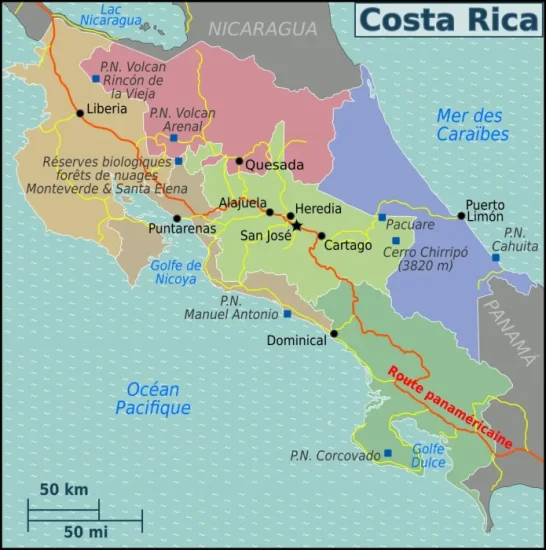
Most 7-14 day routes hit 2-3 regions: Arenal for zip lines, Monteverde for cloud forests, and Nicoya for beaches, so you won’t feel rushed. Pick one hub and day trips, book a couple of guided tours, and you’ll meet others. Expect easy transport links and plenty of solo-friendly hostels.
Picking the best time to visit so you don’t get soaked
Dry season runs from December to April, giving you the best chance of blue skies and surfable waves. If you travel in the green season, expect fewer crowds but heavy rains in September and October. Decide whether you want sunshine for hiking or quiet, cheaper stays when it’s wetter.
Rainfall peaks in September and October, especially on the Pacific coast, so you’ll face muddy trails and cancelled boat trips; pack a waterproof jacket and quick-dry layers.
If you don’t mind afternoon downpours, you’ll enjoy lower prices, fewer tourists, and lush jungle. Want predictable weather? Aim for Jan-Mar, but book early for holidays.
Planning a trip that fits your vibe on any budget
You can travel in Costa Rica on a $30/day backpacker budget or spend $150-250 for comfort; mix and match. Choose hostels and local sodas for cheap eats, or splurge on one or two guided experiences. Prioritise what matters to you and keep a small emergency fund for safety and transport.
Hostels average $10-30/night in popular towns, while private rooms usually cost $40-100, so you can tailor stays to your vibe. If you’re Adventure GatG book a guided canopy day, Ocean GatG might splurge on surf lessons, Nature GatG can save on transport and spend more on guided wildlife tours.
Always check Solo Female Friendly reviews and book critical transfers ahead.
My favorite spots for solo travelers (and why they rock)
Recently, more solo female travellers are booking eco-hostels and day tours, so you’ll meet fellow GatG types fast. Pack light, learn basic Spanish and note petty crime around bus stations – avoid walking alone at night. This guide’s picks are Solo Female Friendly and built for you.
From the chillest beaches to the misty cloud forests
Coastal spots like Santa Teresa and Tamarindo suit Beach and Ocean GatG, while Monteverde’s cloud forests call to Nature and Wildlife GatG. You’ll get easy hikes, epic birdwatching, and short transfers, plus guided trails that keep things safe when you’re exploring solo.
Why Manuel Antonio is seriously a solo traveler’s dream
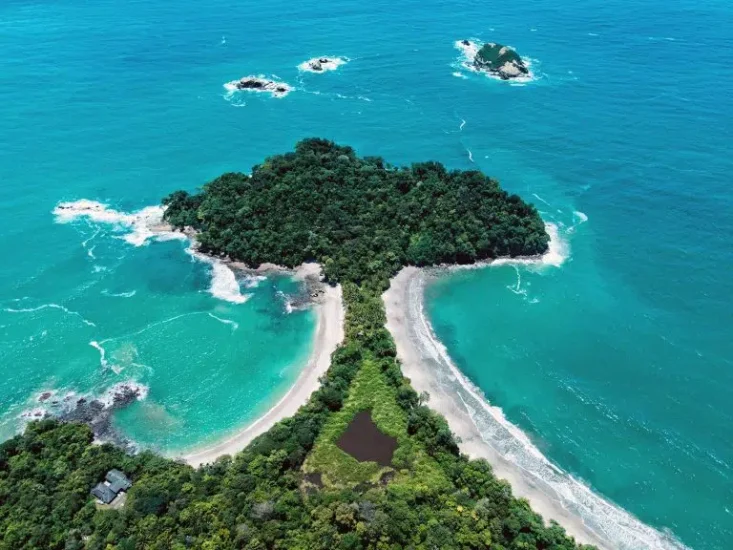
Manuel Antonio mixes short, wildlife-filled trails with white-sand beaches, so you’ll spot sloths and monkeys without long, risky treks; the town has safe, social hostels and handy tours to join when you want company.
Because the national park’s main loop is compact and busy, you won’t get lost, and you’ll see wildlife on short walks. Hostels and local operators run group snorkeling, boat trips and sunset tours, so meeting people is easy.
Keep valuables hidden and watch for petty theft in tourist areas, but overall, Manuel Antonio is Solo Female Friendly and accessible.
Finding those hidden gems away from the tourist traps
Seek out towns like Nosara or quieter Pacific coves, ask hostel staff or fellow GatG travellers for tips, and use buses or shared shuttles to reach lesser-known beaches. Stay aware of scams at bus stations and skip isolated beaches after dark.
Local tips and a bit of Spanish earn you access to tiny waterfalls, secret surf breaks, and rural reserves big buses miss. You’ll often get better wildlife viewing and calmer hostels.
Keep copies of documents, secure valuables, and avoid hitching rides from strangers – small precautions let you enjoy those quieter, special spots.
All the cool stuff you’ve gotta do while you’re there
Picture stepping off a morning bus into a humming surf town and choosing between zip lines, volcano hikes or a wildlife boat tour; you’ll want to cram it all in. Book local, solo-friendly tours and heed safety advice-don’t wander after dark. For tips, see How to master solo travel in Costa Rica: the ultimate guide.
Adrenaline rushes: zip-lining, surfing, and volcano hikes
Try the Monteverde canopy for tree-top zips, surf at Santa Teresa, or tackle Arenal’s trails; expect mud, sweat and epic views. Join a guide for technical routes and pack a rain jacket. Don’t hike Cerro Chato alone; it’s easy to get lost.
Getting up close and personal with the local wildlife
Spot sloths in Manuel Antonio, toucans in Monteverde, and turtles nesting at Tortuguero; book guided walks for the best sightings. Carry binoculars, stay on trails and never touch or feed animals to protect you and the wildlife.
Join guided night hikes in Monteverde or boat trips in Tortuguero to catch nocturnal creatures and turtle arribadas; guides know the trails, timings and local rules. Bring a headlamp with a red filter, use a zoom lens rather than getting close, and ask about nesting seasons-some sites enforce strict viewing distances.
Yoga, wellness, and finding your community in surf towns
Find daily drop-in classes, weekend retreats and community sound baths in Nosara and Santa Teresa; join a morning surf and yoga crew to meet people. Expect laid-back vibes, healthy eats and plenty of chances to reset.
You’ll find drop-in classes from $8, week-long retreats with meditation and surf coaching, and wellness centres offering massages and juice bars. Try morning classes to catch calm seas, bring cash for small studios, and book early in high season to secure spots-surf towns fill fast.
The boring paperwork you seriously can’t skip
Worried about paperwork? You need a valid passport, proof of onward travel, and travel insurance. Check visa rules and keep digital copies handy, and read this thread: I’m solo traveling to Costa Rica in a week, please let me … for real questions solos ask.
Travel insurance vitals: don’t leave home without it
Want to avoid a hospital bill nightmare? Get insurance with medical evacuation and adventure-sport cover for zip-lining, rafting and surfing. Carry policy details, emergency contacts and a scanned copy on your phone and cloud so you can act fast if you need help.
Entry rules and how long they’ll actually let you stay
Curious how long you can stay? Most visitors receive 90 days of tourist entry, but that varies by nationality and proof of onward travel – check with your embassy before you fly.
Wondering what they’ll check at the border? Pack a passport with at least 6 months’ validity, a printed return or onward ticket and proof of funds, because immigration can ask.
Some nationalities need visas or extra paperwork, and if you overstay, you’ll face fines or deportation, so plan your dates and possible extensions carefully.
SIM cards, cash, and staying healthy in the tropics
Got connectivity and health covered? Buy a local SIM at the airport for cheap data, carry small cash for sodas and buses, and pack mosquito repellent, sunscreen, and oral rehydration salts to dodge common tropical problems.
Bring a SIM from Kolbi, Movistar, or Claro for the best coverage and top up at convenience stores – data is affordable. Tourist spots often accept US dollars but keep some colones for buses, markets, and ATMs; watch withdrawal fees. For health, stay on routine vaccines, use repellent, and treat bites early.
What’s this going to cost me? The real budget breakdown
Think Costa Rica will break the bank? You can do two weeks on a budget or splash out – expect to pay most for tours and private transfers; food, buses, and hostels are affordable. Budget around $40-100/day depending on style; factor in tour costs and safety extras if you prefer guided trips.
An honest look at where your money actually goes
Many people assume accommodation eats your budget, but guided tours, domestic flights, and private shuttles often do. If you love wildlife or adventure, set aside cash for park fees and day tours. You’ll save by eating at sodas and choosing hostels or simple guesthouses.
Sneaky ways to save on your transport and stays
Skip the idea that you must book private shuttles; public buses are cheap and reliable, and you can snag shared shuttles for mid-range comfort. Book day travel when possible and avoid walking alone at night, because petty theft happens after dark in some towns.
One myth is that saving means missing out on experiences. You can take local buses, cook in hostel kitchens, and grab last-minute tour deals at town kiosks – that’s where locals sell cheaper spots.
Want to rent a scooter? In beach towns, it’s a steal. Use shared shuttles for long hops, haggle on multi-night stays in low season, and always take daytime travel; avoid strange rides after dark and don’t accept offers from strangers.
Why visiting in the “Green Season” is a total budget win
Visiting in the “Green Season” doesn’t mean nonstop rain; mornings are often dry. You’ll score big discounts on tours and stays, see fewer crowds, and see more active wildlife. Pack a lightweight rain jacket and expect some mud on roads.
During the green season, the rain tends to hit afternoons and nights, so mornings are golden for hikes and surf sessions. Hotels slash prices and tour operators lower rates to fill spots – score shared tours and last-minute deals. Wildlife’s on fire, waterfalls roar, and beaches are emptier.
Watch out, though, some rural roads get slippery and occasional closures happen, so plan flexibly and carry travel insurance; muddy roads can waste a day. Want peace and savings? This is when you go.
Eating solo and soaking up the “Pura Vida” vibe
Sitting alone at meals isn’t awkward in Costa Rica – you can chat with servers or other travellers and actually feel part of the scene. Try communal tables, grab a coffee, and soak up the Pura Vida energy. You’ll eat well on a budget, meet people easily, and just be mindful to avoid wandering alone after dark.
Why eating at “Sodas” is the best way to save and be social
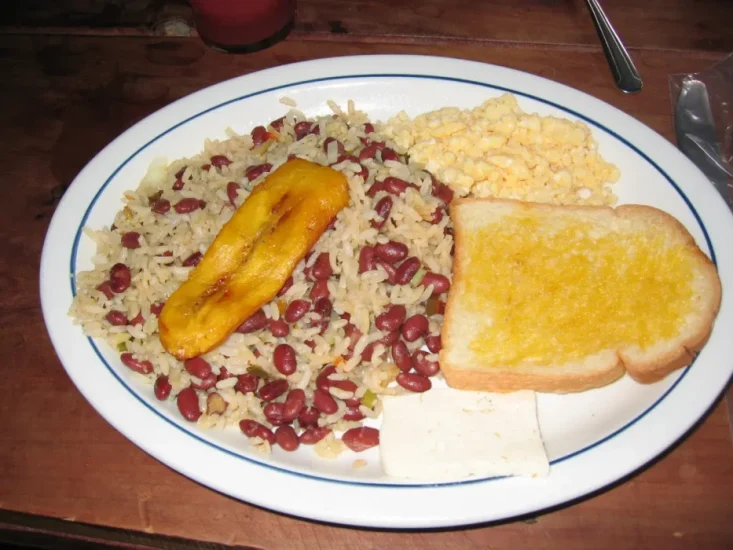
Sodas aren’t just cheap dives; they’re local hubs where you can save money and meet folks. You can order a casado, practise Spanish with the owners, and sit at the counter to strike up a conversation. Expect authentic food, low prices, and a friendly atmosphere – carry cash, and you’ll fit right in.
Navigating the nightlife scene when you’re on your own
Going out solo doesn’t have to be risky, but pick busy, well-lit spots, join hostel pub crawls, and use trusted taxis or apps for rides. Keep valuables out of sight and avoid walking alone after dark – simple steps that let you enjoy the evening and still stay safe.
Stick close to the main bars at first, especially if you’re new in town – that doesn’t mean you can’t branch out later. Ask hostel staff for recommended nights, go out earlier so streets are busier, and pair up with other travellers when possible.
Don’t leave drinks unattended, use licensed taxis, and beware Playa Jaco at night; pick established beach towns like Tamarindo or La Fortuna if you want easier social scenes.
Learning the lingo: phrases that’ll make your life easier
Thinking you need fluent Spanish? Nope – a handful of phrases will change everything. Learn greetings, numbers, and how to ask for help, and you’ll get friendlier service and smoother travel. Use por favor and gracias, and you’ll feel more confident and safer straight away.
Practice doesn’t mean perfection; using simple, practical phrases wins you smiles. Memorise necessities like “¿Dónde está el baño?”, “¿Cuánto cuesta?” and “¿Me puede ayudar?“, keep an offline translator and a short phrase list on your phone, and join a language exchange if you can.
Locals appreciate the effort; you’ll solve small problems faster, and it makes meeting people so much easier.
To wrap up
From above, this Costa Rica Solo travel guide proves Costa Rica is Latin America’s safest solo option. You’ll find friendly locals, clear transport options, and plenty of solo-friendly tours, so go on, trust your itinerary, book a few guided days, and get out there, right?
FAQs: Solo Travel in Costa Rica
Is Costa Rica safe for solo travellers and solo female travellers?
Costa Rica is generally considered safe for solo travel and female solo travel, with low violent crime compared to many countries, but petty theft can occur in tourist areas.
Take common-sense travel safety precautions: avoid isolated areas at night, keep valuables secure, use hotel safes, share your itinerary with someone at home, and choose well-reviewed hotels in popular places to stay in Costa. Joining Costa Rica tours for solo travelers or group activities like guided hikes can also improve safety and social opportunities.
When is the best time to visit Costa Rica, and time to visit Costa Rica for a solo trip?
The best time to visit Costa Rica depends on your plans: the dry season (December to April) is ideal for beaches and many outdoor activities, while the green season (May to November) offers fewer crowds, lower prices, and lush landscapes.
For birdwatching, wildlife, and waterfall visits in regions like Manuel Antonio National Park, consider the shoulder months (May-June, November) for good weather and quieter parks. Check the weather for specific regions because the Pacific and Caribbean coasts can differ.
How can I get around Costa Rica, and what are the best ways to get around Costa Rica?
To get around Costa Rica, you can use public buses, domestic flights, shuttle services, car rental, and taxis. Buses are cheap and connect major towns; shuttle vans are faster and more convenient for travelers; domestic flights save time for long distances.
If you plan an independent route through national parks and remote beaches, renting a 4×4 may be useful. Always confirm schedules, book reputable providers, and factor in longer travel times when planning Costa Rica itineraries.
What are the must-see places to visit in Costa Rica on a solo travel itinerary?
Top places to visit include Manuel Antonio National Park for wildlife and beaches, Arenal/La Fortuna for volcanoes and hot springs, Monteverde Cloud Forest for canopy tours and wildlife, Tortuguero for turtle nesting and jungle canals, and the Nicoya Peninsula for surf and sunsets. Tailor your trip to Costa Rica around your interests—adventure travel, wildlife, beaches, or volunteering in Costa Rica—and build an itinerary that balances days of activity with rest.
Are there Costa Rica tours for solo travelers or guided options I should consider?
Yes, many operators offer Costa Rica tours for solo travelers, including small-group adventure tours, wildlife-focused excursions, and day trips to Manuel Antonio National Park.
Guided tours are great for meeting other travellers, learning about Costa Rican wildlife and ecosystems, and simplifying logistics. Look for tour operators with strong reviews, clear safety standards, and options that match your fitness and interest level.
Can I volunteer or work in Costa Rica while traveling solo, and how to arrange volunteering in Costa Rica?
Volunteering in Costa Rica is a popular option for longer stays; opportunities range from conservation and wildlife projects to teaching English and community development. Research reputable organizations, check reviews, and what is included (housing, meals, orientation), and confirm any visa or work permit requirements if you plan to work.
Volunteering can enrich your experience, offer structured social connections, and deepen your understanding of Costa Rica as a solo traveler.
How much money should I budget for a solo trip to Costa Rica, and what is the currency of Costa Rica?
Budget depends on travel style: backpackers can manage on a modest budget using buses and hostels, mid-range travelers should budget for private transfers, decent hotels, guided tours, and activities. Costa Rica’s currency is the Costa Rican colón (CRC), but US dollars are widely accepted in tourist areas.
Expect higher prices for imported goods and tourist services compared to other Central American destinations; plan extra for activities like zip-lining, national park fees, and guided excursions.
What practical travel tips should I know for planning a solo trip to Costa Rica?
Key travel tips: book accommodations in advance during high season, carry insect repellent and reef-safe sunscreen, get travel insurance that covers adventure activities, learn basic Spanish phrases, respect local wildlife and park rules, and check entry requirements.
For transportation, verify bus schedules ahead of time and consider booking private shuttles for convenience. Keep digital and paper copies of important documents, and register travel plans with your embassy if available.
How can I experience Costa Rican wildlife, and what are the best activities for a solo traveler in Costa Rica?
To experience Costa Rican wildlife, visit national parks like Manuel Antonio National Park, Tortuguero, and Corcovado, take guided night walks to spot frogs and mammals, join birdwatching tours, and explore the Costa Rican jungle with a naturalist guide.
Adventure activities—zip-lining, white-water rafting, and surfing—are great solo travel options that also help you meet fellow travelers. Always choose licensed guides to protect wildlife and ensure a safe, informative experience.