Skip to content

Where To Travel In Southeast Asia For 3 Weeks: The Best Itinerary Guide


A three-week journey across Southeast Asia offers ample time to visit various nations, sample incredible dishes, and experience some of the world’s most breathtaking scenery. However, proper preparation is key. This guide details exactly how to travel in Southeast Asia for 3 Weeks, and how to spend your 21 days without wasting a moment.
Last Updated: 2026-6-10
Is 3 Weeks Enough for Southeast Asia?
Yes — and no. Southeast Asia is vast. You could spend 1 month in Thailand alone and still not see everything. But if you think 3 weeks is a solid window, you’re right. It’s enough time to explore 2–3 countries properly, rather than racing through 5 and feeling exhausted.
The key is focus. Pick a region. Go deep. You’ll get far more out of your trip that way.
Three weeks in Southeast Asia works best when you avoid the temptation to overload your itinerary. Less is more. Trust this.
Where to Go in Southeast Asia for 3 Weeks?
The most popular combinations for a 3-week Southeast Asia itinerary are:
- Thailand + Cambodia + Vietnam — the classic route
- Thailand only — north to south, beaches to temples
- Vietnam + Cambodia — history-heavy and beautiful
- Thailand + Laos — slower pace, river towns, mountains
- Vietnam from north to south — one country done properly
For most first-timers, the three countries route of Thailand, Cambodia, and Vietnam is the gold standard. It covers a huge variety of experiences: buzzing cities, ancient temples, limestone landscapes, and world-class street food.
Route 1: Thailand, Cambodia & Vietnam (Most Popular)
This is the classic 3 week southeast asia itinerary. It flows geographically and gives you genuine variety. Here’s how it usually breaks down:
- Bangkok, Thailand — 3 nights
- Chiang Mai, Thailand — 3–4 nights
- Siem Reap, Cambodia — 3 nights
- Ho Chi Minh City, Vietnam — 2 nights
- Hoi An or Da Nang — 3 nights
- Hanoi, Vietnam — 2 nights
- Ha Long Bay / Halong Bay cruise — 2 nights
That’s roughly 18–19 travel days, leaving a buffer for delays, slow days, or spontaneous detours. It’s a solid, road-tested route.
Route 2: Vietnam North to South (Deep Dive)
If you want to do 3 weeks in Vietnam properly, skip the country-hopping entirely. Vietnam is long — over 1,600 km from top to bottom. One country in Southeast Asia can easily fill your entire trip.
Start in Hanoi. Do a Halong Bay overnight boat trip. Head south through Hue and Hoi An. End in Ho Chi Minh City. You’ll feel like you actually know the place by the time you leave.
Route 3: Thailand Focus (Beaches + Culture)
Weeks in Thailand alone can be extraordinary. Bangkok to Chiang Mai to the southern islands is a classic loop. You’ll cover urban chaos, mountain temples, and turquoise water — all in one trip to Thailand.
The Classic 3-Week Southeast Asia Itinerary: Day-by-Day
Here’s a detailed breakdown of the most popular Southeast Asia itinerary for first-timers. It covers three countries and hits the major highlights without burning you out.
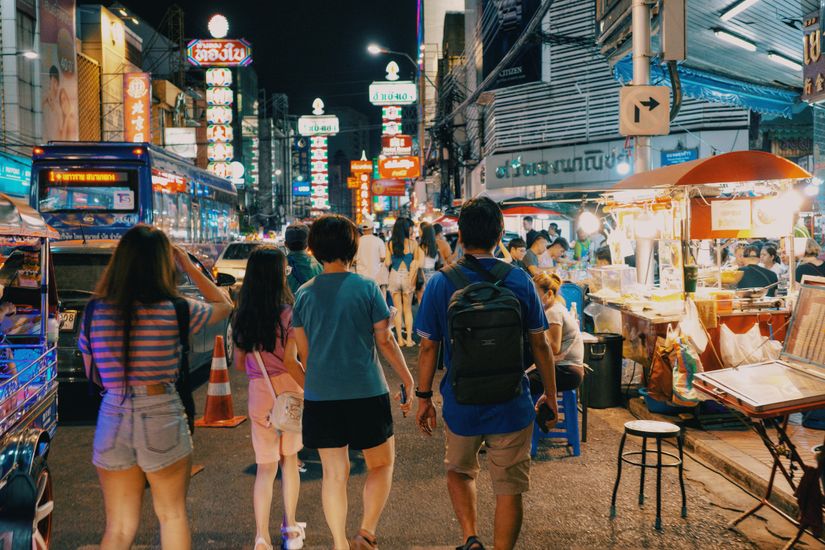
Days 1–3: Bangkok, Thailand
Fly into Bangkok. Most international round-trip flights into Southeast Asia land here, making it the perfect entry point. Bangkok is enormous, loud, and endlessly fascinating.
Spend your first full day visiting the Grand Palace and Wat Pho. These are the most famous temple sites in the country, and they’re genuinely stunning. Get there early to beat the crowds.
On day two, explore the city’s neighborhoods. Khao San Road is the backpacker hub. Silom and Sukhumvit have better food and rooftop bars. Take a long-tail boat along the Chao Phraya River.
Day three is great for a day trip to Ayutthaya, the ancient capital of Thailand. It’s about 80 minutes by train from Bangkok. The ruins are incredible and often overlooked by first-time visitors.
Days 4–7: Chiang Mai, Thailand
Take a flight from Bangkok to Chiang Mai — it’s around 1.5 hours, and flights are cheap. Chiang Mai is one of the best cities in all of Southeast Asia. The old city is surrounded by a moat. Night markets run every day. The food scene is world-class.
Chiang Mai deserves at least 3 nights, ideally four. Use the time to visit Doi Suthep, the iconic temple perched on a mountain above the city. Go to a cooking class. Visit an ethical elephant sanctuary. Wander Nimman Road in the evenings.
If you have extra time during your weeks in Southeast Asia, Chiang Mai rewards slow travel. It doesn’t rush you.
Days 8–10: Siem Reap, Cambodia
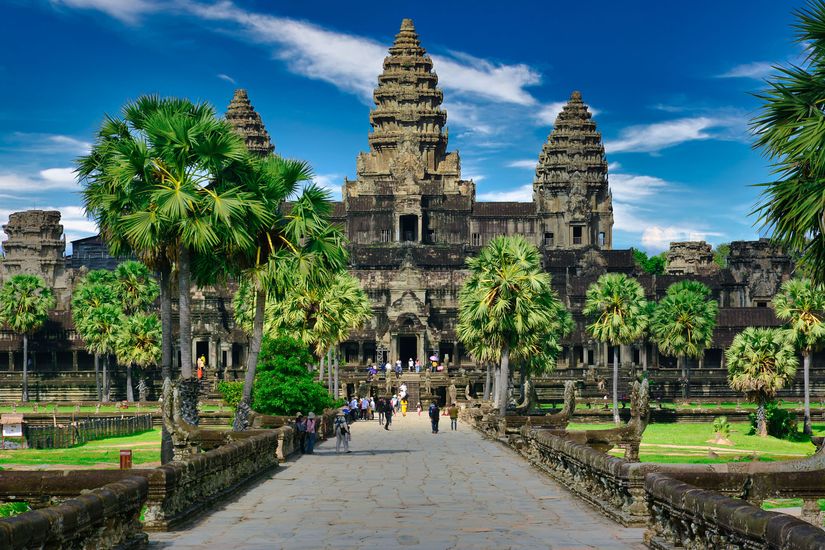
Fly from Chiang Mai to Siem Reap. There are direct flights, or you can connect through Bangkok. Siem Reap is the gateway to Angkor Wat, one of the most extraordinary archaeological sites on the planet.
Angkor Wat is a UNESCO World Heritage Site and the largest religious monument in the world. Give it at least a full day — ideally two. Sunrise at Angkor Wat is worth waking up at 4 AM for. The reflection in the moat as the sky turns pink is something you won’t forget.
Beyond Angkor, Siem Reap is a charming town. Pub Street is touristy but fun. The food markets are great. You can also take a boat trip on the Tonle Sap lake, the largest freshwater lake in Southeast Asia.
3 nights in Siem Reap is the sweet spot. Some travelers ask: is 3 weeks too long in Cambodia? If you’re only visiting Siem Reap, three weeks would be overkill. But Cambodia has more to offer — Phnom Penh, the coast, the countryside. For a deeper Cambodia experience, 7–10 days isn’t unreasonable.
Days 11–12: Ho Chi Minh City, Vietnam
Fly from Siem Reap to Ho Chi Minh City. It’s a short flight. Ho Chi Minh City (still called Saigon by many locals) is chaotic and electric. The motorbike traffic alone is a spectacle.
Visit the War Remnants Museum. It’s sobering and important. Walk through Ben Thanh Market. Eat pho and bánh mì from street stalls. Take a day trip to the Cu Chi Tunnels, an extraordinary underground network used during the Vietnam War.
Two nights is enough here before heading north.
Days 13–15: Hoi An, Vietnam
Fly north to Da Nang, then take a short taxi ride to Hoi An. This ancient trading port is one of the most beautiful towns in Southeast Asia. The old town is lantern-lit at night and pedestrianized, which makes it feel genuinely magical.
Hoi An is famous for tailor-made clothes. Order something on day one, pick it up before you leave. The food here is outstanding too — the local dish cao lầu is unique to this town.
Spend 3 full days here. Rent a bicycle and visit the nearby beaches. Take a cooking class. Take a boat ride on the Thu Bon River at sunset.
Days 16–17: Hanoi, Vietnam
Fly to Hanoi. The capital of Vietnam is completely different in feel from Ho Chi Minh City. It’s older, cooler in temperature, and more French colonial in its architecture. The Old Quarter is a tangle of streets named after the goods once sold there.
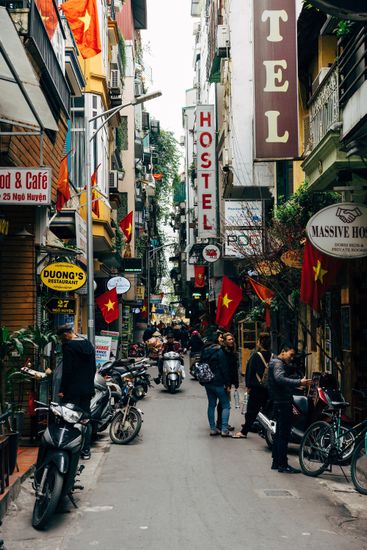
Eat bun cha (the dish Anthony Bourdain ordered with Barack Obama). Walk around Hoan Kiem Lake in the morning. Visit the Ho Chi Minh Mausoleum.
Hanoi is also your jumping-off point for Ha Long Bay.
Days 18–20: Ha Long Bay / Halong Bay Cruise
A Ha Long Bay overnight cruise is one of the highlights of any Southeast Asia travel experience. The bay contains over 1,600 limestone karst islands rising from emerald water. It’s genuinely otherworldly.
Book a 2-night cruise to really experience it. One-night cruises rush you. Two nights let you kayak through caves, swim in secluded coves, and watch the mist roll over the islands at dawn.
Many cruises also go to Lan Ha Bay or stop at Cat Ba Island for hiking. The whole Ha Long Bay experience is worth every penny.
Days 20–21: Fly Home from Hanoi
Head back to Hanoi and catch your international flight home. If your round-trip flights allow flexibility, consider extending to Luang Prabang in Laos — just a short flight from Hanoi or Chiang Mai. But that’s a bonus, not a requirement.
Where to Go in Southeast Asia for a Short Trip?
If you only have 1–2 weeks, narrow your focus to one destination. For a week trip, Bangkok + Chiang Mai or Siem Reap alone work beautifully. For 10 days, add a beach: Krabi in Thailand or the islands near Ho Chi Minh City in Vietnam.
A short trip to Southeast Asia still packs a serious punch. Even 7 days in Bangkok and Chiang Mai will feel like more than a month back home.
How Much Does It Cost to Travel Southeast Asia for 3 Weeks?
Costs vary hugely depending on your travel style. Here’s a realistic breakdown:
Budget Traveler
- Hostels, local food, bus travel: $40–60/day
- Total for 3 weeks: approx. $840–1,260 (excluding flights)
Mid-Range Traveler
- Guesthouses, mix of local and restaurant meals, some flights: $80–120/day
- Total for 3 weeks: approx. $1,680–2,520 (excluding flights)
Comfortable Traveler
- Boutique hotels, guided tours, internal flights: $150–250/day
- Total for 3 weeks: approx. $3,150–5,250 (excluding flights)
International round-trip flights from North America or Europe typically add $700–1,200. From Australia, often less. Budget airlines like AirAsia, Vietjet, and Scoot handle most internal flight routes cheaply — often under $50 per flight if booked ahead.
Getting Around: Flights, Buses, and Trains
Transport is a big part of planning any Southeast Asia trip. Here’s what to know.
Internal Flights
For this route, you’ll take several internal flights: Bangkok to Chiang Mai, Chiang Mai to Siem Reap, Siem Reap to Ho Chi Minh City, and more. These budget airline flights are usually $30–80 each if booked a few weeks in advance.
Book flights through Skyscanner or directly with the airline. AirAsia is the dominant budget carrier across the region. For Vietnam travel specifically, Vietjet and Bamboo Airways are reliable and cheap.
Bus Travel and Overland Routes
If time allows, bus travel between countries can be a great experience. The Bangkok to Siem Reap overland route is popular. So is the Ho Chi Minh City to Phnom Penh (Cambodia) bus. These routes take 5–8 hours but are scenic and cheap.
You can also travel overland through Laos between Thailand and Vietnam, which adds a beautiful slow-travel dimension. Luang Prabang in Laos is the highlight of this detour — a sleepy UNESCO town on the Mekong River, full of saffron-robed monks and French-Lao bakeries.
The slow boat from Thailand to Luang Prabang along the Mekong is a legendary journey in its own right.
Train Travel
Train travel is worth considering in Vietnam specifically. The Reunification Express runs the full length of the country. It’s slow, but the coastal scenery between Da Nang and Hue is spectacular. Book sleeper trains for overnight legs.
Best Time to Visit Southeast Asia
Southeast Asia has two main seasons: wet and dry. The dry season is generally the best time to visit, but it varies by country and region.
- Thailand: Best November–April. Rainy season: June–October.
- Cambodia: Best November–April. Heavy rain: July–September.
- Vietnam: Complicated — the north and south have opposite seasons. Hanoi and Halong Bay are best October–April. Ho Chi Minh City is best November–April.
- Laos: Best November–March. Very hot April–May.
November to February is the sweet spot for covering all three countries on the classic route. However, shoulder season (May, October) offers thinner crowds and lower prices, with manageable weather.
If you’re visiting Cambodia and wondering whether the rainy season is too wet to start there — it depends on the month. July and August are heaviest. October starts to clear. November is usually fine.
Is 3 Weeks Too Long in Cambodia?
For most travelers, no — three weeks in Cambodia alone would feel like too long unless you go deep off the beaten track. But in the context of a broader Southeast Asia itinerary, 3–5 days in Cambodia is standard, and it’ll leave you wanting more.
If you do want to extend your time in Cambodia, consider adding Phnom Penh (the capital, with the devastating Killing Fields memorial) and the coastal town of Kep or Kampot. These are slower, quieter destinations that give you a completely different side of the country.
Essential Travel Tips for Southeast Asia
A few practical notes before you go.
Visas
Most nationalities get visa-on-arrival or e-visa access to Thailand, Vietnam, and Cambodia. Always double-check your specific passport, as rules change. Vietnam requires an e-visa applied for in advance. Cambodia visa-on-arrival is easy at major entry points. Thailand currently offers 60-day visa-free stays for most Western passport holders.
Travel Insurance
Get travel insurance. Seriously. Most standard annual insurance plans only cover shorter holidays — not a 3-week backpacking trip abroad. Look for a policy that covers medical evacuation, trip cancellation, and adventure activities (if you’re doing anything sporty).
World Nomads and Safety Wing are popular choices among long-term travelers.
Cash and Cards
ATMs are widely available in cities. In more rural areas, carry cash. Cambodia uses US dollars widely. Vietnam and Thailand use their local currencies (dong and baht respectively). Notify your bank before you travel to avoid getting your card blocked.
Booking Flights
Local websites like Traveloka work well for booking cheap flights within Southeast Asia. Skyscanner is good for comparison. For the cheapest results, book internal flights 3–6 weeks ahead. Last-minute internal flights are usually expensive.
Solo Travel
Southeast Asia is one of the safest and most welcoming regions in the world for solo travel. Infrastructure for solo travelers is excellent. Hostels are social, travel agencies are helpful, and well-worn routes mean you’ll always meet other travelers.
Check travel forums like Lonely Planet’s Thorn Tree or Reddit’s r/solotravel for up-to-date local advice.
Health
Visit a travel clinic before you go. Hepatitis A, typhoid, and tetanus vaccinations are commonly recommended. Some areas have malaria risk (rural regions, not cities). Dengue fever is present throughout the region — use DEET-based mosquito repellent.
Are Southeast Asia Bali Trips Worth Adding?
Bali is in Indonesia, not mainland Southeast Asia, so it’s a separate destination. Many travelers do ask: is a Southeast Asia itinerary incomplete without Bali? Not really. Bali is its own world and deserves its own trip. If you try to squeeze it into a 3-week mainland itinerary, you’ll end up rushing everything.
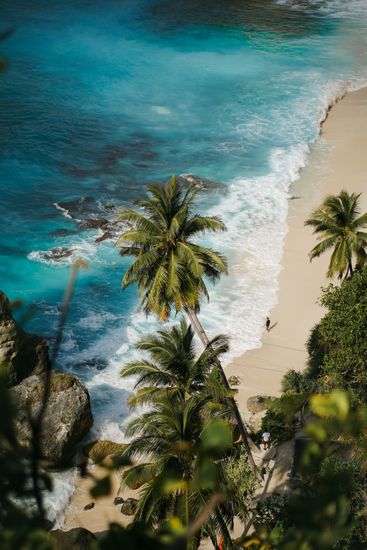
A trip to the Philippines presents similar tradeoffs. The Philippines is spectacular, but adding it onto a mainland itinerary makes travel days brutal. Save it for a dedicated trip.
Alternative Itineraries for 3 Weeks in Southeast Asia
The Beach-Heavy Route
Bangkok (3 nights) → Krabi or Koh Lanta (5 nights) → Koh Samui (4 nights) → Singapore (3 nights) → Bali, Indonesia (5 nights). This one’s heavy on relaxation and light on temples. Great for couples and beach lovers.
The Slow Travel Route
Luang Prabang, Laos (5 nights) → Chiang Mai, Thailand (5 nights) → Hoi An, Vietnam (5 nights) → Hanoi (4 nights) → Halong Bay cruise (2 nights). This is the perfect Southeast Asia itinerary for people who hate rushing. Three countries, no chaos.
The Adventurer’s Route
Hanoi (2 nights) → Sa Pa trekking (3 nights) → Halong Bay cruise (2 nights) → Hoi An (3 nights) → Ho Chi Minh City (2 nights) → Mekong Delta (2 nights) → Phnom Penh, Cambodia (2 nights) → Siem Reap (3 nights). This packs in incredible diversity — mountains, sea, rice paddies, ancient ruins.
Frequently Asked Questions
Can I book cheap flights between Southeast Asian countries?
Yes. Budget carriers like AirAsia, Vietjet, and Scoot connect most major cities across the region. Booking 3–6 weeks in advance usually gets you fares under $50. Use Skyscanner or Traveloka to compare. Avoid booking the day before — prices spike.
Is Southeast Asia good for first-timers?
Absolutely. It’s one of the most popular destinations in the world for first-time travelers in Asia, precisely because it’s accessible, affordable, and endlessly interesting. The tourist infrastructure is excellent. English is widely spoken in hotels, restaurants, and attractions. You don’t need to be an experienced traveler to have an incredible trip.
How do I create my own itinerary?
Start with the countries you most want to visit, then work backwards from your flight dates. Allow at least 2–3 nights per destination. Factor in travel time between places — bus journeys can take a full day. Leave buffer days. The best itinerary is one that doesn’t feel like a race.
Is there a Malaysia or Singapore option?
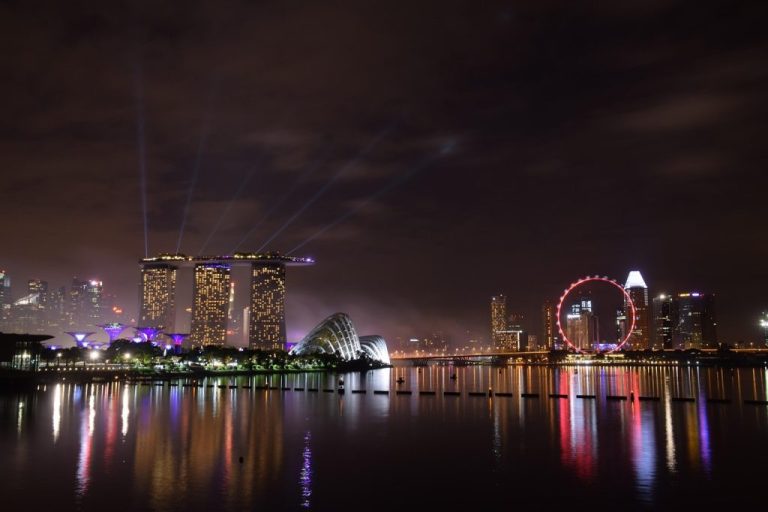
Yes. Malaysia and Singapore are natural add-ons, especially if you’re routing through the region. Singapore is compact and efficient — two nights is plenty. Kuala Lumpur in Malaysia is a great food city. If you’re doing a longer trip that stretches toward 1 month, these work well as additions to the classic Thailand–Cambodia–Vietnam spine.
Final Thoughts: Planning Your Southeast Asia Trip
Southeast Asia rewards those who plan well and stay flexible. The classic Thailand, Cambodia, Vietnam route is popular for a reason — it genuinely works. But every version of a 3 week southeast asia itinerary has its own magic, whether you’re exploring the temples of Angkor, drifting through Ha Long Bay, or eating your body weight in street food in Chiang Mai.
If this is your first Southeast Asia trip, stick to the classic route. If you’ve been before, go deeper. Pick one country and really know it.
Either way, start planning now. Flights and popular tours (especially Halong Bay cruises) fill up fast, particularly November through February. The earlier you lock in the big pieces, the more flexibility you’ll have on the ground.
Southeast Asia is waiting. Three weeks is just the beginning.
Ready to plan your trip? Start by searching for round trip flights to Bangkok, then build your itinerary outward from there. The rest will fall into place.