Skip to content

What 7 Secrets Make Visiting Europe Unforgettable?


Travel with clear priorities and you’ll uncover seven secrets that make Europe unforgettable: plan flexible routes and book key experiences to avoid disappointment, learn basic local phrases to deepen connections, and embrace slower local rhythms to savor life. Protect yourself by watching for pickpockets and scams, respect cultural norms, and prioritize off-season visits to enjoy smaller crowds and better value for your time and money.
Key Takeaways:
- Embrace slow travel — linger in fewer places to absorb everyday local life.
- Eat like a local — explore markets, street food, and neighborhood cafés for authentic flavors.
- Rely on trains and regional transport for scenic, efficient, and eco-friendly travel.
- Seek off-the-beaten-path towns and neighborhoods to escape tourist crowds.
- Time visits for local festivals, seasonal events, and market days for richer experiences.
- Learn basic phrases and cultural etiquette to connect with residents.
- Blend planned highlights with spontaneous detours and keep an adaptable itinerary.
Local Delicacies: Savoring Europe’s Culinary Treasures
The Art of Regional Specialties
Seek out DOP/AOP producers and family-run artisans in Parma, San Sebastián, and the Dordogne; you’ll encounter Prosciutto di Parma aged 12–36 months, Jamón Ibérico de Bellota cured 36–48 months, and Parmigiano‑Reggiano aged 12–36 months.
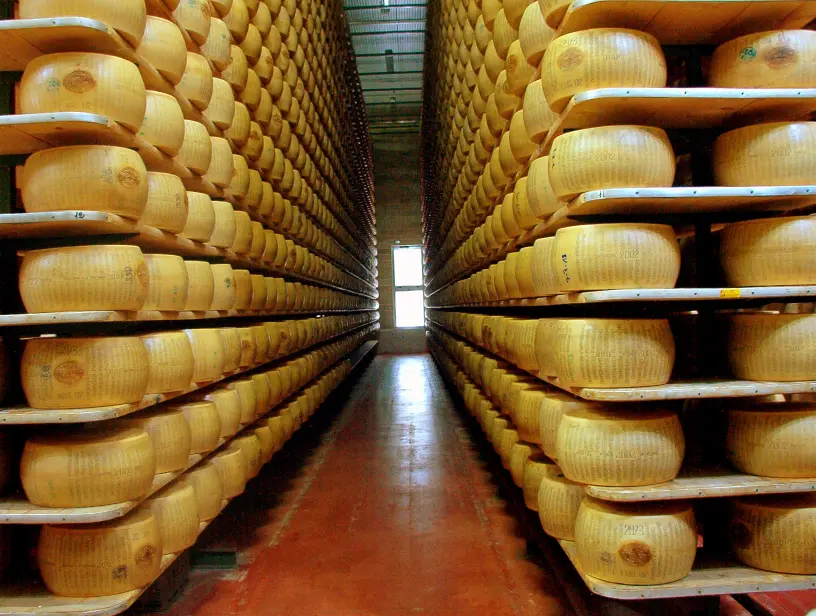
Ask vendors about seasonal pairings—Neapolitan pizza uses 48‑hour dough fermentation, Basque pintxos spotlight local anchovies and sheep cheeses, and Toulouse cassoulet centers on white beans and confit for an authentic regional context.
Food Markets: A Taste of Culture
At La Boqueria (around 200 stalls), Borough Market (100+ traders), and Mercato Centrale (opened 1874), you sample oysters, cured meats, and artisan cheeses side-by-side with locals; avoid raw shellfish if you have a compromised immune system, and seek out vendors offering provenance and seasonal specialties like Alba truffles in autumn.
Go early—arrive before 10:00 to beat crowds and access the freshest catches—and carry small bills or cash for quick buys. Engage vendors: ask when produce was harvested, request a single slice of jamón or a spoonful of aged balsamic to taste provenance.
Note market days: many regional markets peak on weekends and during harvest festivals, so plan visits around local calendars for the best variety and authentic value.
Historic Treasures: Unearthing Europe’s Past
You can trace layers of history across Europe, from Roman engineering to medieval fortresses; cities like Rome, Athens, and Prague condense millennia into walkable streets.
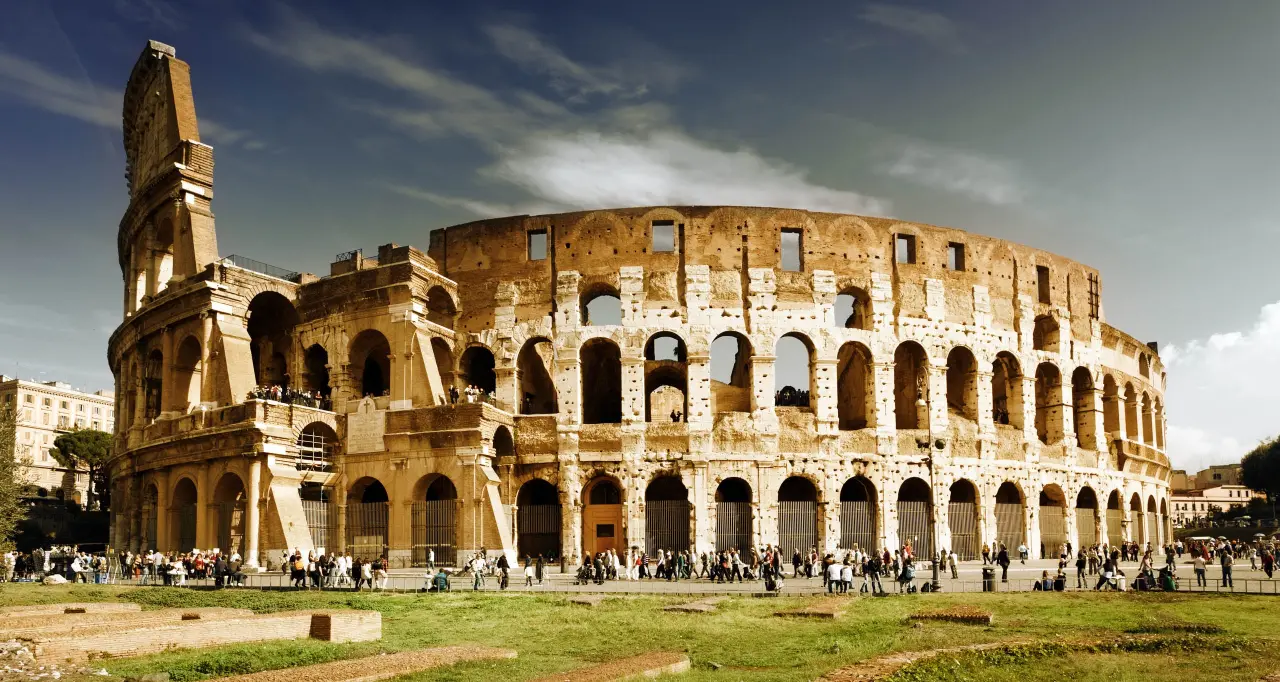
Visit sites where construction dates are precise—Colosseum (completed around 80 AD)—and factor in visitor caps and conservation rules at delicate sites to avoid closures.
Guided archaeological tours reveal stratified remains and restoration timelines, helping you connect artifacts to exact centuries and historic events.
Iconic Landmarks and Their Stories
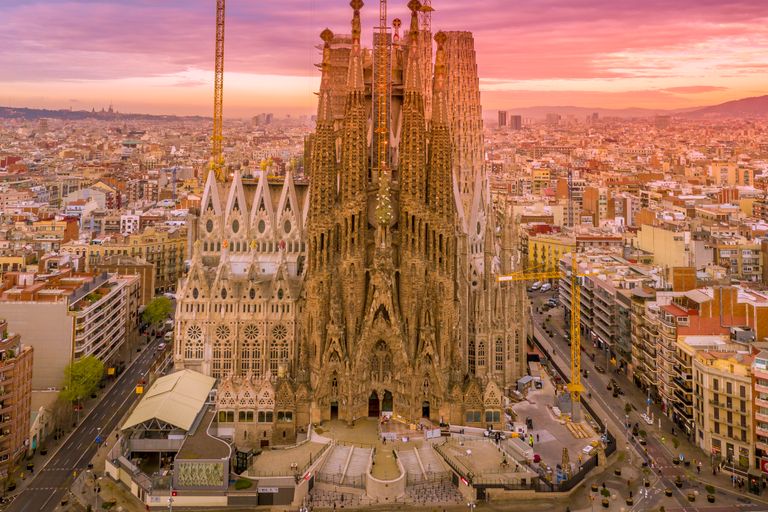
Stand before the Parthenon’s 5th-century BC columns, watch the Colosseum’s arena where 50,000 Romans once gathered, and trace Gaudí’s evolving plans at Sagrada Família (construction began in 1882).
You’ll find documented anecdotes—Napoleon’s use of Versailles in 1804, Stonehenge’s main phase around 2500 BC—that transform façades into narratives, so booking timed entries and audio guides lets you absorb both architecture and the human dramas behind it.
Lesser-Known Historical Gems
Explore Matera’s Sassi—cave dwellings inhabited for roughly 9,000 years—or Český Krumlov’s compact 13th-century castle complex, where fewer crowds mean richer access to frescoes and courtyards.
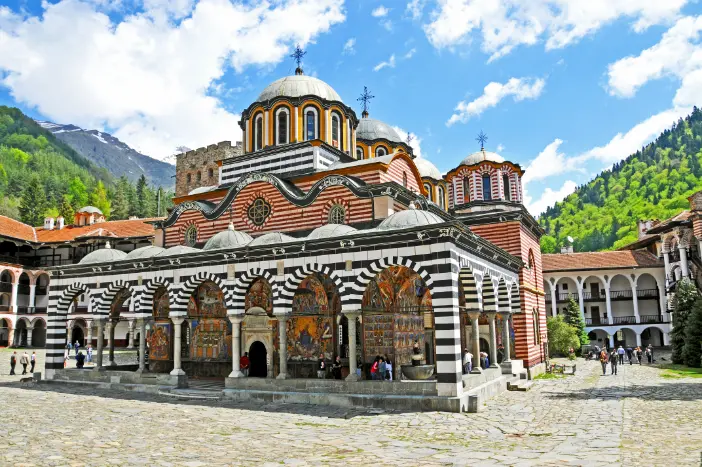
Seek out Skara Brae in Orkney for Neolithic village planning, and Rila Monastery (founded in the 10th century) for Byzantine frescoes; small sites often offer local guides who provide archival details absent at major attractions.
Plan logistics: many hidden sites enforce strict conservation measures—no-flash photography, limited daily visitors, and fragile stairways—so you should book in advance, wear sturdy shoes for uneven stone, and prioritize guided tours to enter restricted areas.
Expect sparse public transport to rural gems; renting a car or arranging a local transfer often unlocks sites where on-site signage and English materials are minimal, but the historical payoff is substantial.
Cultural Immersion: Engaging with Local Communities
Engage directly with neighborhood life by joining a church festival, neighborhood market, or a volunteer olive harvest in Puglia; such activities place you beside locals and often lead to invitations into homes.
Attend a communal meal or a homestay: a single evening can teach you recipe techniques and dialect words.
Watch for local scams and pickpockets in crowded spots, but lean into small-group encounters—learning names and sharing food creates lasting friendships and firsthand cultural insight.
Festivals and Traditions: A Traveler’s Pass
Oktoberfest draws about 6 million visitors yearly, La Tomatina limits participants to roughly 20,000, and local saints’ day feasts in Spain often fill plazas with dancing and tapas.
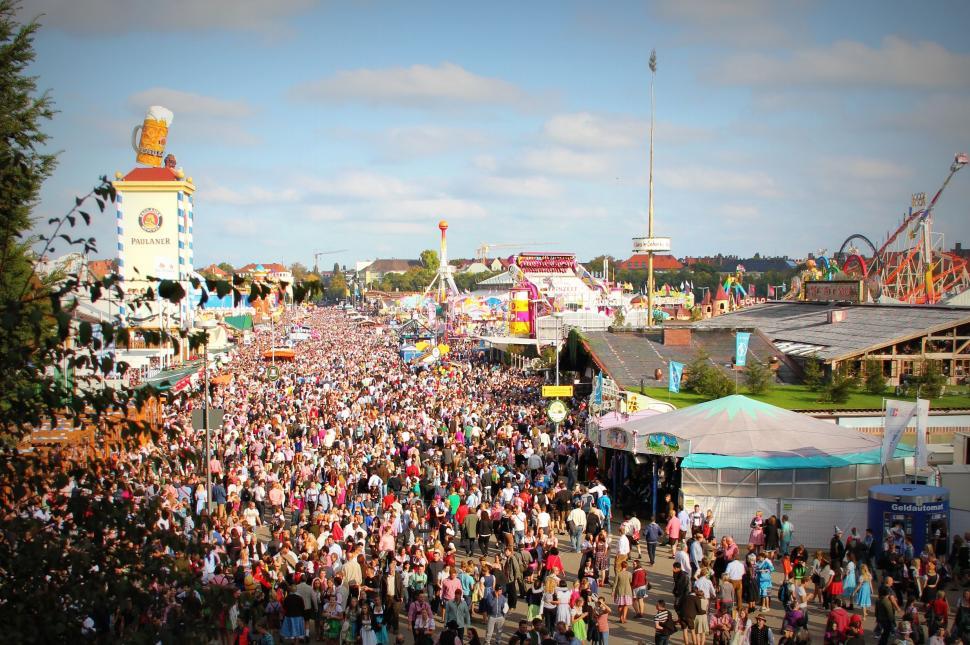
You’ll get more intimate exchanges at smaller village festivals—sit at communal tables or join a processional to spark conversations.
Expect loud crowds; guard valuables against pickpocketing. Bring cash for food stalls and arrive early to secure a spot near performers.
Language and Interaction: Building Connections
Learning 20–30 key phrases—greetings, basic questions, and thank-yous—transforms interactions; locals often respond more warmly when you make the effort.
Use apps for vocabulary, but practice pronunciation aloud; a polite “bonjour” in France or “gracias” in Spain opens doors to conversations and home invitations.
Keep a small phrase card and a translation app for complex needs. Tourists often get invited to meals after trying the language: a Sicilian family dinner is a common payoff.
Practice phrases aloud for 15 minutes daily for two weeks to retain vocabulary; focus on “hello”, “please”, “thank you”, “excuse me”, “where is…”, “how much?”, and “can you help me?”.
Carry a written card with phonetics and ask locals to correct you—most appreciate the attempt. In rural Greece, “efcharistó” and in Germany, “bitte” smooth interactions; small spoken efforts frequently earn hospitality or insider tips.
Scenic Routes: The Journey Becomes the Destination
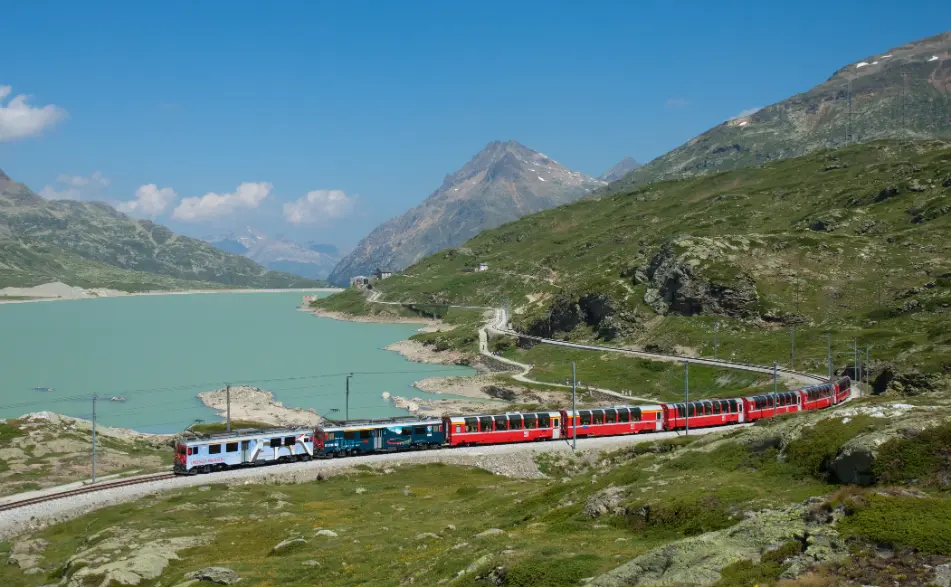
You’ll find that the drive or rail ride often outshines the stop itself: take the Amalfi Coast’s narrow cliffside road with its stunning sea vistas and dangerous hairpin drops, or ride the Bernina and Glacier Express through alpine passes and viaducts.
Day-long passages—like the Glacier Express’s roughly 8-hour panorama—turn transit into an experience, so plan seat reservations and daylight travel to maximize those once-in-a-lifetime views.
Breathtaking Drives and Rail Journeys
Choose routes with engineered viewpoints: the Bernina Express (Chur to Tirano) crosses UNESCO-listed landscapes, the West Highland Line delivers loch and mountain drama, including the Jacobite steam climb, and Romania’s Transfagarasan boasts steep hairpins at >2,000 m elevation.
You should book panoramic cars or early ferry slots where available; reserve seats on major scenic trains and factor in weather-related closures on high passes.
Off-the-Beaten-Path Landscapes
Explore Lofoten’s Arctic-circle islands for dramatic sea cliffs, the Azores’ São Miguel crater lakes at Sete Cidades, Spain’s Picos de Europa with Torre de Cerredo (~2,648 m), and Albania’s untouched Riviera coves.
You’ll encounter fewer tourists, variable services, and wild, raw terrain that rewards those willing to deviate from main routes.
Access often requires small ferries, regional flights, or renting a 4×4; many trails range from 5–20 km, and the High Tatras peaks top at about 2,655 m.
Check seasonal closures—some mountain roads shut in winter—and pack layered clothing, a paper map, and the EU emergency number 112.
Hiring a local guide increases safety and unlocks hidden viewpoints and cultural context you’d otherwise miss.
Unraveling Myths: What European Travel Is Really Like
Overcoming Stereotypes About Costs and Logistics
Many assume Europe is prohibitively expensive, yet you can slash daily spending by mixing advance train tickets, regional passes, and local markets.
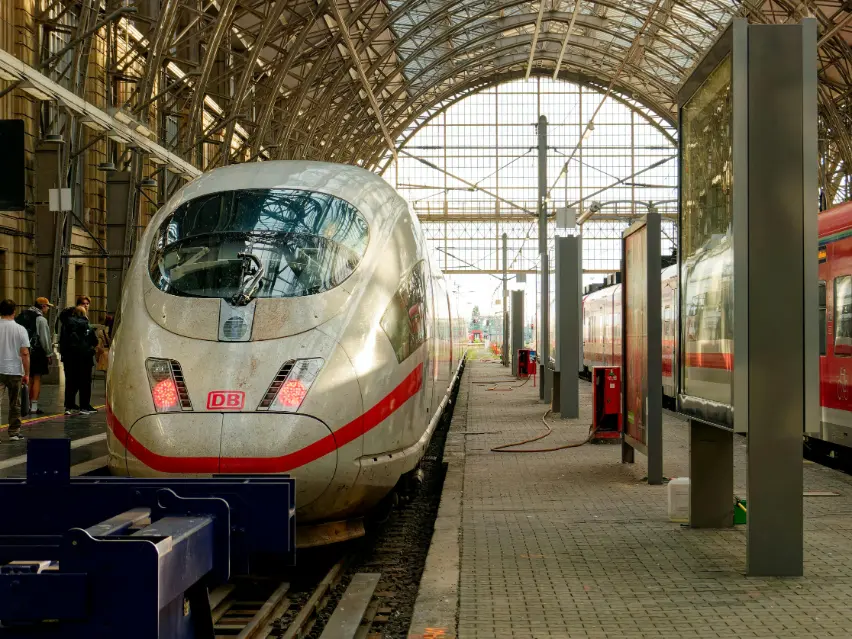
Regional trains booked 2–8 weeks ahead often cost under €30 for 2–3 hour trips; low-cost carriers list fares of €20–€50 if you travel light.
Secondary-city hostels or private rooms frequently run €40–€80 per night off-peak, and flexible timing can halve lodging bills. Knowing these levers saves hundreds and turns logistics into an advantage.
- Budgeting
- Transport
- Accommodation
- Timing
- Passes
| Myth: Europe always costs more | Reality: Off-peak trains €15–€30, markets and local buses cut costs |
| Myth: Trains are always expensive | Reality: Advance fares and regional tickets can be under €30 |
| Myth: Flights beat trains on price | Reality: Short-haul flights €20–€50, but add baggage and transfers |
| Myth: Hotels are your only option | Reality: Hostels, guesthouses, and aparthotels often cost less and include breakfast |
| Myth: Planning is rigid | Reality: Flexibility and local passes let you adapt and save |
The Reality of European Hospitality
You’ll encounter wide variations: family-run B&Bs in rural areas often offer warm, personal service and insider tips, while urban hotel staff in major hubs handle high turnover with efficient professionalism.
In many restaurants, service charges are included (France), whereas tipping 5–15% is common in the UK and parts of Central Europe; language skills are strong in tourist zones, but expect friendly patience rather than fluent conversation everywhere.
Generosity and local pride often translate into memorable, unexpected welcomes.
Digging deeper, you should plan to engage: asking hosts for market or neighborhood recommendations usually yields authentic experiences—examples include a Lisbon owner handing you a map of family-run tavernas or a small Tuscan agriturismo inviting you to a harvest meal.
Be aware of occasional overstated offers near attractions; verifying menus and prices avoids disappointment. Spotting local rhythms—siesta times in Spain, early dinners in Northern Europe—improves interactions and reveals the most genuine hospitality.
Language competency, local tips, and a respectful approach turn routine stays into lasting memories.
The Power of Timing: When to Experience Europe
Timing directs your entire trip: June–August draws peak crowds and long days, while April–May and September–October deliver milder weather, fewer lines, and open attractions.
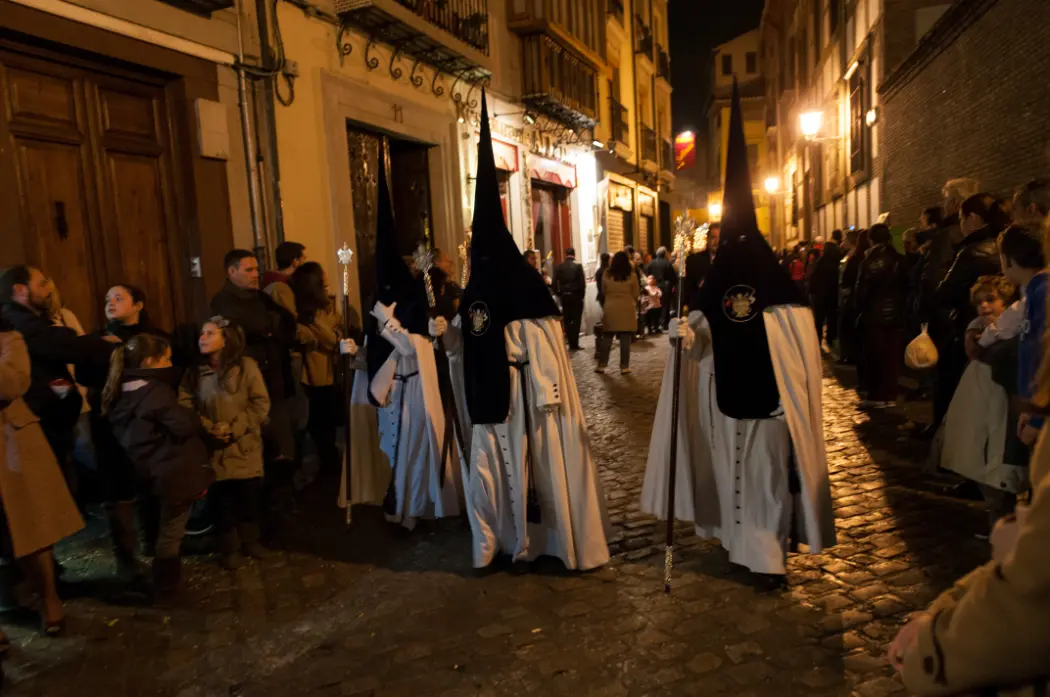
Festivals reshape plans—Semana Santa in Spain and Carnival in Venice occur on set dates, whereas Christmas markets spike demand across Central Europe in November–December.
You can chase blossoms in Holland in April or avoid August congestion in Rome by shifting a few weeks; small date changes often transform the mood and cost of your visit.
Peak Seasons vs. Off-Peak Delights
Peak months pack in outdoor concerts, extended museum hours, and boat tours, but also higher prices and more pickpockets in crowded areas; expect long queues at the Colosseum or Louvre.
Off-peak travel offers near-empty plazas, local markets, and kinder hotel rates, though some rural ferries and seasonal restaurants may close.
Shoulder seasons usually provide the best trade-off: pleasant weather, functional services, and far fewer tourists at signature sites like the Alhambra or Sagrada Família.
Economic Advantages of Smart Planning
Smart timing reduces costs dramatically: flights can be 20–40% cheaper mid-week or when booked 6–12 weeks ahead, and hotel rates often drop 30–50% in low season.
Choosing shoulder months or secondary airports, using overnight trains, and leveraging city passes on quieter days stretch your budget.
You’ll find museum skip-the-line times and local tours offering discounts outside peak windows, so shifting travel by a week can free funds for experiences like a paid cooking class or private guide.
Practical tactics boost savings further: set fare alerts, compare round-trip versus multi-city routing, and check regional low-cost carriers (Ryanair, easyJet) for short hops, but watch baggage fees.
Opting for a night train saves a hotel night and maximizes daytime sightseeing. Exchange-rate swings of 5–10% affect daily costs, so monitor currency trends and prebook refundable options to lock lower rates without losing flexibility.
To wrap up
Presently, when you blend smart planning with flexible pacing, embrace local cuisine and markets, seek authentic cultural experiences, travel in shoulder seasons, use regional transport passes, and show respectful curiosity, your European trip becomes unforgettable; these seven approaches deepen your understanding, save you time and money, and reveal the quieter, more magical sides of the continent.
FAQ
What are some travel tips for visiting Europe?
When planning a trip to Europe, consider researching the best places to visit in each country. Utilize travel tips such as booking accommodations in advance and opting for train travel to explore multiple cities easily.
Don’t forget to try local cuisine and engage with the local people for an unforgettable experience in Europe.
Which European cities are considered hidden gems?
While cities like Paris and London are famous, exploring hidden gems like Ghent in Belgium or Ljubljana in Slovenia can offer a unique perspective.
These cities provide a more authentic experience away from the summer crowds, making them ideal for those looking to go off the beaten path.
What are the best places to see in Venice?
Venice is renowned for its picturesque canals and stunning architecture. Some must-see spots include St. Mark’s Basilica, the Doge’s Palace, and the Rialto Bridge.
Additionally, consider taking a guided tour to discover lesser-known attractions and hidden gems throughout the city.
How can I create an unforgettable itinerary for my trip to Europe?
To create an unforgettable itinerary, start by identifying your travel style and preferred destinations. Incorporate a mix of iconic tourist spots and off-the-beaten-path locations.
Balance your schedule with sightseeing, cultural experiences, and relaxation time in quaint villages or scenic areas like the Alps.
What is the best way to experience Iceland?
Iceland offers breathtaking landscapes, including waterfalls, geysers, and hot springs. A road trip around the Golden Circle is a popular choice, allowing you to see many beautiful places in a short time.
Don’t miss the chance to relax in one of the country’s famous geothermal pools for a truly unforgettable vacation.
What are the must-visit historical sites in Athens?
Athens is rich in history, with UNESCO World Heritage sites like the Acropolis and the Parthenon. Exploring the ancient ruins and museums can provide insight into Greece’s fascinating past.
Make sure to take a tour to gain deeper knowledge of these significant historical sites.
Can you recommend some beautiful places to visit in Eastern Europe?
Eastern Europe is home to many beautiful places, including the stunning Old Town of Prague and the picturesque streets of Budapest.
These cities are not only visually captivating but also offer a rich cultural experience. Exploring less touristy destinations can reveal many European countries’ best hidden gems.
What are the benefits of taking a road trip around Europe?
A road trip around Europe allows for flexibility and spontaneity, enabling you to discover charming towns and scenic views along the coast.
You can create your itinerary, stopping at various destinations that catch your interest. This style of travel makes for an unforgettable European travel experience.
How do I avoid summer crowds while traveling in Europe?
To avoid summer crowds, consider visiting popular destinations during the shoulder seasons of spring or fall.
Alternatively, go off the beaten path to discover lesser-known attractions and hidden gems. This will enhance your travel experience while allowing you to enjoy the beauty of Europe without the hustle and bustle.