Skip to content

Best Solo Trips by Using Public Transport: Explore the world


Many ask: can you explore solo by public transport and still be safe? You’ll get cheap, scenic routes, easy connections, and popular meet-up spots; beware pickpocket zones, pick daytime travel, trust your instincts, and enjoy the freedom.
Key Takeaways:
- About 82% of Canadians live in urban areas, so public transit links most major attractions. You can hop a bus or train and be at a museum, park, trailhead, or waterfront in no time – no car needed, which is perfect when you’re traveling solo and want to keep things simple.
- Major cities like Vancouver, Toronto, and Montréal run frequent service in core areas, with buses, subways, and trams every 10-20 minutes during the day. Want to chase a sunrise on the seawall or swing by a pop-up market that afternoon? Just check the schedule and go.
- Public transit is generally safe and well-used, which helps when you’re traveling alone at odd hours. Trust your instincts. Blend in, stay aware, and you’ll probably meet friendly locals or fellow travelers along the way.
- Relying on trains and buses saves cash compared with renting a car, especially once you factor in parking and gas. Throw in regional buses and inexpensive rail links, and you can cover long distances without blowing your budget.
- Nature is more reachable than you might think via public transport – think Banff, Jasper, Vancouver Island, and Killarney with shuttles or regional buses getting you close. Who said solo trips to the wild had to mean driving yourself?
- Hostels, day tours, and ferry terminals are social hotspots where solo travelers naturally cross paths. Join a guided hike or a boat trip, and you’ll have instant company without the awkward small talk.
- Pack light, keep a transit app plus a paper map as backup, and learn a few local phrases for friendliness points. Small moves like these make public-transport solo travel smoother and way more fun.
For a complete overview of solo travel, see our Ultimate Solo Travel Guide
What are the best places to travel solo by public transport for a first-time trip?
Picture yourself on day one, rolling a backpack onto a quiet tram in Canada or hopping a punctual train in Japan and feeling calm. If you want safety and easy transit, pick places with low crime, clear signs, and frequent services, and you’ll be set for a first solo trip.

Best solo travel destinations with easy-to-navigate public transportation
Cities like Montréal, Vancouver, and Ottawa let you get around by bus, metro, or ferry with little fuss; you can wander, hop between museums and parks, and meet locals. Pick places with clear signage and frequent service, and you’ll build solo confidence fast.
Why I think Japan is seriously the gold standard for solo trips
Japan has punctual trains, excellent English signage in major cities, and very low crime, so you can hop cities with confidence; you’ll find helpful staff, spotless stations, and single-seat counters when you want dinner alone.
Tokyo will teach you how easy solo travel can be: grab a Suica or Pasmo card, follow platform numbers, and catch precise trains without guesswork. You should book reserved seats on longer Shinkansen trips and use coin lockers for big bags.
Peak times are crowded – avoid rush hour if you hate the peak-hour crush – but stations are clean, staff are helpful, and locals respect personal space.
That combo of Shinkansen reliability and very low crime makes Japan forgiving for first-timers; you can travel far, eat at tiny bars, and still feel safe.
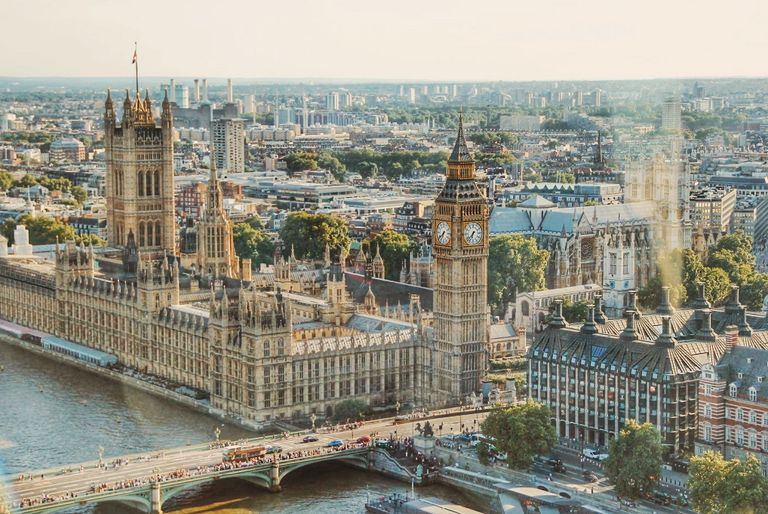
Honestly, London’s tube isn’t as scary as people say it is
Tube maps and contactless cards mean you can move between landmarks quickly; you’ll face crowds, but signs and staff guide you. Keep an eye out for pickpockets on busy lines and always stand behind the yellow line at the platform edge, and you’ll be fine.

When you’re in London, buy an Oyster or just use contactless, check Line status before you travel, and avoid the morning and evening crush if crowds stress you out. Stations can be deep with lots of stairs, so plan step-free routes when needed and stash large bags in lockers.
Keep valuables close and watch for pickpockets, but enjoy the quick transfers, night buses, and helpful staff.
The Tube can feel hectic, yet the Oyster/contactless convenience and dense stops make it a forgiving learning ground for first solo trips.
Ideal for solo travelers: walkable old town hubs and vibrant cities
Old town hubs are enjoying a resurgence as post-pandemic travelers favor walkable, transit-friendly spots. You’ll be steps from cafés, museums, and efficient transit; the low crime rate in many Canadian cities makes solo evenings feel safer. Pack comfy shoes; expect charming surprises around every corner.
Why I’m honestly obsessed with European old towns
European streets show you how small-scale city life can be – tight squares, stalls, trams, and nonstop people-watching – and you get the same vibe in places like Old Montréal.
You’ll love the history at every turn, and that walkable layout means you can roam without a car and feel perfectly content solo.
Getting around those cobblestone streets without a car
Cobblestones slow you down but won’t stop you: pack light, wear grippy shoes, and hop trams or buses when distances get long. Use local transit apps for schedules and grab a day pass to save cash and time. Also, watch your step on slick cobbles, especially after rain or snow.
When you’re planning longer moves, think simple logistics – short hops on trams, buses, metros, or ferries beat dragging a suitcase over every stone. Try bike-share for quick runs, stash big bags in station lockers, and time trips outside peak hours to avoid crushes.
With Canada’s low crime rate, you can relax, but keep valuables close and watch your step on slick cobbles.
What’s the real deal with finding your way in a busy hub?
Finding your way in a busy hub comes down to maps, landmarks, and a few local tricks – not guesswork. Pin important stops, use offline maps, and ask a local for a quick pointer. And keep an eye on belongings in crowds; petty theft is the nuisance you want to avoid.
Start by pinning routes and saving offline areas, so you won’t panic if data dies mid-trip. Check transit apps for live delays, learn metro colours or tram numbers, and give yourself buffer time during rush hour. In Montréal, signage is bilingual, so a little French helps, but gestures work fine.
For valuables, tuck them in front pockets or zipped bags and use station lockers when possible – simple moves that keep your solo day smooth.
First-time solo tips to get around without a car
Lately, cities have boosted transit and micro-mobility, so you can explore by public transport without the hassle. Trust timetables, pack a charger and offline maps, and learn a few local phrases to ask for help. Thou keep photocopies of documents and local emergency numbers in your bag.
- Plan routes with apps and timetables
- Buy a day pass for savings
- Choose lodging near major stations
Seriously, don’t forget to download your maps before you leave
Download offline maps and save route screenshots so you’re not stranded without signal; carry a tiny paper map as backup, and charge a power bank – simple, but lifesaving.
How to handle the “where do I go” jitters at a train station
When you feel jittery at a busy train station, pick a landmark, check the digital timetable, and ask staff or fellow travelers – most people are friendly and willing to help.
Stations feel chaotic, but you can tame the scene: arrive 10-15 minutes early, watch the departure boards, and move toward the correct platform calmly. Keep your ticket and ID handy, keep bags zipped and valuables close, and if you’re unsure, approach the information desk. If crowds stress you, find a quieter waiting area or a cafe and breathe.
Why walking is actually the best way to see a new city
Walking reveals tiny cafes, murals, and shortcuts that buses miss; wear comfy shoes, layer up for the weather, keep a small daypack, and savour slow discoveries-it’s the best way to meet locals and find hidden gems.
Explore streets at your own pace, and you’ll notice details guidebooks skip: window menus, alley art, neighborhood parks. Cities like Montréal and Ottawa are famously walkable, and Canada’s low crime rate means solo strolls usually feel relaxed; still, stay visible after dark, keep necessary items close, and enjoy wandering with purpose.
How do I choose a destination that’s easy to navigate when I travel solo?
Like choosing a compact town over a sprawl, you should favor places with clear transit maps, frequent service, and friendly locals; check lists like The Best Destinations for Solo Travel and pick spots with low crime, good signage, and easy-to-buy fares.
Assessing a destination’s public transport system and transport system maps
Compared to guessing schedules, study a city’s map, app coverage, and ticketing options so you can get around confidently; look for real-time apps, clear route numbers, and simple payment methods. Montreal and Vancouver often set the bar for solo-friendly clarity.
Here’s what I look for in a city’s transit vibe before I book
Rather than judging cafes or nightlife, tune into transit vibe: frequency, crowd levels, signage in English (or helpful locals), and overall safety; cities like Ottawa and Montréal offer walkable cores and reliable schedules, which make solo trips smoother.
When picking a restaurant for its atmosphere, you judge a city by its transit vibe: street-level lighting, frequency of service, and signage that actually makes sense late at night. Ask locals about off-peak reliability and whether apps match reality.
In Canada, most systems are friendly and safe, but the language in Montréal can affect solo comfort after dark.
Why a high walkability score is seriously a non-negotiable for me
Unlike car-dependent sprawl, a high walkability score means you can ditch timetables and explore neighborhoods on foot; you’ll find cafes, transit hubs, and parks close together, which is safer, cheaper, and more freeing for solo travel in places like Montréal or Vancouver.
Plus, when you can walk everywhere, you cut transit stress to almost zero – missed buses don’t ruin your day, you bump into locals, and you can pivot plans on a whim. Want a sunset stroll to a viewpoint after a museum? Easy. I pick cities with compact cores, good sidewalks, and clear crossings so solo trips feel light, not logistical.
Walkable neighborhoods, safe stroll routes, and getting around
Compared to car-focused areas, Canadian city centers give you compact grids, reliable transit, and plenty of options to explore on foot; you’ll enjoy safe, walkable streets, frequent buses or metros, and a generally low crime rate that lets you combine sightseeing and getting around without stressing.
Why I’m seriously obsessed with cities that have huge pedestrian zones
Unlike narrow, traffic-choked roads, huge pedestrian zones let you wander between cafés, markets, and museums at your own pace, discover hidden nooks, and hop a bus or tram in minutes; those car-free plazas cut stress and make solo wandering feel effortless, right?

My take on the safest neighborhoods for a late-night snack run
While late-night cravings hit, choose busy, well-lit neighborhoods near transit and student hubs like ByWard Market or downtown Montréal; stick to main streets, stay in sight of cafés and transit stops, and avoid poorly lit side streets. That simple rule keeps your snack run low-stress and safe.
Whereas quiet residential blocks can feel peaceful, lively nightlife areas such as Montréal’s Plateau-Mile End, Ottawa’s ByWard Market, and Vancouver’s Gastown give you extra eyes on the street and easier transit options; carry traction cleats or wear grippy shoes because icy sidewalks in winter are the main hazard, and if you ever feel uneasy, grab a cab or rideshare.
Getting around on foot is actually the best workout ever
Against treadmill boredom, walking through Vancouver or Montréal gives you free exercise, fresh air, and constant discoveries; you’ll burn calories between stops, find hidden cafés, and stay safer by sticking to populated routes.
Contrary to thinking you need a gym, making walking your main transport means you plan short routes, mix in transit for longer hops, and treat streets like your workout playground; wear good shoes, pack layers for Canadian weather, and watch for ice in winter – take a waterfront path or climb a hill when you want a proper cardio day, then reward yourself with a snack.
Travel planning with travel guides for independent travel
Canada’s size and safety mean you can plan long, varied itineraries using printed guides to stitch together trains, ferries, and local buses; rely on timetables and hostel tips so you reach provincial parks and city highlights without renting a car, enjoying that low crime rate and widespread public transport access.

Why I think real travel guides for independent travel are better than AI
Guidebooks by locals and seasoned authors hand you tested routes, transit schedules, and solo-safety notes you actually need; you’ll get real-world detours, seasonal service warnings, and human-tested maps that AI summaries often miss.
Honestly, here’s how to spot a car-dependent guide from a mile away
Spotting car-focused guides is simple: they default to “drive to” directions, skip bus or train times, and treat viewpoints as unreachable without a rental, an obvious sign the guide is car-dependent and risky for public-transport solo travelers.
Check for specifics: when a guide lists only highways, omits ferry or shuttle frequencies, or sells scenic drives as the sole option, don’t bother. You want transit timetables, alternative routes, and notes like “limited winter service” – those are the things that keep you moving and not stranded.
My take on why you don’t need a massive budget for a good guidebook
Budget choices like used guidebooks, free transit maps, and local pamphlets often contain the same practical route info as expensive editions; you’ll save money and still get practical, reliable advice for public-transport trips.
You can patch together up-to-date info from hostel noticeboards, visitor centers, and city transit apps – in Canada, places like Montréal, Ottawa, and Vancouver post great schedules, and smaller towns often run seasonal shuttles. Use library copies or PDFs, and you’ll be set without breaking the bank.
How can I plan my first solo trip to a destination for solo visitors?
Think big-city vs park access when picking a solo-friendly Canadian destination; Canada’s low crime rate and easy-to-use public transit make cities and parks accessible, but pack for long distances and winter conditions, especially if you’re heading to Banff, Churchill, or remote islands.
First solo trip checklist: tickets, passes, and public transport apps
Pack paper vs digital copies of tickets, load a regional transit pass, and grab local apps; download offline maps and set alerts so you won’t miss last buses or ferries.
Travel guides for the best places to travel alone and without a car
Use guidebooks vs local blogs to find car-free routes and transit-friendly day plans; pick ones highlighting Montréal, Vancouver Island, Ottawa, and Banff so you can follow tested public-transport routes.
Look at local guides vs generic lists, they’ll include exact bus routes, shuttle services, and seasonal warnings, and note language tips for Montréal, winter gear for Churchill, or guided canoe options in Killarney.
Ask forums if a guide skips transit details; choose guides with public-transit steps and cold-weather advice, so you’re not surprised.
Building day trips and stroll-friendly itineraries
Plan walks over drives when you can, building stroll-friendly days around walkable neighborhoods and parks, check transit timetables, and leave wiggle-room for detours; verify return bus or ferry times so you don’t get stranded after sunset.
Try quick loops over long transfers, mixing a short hike, café stops, and a museum that are easy to hop between by bus or ferry. Want an idea? From Montréal, you can stroll Old Montréal, cross to Gatineau Park for Pink Lake trails, then catch an evening bus back.
Pack water, layers, and a power bank; watch the weather and daylight in the shoulder seasons.
How do I balance budget and comfort when I travel solo by public transport?
Save money without sacrificing comfort. You can mix night trains, regional buses, and occasional rideshares to cut costs while keeping a decent bed and safety. Book off-peak fares, pack earplugs and a travel lock, and avoid isolated stops after dark – those are the real risks.
Public transport vs. rent a car: cost, safety, and time for solo travellers
Compare public transit and renting a car: transit usually costs less, spares you parking fees, and is often safer in winter; renting gives flexibility and can save time in remote regions. In Canada, cities like Montréal and Vancouver favor transit, while outings near Banff or remote parks may mean you need a car.

Using travel passes for solo adventures and day trips
Passes save you serious cash and hassle. Grab city day passes for museum and cafe hopping, multi-day cards for longer stays, and regional passes for park shuttles or ferries. Always check if they include transfers or have peak limits-those tiny details can wreck a budgeted day trip.
Local transit passes come as single-day, multi-day, regional, and rail options; some cover buses, ferries, and park shuttles, others don’t. You should buy online or at kiosks, check zone coverage, transfer rules, and refund policies, and validate correctly to avoid fines.
If you’re heading to Vancouver Island or Banff-area trails, confirm seasonal timetables-service can be limited in winter-and have a backup plan.
Choosing accommodations near public transport for first-time solo visitors
Choose lodging within a short walk of transit hubs to save time and feel safer as a first-time solo visitor. Hostels and small hotels often have common areas to meet people; aim for places with 24-hour reception or late check-in and solid neighborhood reviews.
Look at maps and transit lines before booking: how long is the trip to the bus stop, train station, or ferry terminal? Check for luggage storage, quiet hours, and nearby cafes or groceries for late arrivals.
Read recent reviews for safety notes, pick properties with flexible cancellation, and prioritize good nighttime access if you expect late travel.
Conclusion
Considering all points, the best solo trips by public transport are often the simplest: you hop on a bus or train, meet locals, and reach wild places without renting a car, and you’re saving money too. Trust your instincts, plan routes, but be ready to go with the flow.
FAQs for solo travelers using public transportation
Is it safe for solo female travelers to rely on public transportation in popular solo travel destinations?
Many of the best places for solo travel have an excellent public transportation system and a supportive environment for solo travelers; countries ranked among the safest countries and cities in the world often offer reliable trains, buses, and metros that make solo exploration comfortable.
That said, first-time solo travelers should check local safety advice, avoid empty stations late at night where possible, and keep belongings secure when using crowded transport networks.
How can I find destinations with an easy-to-explore public transportation system?
Look for cities with an extensive transportation network, frequent schedules, and clear maps — these traits make them easy to get around and ideal for solo travel.
Tourist boards and travel forums often list destinations with excellent public transportation; guidebooks highlight cities where you can travel around by metro, tram, or bus and still experience local culture and panoramic views without renting a car.
What are good solo female travel options for enjoying walking tours, the food scene, and beautiful architecture?
Choose cities known for comfortable walking around alone, vibrant food scenes, and UNESCO World Heritage sites so you can combine walking tours with short public transit rides.
Many European and Eastern European cities, as well as beach towns with reliable buses, let female travelers enjoy solo dining, new places, and beautiful city streets with easy connections between sights.
Are organized tours necessary, or should I mix public transport with self-guided exploration?
Organized tours are helpful for specific interests or when visiting out-of-town UNESCO World Heritage sites, but mixing them with the public transportation system is ideal for solo female travelers who want freedom.
Use organized tours for safety or niche experiences, then travel around independently using trains and buses for a richer travel experience and true solo exploration.
How do I handle solo dining and evenings alone at night in cities with good public transit?
In cities that are easy to get around and have a friendly environment for solo travelers, plan evenings near major transit hubs or choose neighborhoods with late-night transport options.
Solo female travelers often find solo dining enjoyable in lively food scene districts; if you’ll be out late, check the last train or bus times and consider rideshare options for the final leg.
Which regions or examples combine beach access, panoramic views, and excellent public transportation for solo travel?
Coastal cities in southern Europe and some Asian beach towns offer beach access and panoramic views while featuring reliable local transportation systems and buses connecting scenic points.
Look for destinations that advertise easy-to-explore transit links between beaches, viewpoints, and historic centers to maximize time without relying on taxis.
Can I visit Eastern Europe as a solo female traveler and still feel safe using public transport?
Yes, many Eastern European cities boast cheap, efficient transport networks, beautiful architecture, and a growing environment for solo travelers. Stick to well-lit stations, keep copies of route and schedule information, and join walking tours or local cultural activities during the day to get comfortable before trying night travel.
What practical tips help solo female travelers make the most of public transportation while discovering new places?
Plan trips using transport apps and printed maps, learn basic local phrases, validate tickets when required, and research peak hours to avoid crowded vehicles.
Combine short walking tours with public transit to access panoramic views, UNESCO World Heritage sites, and local neighborhoods; this balance makes solo exploration more efficient and enjoyable while reducing stress from navigating unfamiliar transportation systems.