Skip to content

Solo Travel in the Balkans: Safety, Authenticity, and Connection


Western Europe has become predictable. Cities like Barcelona, Paris, and Venice struggle with overtourism, inflated prices, and crowds that often dilute the very culture travelers came to experience. For those seeking something more authentic, a guide about solo travel in the Balkans reveals a region where the pace is slower and the connections are deeper. Here, overnight buses still rumble through mountain passes, café owners remember your name after one visit, and conversations with strangers regularly turn into dinner invitations.
For the independent explorer, that difference matters.
Key Takeaways:
The Balkans Are Safer Than Many Travelers Expect
Despite outdated stereotypes, many Balkan countries rank as very safe destinations for travelers. Petty theft exists in tourist-heavy areas, but violent crime against tourists is relatively uncommon.
Countries like Albania, Montenegro, Croatia, and North Macedonia are increasingly popular among solo backpackers and digital nomads.
Café Culture Is the Real Social Network
In the Balkans, cafés are not just places to drink coffee. They function as social centers, workspaces, planning hubs, and community gathering spots. Spending hours at a café is completely normal, making it easy to meet travelers and locals organically.
Transport Requires Flexibility
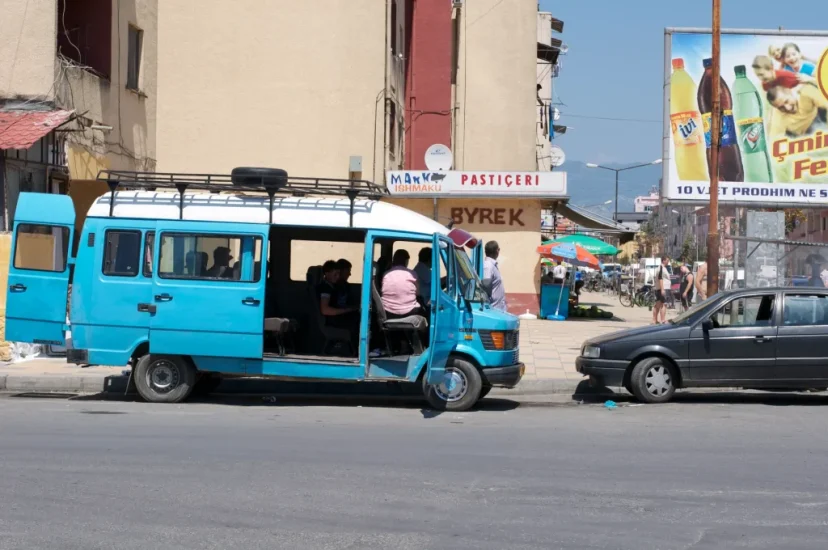
Bus networks dominate regional travel, but schedules are often fluid. The famous “Furgon” minibuses sometimes leave only when full, run late, or skip online booking systems entirely. Patience and flexibility are essential travel skills here.
Slow Travel Works Best
Trying to rush through five countries in one week usually backfires. Border crossings, mountain roads, and changing bus systems naturally slow travel down. The best Balkan trips embrace this pace instead of fighting it.
For a complete overview of solo travel, see our Ultimate Solo Travel Guide
Why the Balkans are the Ultimate Destination for Solo Travelers
Solo travel in the Balkans offers something increasingly rare in Europe: authenticity without isolation. The region combines affordability, deep social culture, dramatic landscapes, and enough unpredictability to make every trip feel personal and transformative.
Whether you are backpacking through Albania, exploring the lakes of North Macedonia, or hopping coastal towns in Montenegro, the Balkans reward curiosity far more than rigid planning.

And yes, the Balkans are safe for solo travelers — including solo female travelers. Violent crime rates across much of the region remain lower than in many major Western European capitals.
Most travelers encounter far more hospitality than risk, especially when following basic travel awareness and cultural etiquette.
What makes the Balkans especially unique is that solo travel rarely feels lonely. Café culture acts as the region’s social glue.
People linger for hours over coffee, hostel common rooms are genuinely social rather than transactional, and locals often approach travelers with curiosity instead of indifference.
In many ways, the Balkans may be the easiest place in Europe to meet people naturally.
If Western Europe feels polished and curated, the Balkans feel alive. And that’s exactly why so many solo travelers leave the region more confident than when they arrived.
Why the Balkans Are Ideal for Solo Travelers
A Built-In Social Safety Net
One of the biggest fears in solo travel is loneliness. The Balkans quietly solve that problem better than most regions in Europe.
Unlike many Western European cities, where hostels can feel impersonal or party-focused, Balkan hostels often create genuinely social environments. Travelers cook together, join hikes, exchange transport tips, and form temporary travel groups naturally.

Cities like Tirana, Kotor, and Split have become well-known among backpackers for their community-oriented hostel scenes. Even travelers who arrive alone frequently leave with new friends or shared itineraries.
The region’s culture also contributes to this openness. People in the Balkans tend to value conversation, hospitality, and social connection more openly than in many highly individualistic destinations.
It is not unusual to receive restaurant recommendations, travel advice, or invitations simply from chatting with locals over coffee.
Affordability Without Sacrificing Experience
The Balkans remain one of the best-value regions in Europe.
A solo traveler can still find affordable hostels, inexpensive local food, and budget-friendly transport without compromising the quality of the experience.
In countries like Albania or North Macedonia, a traveler can often spend significantly less per day than in Western Europe while enjoying excellent food, stunning scenery, and comfortable accommodations.
Budget flexibility also creates psychological freedom. Travelers can stay longer in places they love, take spontaneous detours, or join activities without constant financial pressure.
For backpackers building confidence in long-term solo travel, the Balkans provide an excellent balance between affordability and comfort.
The Power of Slow Travel
The Balkans are not designed for rushed itineraries.
Mountain roads slow buses down. Conversations stretch unexpectedly long. Lakeside towns invite travelers to stay “just one more day.” What initially feels inefficient eventually becomes part of the experience.
This is why two weeks in the Balkans often feel more meaningful than a month of rapid city-hopping elsewhere in Europe.
Instead of checking landmarks off a list, travelers build routines. You return to the same bakery each morning. The café owner remembers your coffee order. Fellow travelers become temporary companions rather than anonymous faces.
That rhythm transforms solo travel from tourism into immersion.
The Solo Traveler’s Logistics Toolkit
Mastering Balkan Bus Travel
Bus travel is the backbone of Balkan transportation. While trains exist in some areas, buses and minibuses connect most cities and rural destinations far more effectively.
However, Balkan transport systems require adaptability.
Online schedules are frequently outdated or incomplete, especially for local “Furgon” minibuses in places like Albania. A route listed online may not exist anymore, while unofficial routes may operate daily without any digital presence.
The best strategy is surprisingly simple: ask locals.
Hostel receptionists often know the real departure times, where buses actually leave from, and which companies are most reliable. Many travelers quickly learn that personal recommendations matter more than online timetables.
A few practical tips make Balkan bus travel smoother:
- Carry cash for tickets and station fees.
- Arrive early for minibuses during busy seasons.
- Expect occasional delays without panic.
- Keep snacks and water for long mountain routes.
- Download offline maps before crossing borders.
The unpredictability can initially feel stressful, especially for first-time solo travelers. But over time, learning to navigate these systems builds confidence and resilience.
Understanding the Serbia–Kosovo Border Situation
One of the most important logistical details in the Balkans involves the border relationship between Serbia and Kosovo.
Serbia does not officially recognize Kosovo as an independent state. Because of this, entering Serbia directly from Kosovo can create complications if Serbia considers your Kosovo entry invalid.
The safest approach for most travelers is:
- Enter Serbia first.
- Then travel onward to Kosovo if desired.
- Avoid attempting to enter Serbia directly from Kosovo afterward.
Many travelers navigate this route without issues, but understanding the political nuance beforehand prevents unnecessary stress at border crossings.
Staying Connected: Local SIM Cards vs. eSIMs
Reliable internet access is surprisingly affordable across the Balkans.
While eSIM providers offer convenience, local SIM cards often provide better value and stronger regional coverage. In many Balkan countries, travelers can purchase prepaid SIM cards cheaply at airports, kiosks, or official telecom stores.
For longer trips, local SIMs are usually the better option because they offer:
- More data for lower prices
- Better rural coverage
- Faster speeds in mountainous regions
That said, eSIMs remain useful for travelers crossing multiple countries quickly and wanting instant activation without visiting stores.
Either way, staying connected matters less for social media and more for practical travel management: bus schedules, translation apps, maps, and hostel coordination.
Strategic Balkan Itineraries for Solo Travelers
The “Social Hub” Route (10 Days)
Tirana → Ohrid → Skopje → Sofia
This route works exceptionally well for first-time solo travelers because it balances manageable logistics with highly social environments.
Tirana, Albania
Tirana surprises many travelers. The city feels energetic, youthful, and deeply social. Colorful architecture, lively cafés, and affordable hostels make it one of the best solo traveler hubs in the region.
The café culture here is especially strong. Locals spend hours socializing outdoors, making it easy for travelers to settle into the city’s rhythm.
Ohrid, North Macedonia
Located beside one of Europe’s oldest lakes, Ohrid offers a slower and calmer atmosphere. Travelers often come for two days and stay a week.
The lakeside promenades, relaxed pace, and hostel communities make Ohrid ideal for solo travelers seeking both social connection and downtime.
Skopje, North Macedonia
Skopje feels more chaotic and eclectic than Ohrid, but that contrast adds character. The city blends Ottoman history, modern development, and uniquely Balkan energy.
Solo travelers often use Skopje as both a transport hub and a place to meet other backpackers heading deeper into the region.
Sofia, Bulgaria
Sofia combines Balkan warmth with a more structured European capital atmosphere. It offers excellent food, reliable transport, and a growing digital nomad scene.
For solo travelers, Sofia provides a comfortable transition point between the Balkans and Central Europe.
The “Coastal Connect” Route (14 Days)
Split → Kotor → Shkodër → Theth
This route focuses more on adventure, hiking, and nature-based social experiences.
Split, Croatia
Split offers one of the easiest entry points into Balkan travel. Its tourism infrastructure is highly developed, English is widely spoken, and transport connections are straightforward.
For first-time solo travelers nervous about the Balkans, Split provides an accessible starting point.
Kotor, Montenegro
Kotor’s dramatic bay scenery and compact old town attract travelers from around the world. The hiking culture here naturally creates social opportunities, especially for solo travelers joining group excursions.
The famous Kotor Fortress hike is one of the easiest ways to meet fellow backpackers.
Shkodër, Albania
Shkodër serves as the gateway to the Albanian Alps. The city has developed a strong backpacker infrastructure specifically for travelers preparing for hikes into nearby mountain villages.
Hostels here often organize group transportation and hiking coordination, making it ideal for solo adventurers.
Theth, Albania
Theth represents the raw beauty that defines the Balkans. Surrounded by mountains and traditional stone houses, it offers a completely different pace of life.
Safety & Etiquette for the Solo Traveler
Solo Female Travel in the Balkans

Many travelers ask whether the Balkans are safe for women traveling alone. In practice, many solo female travelers report feeling surprisingly comfortable throughout the region.
That does not mean abandoning normal travel awareness. Like anywhere, certain precautions matter:
- Avoid isolated areas late at night.
- Use a trusted accommodation with strong reviews.
- Share itineraries with friends or family.
- Trust your instincts in uncomfortable situations.
Cultural awareness also helps. In rural areas, dressing slightly more modestly often earns greater respect and reduces unwanted attention. In larger cities and coastal areas, dress norms are generally relaxed.
Importantly, Balkan hospitality often works in favor of solo female travelers. Many locals are protective and genuinely helpful toward visitors.
The region’s reputation for danger is often more rooted in outdated 1990s perceptions than modern reality.
The “Local Connection” Rule
Learning a few local phrases dramatically changes the travel experience.
Simple greetings, thank-you phrases, or attempts at pronunciation often shift interactions from transactional to warmly personal.
Even basic words can create memorable moments:
- “Hvala” (Thank you)
- “Dobar dan” (Good day)
- “Faleminderit” (Thank you in Albanian)
Locals usually appreciate effort far more than accuracy.
Solo travelers especially benefit from this openness because small interactions often lead to recommendations, invitations, and unexpected connections.
Avoiding Common Risks
Hitchhiking exists in parts of the Balkans, but solo travelers — especially women — should approach it cautiously in remote rural areas.

When possible, use organized transportation platforms or hostel-arranged rides instead.
Services like GoOpti can provide more reliable regional transport options for longer routes.
Also remember:
- Carry some emergency cash.
- Keep passport copies digitally backed up.
- Download offline translation apps.
- Avoid discussing regional politics casually unless invited thoughtfully into the conversation.
The Balkans have complex histories, and respectful curiosity goes much further than assumptions.
Final Thoughts: Why the Balkans Change Solo Travelers
The Balkans are not perfectly polished. Buses run late. Border crossings can feel confusing. Roads twist endlessly through mountains. Plans change unexpectedly.
But that friction is exactly what makes the experience meaningful.
Solo travel here teaches adaptability, confidence, patience, and openness in ways that smoother destinations often cannot. You learn to trust conversations instead of algorithms, recommendations instead of rankings, and instinct instead of rigid itineraries.
Somewhere between a long café conversation in Tirana, a mountain hike in Albania, or a shared bus ride through Montenegro, many travelers realize something important: the Balkans are not just another destination.
They are a place where solo travelers stop consuming experiences and start genuinely living them.
And that is why so many people leave the region with something difficult to describe but impossible to forget — a deeper sense of independence, resilience, and what many backpackers simply call “Balkan confidence.”
Frequently Asked Questions
Do I Need a Car to Travel Solo in the Balkans?
No. Many solo travelers successfully explore the Balkans entirely by bus, minibus, and shared transport.
A car does provide more flexibility for remote mountain areas, but it also adds parking stress, border paperwork, and navigation challenges.
For most backpackers, public transport is enough.
Is It Lonely to Travel Alone in the Balkans?
Usually not.
The Balkans are one of Europe’s most socially rich regions for travelers. Café culture, communal hostels, group hikes, and long bus rides naturally create opportunities to meet people.
Many solo travelers arrive expecting solitude and leave with unexpected friendships.
Which Balkan Country Is Best for First-Time Solo Travelers?
Croatia and Montenegro are often easiest for beginners because the tourism infrastructure is well-developed and transport is relatively simple.
Albania offers a more adventurous and less polished experience, making it ideal for travelers seeking hidden-gem energy and deeper cultural immersion.
Can I Easily Travel Across Multiple Balkan Countries?
Yes, crossing borders is generally straightforward.
However, travelers should:
- Keep some cash in local currencies.
- Expect occasional bus delays at borders.
- Understand the Serbia–Kosovo entry rule beforehand.
Slow and flexible itineraries work best.
Frequently Asked Questions: Solo Travel in the Balkans
Is the Balkans safe for a solo traveler, especially a solo female traveler?
Overall, the Balkans’ safe reputation is good for solo travel, including solo female traveler journeys. Many cities, such as Ljubljana, Dubrovnik, Sarajevo, and Belgrade, welcome tourists, and people in the Balkans are often friendly and helpful.
Standard precautions apply: avoid poorly lit streets alone at night, keep an eye on belongings in crowded spots like bus stations or ferry terminals, and trust your instincts.
Staying in well-reviewed accommodation, learning a few words of the local language, and using registered taxis or ride-hailing apps helps you feel safe.
How can I get around the Balkans efficiently?
Get around the Balkans using a mix of buses, ferries, trains, and occasional domestic flights. Buses connect most places and are frequent; major ferry routes serve Croatian islands like Hvar and offer scenic travel.
In some areas, taking a taxi is best for late arrivals or short hops. For longer cross-border legs, consider night buses or trains (for example, a train from Belgrade) and plan for slower border crossings.
Renting a car works well for road trip itineraries through Istria, Croatia, and Montenegro, but check local rules for driving across different countries.
Which Balkan countries should I prioritize on my first solo trip through the Balkans?
For a varied first solo experience, consider Croatia and Slovenia for easy travel and stunning coastlines and cities (Dubrovnik, Ljubljana, Istria), Montenegro for the Bay of Kotor and coastal towns like Kotor, and Bosnia and Herzegovina for Sarajevo and Mostar’s walled city charm.
If you want off-the-beaten-path culture, add Albania, Kosovo (Prizren), and North Macedonia (Bitola) to experience different histories, food, and landscapes.
Are there day trip options from Dubrovnik or nearby places to visit?
Yes—day trip from Dubrovnik options include nearby Croatian islands like Hvar by ferry, Montenegro’s Bay of Kotor for a quick visit to Kotor in Montenegro, or Mostar in Bosnia and Herzegovina to see the iconic bridge and bullet holes that tell history.
You can also take coastal ferries to explore smaller towns, or a road trip along the Adriatic to Istria and other Croatian coastal highlights.
What local customs or language tips should I know? Do people in the Balkans speak English?
Many people, especially in tourist areas and younger generations, speak English, but learning a few words in Croatian, Serbian, Albanian, or Slovenian goes a long way.
Be respectful of local customs, ask before photographing people in smaller towns, and be aware of recent history—topics like borders or wartime events can be sensitive.
Phrases like hello, please, and thank you will be appreciated and help you connect with locals.
How can I meet people or find safe, cheap accommodation while traveling solo?
Options include hostels, local guesthouses, and platforms like Couchsurfing or house-sitting for meeting locals and fellow travelers. Many hostels organize walking tours, pub crawls, or group day trips to national park sites like Krka National Park.
Use trusted review sites, look for places near central bus stations or ferry points for convenience, and choose hosts with strong positive feedback for safety and social opportunities.
What are the must-see natural and cultural sites across the Balkans?
Don’t miss Krka National Park and waterfalls in Croatia, the Bay of Kotor in Montenegro, the medieval bridge in Mostar, the old bazaar in Sarajevo, Dubrovnik’s walled city (often linked to Game of Thrones tours), and hiking opportunities in national park areas throughout the region.
Explore Ljubljana’s charming center if visiting Slovenia, and consider visiting Bitola in North Macedonia or Prizren in Kosovo for authentic local flavor.
Is it easy to travel between different countries in the Balkans, and what should I prepare for border crossings?
Traveling to the Balkans across different countries is straightforward but can involve informal or slower border controls—carry your passport, check visa requirements, and allow extra time for buses or cars crossing borders. Some routes have limited connections, so research schedules in advance.
If driving, verify car insurance and cross-border permissions. For train or bus sleepers (for example, a train from Belgrade), book ahead on popular routes to ensure a seat.