Skip to content

Italy Solo Travel Guide: Your First Solo Trip


Planning a trip to the Bel Paese? From debunking safety myths to discovering hidden gems beyond the major cities, this Italy solo travel guide has you covered. Whether you’re seeking art, adventure, or the perfect gelato, learn how to navigate the country with confidence and make the most of your independent journey.
Key Takeaways:
- Some folks think Italy is dangerous for solo travelers – that’s off the mark. Big cities and the countryside both have low violent crime, though pickpocketing is common in crowded tourist spots. Pickpocketing happens, especially in crowds. Keep valuables tucked away, use a crossbody or anti-theft bag, learn a few Italian phrases, and you’ll be fine.
- Think Italy is just Rome, Venice, and Florence? Not even close. Mountains, lakes, islands, and tiny villages give you wildly different vibes – the Dolomites, Lake Como, Amalfi Coast, Sicily, Sardinia, and Puglia all feel unique. Pick what you love – art, food, hiking, or beaches – and design the trip around that.
- Some people assume getting around Italy is a nightmare – it really isn’t. Trains are frequent and fast between cities, buses link smaller towns, and ferries run to the islands. Book high-speed trains in advance for cheaper fares and leave room for a few spontaneous detours.
- Everyone says you have to visit in summer – that’s a common stretch. Spring and fall give nicer weather with fewer crowds and better prices; winter works for skiing and empty museums. Think about what you want to do and pick the season that matches.
- People assume Italy will wreck your budget – not necessarily. You can splurge on meals and wine or keep costs down with guesthouses, market food, and public transit. Solo guided tours start around $790 if you want a plug-and-play option.
- Think tours aren’t for solo travelers? Plenty are solo-friendly. There are hiking, cycling, foodie, and culture tours that welcome solo guests and are great if you want company without committing to a group long-term. Or just join a day tour and then go off on your own.
- Advice to overpack and plan every minute? Skip that. Bring comfy walking shoes, a small daypack, layers, a reusable water bottle, sunscreen, a sunhat, and sunglasses. Plan big-ticket items like trains and museum tickets ahead, then leave time to wander and grab gelato.
For a complete overview of solo travel, see our Ultimate Solo Travel Guide
Is Italy actually a good pick for your first solo run?
Picture yourself hopping off a train in Rome, alone but not lost. Italy offers an easy, welcoming first solo trip with excellent public transportation, friendly locals, and tons to do, just watch for pickpocketing in crowded spots.
Why I think Italy is the perfect destination for your first time
Imagine picking Amalfi sunsets one day and Tuscan wine tastings the next; you call the shots, eat insanely well, meet friendly locals, and enjoy a mix of cities and quiet towns that make Italy a perfect starter for solo travel.

Honestly, is it safe for solo travelers and women?
Crowded markets and trains mean pickpocketing risks, so guard your bag, but Italy is very safe overall with low violent crime; many women travel solo comfortably by staying aware and choosing well-lit areas at night.
While you shouldn’t be reckless, simple precautions go a long way: stash passports and extra cash in a hotel safe, use zipped bags or a money belt, and avoid flashing valuables.
Use licensed taxis or rideshares late, book central stays, learn a few local phrases, and be wary of ATM helpers-those steps plus the excellent public transportation keep most trips smooth.
The absolute freedom of the food, culture, and getting around
Wandering between markets, museums, and regional trains gives you total freedom to eat, shop, and change plans on a whim; Italy’s food and culture let you improvise, and excellent public transportation makes solo moves simple.
Because you can hop cheap regional trains, take ferries between islands, or rent a scooter, you’ll have the freedom to chase street food, join a market tour, or sign up for a cooking class on a whim; these small choices are how you find the best meals, stories, and independent travel vibes.
When’s the best time to go so you don’t go broke or get crushed?
Once you pick dates, aim for spring or fall: you get pleasant weather and lower prices while avoiding peak summer crowds that jack up hotels and tours. Winter has bargains, but some mountain routes close and rain hits the coast.

Finding that sweet spot with fewer crowds and lower prices
Spring in April in Florence feels almost empty; you can wander galleries with short lines and sip wine without queues – target April – June or September – October for mild weather, fewer crowds, and better rates on lodging and tours.
What’s the weather like in the north vs the south?
North gives you alpine winters and chilly springs, while the south stays Mediterranean-warm most of the year; expect snow at altitude and scorching July heat on islands and the Amalfi Coast, so pack layers and sunscreen.
Mountains in the Dolomites keep snow into late spring, so if you plan hikes, you might hit closed high routes or need extra gear; meanwhile, Sicily and Puglia can be blissfully mild in fall but brutally hot in July, perfect for beaches though oppressive midday.
You’ll want sturdy shoes for northern towns and a sun hat for southern afternoons, and check regional train and ferry schedules since connections vary by season.
Planning your whole vibe around local festivals and culture
Try timing a trip for a village festa – you join locals in the piazza, get cheap street food and live music, but expect bigger crowds, higher prices in festival towns, and more chance of pickpocketing in packed events.
Attend big draws like Venice Carnival or Ferragosto, and you’ll love the spectacle, yet hotels fill fast and costs spike, so book early.
Smaller sagre offer authentic grub and fewer tourists, but note many shops close for siesta midday; plan your days around events, use daytime tours to avoid late-night crowds, and keep valuables zipped and close.
How do you even start planning this thing from scratch?
No, you don’t have to plan every minute. Pick a couple of base cities, book your flight and first night, map nearby sights, and leave room for surprises. Use Italy’s excellent public transport to hop between regions and keep your week flexible, so you enjoy instead of rushing.
Building an itinerary that isn’t too stressful or rigid
Think you need a minute-by-minute schedule? Nope. Pick 2-3 priorities per day, cluster nearby attractions, and save chunks of time for wandering or a long lunch. Book must-see tickets ahead, then let the rest breatheless rushing, more serendipity.
The boring but important stuff: insurance, safety, and papers
Don’t skip the paperwork thinking it’s overkill. Buy travel insurance, confirm your passport has six months’ validity, and stash copies. Watch for pickpocketing in crowded spots and split cards/cash so one loss isn’t a disaster.

The boring but important stuff: insurance, safety, and papers
Because it feels tedious, you might skimp, but that’s how small problems become big headaches. Get travel insurance that covers medical and theft, check visa rules, and keep digital and paper copies of your passport and cards.
Know local emergency numbers, register with your embassy if you want, and use discreet wallets in busy stations to reduce pickpocketing risk.
Hostels, B-and-Bs, or apartments: where should you stay?
Maybe you think hostels are only for backpackers; not true. Choose by budget and vibe: hostels to meet people, B-and-Bs for local charm, and apartments for privacy. Prioritize a safe neighborhood and good transit links.
Hostels, B-and-Bs, or apartments: where should you stay?
Solo trips don’t mean you have to pick the wrong place. Read recent reviews for security and noise, pick places with lockers and decent reception if you’re uneasy, or snag a private room when you need quiet.
Hostels are social and great for joining day trips; apartments give you a kitchen and calmer nights. Book early in summer because places fill fast.
Getting around Italy without losing your mind
Lately, contactless ticketing and post-pandemic service recoveries mean you can hop between towns with less fuss, but frequent strikes and delays still happen. You should trust apps, carry a compact map, and keep an eye out for pickpockets while enjoying Italy’s low crime vibe.
Using the trains and buses like a total pro
Apps now show real-time delays and seat maps, so you can plan like a local, right? Buy high-speed fares in advance, jump on regional services last-minute, but always validate tickets on regional trains or risk hefty fines. You’ll love how cheap buses can be.
Navigating the big cities: metros, tickets, and staying safe
Crowds have surged back, so expect packed metros and frequent ticket checks; you can buy day passes on apps or machines. Keep a slim crossbody bag and watch for pickpocketing, only use official taxi ranks at night, and trust that stations are generally safe.
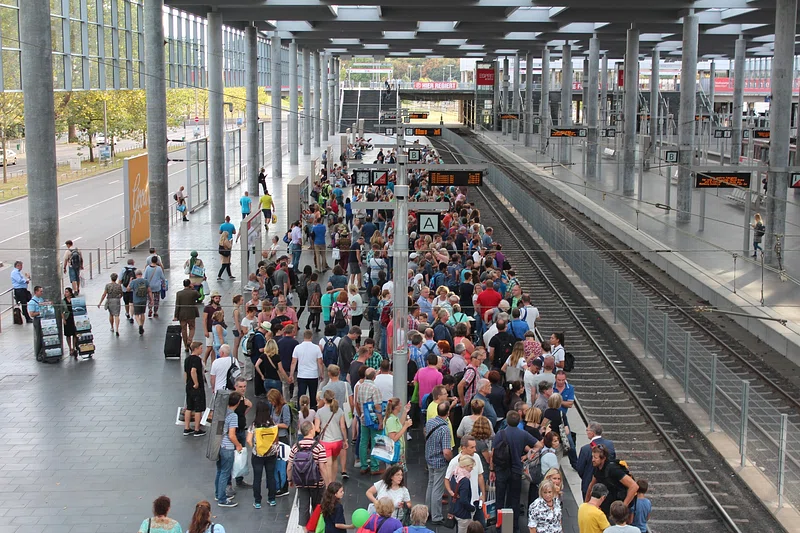
When post-COVID crowds returned, big-city metros got way busier and ticket inspections tightened, so you’ll want to plan routes and leave buffer time.
Carry change for machines, download the transit app, and keep valuables zipped and against your body – pickpockets target tourists on crowded trains.
At night, stand near the driver or well-lit cars and hail taxis from official ranks or trusted apps.
Exploring the countryside with regional train routes
Regional services have been revamped recently, letting you reach vineyards and villages at low cost. Book seats on popular routes in summer, carry water, and always validate tickets before boarding; conductors do check and fines sting. Expect slower journeys, but the views are glorious.
Take advantage of revived scenic lines and growing train-bike combos – they make hopping between tiny towns easy.
Check timetables early, since some rural routes run just a few times daily, plan connections accordingly, buy tickets at the station if apps aren’t reliable, and enjoy quieter, more authentic stops you won’t find on coach tours.
What does a solid 7-10 day trip look like?
Picture touching down in Rome, spending three days on ruins and museums, two days in Florence for art and wine, then two days drifting through Venice – fast, rewarding, and totally doable. Use trains to save time, and book major tickets in advance.
The classic first-timer route: Rome, Florence, and Venice
Start in Rome, where you can toss a coin at the Trevi, blitz the Vatican, then train to Florence for the Uffizi and Tuscan dinners before ending in Venice’s canals. Book museums early and carry a small daypack; crowds spike in summer, so plan accordingly.

Southern loops, northern highlights, and coastal escapes
Venture south for Amalfi hikes and limoncello nights, head north for the Dolomites and lakes, or loop Sicily and Sardinia for beaches and ruins – each route fits a 7-10 day trip if you skip long transfers. Expect slower ferries and plan transport – ferries run less often off-season.
Take a night train or short flight so you wake up on the coast and actually have daylight for wandering – you’ll want that. If you rent a car, brace for tight, winding coastal roads and aggressive local drivers; parking’s a constant headache.
Otherwise, rely on regional trains, ferries, and a few day tours, and you’ll spend more time soaking up the view than sitting in transit. Stunning sea views are everywhere; just factor in slower connections.
Designing your trip by interest: art, nature, or just food
Explore art in Florence and Rome, trade city streets for Dolomite hikes, or eat your way through Emilia-Romagna and Tuscany. Focus on one theme so you’re not rushing; book gallery slots and tasting tours early, and you’ll get deeper experiences. Don’t sleep on food tours – they sell out fast.
Choose art and mornings at museums become the norm – snag timed tickets for the Uffizi and Vatican. Choose nature, and you’ll swap espresso for hiking boots in the Dolomites or Cinque Terre, with shorter travel days and big views.
Choose food and plan hands-on cooking classes, market visits, and winery tastings; book tastings and classes ahead, or you’ll miss out on the best seats and hosts.
The real deal on money, etiquette, and staying connected
Recently, solo travel to Italy has spiked, so you’ll find more options and crowded hotspots – which means you should be a bit sharper: carry copies of documents, and grab a local SIM or eSIM so you’re always connected for trains and last-minute plans.

Money talk: booking, timing, and not getting ripped off
Booking trains and museum slots early scores cheaper fares and less stress; try off-peak times. Use bank ATMs, avoid airport currency exchanges, keep a little cash for tiny cafés, and double-check for hidden card fees before you sign.
Mastering “aperitivo,” cafe culture, and language basics
Aperitivo is your social shortcut to tasting local bites-go around 6-8 p.m., order a drink and nibble; at bars, you’ll often pay at the counter for cheaper coffee, and locals appreciate simple Italian like “grazie” and “scusi”.
Learn a few phrases – buongiorno, per favore, dov’è, quanto costa – and use them; people will smile. Expect small plates called stuzzichini during aperitivo, so don’t show up starving, and note table service can add a coperto or servizio charge, so check the menu.
Espresso standing at the bar is faster and cheaper, seating costs more, and English is common in cities, but trying Italian wins you points.
Packing light and getting your phone set up for the road
Pack light with layers, comfy shoes, a small daypack, a power bank, and a universal plug adapter; get an eSIM or local SIM so you’ve got data for maps and bookings without roaming bills.
Carry an unlocked phone or make sure it’s set for eSIM use before you land; buy a local SIM at the airport or order an eSIM online, install WhatsApp, and download offline maps.
Back up documents to the cloud, set contactless payments, top up data as needed, and keep that power bank charged-phones are your ticket, map, and safety net all in one.
Should you book a tour or just wing it?
Want to play it safe or freestyle? In Italy, you can do both – book a few guided days to skip logistics, then wing it between cities. If you worry about pickpocketing in crowds, guided days help, and you still get plenty of solo freedom and local tips.
The pros and cons of day tours vs multi-day trips
How many days do you want to pack in? Day tours let you sample highlights fast; multi-day trips dig deeper, handle lodging and transport, and reach quieter spots. Think about your energy, budget, and whether you want quick hits or a richer pace.
Day tours vs Multi-day trips
| Quick exposure | Limited depth |
| Lower cost per day | Less flexibility |
| Easy logistics | Can feel rushed |
| Good for tight schedules | Miss deeper experiences |
| Great solo-friendly meetups | Group pace may not match yours |
| Simple booking | Higher total cost for long stays |
Why small-group tours are a win for your first solo run
Looking for company but not a crowd? Small-group tours (around 8-16 people) give you the guide’s expertise, local shortcuts, and instant travel mates while still leaving time to go solo when you want.

Could small-group tours actually smooth your first solo trip? Guides cut wait times, score you better local spots, and you’ll meet travel buddies who often become dinner partners or hiking pals, and safety improves in numbers for late trains or narrow streets.
Solo-friendly, social, safer: small groups hit the sweet spot.
Still plenty of freedom to split off when you want.
Picking the right tours for Sicily, Puglia, or Tuscany
Which region fits your vibe – ancient ruins and coast, quirky trulli and rustic food, or vineyards and Renaissance art? Match tours to those strengths: Sicily for ruins and beaches, Puglia for food and rural charm, Tuscany for wine tastings and galleries.
Thinking about specifics? For Sicily, pick tours with guided visits to ancient ruins plus boat days; in Puglia, choose small-group cooking or cycling around Alberobello and coastal villages; in Tuscany, focus on winery days, art walks in Florence, and tours that include transfers and local guides so you don’t waste time figuring things out on your own.
Is Sicily a good idea for your first solo adventure?
Landing late in Palermo, you’ll feel the island’s history and beaches pull you in; Sicily suits first solo trips with its mix of culture, food, and excellent public transport. Crime is mostly petty – watch for pickpocketing in crowds – but staying central makes it easy to explore confidently.

Sicily highlights: getting around and staying safe solo
Hop on a regional train or ferry, and you’ll hit temples, cliffs, and beaches fast; daytime buses and trains are reliable. Keep valuables zipped, stick to well-lit areas after dark, and be aware that petty theft, like pickpocketing, is the main safety concern.
Palermo, Catania, and the best coastal towns for travelers
Explore Palermo’s markets, Catania’s baroque streets, and coastal gems like Taormina, Cefalù and Ortigia for a mix of beaches and ruins – don’t skip the Valley of the Temples for epic history and sea views.
Stroll into Palermo’s Ballarò market, and you’ll taste street food, then catch a train-there are regular train links between Palermo, Catania, and smaller hubs. Taormina and Cefalù are easy day trips by rail or bus, while Ortigia is a compact, walkable town.
Why Sicily is a total adventure for solo female travelers
Imagine sipping granita alone on a sunlit piazza and feeling welcomed; Sicily’s locals are warm and English is common in towns. Stay aware of surroundings, avoid empty streets at night, and you’ll have an adventurous, friendly solo trip with the main risk being pickpocketing.
You’ll find solo women thrive here: choose well-reviewed, central B&Bs, join group walks to meet people, and take daytime boat trips with others. Dress respectfully in churches, grab taxis late at night, trust locals’ tips, and keep emergency numbers handy; overall, violent crime is low, but watch for pickpocketing and always trust your gut.
How to actually enjoy yourself and not feel lonely
Many people assume solo travel equals loneliness; in Italy, it rarely does. You can enjoy very safe streets, easy trains, and buzzing piazzas where you’ll feel part of things. Keep an eye out for pickpocketing, but otherwise plan activities you love, and you’ll meet people naturally.
Embracing slow mornings and making spontaneous plans
Mornings in Italy aren’t a race; you don’t have to cram every museum into one day. Sip espresso, watch locals, then hop a train or ferry when you feel like it. That slow start often brings the best surprises – less stress, better people-watching, and time to follow a whim.
Meeting new people: classes, walking tours, and local hangouts
You might think meeting people solo is awkward, but join a cooking class or a walking tour, and conversation flows. Pop into a neighborhood bar for aperitivo or a market stall, and you’ll meet locals and fellow travelers without forcing it.
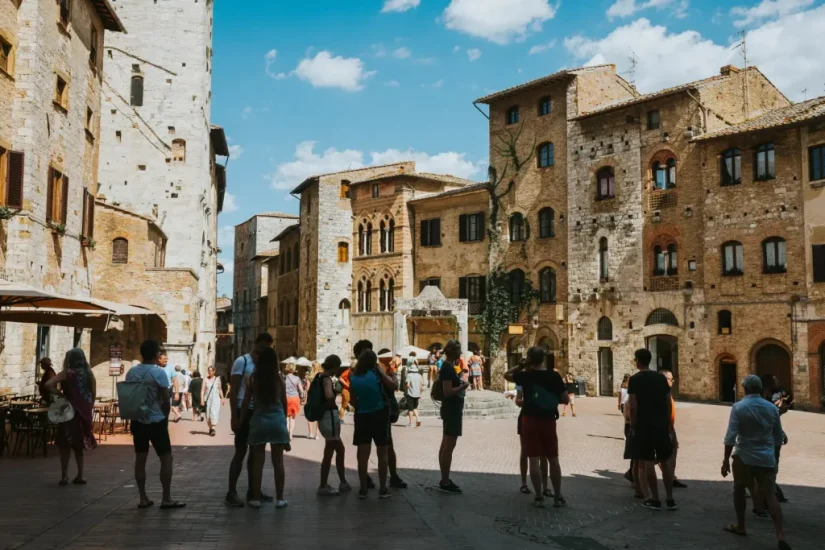
Try to forget the idea that group activities are only for tourists; they’re actually the easiest way to connect. Sign up for a cooking class, a gelato lab, or a language exchange, and you’ll be elbow-to-elbow with friendly faces.
Hit a morning market, then stick around the café – people chat. Watch your bag in crowded spots, since pickpocketing is the main risk, but otherwise jump in, ask questions, and accept invites.
Balancing the big sights with those “off the beaten path” spots
Mix up the myth that you must choose big sights or quiet corners; you can do both. See the major museums early, then spend afternoons wandering small alleys, village squares, or coastal walks for authentic discovery away from crowds.
Plan a loose rhythm: early mornings for the Colosseum or Uffizi, slow afternoons in a hill town. Book big-ticket museums in advance to skip lines. Book big-ticket museums in advance to skip lines.
Take a regional train or a local bus to towns like Matera or a Sardinian cove, ask locals for a favorite trattoria, and leave a free day for aimless wandering. That mix keeps days exciting without burning you out, and it makes solo travel feel balanced rather than lonely.
Don’t make these rookie mistakes, seriously
You’ll want to savor Italy, not sprint through it. Skip frantic checklists, avoid last-minute bookings, and don’t assume every wander is selfie-worthy; tiny missteps like missing timed-entry tickets or choosing the wrong season can ruin days. Pace yourself and leave room for surprise finds.
Why overpacking your schedule is a recipe for burnout
Rushing through three cities in seven days sounds brave until you’re exhausted. Block time for slow meals, detours, and a nap. Italy rewards idleness, so if you cram museums, trains, and long walks every day, you’ll miss the best moments.
Don’t ignore the tips about tickets, scams, and peak times
Tickets sell out fast. You need to prebook and stay alert. Watch for fake vendors, avoid peak afternoons, and check official sites for fares and openings, because little prep saves big headaches.
Always double-check official museum and train operator pages before you buy; third-party offers often hide extra fees or fake vouchers.
- Timed tickets – book weeks ahead for popular museums
- Official websites – use the operator or museum page only
- Pickpocketing – keep valuables zipped and front-facing in crowds
- Peak season – plan mornings or late afternoons to avoid lines
Thou must prioritize official bookings and a light plan to avoid scams and sold-out regrets.
Why staying too far from the center is a bad move
Choosing a remote hostel to save cash feels smart until you waste hours commuting. Late-night piazzas, spontaneous cafe hangs, and last-minute museum entries are easiest when you’re central; transit time eats your day and your budget.

Booking cheap digs miles away often means long bus rides, missed sunsets, and fewer chances to mingle with locals.
- Transport time – factor in buses and train schedules
- Evening life – central spots give better night options
- Flexibility – proximity lets you change plans on a whim
You should balance price with proximity to cut transit time and join the evening life.
What’s this going to cost, and what are some cool alternatives?
Recently, prices have eased outside peak summer, so you can stretch your budget without missing the highlights. You can join solo tours starting at $790, ride excellent public transport, and just watch for pickpockets in crowded spots.
Breaking down the budget and how to save some cash
Plan on saving by traveling off-season, taking regional trains, eating at markets and trattorie, and staying in budget B&Bs or hostels; you’ll shave hundreds. Also, book trains and museum tickets online to avoid surges and use local buses for cheap transfers.
Day trips from the big cities that are actually worth it
Catch quick escapes like Pompeii from Naples, Cinque Terre from La Spezia or Florence, and Lake Como from Milan; they’re doable by train, but you should book early on busy days.
From Rome, you can hit Tivoli’s villas or Orvieto in about an hour, perfect if you want art without the crowds; from Florence, stroll to Siena or Pisa and still be back for dinner. If you’re based in Milan, Lake Como and Bergamo are roughly 1-1.5 hours away.
Want less fuss? Join a half-day guided trip so you see more and don’t waste transit, and leave early – keep valuables zipped because pickpockets like busy trains and stations.
Puglia, Emilia-Romagna, and those underrated spots I love
Head south and east for big flavors and small crowds: you’ll find trulli, orecchiette, world-class parmigiano, and balsamic in Emilia-Romagna, plus cheaper stays than the main tourist hubs.
Expect to fall for towns like Alberobello, Ostuni, and Lecce in Puglia – sun, beaches, and amazing food – while Emilia-Romagna spoils you with Bologna, Parma, and Modena for markets, prosciutto, and balsamic.
Trains can be slower in the south, so consider renting a car for rural stretches; you’ll save time and get to hidden beaches, and the food-to-price ratio is excellent, honestly.
To wrap up
Drawing together: Wondering if Italy’s the right spot for your first solo trip? You can expect easy transport, amazing food, safe cities, and heaps of culture – plan smart, pack light, and you’ll have an unforgettable time.
FAQs: solo travel to Italy
Is solo travel in Italy safe for a solo traveller, and what are the basic safety tips?
Yes, Italy is generally safe for solo travel in Italy; many travelers find Italy has a low crime rate in most areas. Basic safety tips include staying aware of your surroundings, keeping valuables secure, avoiding poorly lit or deserted areas at night, using official taxis or reputable ride apps, and sharing your accommodation details with someone back home.
For crowded tourist spots like the Trevi Fountain or popular markets, watch for pickpockets and keep bags zipped to reduce risk.
When is the best time to visit Italy for a first solo trip, and what should I consider about peak tourist seasons?
The best time to visit depends on what you want: spring (April–June) and early autumn (September–October) are ideal for pleasant weather and fewer crowds—perfect for a first solo trip.
Peak tourist season in July and August brings hot weather and busy sites, while winter can be quieter except around Christmas. Consider the weather for southern Italy or the Italian Riviera if you want beaches, and factor in local festivals when planning your time to visit.
What are the best places in Italy for someone traveling alone who wants both culture and safety?
Cities like Rome, Florence, and Venice are perfect for solo travellers seeking culture, museums, and iconic sights like the Trevi Fountain and gondola rides. Northern Italy offers charming towns and the Italian Riviera, while southern Italy has authentic local life and food.
For a quieter solo travel destination, consider smaller cities like Bologna or Siena, where you can experience local culture and feel comfortable exploring on foot.
Should I join group tours or explore completely alone when traveling in Italy as a solo traveler?
You can do both. Italy tours for solo travelers are great for meeting people, learning local history, and accessing guided experiences. Exploring completely alone offers freedom of solo travel and flexibility.
Combine a few group tours—day trips to Pompeii or cooking classes—with solo days wandering neighborhoods and cafes to balance socializing and independence.
How can I find suitable accommodation, and what types are best for solo travellers?
Accommodation for solo travelers ranges from hostels and B&Bs to boutique hotels and short-term apartments. Hostels and guesthouses are excellent for meeting other travelers, while small hotels or agriturismo in the countryside offer privacy and local hospitality.
When planning your solo stay, prioritize central locations near public transport, read recent reviews, and check safety features like reception hours and secure locks.
What practical travel tips should I know about traveling in Italy, like transport, language, and money?
Practical travel tips include learning a few Italian phrases for greetings and directions, carrying some cash for small purchases, and using regional trains or buses to travel around Italy.
Validate train tickets as required and book high-speed trains in advance to save. Keep copies of important documents, use contactless payments where accepted, and download maps for offline use. Embrace Italian food at local trattorias to fully experience the culture.
How do I plan an itinerary for a solo trip to Italy that balances major sights with quiet time?
When planning your solo trip, choose a manageable number of cities—two to four for a two-week trip—to avoid constant travel. Mix must-see attractions (Colosseum, Uffizi) with slower days for wandering neighborhoods, cafes, or a day trip to the countryside.
Consider travel time between destinations, book key tickets ahead, and leave buffer days for unexpected discoveries or restful downtime.
Can solo travellers enjoy the food and social scene in Italy without knowing anyone locally?
Absolutely—Italian food and dining culture are welcoming for solo travellers. Sit at the bar in an osteria for casual meals, join a food tour or cooking class to meet others, and try seasonal local specialties.
Many solo travellers report that striking up conversations with servers or fellow diners is easy, and food-centered activities provide a natural way to experience the beauty of solo travel and the benefits of solo exploration.
Are there specific areas in southern Italy or northern Italy that are especially recommended for solo travellers?
Southern Italy—places like the Amalfi Coast, Matera, and Apulia—offer stunning landscapes, authentic cuisine, and a slower pace, though travel between towns can require planning.
Northern Italy features destinations like the Italian Riviera, Lake Como, and cities in the Veneto and Lombardy regions that are well-connected and great for solo exploration.
Choose based on whether you prefer coastal scenery, countryside, or bustling cities when deciding on your best Italy destinations.