Skip to content

The 2025 Guide: The Best Time to Visit the Balkans

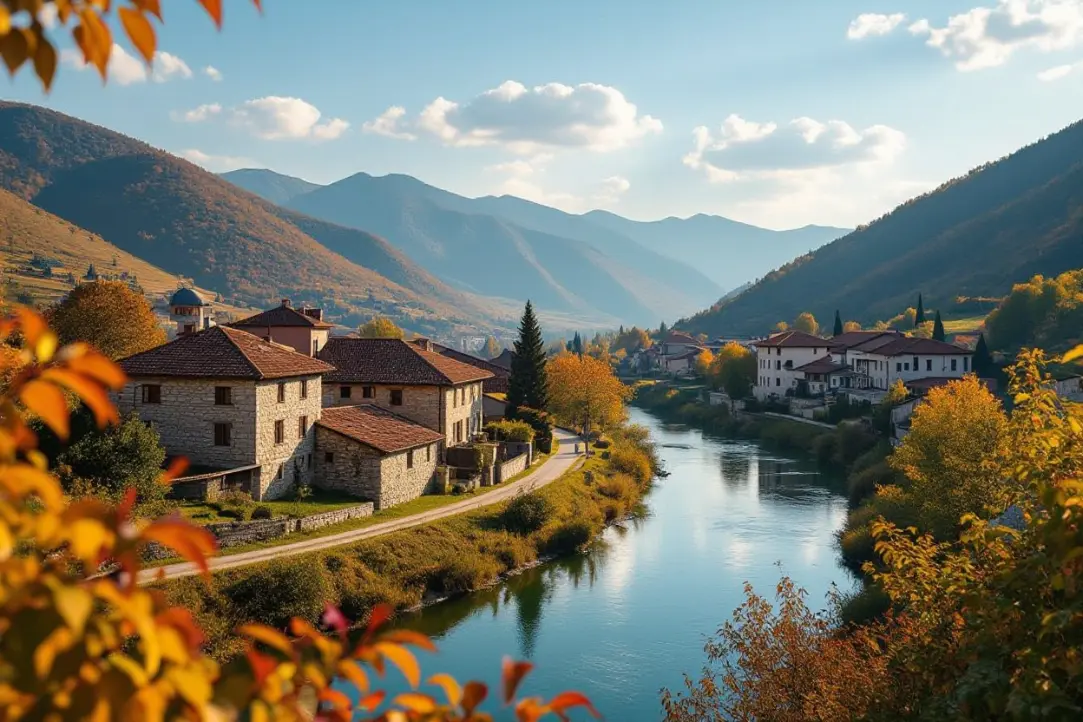
There’s no better time than Shoulder Season in the Balkans; spring and autumn give you mild weather, fewer crowds, and lower prices. Plan logistics carefully—avoid icy mountain passes in winter and summer wildfire and extreme heat—so your trip balances safety, local culture, and value.
Just choose the shoulder seasons—late April–June and September–October—for mild weather, fewer crowds, and lower prices; if you seek beaches, go in July–August, but watch for intense summer heat, and if you chase winter sports, expect heavy snow and possible road closures.
You’ll find reliable transport, varied budgets, and clear visa rules to plan your trip confidently in 2025.
Key Takeaways:
- Shoulder Season (Apr–Jun, Sep–Oct) blends mild weather, fewer crowds, and lower prices — ideal if you want outdoor activities and cultural events.
- As of 2025, May and September offer the best value: cheaper flights, open attractions, and reliable ferries, so you can save on accommodation and transit.
- Summer (Jul–Aug) brings warm seas and busy coasts; choose these months if you want island hopping and full festival calendars, but expect higher costs.
- Winter is best for mountain skiing and low‑season deals in Montenegro and Bosnia, though some coastal services reduce schedules.
- Weather varies by region — coastal Croatia/Montenegro is Mediterranean, inland Serbia/Bosnia are continental — check the specific area you’ll visit.
- Logistics: book ferries, regional trains, and popular lodging early in shoulder/peak seasons; check visa rules and local currencies so you can avoid surprises.
- Local culture and budget tips: learn basic greetings, carry cash in small towns, expect friendly hospitality, and plan daily costs for accommodation, food, and activities.
Timing Your Balkan Adventure
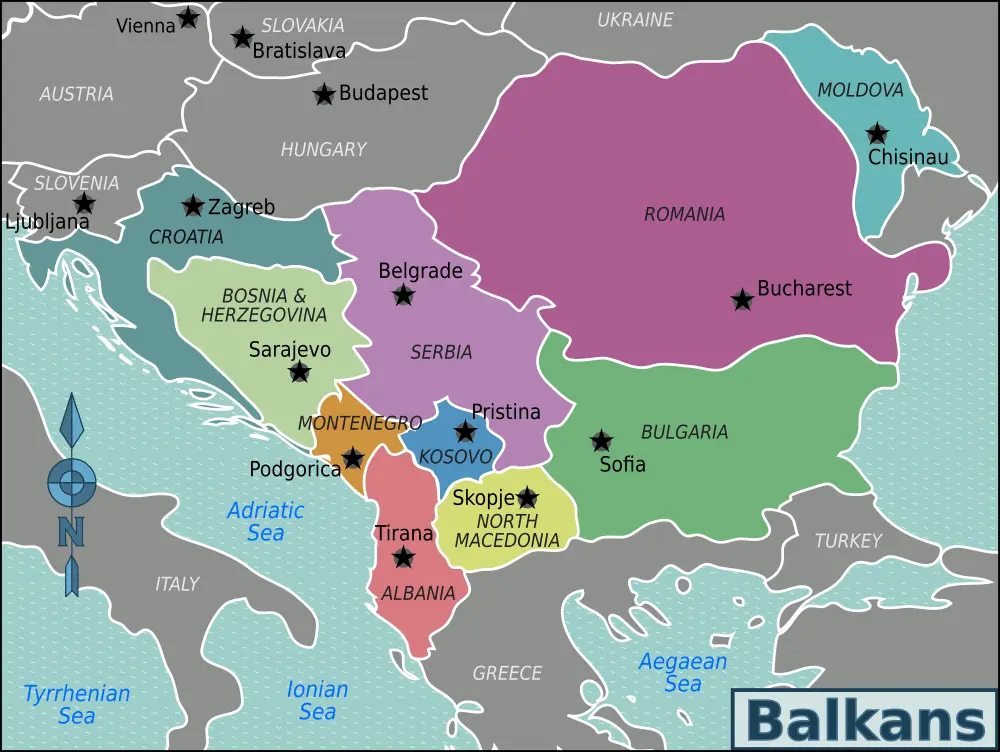
Shoulder season—typically April to May and September to October—offers mild weather, thinner crowds, and lower prices across coastal Croatia, Montenegro, and inland highlights like Bosnia’s national parks.
You’ll find many museums and ferries still running while accommodation drops compared with July.
Assume that you schedule travel around local microclimates and festival dates to squeeze the most value and weather reliability from each stop.
The Strategic Importance of 2025
As of 2025, expanding low-cost routes and greater digital ticketing make reaching secondary cities easier, and ongoing infrastructure projects shorten transit times between capitals.
You can exploit improved bus and rail links to cover more ground in less time, and evolving visa policies may simplify short stays.
Assume that you track route openings and local holiday calendars before booking to lock in the best fares and connections.
- air connectivity
- visa changes
- infrastructure
Factors that Enhance the Travel Experience
Seasonal festivals, regional microclimates, and transport timing all shape how you experience the Balkans: spring wildflowers in Albania, September grape harvests in North Macedonia, or quieter Plitvice visits after morning rain.
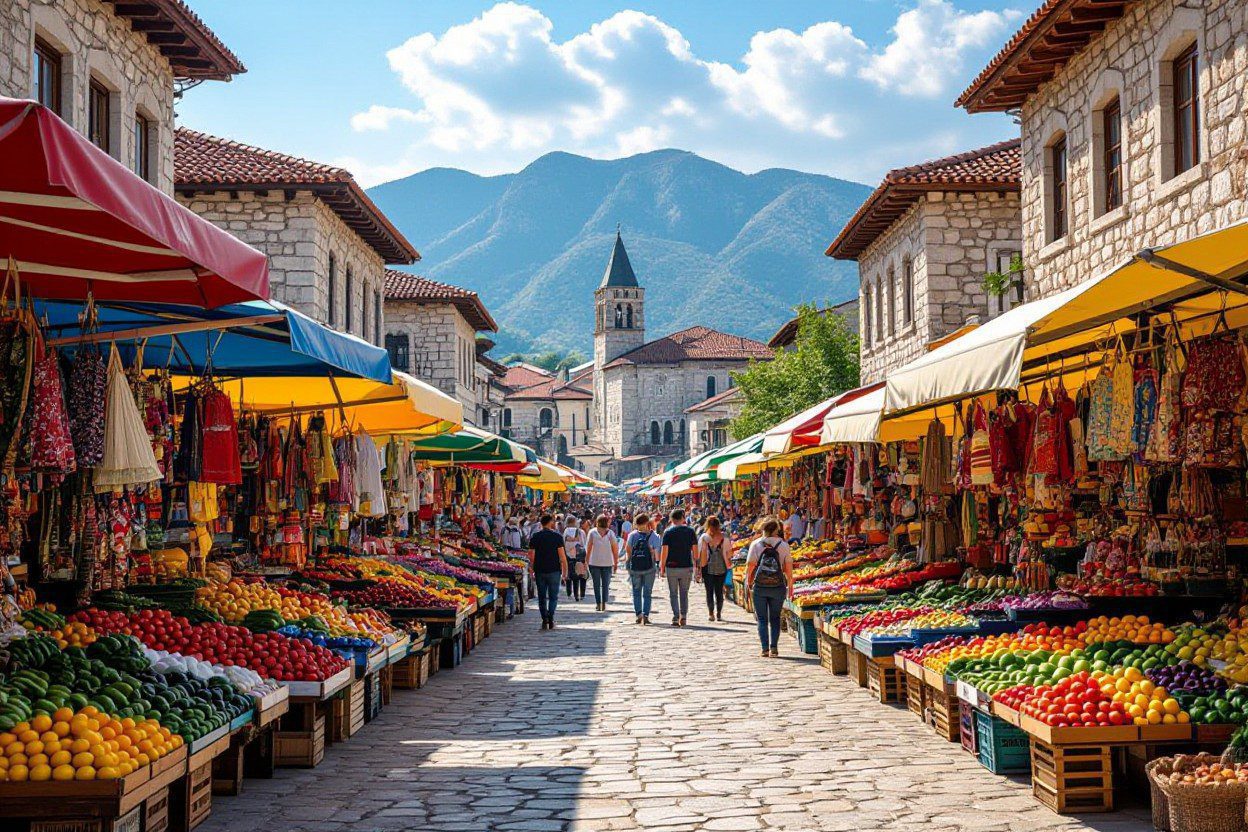
You’ll want to plan activities around weather-driven access—highland passes open late spring—and local events to avoid sold-out tours.
More granular planning tips: scout ferry timetables for Adriatic hops, book mountain refuges early for May hikes, and expect utility differences in remote areas—carry a power bank and local SIM.
You can often negotiate taxis off-season and find day tours running at half the peak-season group size, improving access to sites like UNESCO towns.
Timing Your Adventure: Why 2025 is the Year for the Balkans
Shoulder Season in the Balkans—April–June and September–October—still gives you the best mix of mild 15–22°C weather, fewer crowds, and lower prices than peak summer; choose these months for hiking in Durmitor, island-hopping in Dalmatia, or urban walks in Sarajevo.
As of 2025, improved regional air links and expanded seasonal services mean you can reach more secondary destinations without the July–August rush.
The Evolving Landscape of Balkan Tourism
Coastal hotspots like Dubrovnik and Split remain high-demand, while inland areas—Plitvice, Lake Ohrid, and Albania’s Riviera—are seeing new guesthouses and eco-lodges that give you quieter alternatives.
Festivals and heritage restorations returned strongly after 2022, and agritourism growth lets you stay in family-run homestays, so you can trade tourist crowds for authentic experiences and lower nightly rates.
Anticipating Cultural and Economic Changes
Ongoing infrastructure projects and EU-aligned investment are reshaping routes and services, so you’ll notice better roads and more frequent regional flights into secondary airports by 2025.
Rising interest in long-stay and remote work options—led by Croatia’s digital nomad program—means local markets are adapting, with longer stays and some upward pressure on prices in popular towns.
Expect local job patterns to shift as seasonality evens out: you can find more year-round cafes and coworking spaces in Split and Zagreb, and small towns are promoting off-season festivals to keep visitor flows steady.
If you plan longer visits, negotiate weekly rates at guesthouses and check visa rules for remote work; these changes affect your budget, your choice of base, and how you experience local culture.
Overcrowding hotspots still exist, so pick shoulder months to avoid them.
Seasonal Insights: Climate and Travel
Shoulder Season = late April–June and September–October, when temperatures, crowds, and prices sit between winter lows and summer highs.
As of 2025, shoulder months deliver 15–25°C averages along coasts and milder inland conditions, so you avoid heatwaves and heavy summer crowds.
Unpacking the Climate of the Balkans
Coastal Dalmatia averages 24–28°C in July–August, while inland cities like Belgrade hit 30–35°C; mountain zones above 1,500–2,500m keep snow through April and power ski seasons.
You should expect spring showers and autumn storms—flash floods occur in parts of Bosnia and Albania after heavy rain, so pack layered gear and waterproofs.
Peak Season: What to Expect
July–August brings crowds, full ferries and cruise calls (thousands of passengers in Dubrovnik on peak days), and price spikes—accommodation rates often rise compared with shoulder months.
You will face sold-out boat routes, longer queues at major sites like Kotor and Plitvice, and busier roads; factor extra travel time into your itinerary.
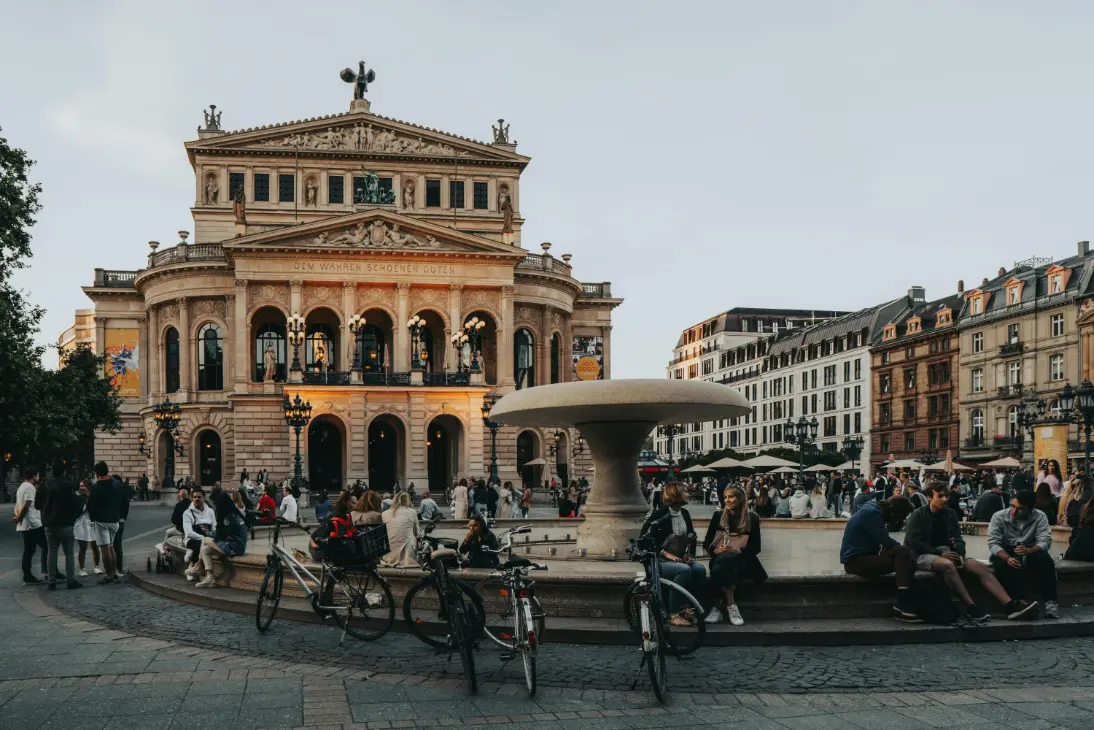
Expect warm sea temperatures (about 24–27°C), long daylight, and major events—Exit Festival in Novi Sad and Sarajevo Film Festival in August draw international crowds—so you can enjoy nightlife and island hopping, but must book ferries and lodging 2–4 months ahead to secure spots and avoid cancellations or premium rates.
The Allure of the Balkans: What Sets This Region Apart
Coastlines on the Adriatic and rugged peaks of the Dinaric Alps create a compact region where you can switch from beach to mountain in hours.
Rich urban layers—from Ottoman bazaars to Austro-Hungarian boulevards—mean you’ll find diverse cultures, affordable prices, and intense historical depth within short travel distances.
Rich History and Diverse Cultures
Centuries of Ottoman, Austro‑Hungarian, and Byzantine rule shaped the languages, religions, and architecture you’ll see in cities like Dubrovnik and Ohrid.
You can visit medieval monasteries, Roman ruins, and 20th‑century memorials; guided tours in Sarajevo or Kotor often include precise timelines and local oral histories to deepen your experience.
Culinary Temptations and Natural Wonders
Street food like ćevapi and flaky burek, regional brandy rakija, and coastal seafood coexist with dramatic sites such as Plitvice Lakes and Bobotov Kuk (2,523 m)</strong).
You’ll taste mountain cheeses one day and fresh Adriatic fish the next while hiking, kayaking, or wine‑tasting.
For deeper planning, target truffle season (Sept–Nov) in Istria, book Pelješac vineyard tours to sample Vranac and Dingac wines, and seek family‑run konobas for authentic meals.
You’ll find prices vary widely—expect €10–€25 for a hearty local meal, higher at upscale coastal restaurants—and seasonal access affects peak experiences.
The Allure of the Shoulder Season
Shoulder season blends quieter attractions and lower prices across the Balkans—April–May and September–October offer the best trade-off between weather and crowds.
You can explore Dubrovnik’s walls or hike the Accursed Mountains with up to 40% lower accommodation rates and far fewer tourists, though you should plan for variable mountain weather on high passes.
Benefits of Traveling During Shoulder Months
You’ll find better value and availability: hotels and ferries often cost 20–50% less, and upgrades are easier to snag.
Shorter lines at Plitvice, more room at coastal restaurants, and friendlier service let you experience local life—farmers’ markets brim with seasonal produce, and you can book guided hikes with smaller groups.
Seasonal Charms: Spring and Autumn Highlights
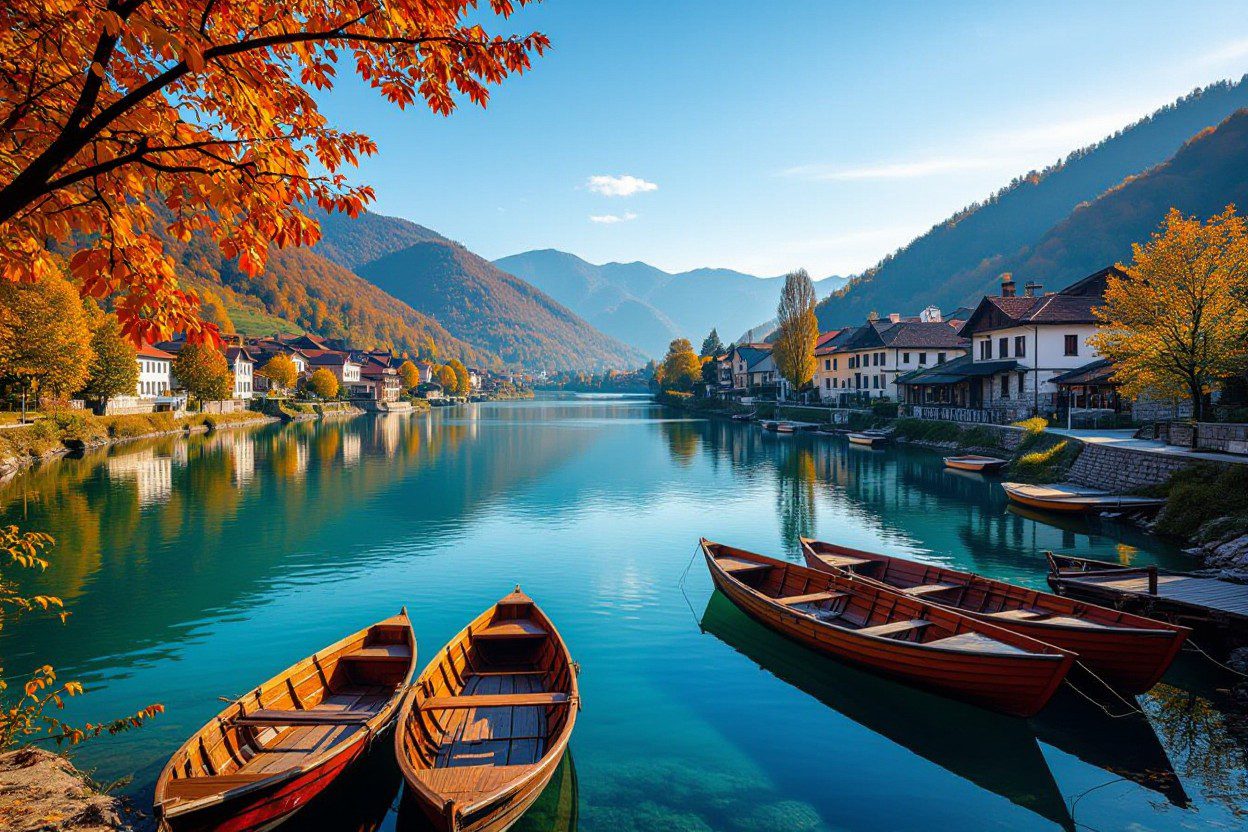
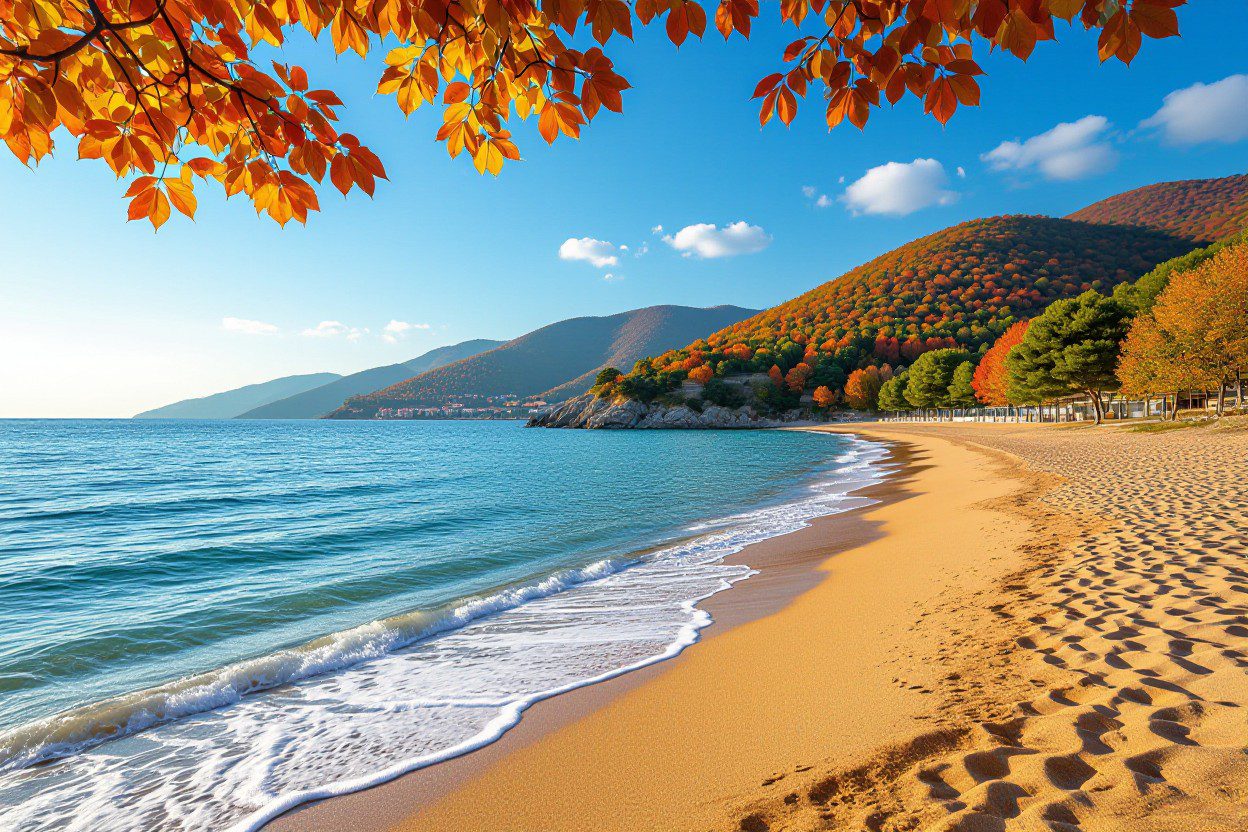
Spring floods waterfalls and fills alpine meadows with wildflowers, while Autumn delivers vivid foliage, grape harvests, and calmer seas on the Adriatic.
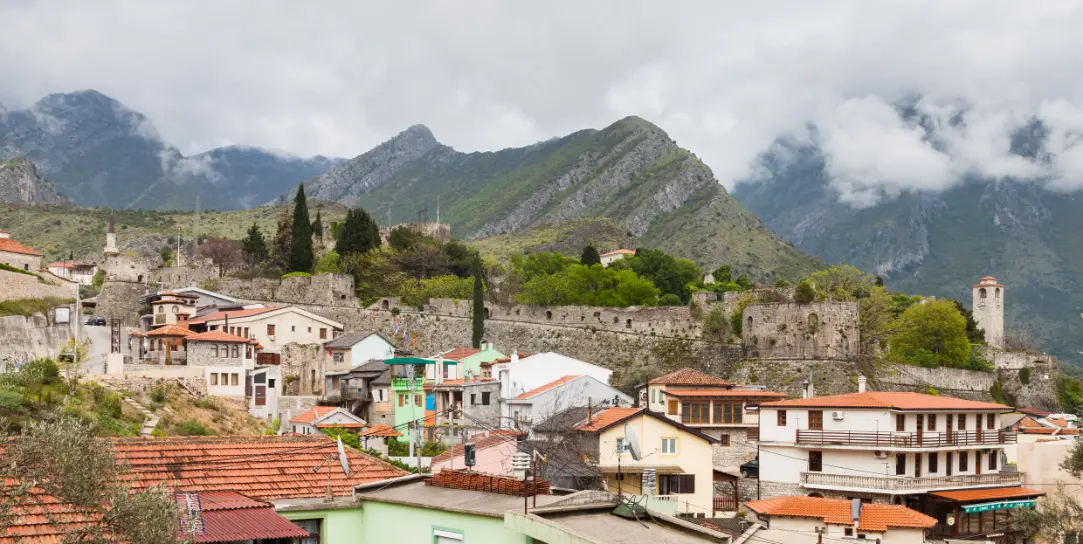
You’ll catch bird migration along the Danube, lively local harvest markets in Macedonia and Serbia, and mild coastal days ideal for mixed itineraries.
As of 2025, expect coastal highs of roughly 15–25°C in April–May and September–October, with mountain temperatures dropping quickly above 1,200 m—snow can appear early in October.
You should check ferry schedules (frequency falls outside July–August), consider renting a car for remote sites, pack waterproof layers, and watch for sudden weather changes in passes like Durmitor—flash storms and slippery trails are possible.
Seasonal Splendor: Unpacking the Best Times to Visit
As of 2025, shoulder seasons (April–June, Sept–Oct) offer the best balance of mild weather, lower prices, and fewer crowds across the Balkans.
You’ll find coastal highs around 20–28°C in late spring and early autumn, inland plains ranging 10–25°C, and mountains still snowy above 1,500m through April; expect hotel and flight savings of 15–40%.
Want quieter trails or warmer sea swims without peak tariffs?
Understanding the Balkan Climate Throughout the Year
The Balkans are split into three clear microclimates: the Adriatic coast (Mediterranean, dry summers), the continental interior (hot summers, cold winters), and the Dinaric and Balkan Mountains (alpine conditions with snow into May).
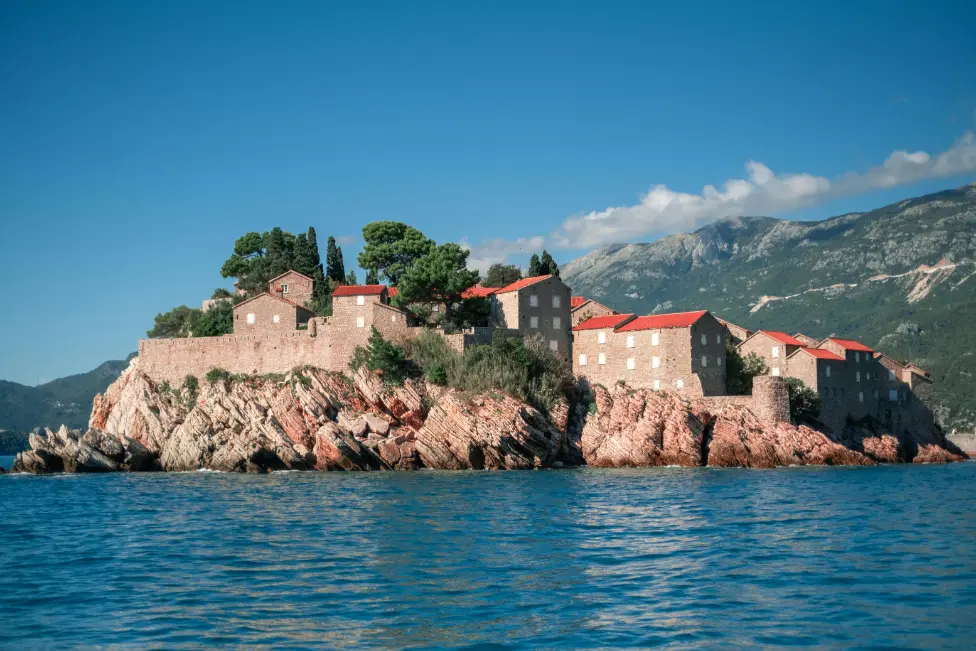
You can plan beach days in Split when sea temps hit 22–25°C by June, or take high-altitude hikes where temperatures hover near 0–5°C even in May. Winter road closures above 1,200m are common, so check routes before you go.
The Benefits of Shoulder Season Travel
Traveling in shoulder months gives you fewer crowds, lower costs, and milder weather, ideal for mixed itineraries: city sightseeing in the morning and coastal swims in the afternoon.
You’ll often see hotel rates drop 20–40% versus July–August, and regional ferries run at reduced capacity but still connect major ports.
Want better wildlife viewing and festival access without tourists swamping sites? Shoulder season delivers that balance.
Regional examples underscore the point: Dubrovnik’s crowds fall dramatically after mid-September while sea temps remain ~22–24°C, Plitvice Lakes explode with spring waterfalls in April–May, and Sarajevo offers pleasant city walks in May/September with daytime highs around 18–24°C.
Watch for limited ferry schedules in late October and occasional early-spring snow at high passes.
Summer and Winter: Embracing Contrast
Unlike shoulder months, summer (June–August) and winter (December–March) push the Balkans to extremes: summers often exceed 30°C along the coast with packed harbors and festivals, while winters deliver alpine snow above 2,000m and active ski seasons.
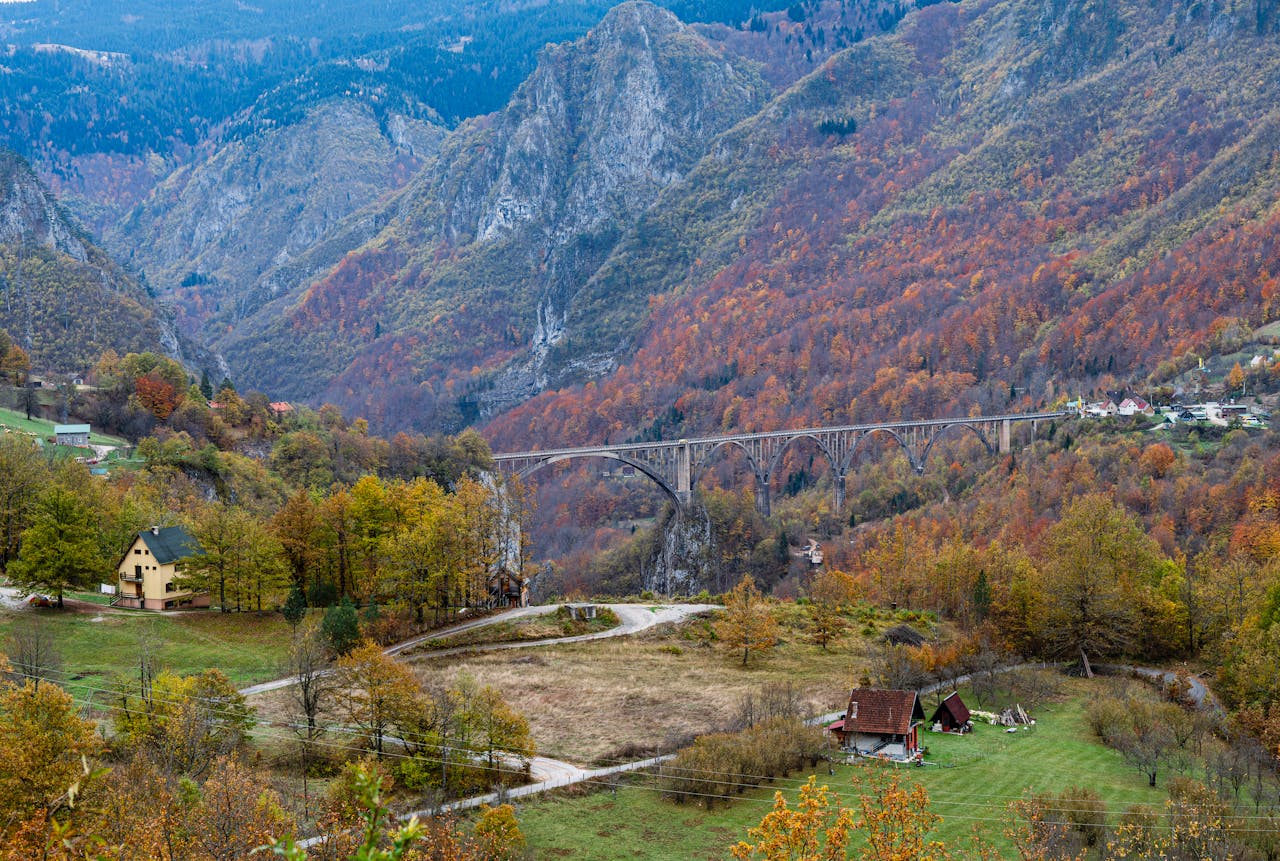
You’ll swap calm trails for crowded beaches or cozy mountain huts, and you should book transport and lodging early in high season to avoid sold-out ferries and full slopes.
The Summer Experience: Crowds and Festivals
Coastal towns like Dubrovnik, Split, and Hvar fill rapidly in July and August, with day temperatures commonly over 30°C; major events amplify the surge—Exit Festival in Novi Sad draws about 200,000 attendees and Ultra-style events attract tens of thousands.
You’ll find nonstop nightlife, boat trips, and island hopping, but expect longer lines, higher prices, and the need to reserve ferries, restaurants, and accommodations well ahead.
Winter Wonders: The Balkans in Snow
From Kopaonik (Pančić’s Peak 2,017m) to Bansko (ski area up to 2,560m), December–March brings reliable slopes, frozen lakes, and lively mountain villages; you’ll trade seafood for hearty stews and thermal spas.
Midweek lift queues are shorter, but be aware of icy roads and localized avalanche warnings in high zones—proper gear and local guides help mitigate risk and enhance enjoyment.
As of 2025, Bansko is situated approximately 160 km from Sofia and Kopaonik, about 290 km from Belgrade, with shuttle buses available in peak season.
Lift passes typically cost around €20–€45/day, and rentals range from €15 to €30/day, making them cheaper than many Alpine resorts.
You should equip winter tires, check avalanche forecasts, and book instructors or guided routes for technical terrain to keep your trip safe and rewarding.
Embracing Nature’s Palette: Seasonal Highlights in the Balkans
Spring and autumn deliver the region’s most vivid scenes: expect full waterfalls, wildflower meadows, and crisp mountain air in April–May, then intense foliage and harvest energy in September–October.
As of 2025, shoulder months (April–June, Sept–Oct) give you the best balance of mild temperatures (typically 8–22°C across lowlands and valleys) and fewer crowds, while higher elevations shift a few weeks earlier or later depending on altitude.
Plan around local festival dates and check pass conditions if you head into the mountains.
Spring Awakening: Blossoms and Festivals
March–May turns Plitvice Lakes and the Rila foothills into carpets of blooms and roaring waterfalls; you can catch peak flow in April after snowmelt.
Visit coastal Montenegro for almond and citrus blossoms in April, or time your trip for Orthodox Easter processions in Ohrid or Belgrade to pair nature walks with authentic local rituals.
Expect daytime highs of 12–20°C, light crowds, and excellent hiking conditions for trails below 1,500 m.
Autumn’s Canvas: Ideal Times for Fall Colors
Mid-September to late October brings the richest leaf color across the Dinaric Alps, Tara Gorge, Durmitor, and Rila, with the best displays at 800–1,800 m elevation; you’ll see golden beech and crimson maple bands shifting downhill over 2–4 weeks.
Book mountain lodges early for weekend harvest events, sample Tikveš wines during the September grape harvest, and keep a flexible itinerary to chase peak color as it moves with altitude.
For deeper planning, aim for different zones: lower valleys hit peak color in late September, mid-elevation beech forests peak in early October, and alpine larch shows in high basins by mid-October; monitor local forecasts for early snowfall above 1,500–2,000 m that can end the season abruptly.
You’ll want a reliable rental car for remote viewpoints, allow extra time for narrow mountain roads, and pack layered clothing—day temperatures often range 6–16°C while nights can drop near freezing.
Budget-Friendly Travel in the Balkans
Shoulder seasons (April–May, Sept–Oct) slash costs and crowds, with hostels from €8–15 and guesthouses €20–40 per night; you can score regional bus/trains under €20 and return budget flights from nearby EU hubs for under €50 as of 2025.
Use local markets for meals €3–8, book ferries early, and stay vigilant in crowded tourist areas to protect valuables while saving money.
Best Times to Visit for Savvy Travelers
April–May and Sept–Oct deliver mild weather, fewer tourists, and often 10–30% cheaper accommodation in hotspots like Dubrovnik, Kotor, and Split; you’ll catch shoulder-season hikes and winery visits with better availability.
If you want beaches, July–August is peak and pricier, while winter offers low rates for ski resorts and thermal spas.
Affordable Cultural Experiences
Museums, monasteries, and UNESCO sites such as Ohrid and Mostar typically charge €2–€10 entry, and many cities run free walking tours and market-based food experiences; you’ll get deep cultural value for little outlay, especially by using student/senior discounts and local festival tickets. Prioritize weekday visits to avoid markup and long lines.
Buy city cards (e.g., Zagreb Card, Dubrovnik Card) to combine transport and museum savings—these often cut combined costs by roughly 25–40%; you can also time visits to free museum days, attend free public concerts in town squares, or join low-cost village homestays for authentic meals.
Festivals like Serbia’s Guča or Macedonia’s Ohrid Summer bring rich culture at low ticket prices, and learning basic greetings in local languages will unlock better local prices and hospitality.
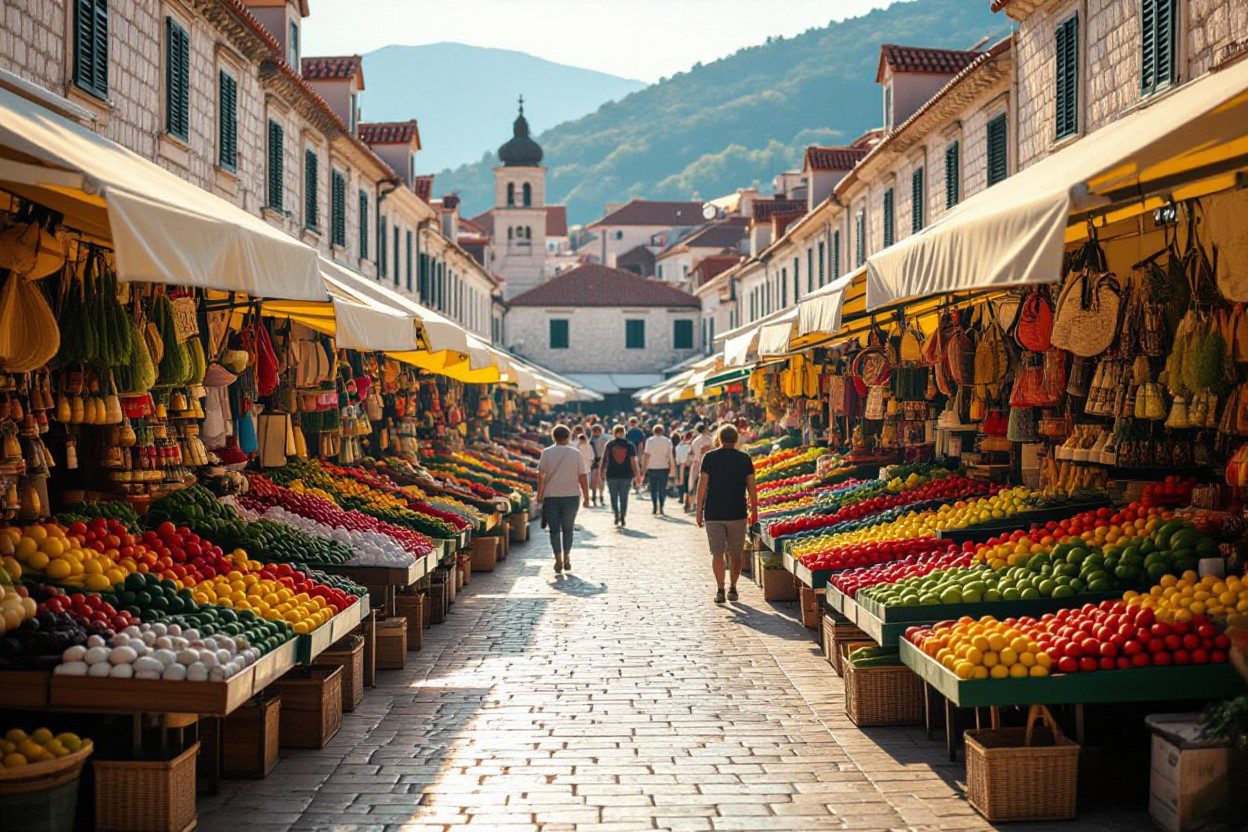
Maximizing Your Balkan Experience: Seasonal Hotspots and Hidden Gems
Aim for May–June and September–October to dodge crowds and catch wildflowers, grape harvests, and mild weather, while July–August gives you sun-drenched Adriatic beaches and warm sea temps (24–27°C).
You can chase snowy slopes in January–March in Kopaonik and Bansko, or plan late autumn for food festivals and lower prices; your choice of month directly shapes costs, crowd levels, and activities.
Montenegro: The Best Time to Explore Its Coasts
Head to Montenegro in late May–June or September for quieter sailing around Kotor Bay and sunbathing in Budva, with daytime highs of 22–28°C and sea temperatures near 24–25°C in summer.
You’ll find ferries and local catamarans more frequently in peak season, but shoulder months let you kayak, visit Perast, and photograph UNESCO-listed sites without long lines.
Bosnia and North Macedonia: Timing Your Visit for Unique Experiences
Plan Bosnia in August for the Sarajevo Film Festival and Mostar bridge diving, or October for autumn colors along the Una and Neretva rivers; Sarajevo averages 25°C in August and 8–12°C in October.
Visit North Macedonia in late June–September to swim in Lake Ohrid (22–26°C) and join Tikveš harvest events in September, giving you a mix of culture, nature, and local food.
Expect intercity buses and reliable regional flights to link Sarajevo, Mostar, Skopje, and Ohrid; you’ll use BAM in Bosnia and MKD in North Macedonia, with cash common in rural spots.
Allow extra travel time for mountain roads in winter, verify visa rules for your nationality, and factor modest daily budgets (roughly €40–€80/day depending on comfort); your season choice affects both accessibility and local services.
Summing up
Hence, as of 2025, the best time to visit the Balkans is the shoulder season — you’ll find milder weather, lower prices, and fewer crowds in May–June or September–October.
Plan travel around your interests (beaches, hiking, festivals), use regional transport, and budget for mixed accommodation options; which window suits your pace and priorities?
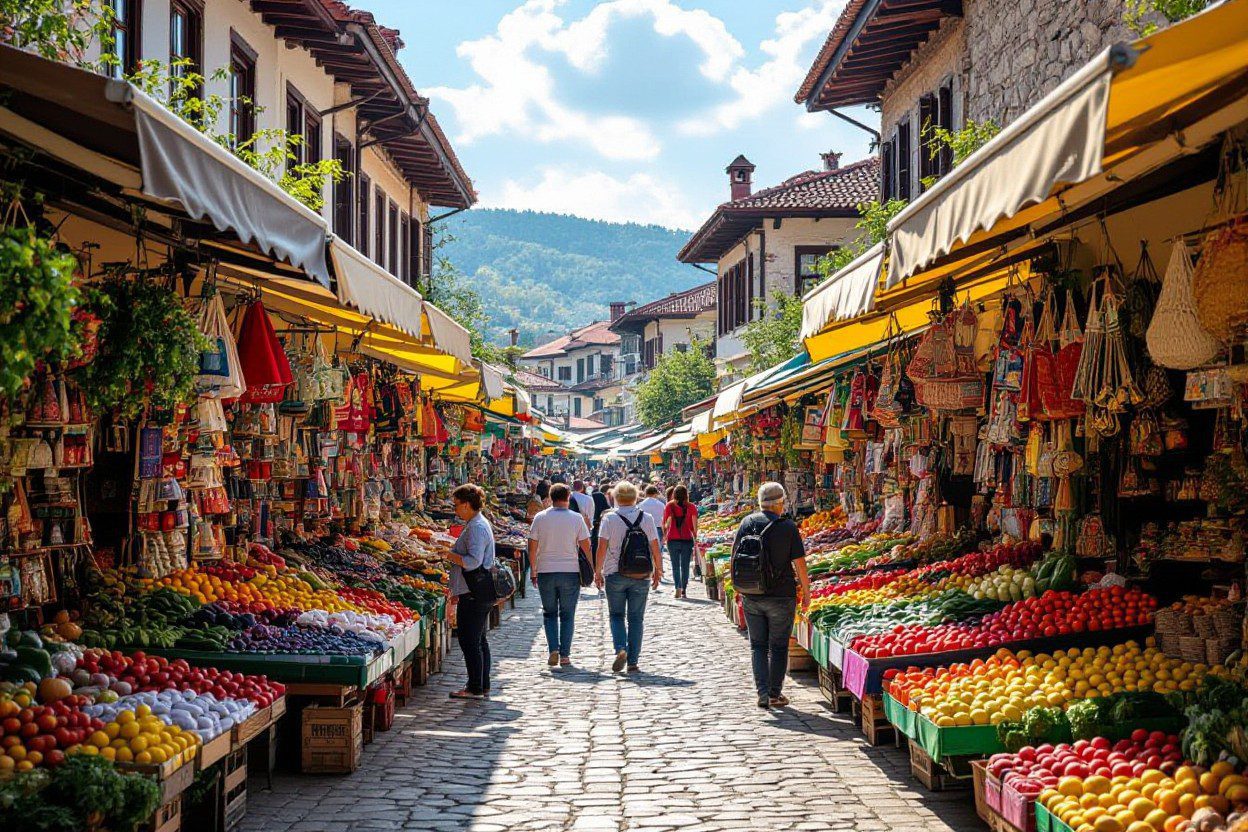
Budget-Savvy Travel in the Balkans
Shoulder seasons—especially April–May and September–October—offer the best value, with 30–50% lower accommodation rates than July.
You can find hostel beds for €10–15 and mid-range hotels for €40–60 per night in Sarajevo, Tirana, or Sofia; regional buses typically cost €5–20 between major hubs. Prioritize weekday travel and local markets to stretch your budget further.
Identifying Budget-Friendly Travel Seasons
Late autumn and early spring deliver the deepest discounts on flights and rooms; winter sees the lowest prices but shorter daylight and some closures.
You can save up to 40% in October versus August in coastal hotspots like Dubrovnik. If you want milder weather plus deals, plan around national holidays—avoiding peak festival weeks will cut costs dramatically.
Engaging in Cultural Events on a Budget
Local town festivals, open-air concerts, and religious processions often have free entry; examples include municipal summer concerts in Plovdiv and Orthodox Easter processions across Serbia and Greece.
You can attend major draws like the Guca trumpet gatherings on a shoestring by skipping VIP areas and eating from stalls where meals cost €3–6.
Use local event calendars to find weekday events with smaller crowds and lower prices.
Sign up for municipal newsletters and Facebook event pages so you know dates early; volunteering at festivals or using Workaway can secure free entry plus meals, saving roughly €50–200 per week.
Buy single-day tickets rather than full passes for multi-day festivals to cut costs, and when crowds gather, watch out for pickpockets—keep valuables secured and use a money belt while you enjoy free or low-cost cultural experiences.
Final Words
Ultimately, shoulder seasons—late April to early June and September to October—offer you mild weather, fewer crowds, and better prices, making them the best times to visit the Balkans; plan your itinerary around regional festivals and transport schedules so you can enjoy cultural sites, coastal beaches, and mountain trails with greater comfort and value.
FAQs: Why Fall 2025 is the Ideal Time to Visit the Balkans
What is the shoulder season in the Balkans?
The shoulder season in the Balkans refers to the period between the peak summer months and the low winter season.
Typically, this includes late spring (May) and early autumn (September). During these times, travelers can enjoy milder weather, fewer crowds, and a more authentic travel experience in destinations like Bosnia and Herzegovina and Montenegro.
Why is fall 2025 a great time to visit the Balkans?
Fall 2025 is an excellent time to visit the Balkans due to the pleasant weather, stunning fall foliage, and cultural events that occur during this season.
The landscape transforms into a breathtaking canvas of colors, making it perfect for outdoor activities and sightseeing without the crowds typically seen in peak season.
What are some outdoor activities to enjoy in the Balkans during the shoulder season?
During the shoulder season, visitors can partake in various outdoor activities across the Balkans, such as hiking in the Alps, exploring ancient ruins, or enjoying the scenic views at Lake Ohrid.
The milder temperatures and beautiful fall colors enhance these experiences, making it a fantastic time for adventure seekers.
How does the climate in the Balkans change during the fall?
The Balkans’ climate in the fall is generally mild, with daytime temperatures averaging between 15°C to 25°C (59°F to 77°F).
This comfortable weather allows travelers to explore vibrant cities and engage in activities without the summer heat, making it one of the best times to visit the region.
What are the benefits of visiting the Balkans in September?
September presents an ideal time to visit the Balkans as it marks the transition from the busy summer months to the quieter shoulder season.
Travelers can enjoy pleasant temperatures, fewer crowds, and opportunities to witness the breathtaking fall colors while exploring the local culture and unique experiences the region offers.
What should I pack for a trip to the Balkans in the fall?
When visiting the Balkans in the fall, it’s advisable to pack layers, including a light jacket or sweater for cooler evenings.
Comfortable walking shoes are essential for exploring scenic landscapes and vibrant cities.
Don’t forget your camera to capture the stunning autumn foliage and picturesque views throughout your journey.
Are there any cultural events in the Balkans during the fall season?
Yes, the fall season is rich with cultural events across the Balkans. Many cities host local festivals celebrating harvests, traditional music, and art.
This is a great way to immerse yourself in the local culture, sample delicious cuisine, and meet residents, enhancing your travel experience.
How do the costs of traveling during the shoulder season compare to peak season?
Traveling during the shoulder season typically offers lower costs compared to the peak season. Visitors can often find better deals on accommodations, flights, and attractions. This makes it a more budget-friendly option while still allowing for a rich exploration of the Balkans’ diverse landscapes and cultural offerings.
What are some must-visit destinations in the Balkans during the fall?
Some must-visit destinations in the Balkans during the fall include the historic city of Mostar in Bosnia and Herzegovina, the coastal beauty of Montenegro, and the UNESCO World Heritage sites scattered throughout North Macedonia. Each location offers unique experiences and picturesque views, especially during the fall season.