Skip to content

Is Vilnius the Underrated Lithuanian Capital City Worth Visiting?


Travel to Vilnius and you’ll quickly see: Is Vilnius the Underrated Lithuanian Capital Worth Visiting? As a compact capital, you will explore the historic Old Town, contemporary galleries, and a vibrant food scene, while helping your budget with affordable prices; remain alert to occasional pickpocketing in crowded areas and variable winter weather.
Key Takeaways:
- Rich Old Town heritage with UNESCO-listed architecture, narrow streets, and Baroque landmarks.
- Highly walkable and compact city center, making sightseeing efficient for short stays.
- Excellent value: lower prices for food, lodging, and attractions compared with Western Europe.
- Vibrant cultural scene—museums, contemporary art, festivals, cafés, and a lively nightlife.
- Green spaces and riverside areas plus the bohemian Užupis district offer contrast to historic areas.
- Safe, well-connected, and visitor-friendly with easy day trips to Trakai and surrounding nature.
- Is Vilnius the Underrated Lithuanian Capital Worth Visiting — yes: historic charm, affordability, cultural vibrancy, and accessibility make it well worth a visit.
The Allure of Vilnius: Why This Capital Deserves Attention
You move through a city where Gothic spires, Baroque facades and Soviet-era blocks sit within the same skyline; Vilnius’ UNESCO-listed Old Town (since 1994) spans one of Northern Europe’s largest medieval cores and pulses with cafés, galleries and a burgeoning tech scene.

With a metro-area population of around 580,000, you’ll find prices generally lower than Western capitals, high-quality museums, and a compact layout that makes exploring on foot both easy and rewarding.
Hidden Gems: Exploring Unique Attractions
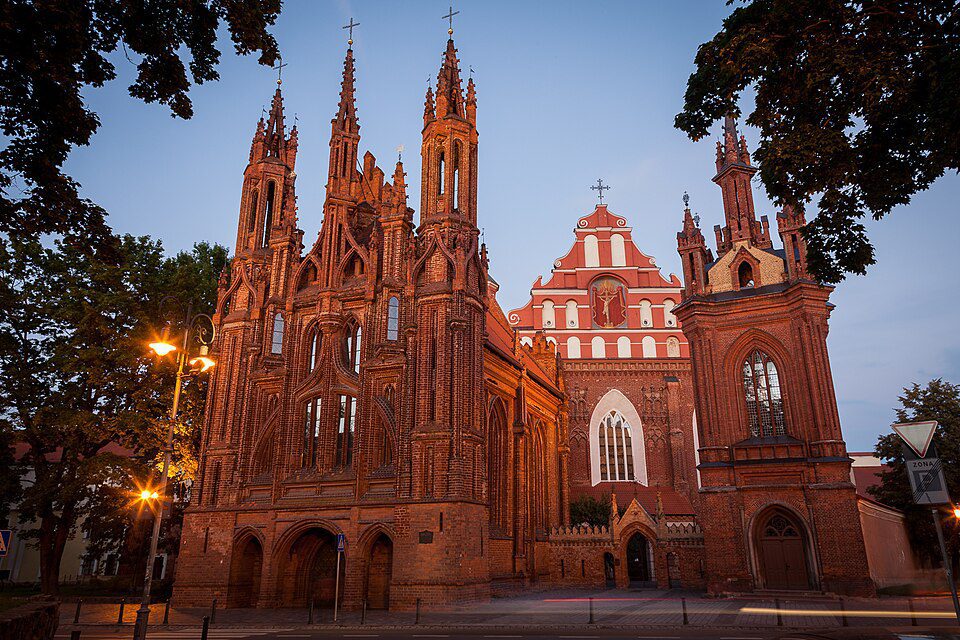
Užupis, Vilnius’ bohemian “micro-republic” declared in 1997, surprises with its quirky constitution and riverside art; nearby, St. Anne’s Church showcases unforgettable red-brick Gothic detail that reportedly captivated Napoleon.
You can descend into the KGB Museum for a sobering look at Soviet repression, wander Literatų Street’s tiny art plaques, and climb the Hill of Three Crosses for sweeping city views—each stop revealing a distinctly local angle you won’t see in guidebook highlights.
A Cultural Melting Pot: The Influence of History and Diversity
Layers of Lithuanian, Polish, Jewish, Belarusian and Russian influence shape Vilnius’ character: synagogues and the Vilna Gaon legacy testify to a once-thriving Jewish community often called the “Jerusalem of the North”, while Polish-Lithuanian Commonwealth architecture and Orthodox domes reflect centuries of coexistence.
You’ll encounter multilingual signage, museums documenting 20th-century upheavals, and festivals that celebrate this mixed heritage—evidence of resilience and ongoing cultural exchange.
Everyday life in Vilnius amplifies that history: you’ll hear Lithuanian, Polish and Russian on the streets, see more than 40 historic churches punctuating the skyline, and find seasonal events like the centuries-old Kaziukas Fair drawing artisans and tens of thousands to the Old Town.
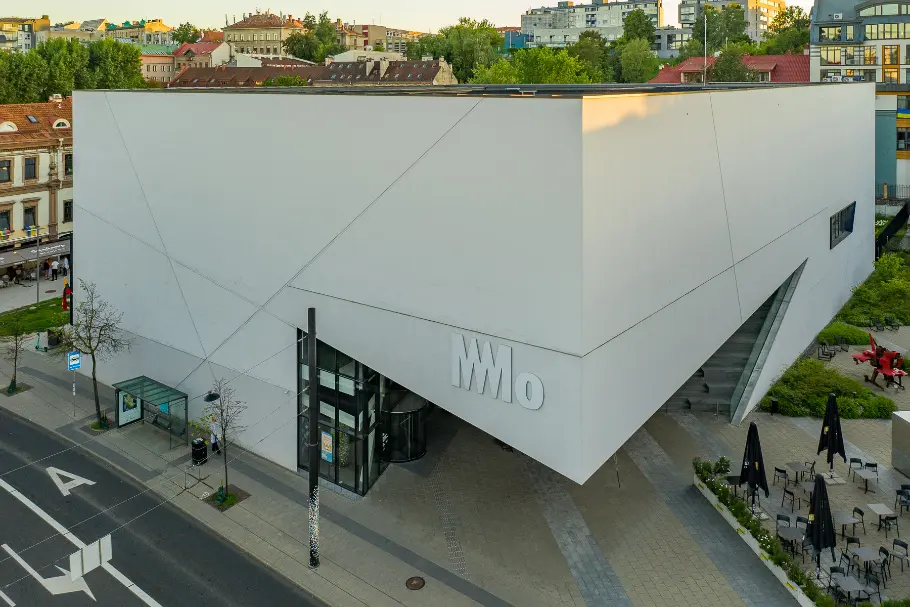
Contemporary venues—the MO Museum and numerous independent galleries—sit alongside memorials to wartime and Soviet-era suffering, so your visit balances vibrant creativity with the weight of hard-won memory.
Vilnius vs. European Counterparts: Standing Out Among Capitals
Comparison with Riga and Tallinn: Distinctiveness in the Baltics
Vilnius (city ~580–600k) distinguishes itself with a lush Baroque Old Town and the bohemian Užupis republic (declared 1997), while Riga (~630k) is famed for Art Nouveau and a massive Central Market, and Tallinn (~430k) offers a near-intact medieval core and strong cruise traffic.
You’ll notice Vilnius combines quieter streets, eclectic cafés, and rapidly expanding contemporary culture, giving you a blend of historic charm and emerging arts scenes that often feels more intimate than its Baltic neighbors.
Comparison at a glance
| Feature | Vilnius vs Riga/Tallinn (what you get) |
| Architecture | Baroque-rich Old Town vs Riga’s Art Nouveau and Tallinn’s medieval fortifications |
| Atmosphere | Laid-back, bohemian Užupis vibe vs Riga’s urban bustle and Tallinn’s tourist-packed lanes |
| Tourism Density | Generally lower crowds; fewer cruise ship surges than Tallinn and Riga |
| Value | Often better midrange prices for dining and lodging |
| Culture & Nightlife | Growing craft beer and gallery scene; intimate live venues |
Evaluating Experience: Is Vilnius the Better Choice?
You’ll find Vilnius offers better value and less tourist congestion, making museum visits and wandering the Old Town feel relaxed; Gediminas Tower and the Hill of Three Crosses give quick, dramatic viewpoints without long queues.
Local museums like the MO Museum (opened 2018) and the Presidential Palace exhibitions add modern context to history, so if you favor deeper cultural exploration over postcard crowds, Vilnius frequently edges out its Baltic peers.
Expect short day trips: Trakai Castle sits about 28 km away and reachable by 30–40 minute bus ride, letting you combine a quiet city stay with an iconic lakeside fortress.
You’ll navigate most central sights on foot within 20–30 minutes, and local guides often highlight lesser-known spots—seasonal festivals and a blossoming café culture that reward repeat visits.
The Enchantment of Vilnius Old Town
You’ll wander a labyrinth of narrow cobbled streets, baroque façades and hidden courtyards where cafés spill onto lanes and church bells punctuate the day; the skyline is punctured by the red-brick silhouette of St. Anne and the hilltop Gediminas Tower, offering sweeping views across the Neris River and the modern city beyond, while the compact layout makes most highlights reachable on foot in a few hours, so you can crisscross history and contemporary life without losing time.
Key Highlights: Must-See Sights and Experiences
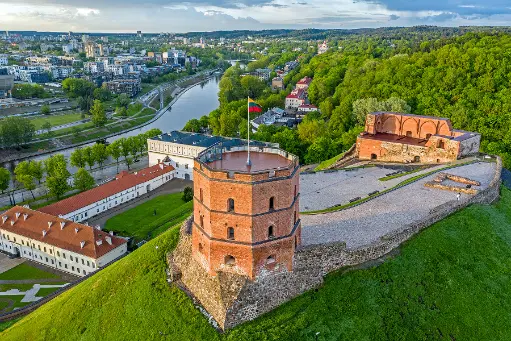
Head straight to Gediminas Tower for panoramic vistas, pause at Cathedral Square and the Vilnius Cathedral, stroll Pilies Street for artisan shops, step into the Gothic wonder of St. Anne’s Church, and visit the Gate of Dawn chapel; expect steep cobbles in places—watch your step—and plan a stop in Užupis to see its bohemian constitution on the wall and lively café scene to round out the day.
UNESCO Heritage: What Makes Old Town Special?
The Historic Centre of Vilnius was inscribed on the UNESCO list in 1994 for its exceptionally well-preserved medieval layout and eclectic mix of Gothic, Renaissance and Baroque architecture, reflecting centuries of Polish, Jewish, Lithuanian and Ruthenian influences that you can read in façades, courtyards and piazzas across the neighbourhood.
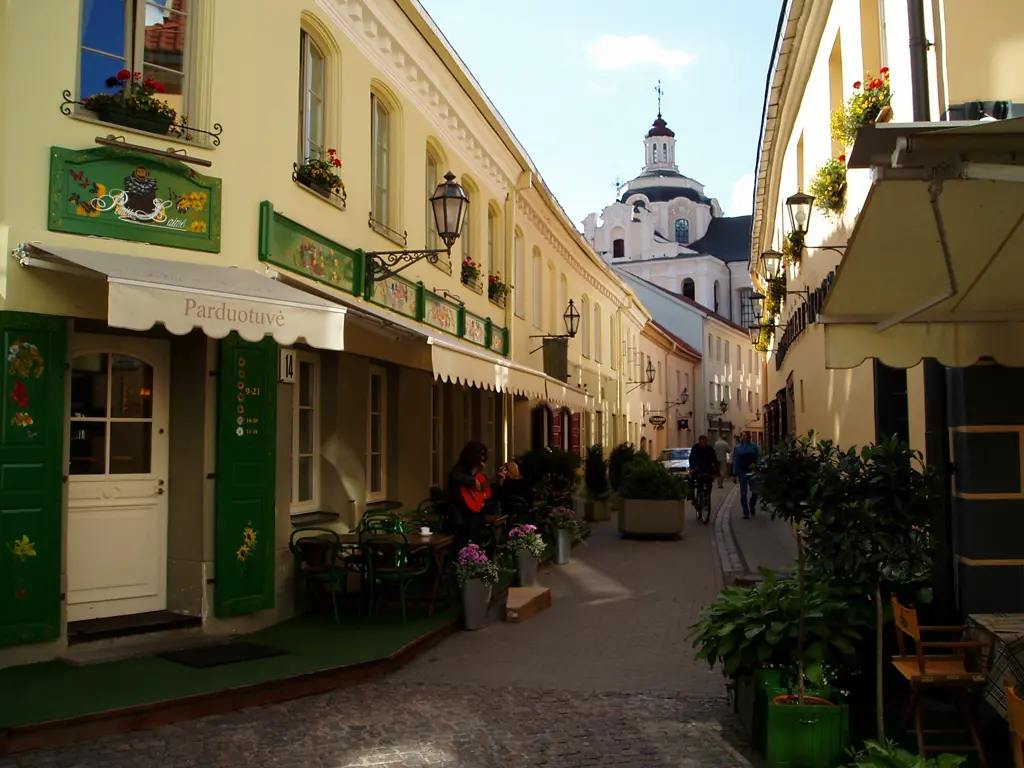
Examples you can visit include the 16th-century Vilnius University complex, where cloisters and chapels show Counter-Reformation art, the intricate brickwork of St. Anne’s as a Gothic highlight, and synagogues and memorials that trace the once-vibrant Jewish quarter; those layers make the Old Town a living archive rather than a sanitized museum, so you see continuous use alongside preservation.
Navigating the Charm: Tips for Exploring Effectively
Start early to avoid crowds at Gediminas Tower and the Gate of Dawn, wear sturdy shoes for uneven cobblestones, and use local trams or buses to reach hilltop viewpoints quickly; pick a themed route—architectural, culinary, or Jewish heritage—to structure your visit. After, grab a map from the tourist office or download an offline map to stay oriented.
- Is Vilnius the Underrated Lithuanian Capital Worth Visiting: plan a half-day route to hit main sights
- cobblestones: wear supportive shoes and watch your step
- Vilnius Card: saves on museums and transport if you have 24–72 hours
Balance self-guided wandering with one guided tour—free walking tours run daily and museum-led tours reveal hidden archives—and use the Vilnius City Card for discounts if you intend to visit several paid sites; sample local dishes at Halės Market for quick fuel and check opening times on Sundays.
After, join a short guided walk to orient yourself and discover tucked-away courtyards.
- Is Vilnius the Underrated Lithuanian Capital Worth Visiting: consider a 48-hour itinerary to experience both Old Town and Užupis
- public transport: efficient and inexpensive for reaching viewpoints
- guided tours: reveal historical context you might miss alone
Nature Meets Urban Life: Outdoor Adventures in Vilnius
If you ask “Is Vilnius the Underrated Lithuanian Capital Worth Visiting,” its green urban fabric answers: rivers, hills and parks thread through the Old Town, offering easy escapes.
You can stroll from the UNESCO-listed Old Town (1994) to the riverside trail in minutes, climb Gediminas Hill for panoramic views, or head to Pavilniai Regional Park to descend into rugged river valleys.
Spot the 326.5 m TV Tower on the skyline and plan for crisp sunrise vistas that reward early risers.

Parks and Green Spaces: The Best Spots to Relax and Unwind
Vingis Park, the city’s largest green lung, hosts concerts, running routes and informal bike loops; Bernardine Garden offers manicured lawns and a quiet café by the river; Belmontas in the Pavilniai area combines waterfalls and walking paths.
You can picnic beneath chestnut trees, join local yoga sessions, or follow riverside promenades along the Neris and Vilnia. Beware of steep, icy slopes in winter around the river valleys—slippery conditions can surprise you.
Unique Outdoor Activities: From Trails to Tours
Rent a bike or e-scooter to cover more ground, book a sunrise hot-air balloon ride for sweeping Old Town views, or kayak the Neris with guided trips that include city and wildlife commentary.
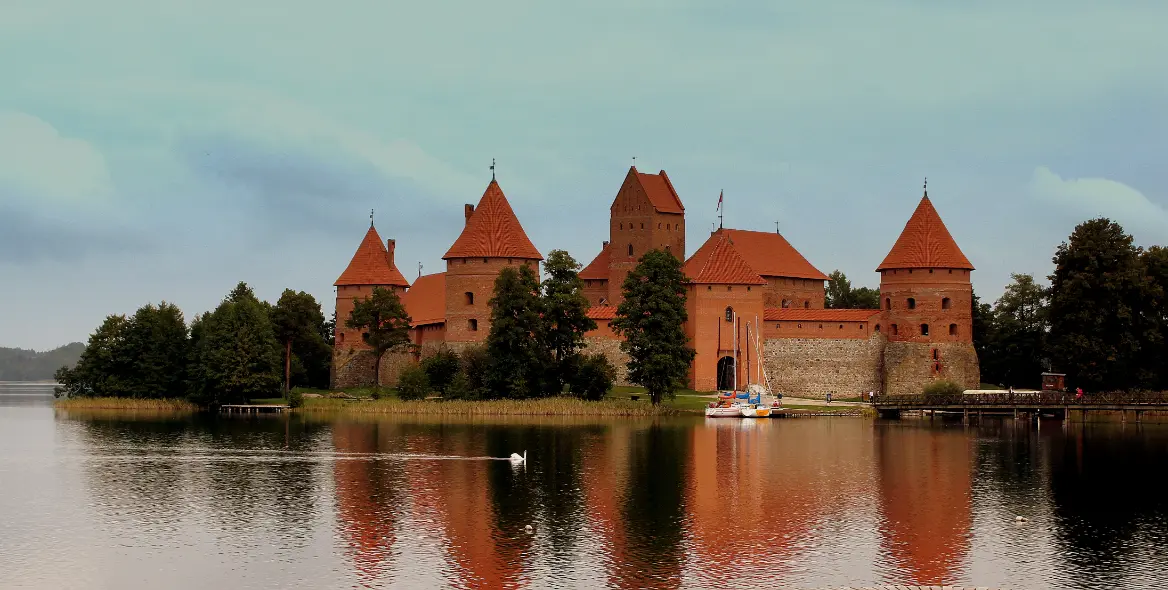
Day trips to Trakai Castle sit about 28 km from Vilnius and pair perfectly with paddleboarding or castle-anchored hikes.
Keep an eye on river conditions; strong currents make unguided paddling risky at certain times of year.
For practical planning, expect most hot-air balloon companies to run flights at dawn lasting roughly an hour, with transfers and breakfast adding 2–3 hours total.
Bike rentals often charge per hour or day, and guided e-bike tours typically run 2–3 hours covering parks and viewpoints.
Kayak and SUP operators provide dry bags and safety briefings—choose guided options if you want local route knowledge and to avoid weather-related hazards.
Culinary Journeys: Flavors of Vilnius
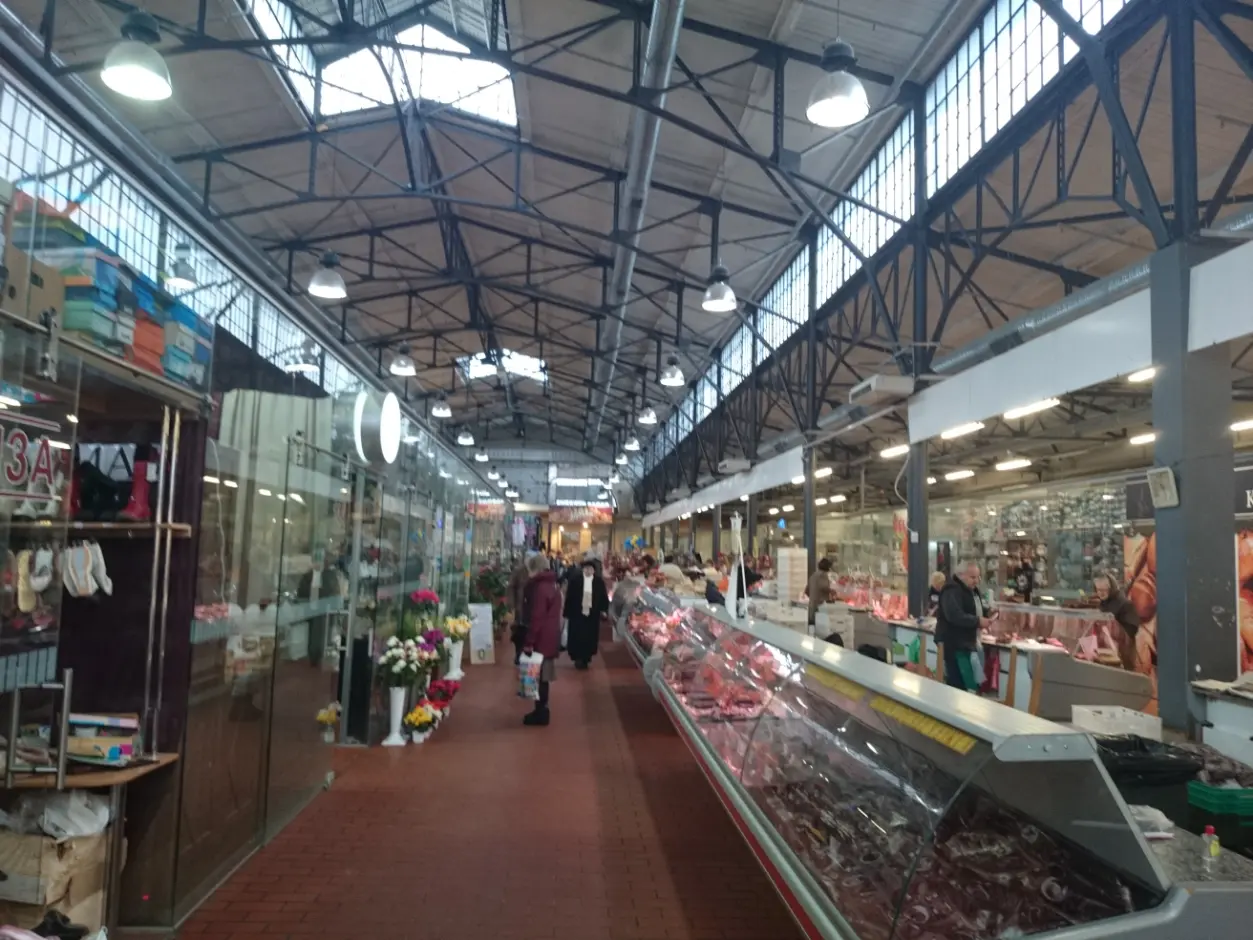
Wander through Old Town and Užupis where you’ll find cozy taverns, modern tasting rooms and the century-old Hales Market (Halės turgus, opened 1906) selling produce and street bites; you can try snacks for under €5 or book a tasting menu that runs €40–€80.
Local chefs blend Soviet-era comfort food with Nordic foraging—expect seasonal mushrooms, wild herbs and a strong craft-beer scene that colors the city’s dining map.
Traditional Dishes: What to Savor in Lithuanian Cuisine
Order cepelinai (potato dumplings), kugelis (baked potato pudding) and cold beet soup šaltibarščiai, plus Karaim kibinai if you visit Trakai; these staples are hearty, often shared, and reflect rural roots.

Seek out family-run places like Senoji Trobelė or market stalls at Halė for authentic portions—cepelinai can be a full meal, so plan accordingly when you taste several dishes in one sitting.
Dining Recommendations: Best Restaurants and Cafes
Try Sweetroot for foraging-driven tasting menus, Džiaugsmas for modern Lithuanian plates, and Etno Dvaras or Senoji Trobelė for traditional fare; dip into Halės Market for quick local snacks and craft stalls.
For craft beer and casual eats, Snekutis delivers authentic pub atmosphere. Book Sweetroot and Džiaugsmas in advance, especially on weekends and during festivals.
Expect mains typically between €8–€25, with tasting menus €40–€90; Old Town and Gediminas Avenue concentrate the most options while Užupis offers cafés with river views.
Many venues accept cards and have English menus, but small taverns may prefer cash and close by 22:00.
You’ll get the best experience by reserving ahead for dinner, asking servers about daily specials, and sampling a mix of market stalls and one standout restaurant on the same night.
Beyond the City: Day Trips to Enrich Your Visit
From Vilnius you can reach diverse landscapes within an hour: Trakai (28 km, ~30–40 minutes) for its island castle and lakes, Kaunas (~100 km, 1–1.5 hours) for modernist architecture and street art, and Kernavė (35 km, ~40 minutes) — a UNESCO archaeological site.
Longer excursions include the Hill of Crosses (~220 km, 2.5–3 hours) and Palanga on the coast (3.5–4 hours). Expect summer crowds—arrive early for the best experience.
Must-Visit Nearby Attractions: Planning Your Itinerary
Block a half-day for Trakai, a full day for Kaunas, and an afternoon for Kernavė; the Hill of Crosses suits an overnight or long-day trip.
Buses and trains run frequently (roughly every 30–60 minutes) to major spots, while renting a car gives you flexibility to stop at scenic viewpoints.
Book guided tours for history-rich sites if you want curated context and hassle-free transport.
Exploring Trakai: A Guide to Your Day Trip Adventure
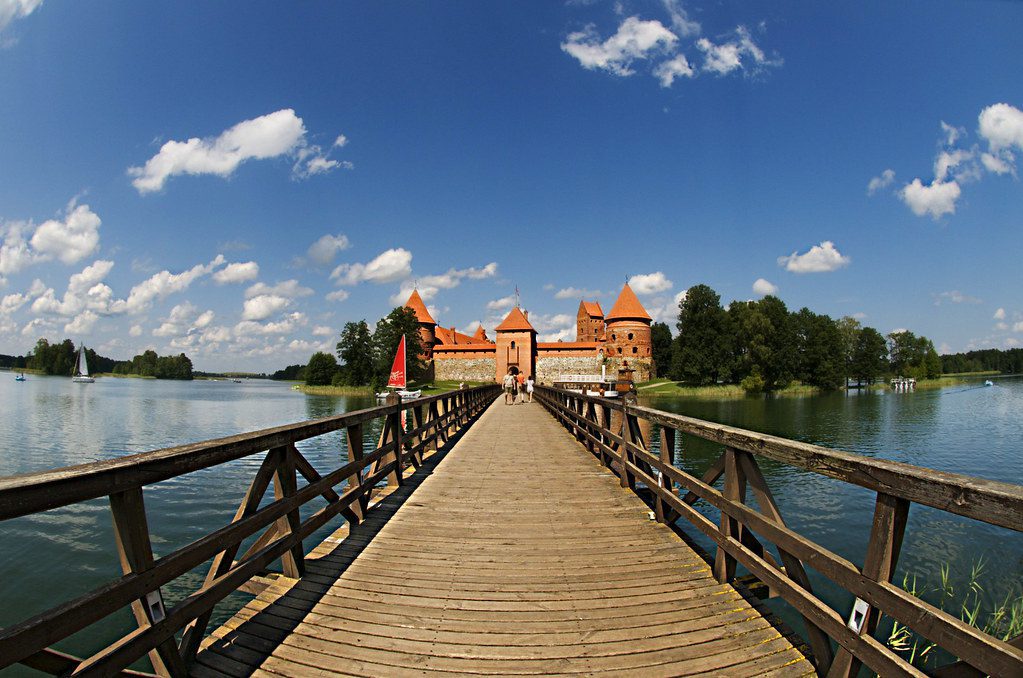
Visit Trakai for the 14th-century Trakai Island Castle on Lake Galvė, stroll the lakeshore, rent a boat or kayak, and taste kibinai, the Karaim pastry local to the town.
You’ll find souvenir shops and small museums clustered around the castle; aim for weekday mornings to avoid crowds and to get unobstructed photos of the island from the wooden bridges.
Take a direct train or bus from Vilnius—journeys hover around 30–40 minutes—then follow signposted paths to the castle and lakes.
Buy castle tickets online in peak season to skip lines, pack waterproof shoes for slippery wooden walkways, and combine the visit with the Trakai Historical National Park or the Karaim cemetery nearby for a fuller cultural picture.
Final Words
Hence, if you ask “Is Vilnius the Underrated Lithuanian Capital Worth Visiting”, the answer is yes: you will find a compact, historic center, dynamic cultural life, affordable dining and welcoming locals, offering an authentic European experience that rewards your curiosity when you make the trip.
FAQs About Why This European Capital is Underrated
What makes Vilnius one of Europe’s most underrated capitals?
Vilnius is often overshadowed by more popular European cities, yet it offers a unique blend of history, culture, and stunning architecture.
The city is home to UNESCO World Heritage sites, such as the Historic Centre, and boasts picturesque streets filled with vibrant art and a diverse food scene. This combination makes Vilnius a worthwhile destination for travelers seeking an under-the-radar experience in Eastern Europe.
What are some must-see attractions in Vilnius?
Key attractions in Vilnius include Gediminas’ Tower, which offers panoramic views of the city, and the Palace of the Grand Dukes of Lithuania, which showcases the rich history of the Grand Duchy.
The picture-perfect Bernardine Garden is perfect for a leisurely stroll, while the quirky neighborhood of Užupis, known for its artistic vibe, is a must-visit for those who appreciate the unconventional.
Is Vilnius a good destination for a city break?
Absolutely! Vilnius is an ideal destination for a city break, offering a compact city center that can be explored easily on foot.
With incredible free museums, historical landmarks, and a lively atmosphere, visitors can immerse themselves in the culture and charm of Lithuania’s capital city without the crowds of larger European capitals.
What unique experiences can visitors have in Vilnius?
Visitors to Vilnius can enjoy unique experiences such as tasting traditional Lithuanian food, including potato dumplings filled with meat, and exploring the city’s diverse food scene that reflects both local and international influences. Additionally, participating in local festivals or art events can provide a deeper understanding of the culture and community spirit.
How does Vilnius compare to other capital cities in Europe?
Vilnius stands out among capital cities in Europe due to its rich history, vibrant arts scene, and affordability.
Unlike many other European capitals, Vilnius offers a more laid-back atmosphere, allowing visitors to explore the city at their own pace.
Its blend of Gothic, Renaissance, and Baroque architecture also sets it apart, making it a visually stunning destination.
Why is Vilnius considered a UNESCO World Heritage site?
Vilnius was designated a UNESCO World Heritage site due to its well-preserved medieval architecture and historical significance.
The city’s Historic Centre, characterized by its unique architectural styles and historical landmarks, reflects the cultural fusion that has taken place over centuries, making it an important cultural site in Europe.
What is the best time to visit Vilnius?
The best time to visit Vilnius is during spring (April to June) and fall (September to October) when the weather is mild and the city is less crowded.
These seasons also showcase the city’s natural beauty, with blooming flowers and autumn foliage enhancing the picturesque landscapes of this underrated European capital.
What are some activities to do in Vilnius besides sightseeing?
Beyond sightseeing, visitors to Vilnius can enjoy activities such as cycling along the Neris River, attending performances at the National Opera and Ballet Theatre, or exploring local markets for unique handicrafts.
The city’s vibrant nightlife offers plenty of options for entertainment, from cozy bars to lively clubs.
How can I get to Vilnius from other European cities?
Vilnius is well-connected to other European cities via its international airport, which offers flights to major destinations.
Additionally, there are bus and train services that link Vilnius to nearby capitals like Tallinn and Riga, making it easy to include Vilnius in a broader travel itinerary through the Baltic States.