

20 Europe’s lesser-known places You Will Fall In Love With


Europe’s lesser-known destinations offer authentic experiences without the crowds and inflated prices of tourist hotspots. From Albania’s pristine Riviera to Slovakia’s medieval castles, these 20 hidden gems provide unique cultural encounters, stunning landscapes, and genuine local hospitality that you won’t find in Paris or Rome.
Key Takeaways
✓ Budget-friendly alternatives save you 40-60% compared to popular European destinations
✓ Authentic cultural experiences await in places where English isn’t widely spoken
✓ Off-season travel (April-May, September-October) offers perfect weather without crowds
✓ Eastern European gems like Albania and North Macedonia remain vastly underrated
✓ Nordic hidden spots provide unique midnight sun and northern lights experiences
✓ Mediterranean alternatives offer pristine beaches minus the Instagram crowds
✓ UNESCO World Heritage sites exist in nearly every lesser-known destination
What Are Europe’s Most Underrated Travel Destinations?
Europe’s hidden gems are destinations that receive fewer than 2 million international visitors annually, offering authentic experiences at a fraction of the mainstream costs.
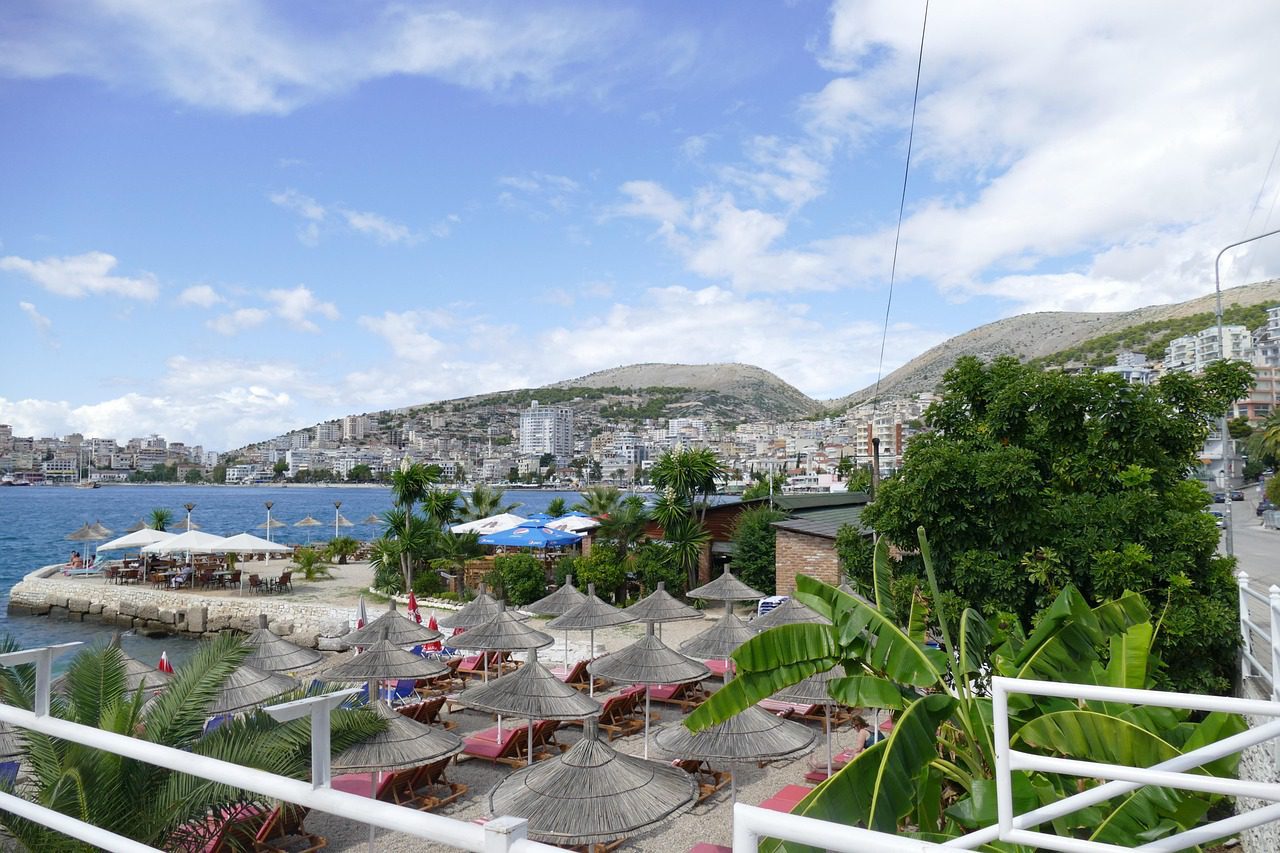
According to the European Travel Commission, these lesser-known places represent Europe’s fastest-growing tourism segment as of 2025.
You’ll discover that countries like Albania, Slovenia, and North Macedonia offer experiences that rival those of their famous neighbors.
Why Are Lesser-Known European Destinations Trending in 2025?
Recent data from UNWTO shows overtourism concerns drive 67% of travelers toward alternative destinations.
Your travel budget stretches significantly further—a week in the Faroe Islands costs what three days in Iceland would.
How Do Hidden European Gems Compare to Popular Destinations?
| Aspect | Popular Destinations | Hidden Gems |
|---|---|---|
| Daily Budget | €150-250 | €40-80 |
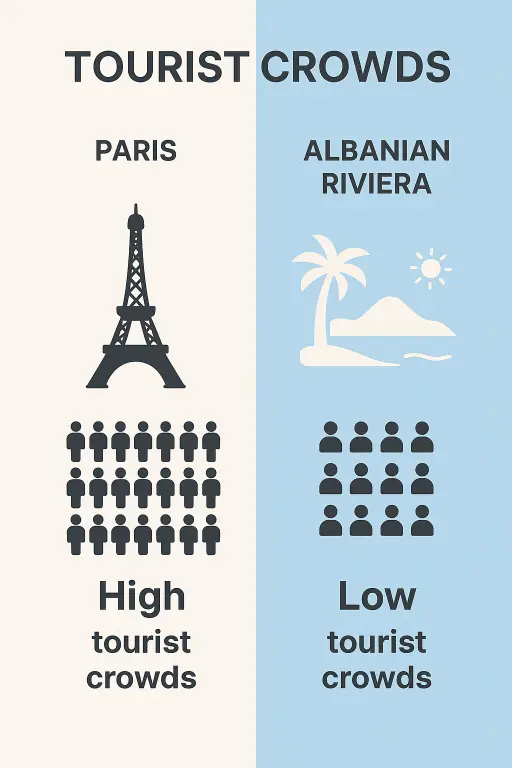
| Crowd Levels | High year-round | Low-moderate |
| Authenticity | Tourist-oriented | Locally-focused |
| Language Barrier | Minimal | Moderate |
| Infrastructure | Excellent | Good-developing |
Which Eastern European Countries Offer the Best Hidden Experiences?
Eastern Europe remains Europe’s final frontier for authentic travel. You’ll find medieval towns untouched by mass tourism and locals genuinely excited to share their culture.
1. Albania: The Mediterranean’s Best-Kept Secret
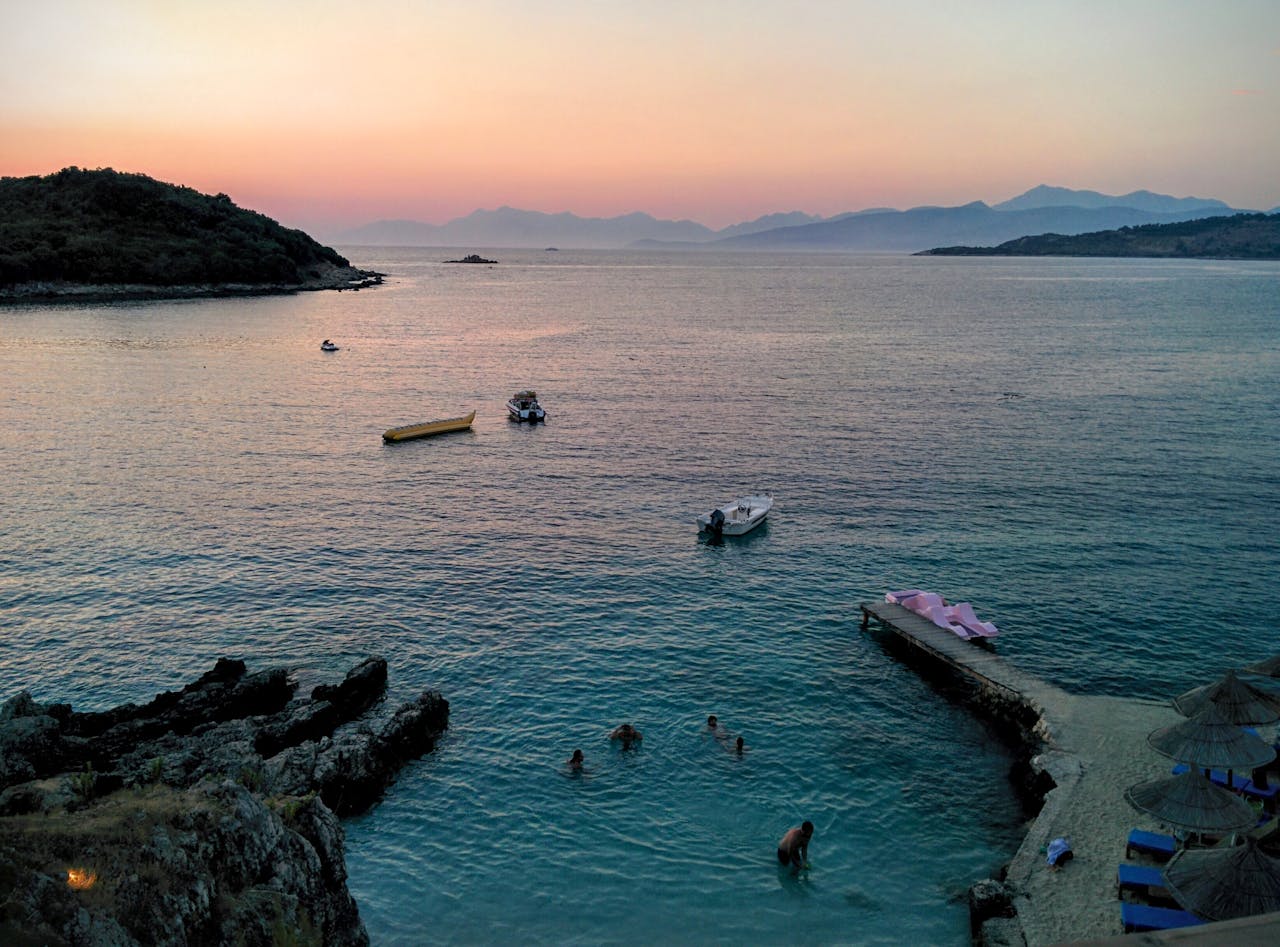
Why Visit Albania: Albania offers 450km of pristine coastline along the Adriatic and Ionian seas.
According to UNESCO, the country hosts four World Heritage sites, including ancient Butrint.
Best Time to Visit: May-June and September-October
- Temperatures: 22-28°C, perfect for beaches
- Shoulder season prices are 40% lower
- Albanian Riviera without summer crowds
Top Destinations:
- Ksamil: Crystal-clear waters rival Greek islands
- Gjirokastër: Ottoman-era stone city
- The Alps: Alpine village for hiking enthusiasts
- Berat: “City of a Thousand Windows”
Practical Tips:
- Currency: Albanian Lek (€1 = 100 ALL)
- Average meal: €5-10
- Hostel bed: €8-15
- No visa required for EU/US citizens
2. Slovenia: Alpine Paradise Without the Crowds
But what makes Slovenia special for your European adventure? This compact nation packs incredible diversity—from Julian Alps peaks to underground Postojna Caves.
Why Visit Slovenia:
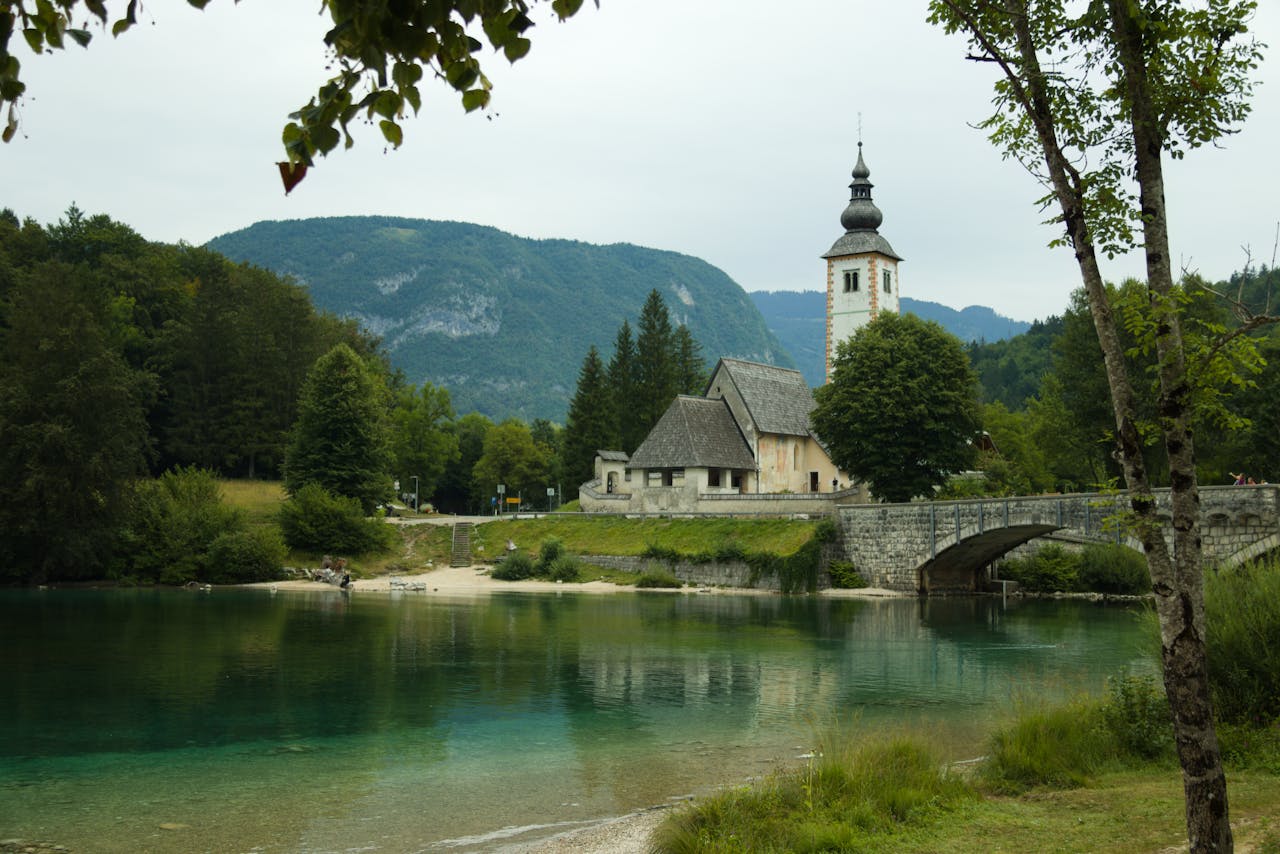
- Lake Bled alternative: Lake Bohinj offers the same beauty, with zero crowds
- Wine regions: Producing world-class wines since Roman times
- Adventure capital: Canyoning, spelunking, paragliding headquarters
Best Time to Visit: April-May for blooming meadows, September for harvest season
Must-Experience Activities:
- Explore Škocjan Caves (UNESCO site)
- Hike Triglav National Park
- Taste orange wines in Goriška Brda
- Kayak the Soča River’s emerald waters
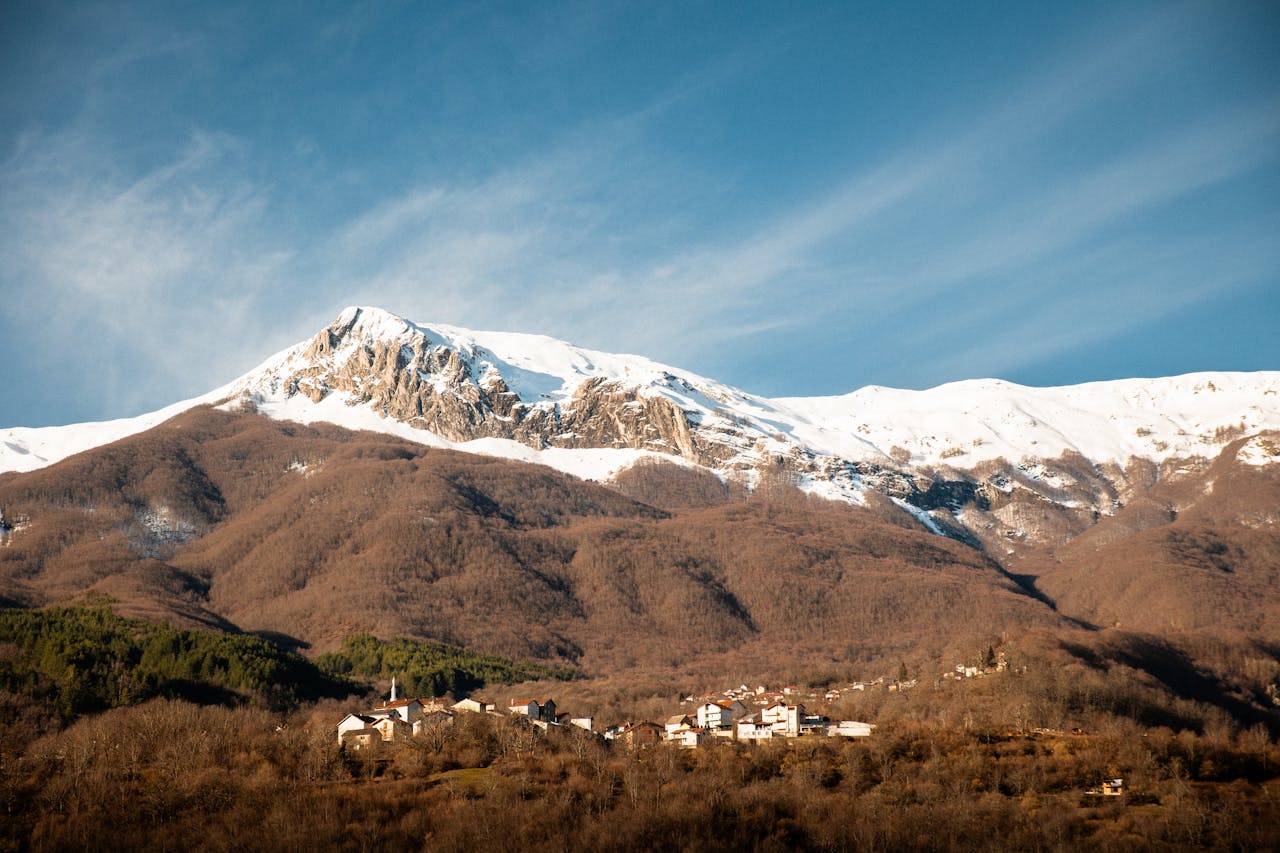
3. North Macedonia: Balkan Heritage Unveiled
North Macedonia represents Europe’s crossroads, where Byzantine, Ottoman, and Slavic cultures create a unique cultural fusion.
As of 2025, Skopje’s transformation includes Europe’s largest public art project. You’ll encounter statues and monuments at every corner, creating an open-air museum atmosphere.
Top Experiences:
- Ohrid: “Jerusalem of the Balkans” with 365 churches
- Matka Canyon: Kayaking through dramatic gorges
- Pelister National Park: Ancient pine forests
- Local cuisine: Tavče gravče and ajvar traditions
What Nordic Hidden Gems Rival Iceland and Norway?
Nordic alternatives provide similar dramatic landscapes without overwhelming tourist infrastructure. Your Instagram feed will thank you for these unique perspectives.
4. Faroe Islands: Drama Without the Crowds
According to Visit Faroe Islands, only 110,000 tourists visited in 2024—compare that to Iceland’s 2.5 million.
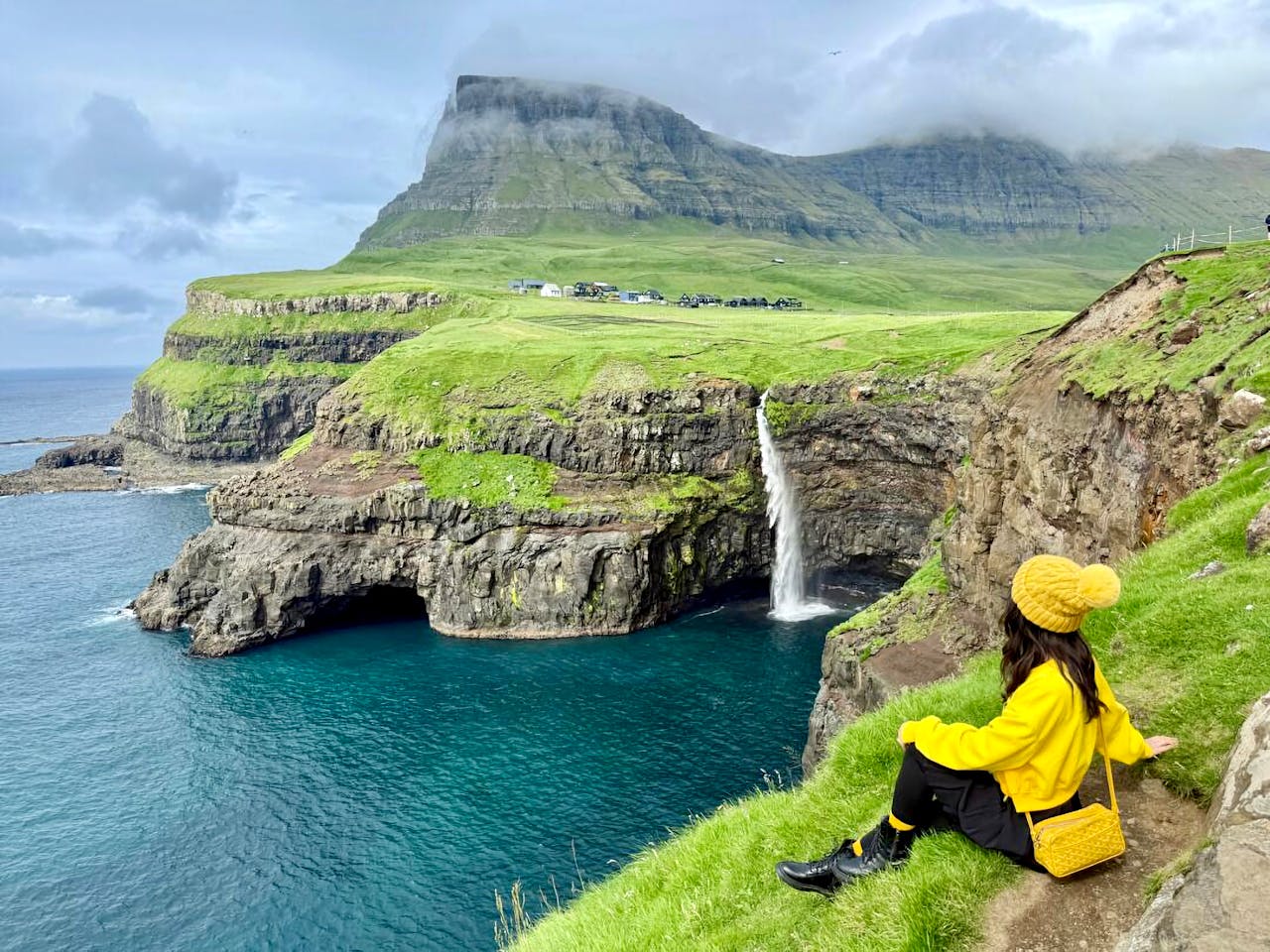
Why Choose the Faroe Islands Over Iceland:
| Feature | Faroe Islands | Iceland |
|---|---|---|
| Tourist density | 2 per sq km | 15 per sq km |
| Average hotel rate | €80-120 | €150-300 |
| Restaurant meal | €25-35 | €40-60 |
| Rental car/day | €60-80 | €100-150 |
Seasonal Highlights:
- Summer (June-August): Midnight sun, puffin colonies
- Winter (December-February): Northern lights, storm watching
- Spring (April-May): Lambing season, wildflowers
5. Finnish Lapland: Beyond the Northern Lights
You might think Finnish Lapland equals expensive, but smaller towns offer authentic Arctic experiences affordably.
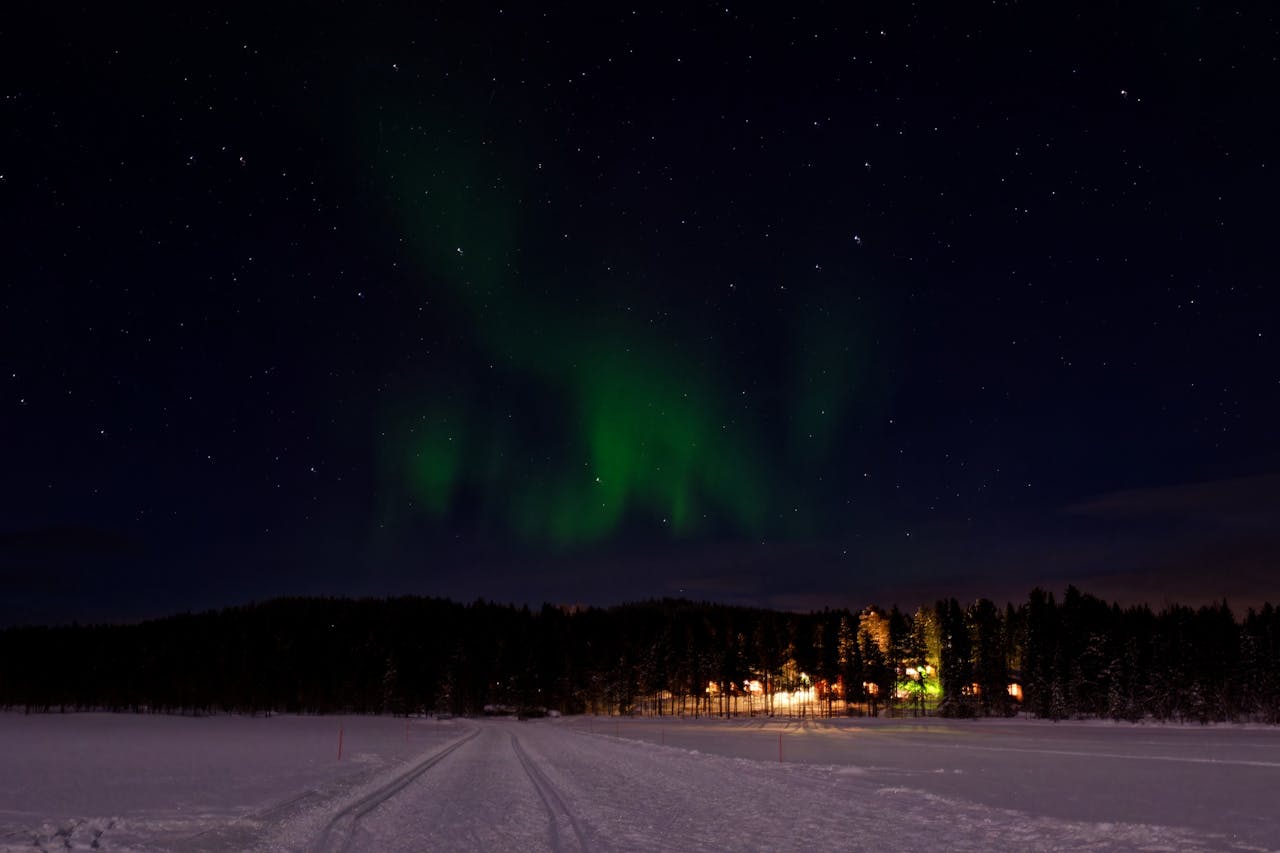
Hidden Lapland Destinations:
- Inari: Sámi culture capital
- Kilpisjärvi: Three-country border point
- Pyhä-Luosto: Amethyst mine adventures
- Posio: Pentik ceramics and reindeer
Budget Arctic Experience Tips:
- Book wilderness huts (€20-40/night)
- Self-cater using local markets
- Join group Aurora tours
- Visit during shoulder season (November/March)
Which Mediterranean Islands Remain Undiscovered?
Mediterranean’s lesser-known islands offer everything Santorini does—minus crushing crowds and inflated prices.
6. Azores, Portugal: Atlantic’s Volcanic Paradise
The Azores Tourism Board reports sustainable tourism growth, limiting visitors to preserve natural beauty. You’ll find more cows than tourists on most islands.
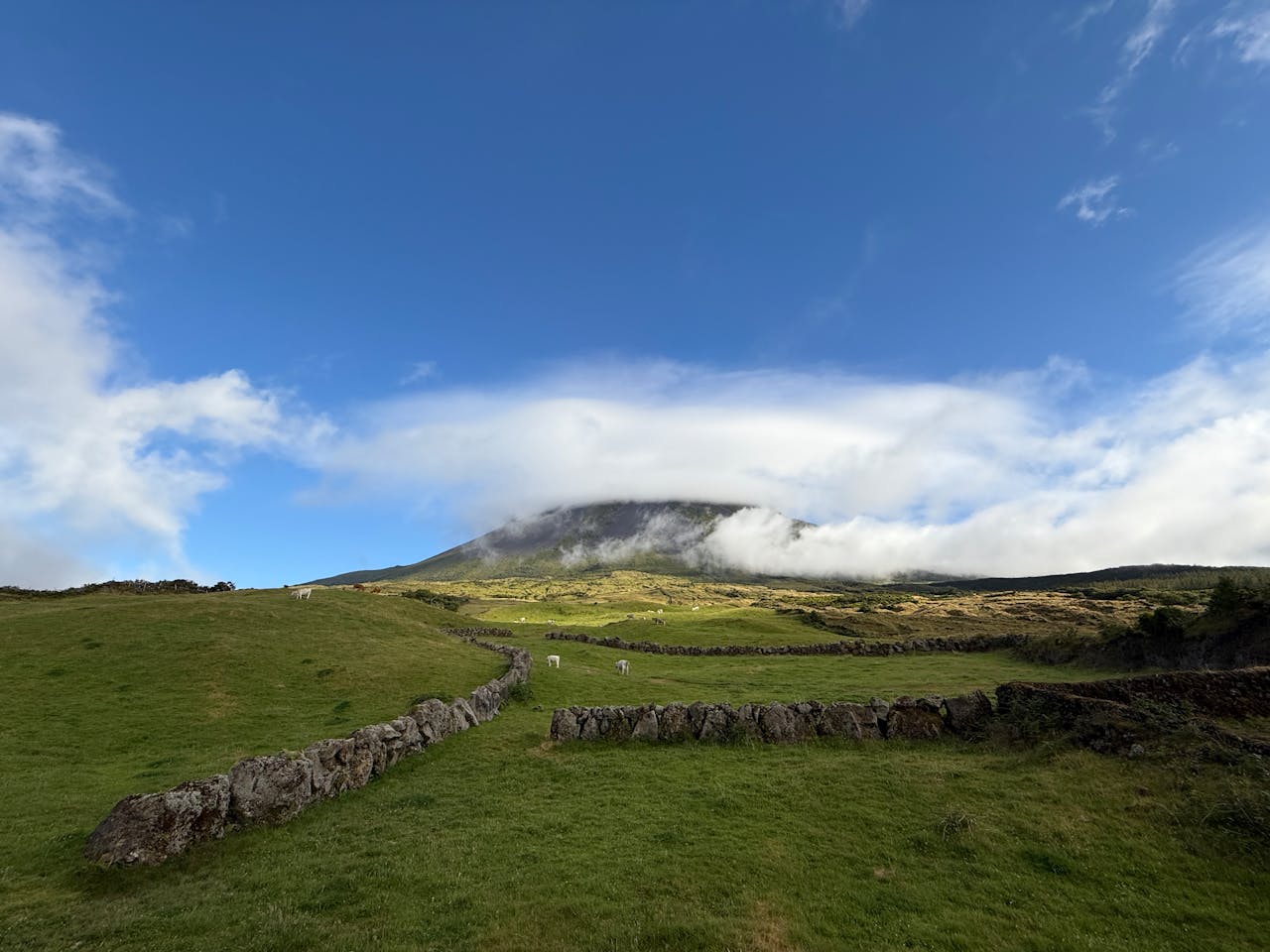
Island-by-Island Breakdown:
- São Miguel: Hot springs and tea plantations
- Pico: Whale watching and volcanic wines
- Flores: Waterfalls and hiking trails
- Terceira: UNESCO city of Angra do Heroísmo
Best Time to Visit: April-October for hiking, July-September for swimming
7. Gozo, Malta: Mediterranean Time Capsule
What makes Gozo different from Malta? This smaller sister island moves at a traditional Mediterranean pace—think Sicily 50 years ago.
Gozo Highlights:
- Azure Window site (now an underwater attraction)
- Ġgantija Temples: Older than pyramids
- Ramla Bay: Red sand beaches
- Victoria Citadel: Fortified medieval city
[Link to related article: Malta Island Hopping Guide]
How to Plan Your Eastern European Adventure?
Planning lesser-known destinations requires different strategies than mainstream European trips. Your preparation determines experience quality significantly.
What’s the Best Route for Exploring Multiple Hidden Gems?
7-Day Balkan Discovery Route:
- Day 1-2: Sarajevo, Bosnia (historic center)
- Day 3-4: Mostar to Kotor drive
- Day 5-6: Albanian Riviera
- Day 7: Skopje, North Macedonia
14-Day Eastern European Circuit:
- Start: Kraków, Poland
- Through Slovakia’s High Tatras
- Continue: Romanian Transylvania
- End: Bulgarian Black Sea coast
Which Transportation Options Work Best?
According to Eurail, Eastern European rail passes cost 50% less than Western equivalents.
Transportation Comparison:
| Method | Pros | Cons | Best For |
|---|---|---|---|
| Rental car | Maximum flexibility | Parking challenges | Rural areas |
| Bus networks | Cheapest option | Longer journeys | Budget travelers |
| Regional flights | Time-saving | Environmental impact | Long distances |
| Train passes | Scenic routes | Limited networks | Major cities |
What Are Central Europe’s Best-Kept Secrets?
Central Europe hides remarkable destinations between tourist-magnet capitals. You’ll discover these places offer Habsburg grandeur without Vienna prices.
8. Český Krumlov, Czech Republic: Bohemian Fairy Tale
This UNESCO town receives a fraction of Prague’s visitors despite matching its beauty. Medieval architecture has remained perfectly preserved since the 13th century.
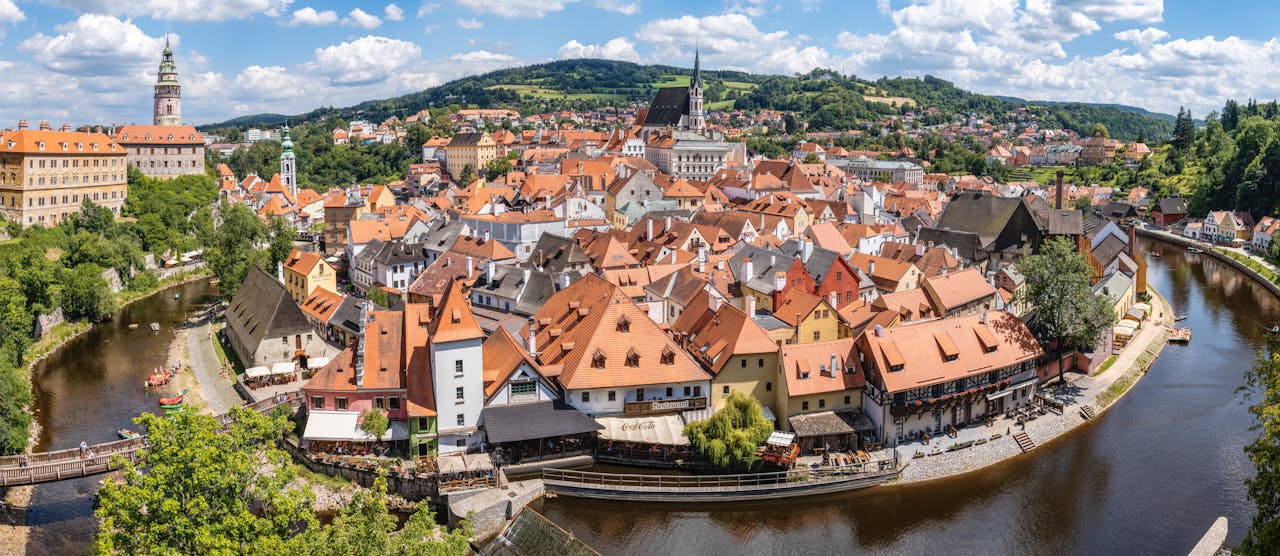
Why Visit Český Krumlov:
- Castle complex (the second-largest in the Czech Republic)
- Vltava River rafting adventures
- Egon Schiele Art Center
- Traditional Czech breweries
Practical Information:
- Getting there: 3-hour bus from Prague (€10)
- Stay duration: 2-3 nights optimal
- Accommodation: Pensions from €30/night
- Must-try: Trdelník pastries and Eggenberg beer
9. High Tatras, Slovakia: Alpine Adventures on a Budget
But why choose Slovakia over the Swiss Alps? Your wallet appreciates 70% savings while experiencing comparable mountain majesty.
Research from the Slovak Tourism Board shows increasing trail development rivaling Austria’s infrastructure by 2025.
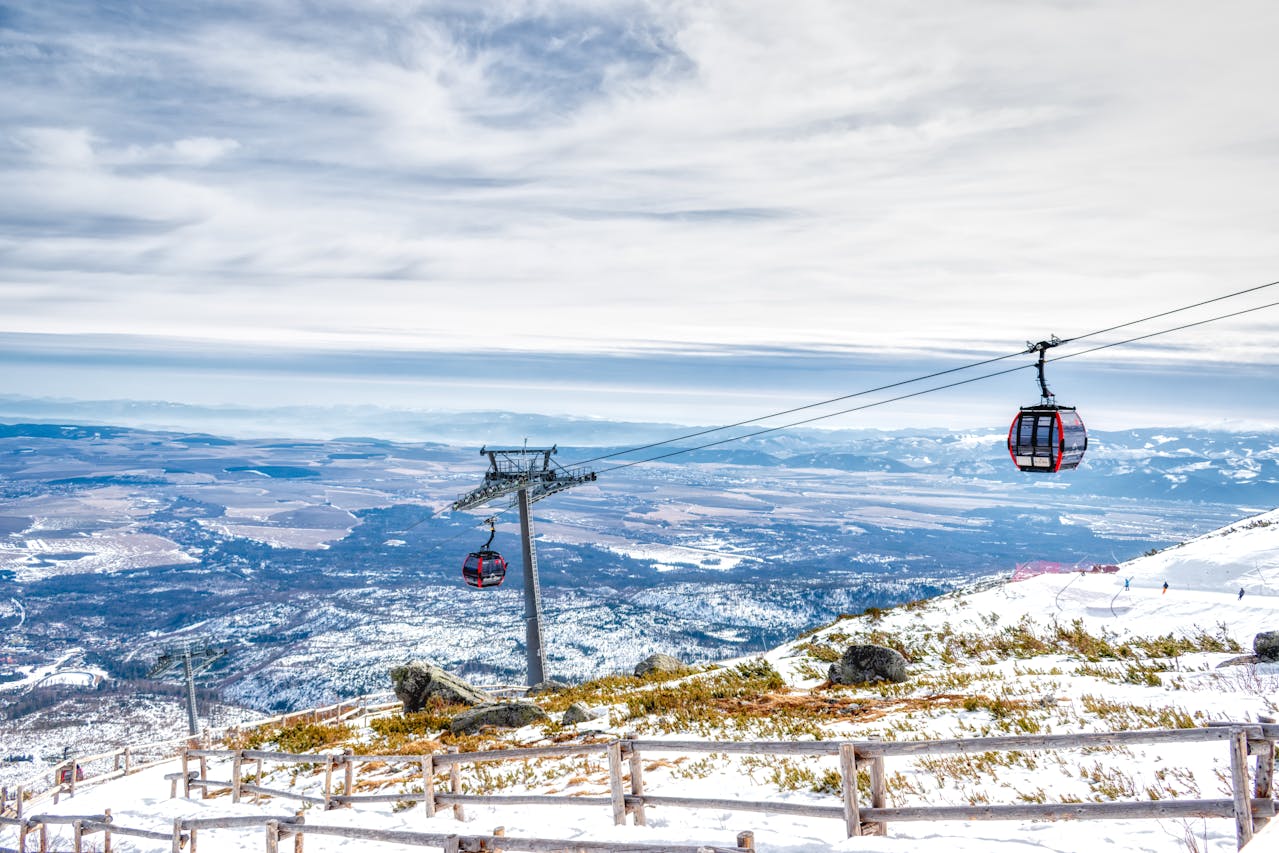
High Tatras Highlights:
- Štrbské Pleso: Glacial lake resort town
- Gerlachovský štít: Slovakia’s highest peak
- Spiš Castle: Europe’s largest castle complex
- Thermal spas: Aquacity Poprad facilities
Seasonal Activities:
- Summer: 600km marked hiking trails
- Winter: Affordable skiing (day pass €35)
- Spring/Fall: Mountain biking paradise
10. Maramureș, Romania: Europe’s Last Medieval Landscape
Maramureș represents a living ethnographic museum where wooden churches, traditional villages, and ancient customs survive unchanged.
UNESCO recognizes eight wooden churches here as World Heritage sites. You’ll witness Europe’s last peasant culture practicing centuries-old traditions.
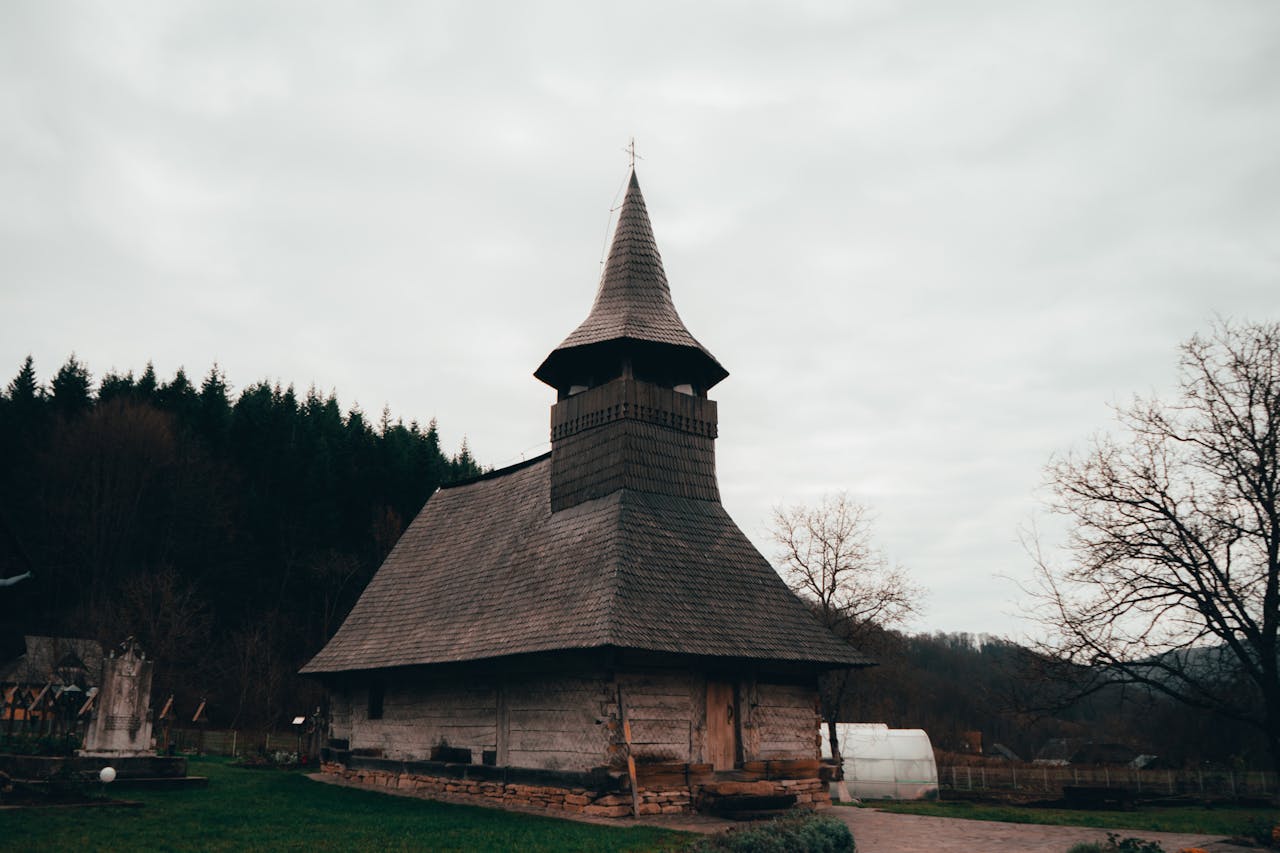
Essential Maramureș Experiences:
- Merry Cemetery of Săpânța: Colorful tombstones with humorous epitaphs
- Wooden Churches Circuit: 8 UNESCO sites
- Steam train rides: Mocănița through Vaser Valley
- Traditional markets: Handcrafted goods in Sighetu Marmației
Which Western European Regions Escape Mass Tourism?
Western Europe holds surprising pockets where authenticity survives despite proximity to tourist hotspots.
11. Alsace Wine Route, France: French Charm Without Crowds
The Alsace Wine Tourism Board reports 80% fewer visitors than Bordeaux despite producing exceptional wines. Your wine-tasting experience becomes an intimate, educational adventure.
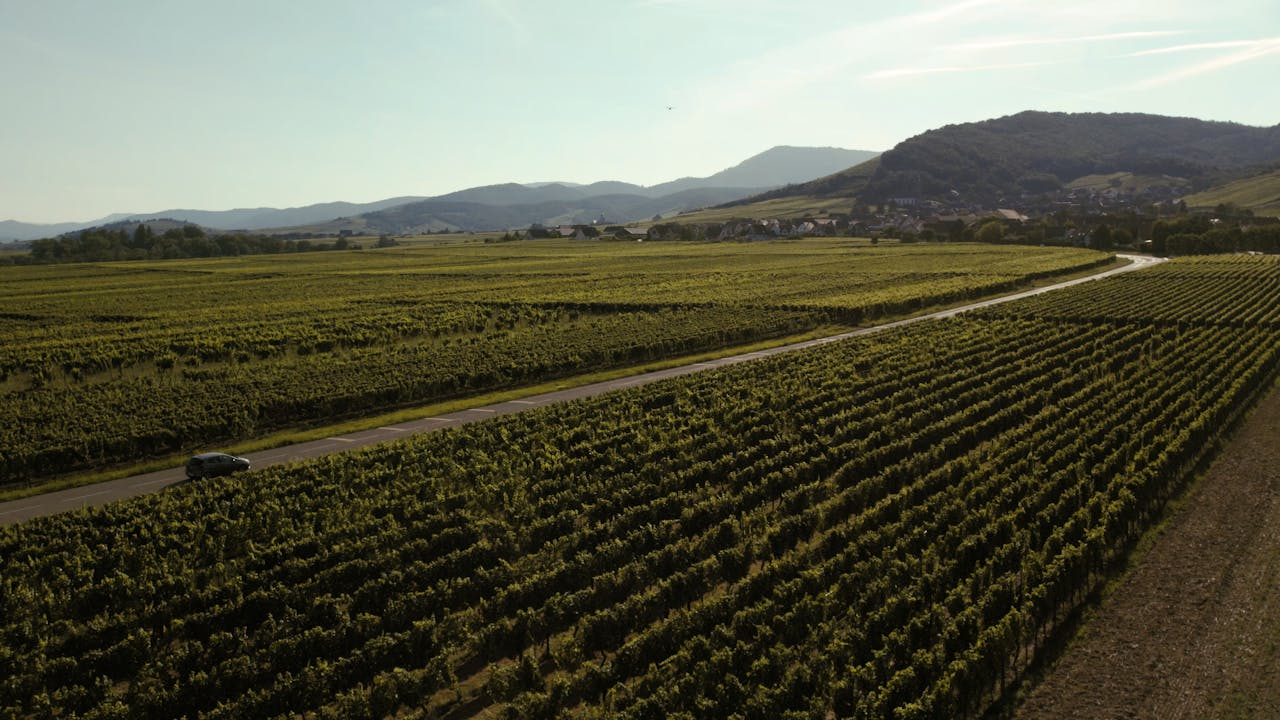
Wine Route Essentials:
- Length: 170km through 70 wine villages
- Best villages: Eguisheim, Riquewihr, Kaysersberg
- Harvest season: September-October festivities
- Transportation: Bike rentals (€15/day) are ideal
Sample 3-Day Itinerary:
- Colmar base: Half-timbered architecture exploration
- Northern route: Ribeauvillé to Obernai
- Southern route: Guebwiller to Thann
12. Asturias, Spain: Green Spain’s Hidden Coast
What makes Asturias special compared to the Spanish coastlines? This region offers dramatic Picos de Europa mountains meeting wild Atlantic beaches.
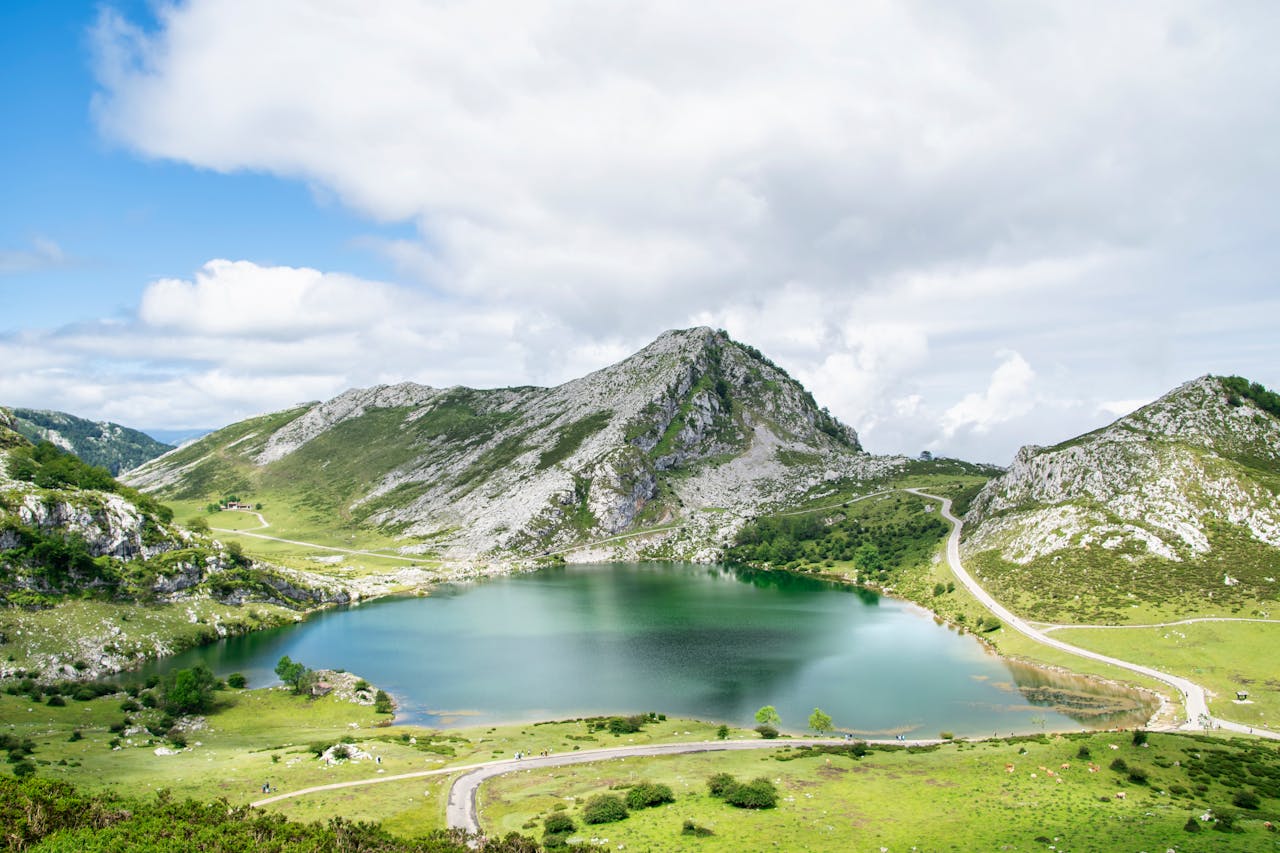
Asturias Advantages:
- Cuisine capital: Fabada, cider, Cabrales cheese
- Beach variety: 200+ beaches, many deserted
- Hiking paradise: Covadonga Lakes trails
- Cultural sites: Pre-Romanesque churches
Budget Breakdown (per day):
- Accommodation: €25-50
- Meals: €20-30
- Activities: €10-20
- Transportation: €15-25
How Do You Experience Authentic Local Culture?
Experiencing authentic culture in lesser-known destinations requires different approaches than tourist-oriented locations.
What Cultural Etiquette Should You Know?
According to the European Cultural Foundation, respecting local customs opens doors closed to typical tourists.
Universal Tips for Hidden Destinations:
- Learn basic greetings (locals appreciate effort)
- Dress conservatively in rural areas
- Ask permission before photographing people
- Support local businesses over chains
- Participate in traditional festivals
Which Local Experiences Are Worth Seeking?
Authentic Cultural Activities by Region:
| Region | Experience | Cost | Booking |
|---|---|---|---|
| Balkans | Home-cooked meals | €15-25 | Local guesthouses |
| Eastern Europe | Folk festivals | Free-€10 | Tourist offices |
| Mediterranean | Fishing trips | €30-50 | Harbor contacts |
| Nordic | Sauna rituals | €20-40 | Public saunas |
What Are the Baltic States’ Hidden Treasures?
The Baltics offer a perfect blend of Nordic efficiency and Eastern European affordability. You’ll discover these nations punch above their weight culturally.
13. Saaremaa Island, Estonia: Baltic Time Machine
Estonia’s largest island maintains traditions lost elsewhere. Windmills, lighthouses, and spa culture create a unique Baltic experience.
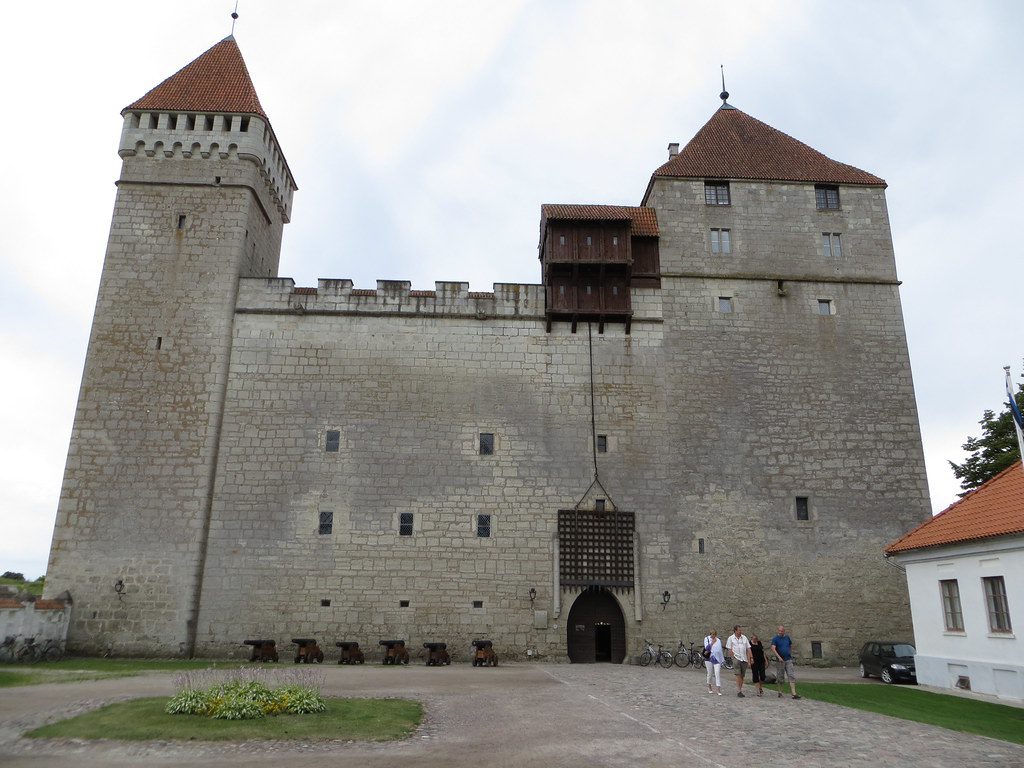
Saaremaa Highlights:
- Kuressaare Castle: Best-preserved Baltic fortress
- Kaali Meteorite Crater: Rare impact site
- Angla Windmill Park: Traditional mill complex
- Panga Cliff: Dramatic Baltic Sea views
Getting There: Ferry from mainland (€15 with car)
14. Curonian Spit, Lithuania: UNESCO Sand Paradise
This 98km sand peninsula is shared between Lithuania and Russia (Kaliningrad).
According to UNESCO, it represents a unique cultural landscape shaped by human-nature interaction.
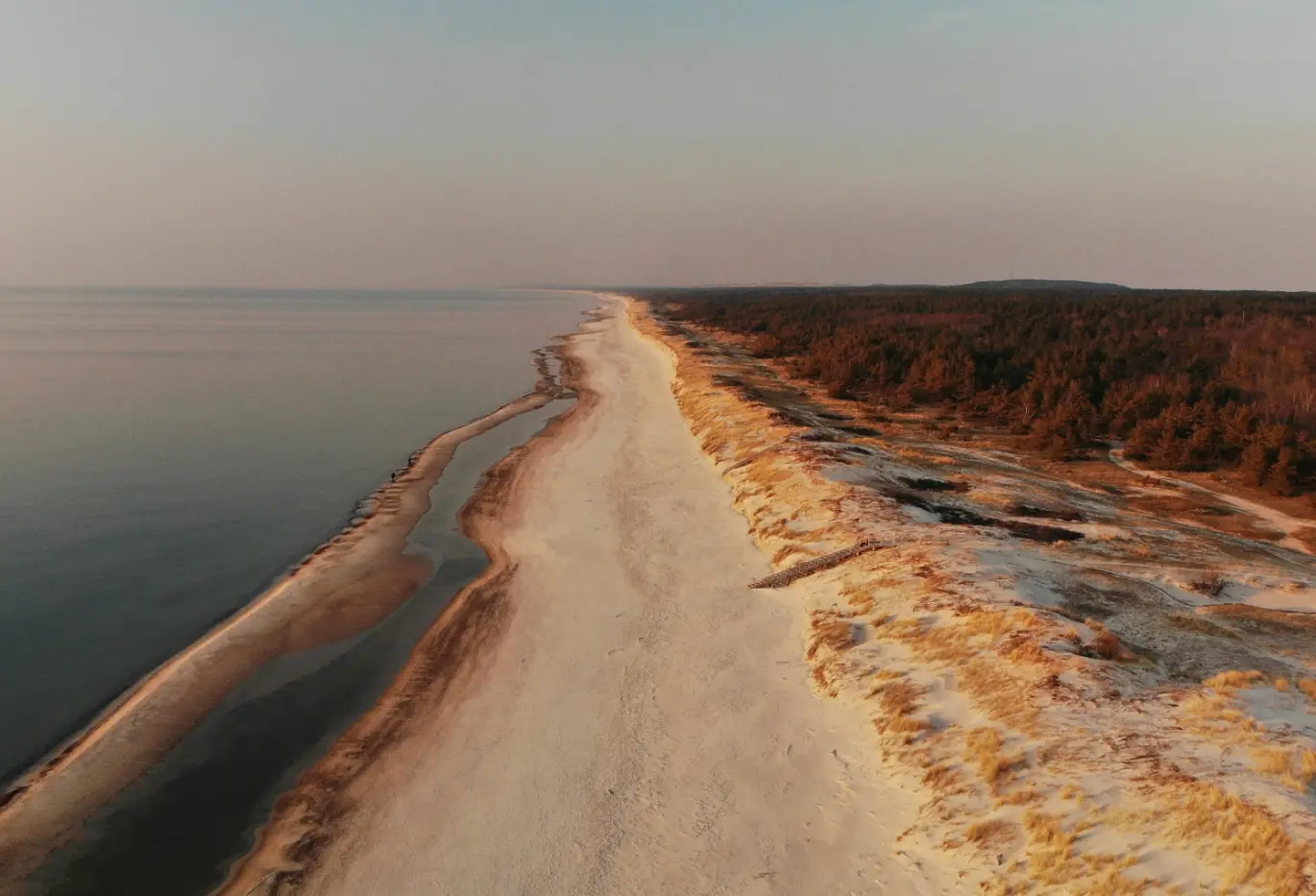
Why Visit Curonian Spit:
- Shifting dunes: Europe’s highest (60m)
- Thomas Mann’s house: Nobel laureate’s summer home
- Amber collecting: Baltic gold on beaches
- Bird migration route: Millions pass annually
15. Latgale Region, Latvia: Europe’s Lake District Alternative
But what makes Latgale special for nature lovers? This region contains 1,200 lakes offering wilderness experiences without Finnish prices.
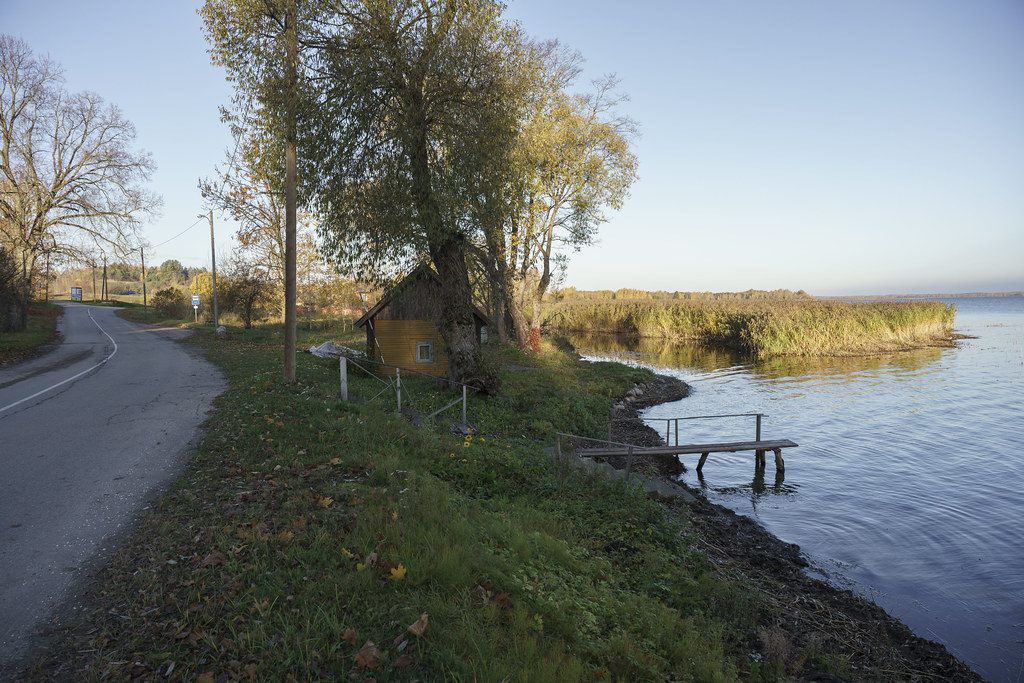
Latgale Lake Circuit:
- Rāzna: Latvia’s second-largest lake
- Lubāns: Wetland bird paradise
- Drīdzis: Deepest lake (65m)
- Rušons: Historic manor setting
Which Scandinavian Alternatives Save Money?
Scandinavia’s reputation for expense drives budget-conscious travelers away. Your smart choices unlock Nordic experiences affordably.
16. Gotland, Sweden: Viking Island Heritage
Sweden‘s largest island offers Viking history, medieval Visby, and unique limestone formations called raukar. Summer population doubles, but you’ll still find peaceful spots.
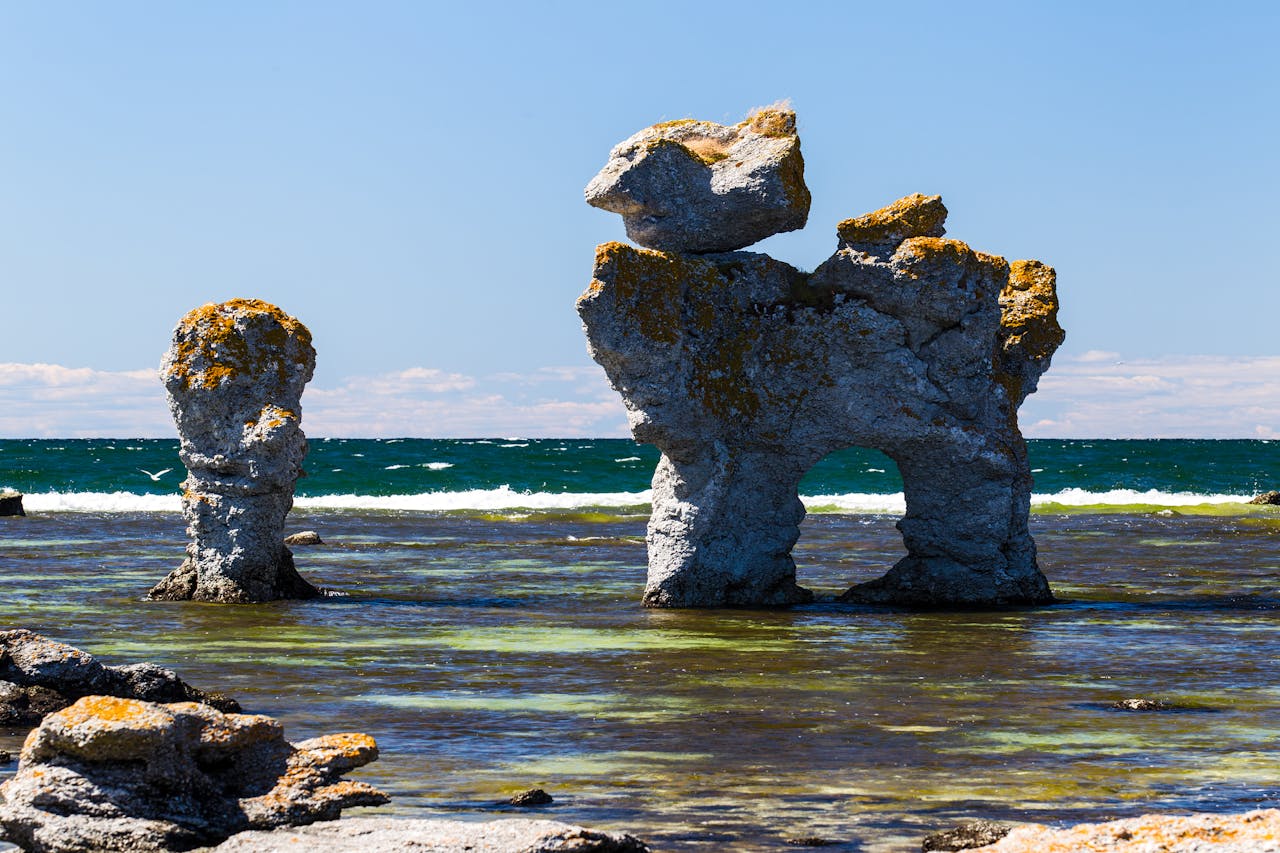
Gotland Budget Tips:
- Camp freely (Allemansrätten rights)
- Shop at ICA/Coop supermarkets
- Bike everywhere (flat terrain)
- Visit during Medieval Week (August)
17. Bornholm, Denmark: Baltic Art Island
The Bornholm Tourism Board markets this as “Bright Green Island,” emphasizing sustainable tourism. You’ll find Denmark‘s only rocky coastline here.
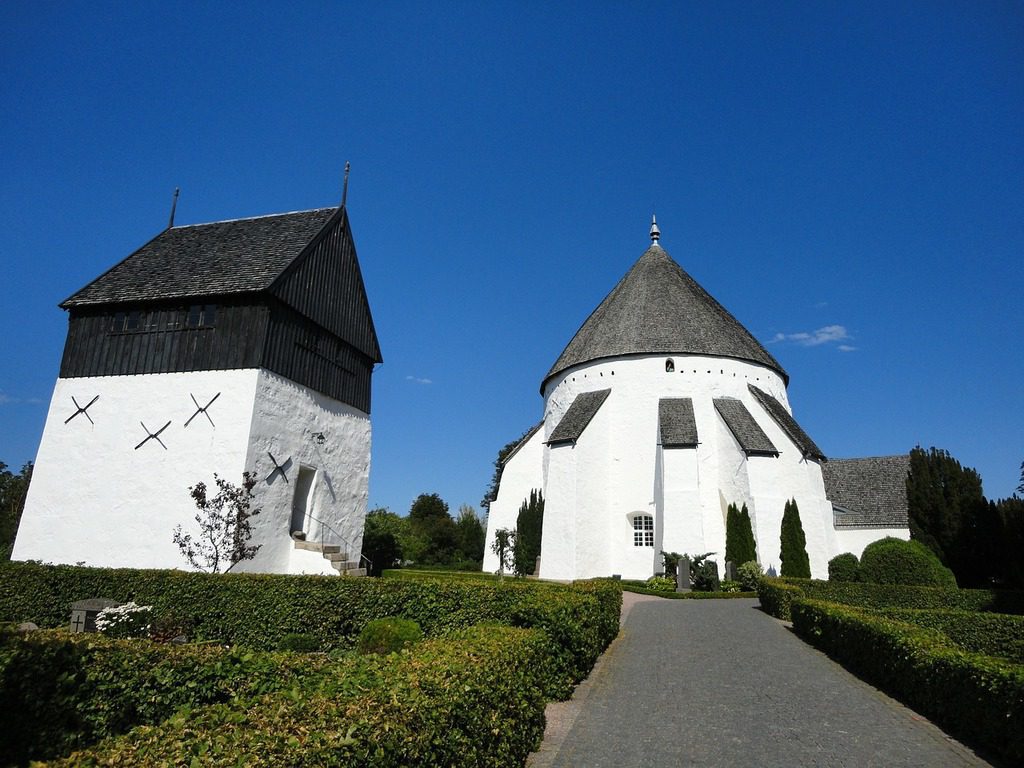
Bornholm Experiences:
- Round churches: Unique fortified churches
- Smokehouse tours: Traditional herring smoking
- Art galleries: International glass and ceramics
- Hammershus: Northern Europe’s largest castle ruin
What Mountain Destinations Rival the Alps?
Alpine alternatives deliver mountain majesty without Swiss prices or Austrian crowds. Your mountain adventure becomes an affordable reality.
18. Durmitor National Park, Montenegro: Balkans’ Mountain Jewel
According to Montenegro National Parks, Durmitor offers 48 peaks over 2,000m and 18 glacial lakes. You’ll pay a fraction of Alpine resort prices.
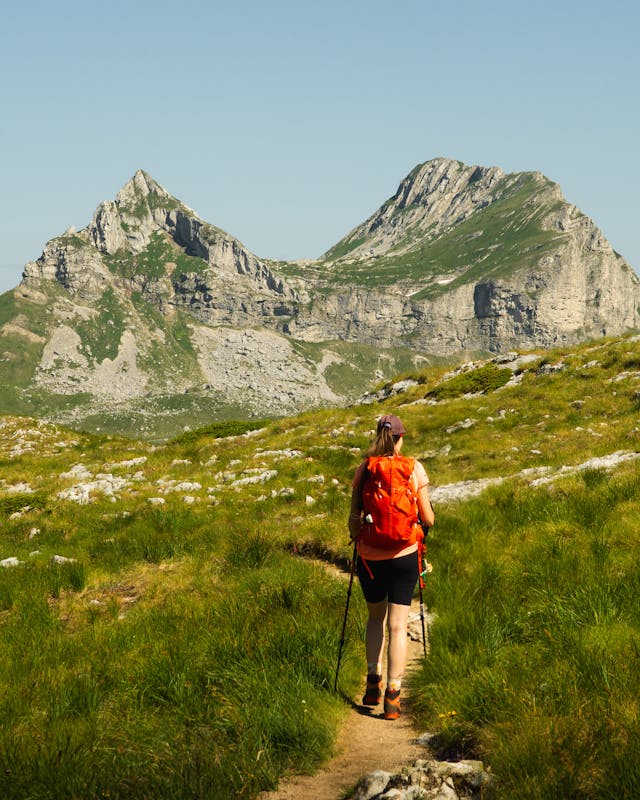
Durmitor Adventures:
- Tara River rafting: Europe’s deepest canyon
- Black Lake circuit: Easy scenic hike
- Bobotov Kuk summit: Challenging peak (2,523m)
- Winter skiing: Žabljak slopes (day pass €20)
19. Rila Mountains, Bulgaria: Monastery and Mountain Magic
What distinguishes Rila from other mountain ranges? This range combines spiritual significance with natural beauty—Rila Monastery sits dramatically among peaks.
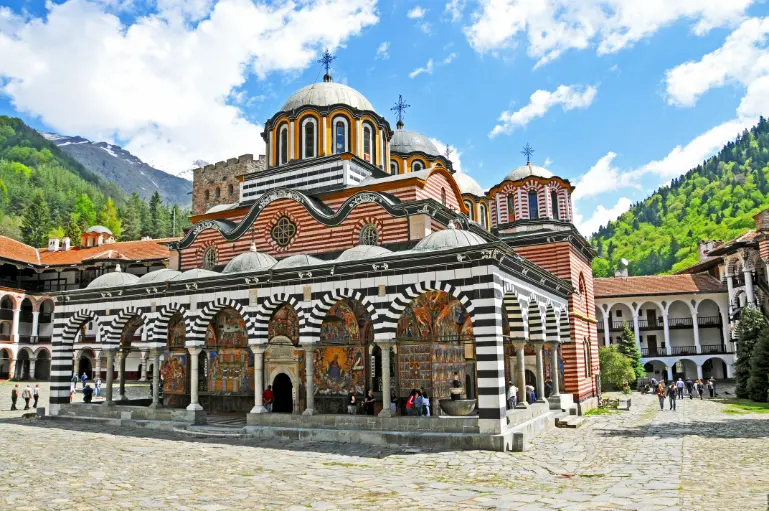
Rila Highlights:
- Seven Rila Lakes: Day hike to glacial lakes
- Musala Peak: Balkans’ highest (2,925m)
- Rila Monastery: UNESCO Orthodox masterpiece
- Borovets skiing: Affordable winter sports
Access: 2-hour drive from Sofia (bus €10)
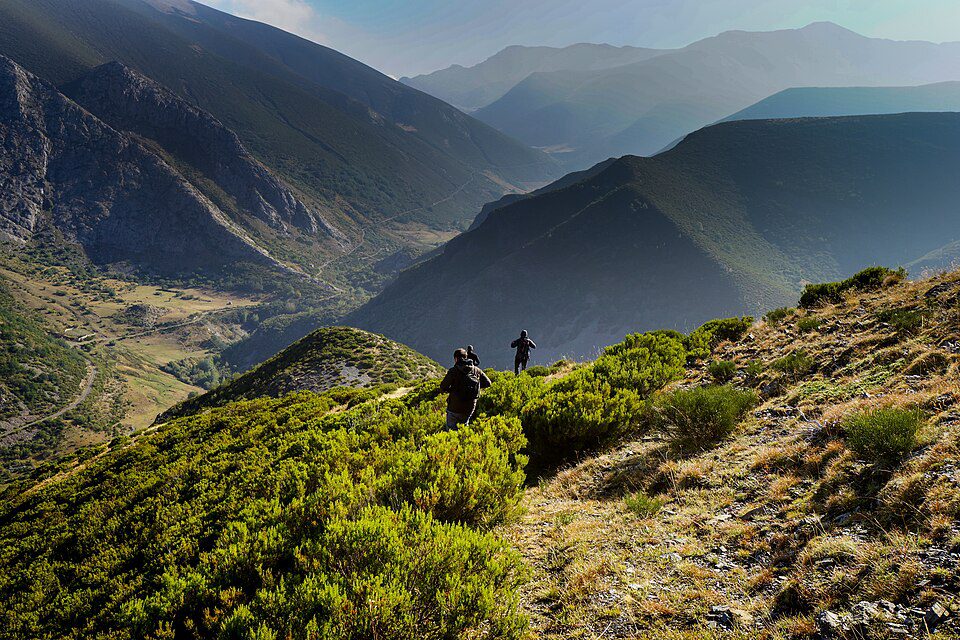
20. Picos de Europa, Spain: Coastal Mountain Paradise
This range offers a unique combination—dramatic limestone peaks within 20km of Atlantic beaches.
Current research from Picos de Europa National Park shows that increasing biodiversity protection enhances visitor experiences.
Picos Essentials:
- Cares Gorge: Spain’s most spectacular hike
- Fuente Dé cable car: Access the high mountains easily
- Covadonga Lakes: Glacial lakes road trip
- Mountain villages: Potes and Cangas de Onís
How to Budget for Lesser-Known European Destinations?
Budget planning for hidden gems differs significantly from mainstream destinations. You’ll discover money stretches remarkably further.
What’s the Real Cost Comparison?
Daily Budget Breakdown (per person):
| Expense Category | Western Europe | Hidden Gems | Savings |
|---|---|---|---|
| Accommodation | €80-150 | €25-60 | 60-70% |
| Meals | €40-60 | €15-30 | 50-60% |
| Transportation | €30-50 | €10-25 | 50-65% |
| Activities | €40-80 | €15-35 | 55-60% |
| Total Daily | €190-340 | €65-150 | 55-65% |
Which Money-Saving Strategies Work Best?
According to the European Consumer Centre, strategic planning cuts costs additional 30% in lesser-known destinations.
Proven Budget Strategies:
- Shoulder season travel (April-May, September-October)
- Local transportation passes vs individual tickets
- Market shopping and picnic lunches
- Free walking tours with tips
- Guesthouse breakfasts (usually included)
- Student/youth discounts (ISIC card)
- Group tour joining for expensive activities
What Essential Planning Tips Ensure Success?
Planning lesser-known destinations requires different preparation than tourist-trail trips. Your advanced research prevents common pitfalls.
Which Resources Provide Reliable Information?
Essential Planning Resources:
- In Your Pocket guides: Free city guides in Eastern Europe
- Spotted by Locals: Insider tips from residents
- Rome2Rio: Transportation option comparisons
- Booking.com Genius: Discounts for frequent users
- Google Translate offline: Download languages advanced
What Common Mistakes Should You Avoid?
But what typically goes wrong for first-time hidden gem visitors? Learning from others’ mistakes improves your experience significantly.
Top 10 Mistakes to Avoid:
- Expecting English everywhere
- Ignoring local customs/dress codes
- Over-scheduling without flexibility
- Skipping travel insurance
- Not carrying cash (many places card-free)
- Missing advance accommodation bookings
- Underestimating transportation time
- Ignoring seasonal closures
- Forgetting proper hiking gear
- Not downloading offline maps
Conclusion: Your Hidden Europe Adventure Awaits
Europe’s lesser-known destinations offer everything mainstream spots do—stunning landscapes, rich history, delicious cuisine—without crowds and inflated prices.
From Albania’s pristine beaches to Finland’s Arctic wilderness, these 20 hidden gems provide authentic experiences that mass tourism hasn’t touched.
Your journey through hidden Europe rewards curiosity with genuine connections, untold stories, and memories unmarred by selfie sticks.
Whether you’re seeking mountain adventures in Slovakia’s High Tatras, wine tasting along Alsace’s quiet routes, or island hopping in the Azores, these destinations prove that Europe’s best experiences often lie off the beaten path.
Start planning your hidden gem adventure today—before everyone else discovers these secrets.
Your wallet, Instagram feed, and sense of adventure will thank you for choosing the road less traveled through Europe’s magnificent, lesser-known places.
FAQs About the Best Hidden Gems in Europe
What are some hidden gems in Europe worth visiting?
Europe is filled with beautiful places that often go unnoticed. Some of the best hidden gems include the charming town of Kotor in Montenegro, the picturesque village of Civita di Bagnoregio in Italy, and the stunning landscapes of the Faroe Islands.
These places offer unique experiences without the crowds usually found in touristy areas.
What makes a place one of the best hidden gems in Europe?
A place becomes one of the best hidden gems in Europe when it provides an authentic experience, stunning scenery, and rich culture without the overwhelming presence of tourists.
These locations often feature historical significance and beauty, making them must-visit spots for travelers seeking something different.
Are there any underrated European cities that should be on my bucket list?
Absolutely! Cities like Ghent in Belgium, Porto in Portugal, and Ljubljana in Slovenia are often overlooked but are among the most beautiful places to visit. These underrated cities offer amazing architecture, vibrant local culture, and delicious cuisine, making them perfect for a memorable trip.
Can you recommend some places in Europe that are great for a day trip?
For a fantastic day trip, consider visiting the medieval old town of Tallinn, Estonia, or the coastal town of Cinque Terre in Italy.
Both destinations offer stunning views and unique experiences that are well worth a visit, allowing you to enjoy a slice of European charm without the need for an extended stay.
What are the best places to stay when visiting lesser-known places in Europe?
When exploring lesser-known places in Europe, consider staying in local guesthouses or boutique hotels that reflect the character of the area.
For example, in the hidden gem of Ronda, Spain, staying at a family-owned inn can enhance your experience by providing insights and recommendations from locals.
Which countries in Europe are considered underrated destinations?
Countries like Albania, Georgia, and Slovakia are often deemed underrated destinations in Europe.
These countries boast stunning natural beauty, rich history, and unique cultural experiences, making them great places to explore, especially for those seeking off-the-beaten-path adventures.
What are some unique places to visit in Europe that aren’t touristy?
Consider visiting the remote island of Visby in Sweden or the hidden corners of the Azores in Portugal.
These unique places are often overlooked by travelers, providing a serene atmosphere where you can enjoy nature, local traditions, and breathtaking landscapes without the hustle and bustle found in more touristy locations.
How can I find the best non-touristy places in Europe?
To discover the best non-touristy places in Europe, research lesser-known destinations, read travel blogs focusing on hidden gems, and connect with locals through social media or travel forums.
Engaging with local recommendations can lead you to some amazing places that are off the typical tourist radar.