Skip to content

Best Time to Visit the Balkans: A Season-by-Season Travel Guide

The Balkans is a region that rewards you no matter when you show up — but timing still matters. Whether you want to swim along the Adriatic coast, hike through mountainous national parks, or wander Ottoman-era streets without the crowds, each season offers something different. This guide breaks it all down, soo that you are aware of the best time to visit the Balkans, which helps you plan the perfect Balkans trip.
For a complete overview of traveling in the Balkans, see our Guide about solo travel in the Balkans
Last Updated: 2026/6/09
Why Timing Your Visit to the Balkans Matters
The balkans is a region of striking contrasts. Coastal destinations like Dubrovnik and Kotor behave very differently from inland cities like Sarajevo or Belgrade. Summer bakes the coast. Winter buries the mountains. Spring and autumn sit right in between — and for many travelers, that’s the sweet spot.
So there’s no single best time to visit the Balkans. It depends on what you want to do and which countries you want to explore.
The Balkans by Season
Spring (April–June): The Ideal Time for Most Travelers
Spring is one of the best times to visit. Temperatures are pleasant. Crowds are still manageable. Flowers blanket the hillsides and cities come alive after the quiet winter months.
May and September consistently top the list of the best months to visit for a reason. In May, the weather is warm but not brutal. You can walk Dubrovnik’s famous old town walls without sweating through your shirt.

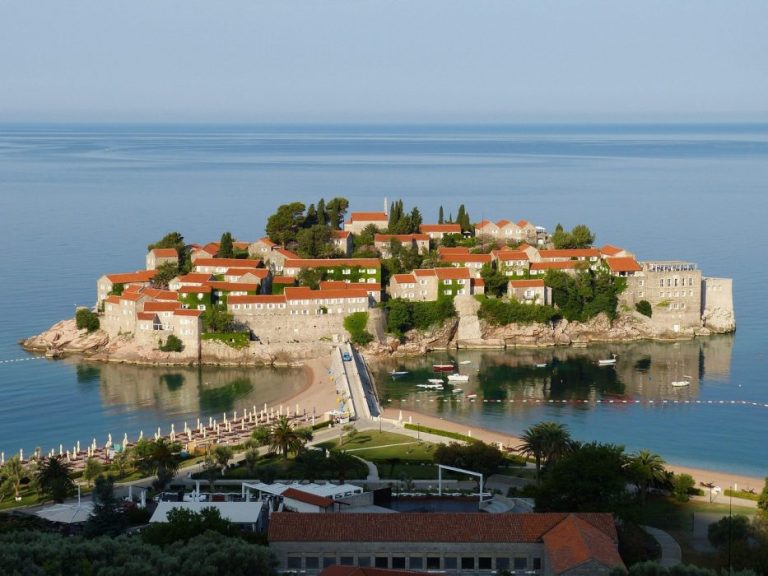
Montenegro’s Bay of Kotor mirrors the mountains in still blue water. North Macedonia blooms green around Ohrid Lake.
Balkans travel in April also brings Orthodox Easter celebrations — a vivid, deeply cultural experience across many balkan countries. If you’re interested in local culture, don’t overlook this period.
Best for: Hiking, city exploration, cultural festivals, avoiding peak season crowds.
Summer (July–August): Peak Season on the Coast
July and august bring intense heat to the Adriatic. Croatia’s Dalmatian coast fills up fast. Prices spike. Croatia and Montenegro attract massive numbers of European tourists. A cruise ship a day docks in Kotor. Lines form outside every restaurant in Dubrovnik.
That said, the Adriatic coast is genuinely stunning in summer. The sea is warm enough for swimming. The nightlife is electric. Coastal towns like Kotor and Dubrovnik are at their most cinematic.

However, if you’re heading inland, summer is actually a great time to explore. Countries like Serbia, North Macedonia, Bosnia and Herzegovina, and Kosovo are far less crowded. Belgrade buzzes with outdoor festivals and river beach bars.
Sarajevo’s café culture spills onto cobblestone streets. Skopje’s wide promenades fill with locals in the evenings.
Albania and Montenegro are the exception — both coastal and popular in summer, but still more affordable than Croatia.
Best for: Beach holidays, coastal towns, Adriatic swimming, Balkans nightlife.
Autumn (September–October): September Is One of the Best Months
September is one of the best months across the entire balkan region. The weather is still warm. The summer rush has faded. There will still be plenty of sunshine along the Adriatic coast, but the cruise ship crowds thin out. Prices drop. Locals return.
Late September and October bring harvest season. Wine flows in Bulgaria, North Macedonia, and Serbia. Balkan food gets heartier — grilled meats, stews, local breads.
Street food markets pop up across the region. It’s the ideal time to explore the culture in the balkans through its local cuisine.
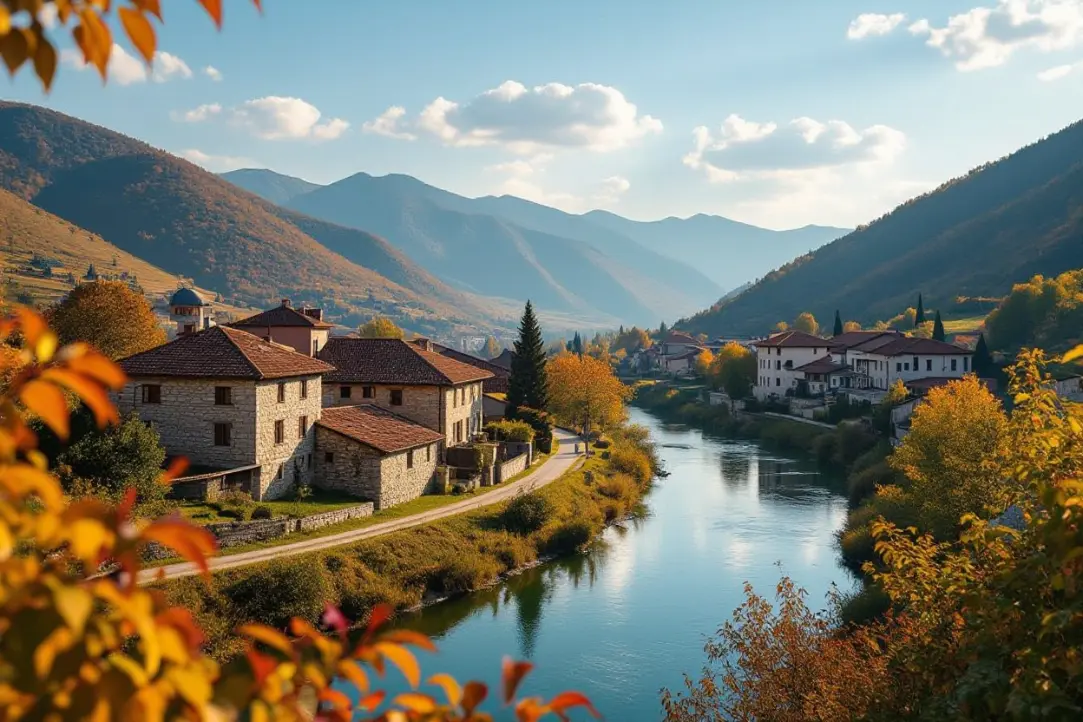
North Macedonia and Albania are especially beautiful in autumn. Colours shift across the mountains. Hiking trails in national parks are uncrowded and at their most dramatic. Bosnia-Herzegovina looks spectacular — Mostar’s famous old bridge reflects warm amber light over the Neretva River.
Best for: Shoulder-season value, wine tourism, hiking, autumn foliage, food.
Winter (November–March): A Bad Time to Visit the Coast, but Not the Cities
November and December are widely considered a bad time to visit the coast. Many hotels and restaurants along the Adriatic shut down. Driving in places like Montenegro’s coastal road can be tricky in rain and fog. Dubrovnik and Kotor feel almost abandoned.
But inland, the story changes. Sarajevo has a deeply atmospheric winter. Bosnia and Herzegovina receives snow that softens the Ottoman architecture into something almost fairytale-like.

Belgrade’s bar scene doesn’t slow down for anyone. Northern countries like Serbia and North Macedonia host lively Christmas markets.
Is November–December a bad time to visit? For the coast, yes. For inland balkans travel, not necessarily — especially if you’re on a budget. Prices are at their lowest. You’ll meet fewer tourists and more locals.
Best for: Budget travelers, city breaks, skiing in Montenegro and Bosnia, avoiding the crowds entirely.
Best Times to Visit Specific Balkan Countries
Croatia
Croatia’s Dalmatian coast peaks in June and September. July and August are the most popular — and the most expensive. If you want to explore the coastline without the crush, aim for late May or early October. Inland Croatia, including Zagreb, is pleasant year-round.
Montenegro
Visit Montenegro in May, June, or September for the best balance of weather and value. Montenegro’s Bay of Kotor is at its finest on a clear spring morning. Summer is great for the beach but crowded. Winter is quiet — almost too quiet along the coast.
Bosnia and Herzegovina
Spring and autumn are ideal for Bosnia. Sarajevo, known for its rich history and confluence of Ottoman and Austro-Hungarian architecture, is walkable and beautiful in both seasons. Mostar is spectacular from April through October. Avoid driving mountain roads in winter unless you’re experienced.
Serbia
Serbia shines from April through October. Belgrade sits at the confluence of the Sava and Danube rivers and hosts some of Europe’s best summer festivals. Autumn is excellent for wine country day trips. Winter in Belgrade is cold but lively — the city genuinely doesn’t sleep.
North Macedonia
North Macedonia is often overlooked, but it shouldn’t be. Skopje is best in spring and autumn. The countryside around Ohrid is stunning from May through September. Macedonia experiences hot, dry summers — manageable, but bring water if you’re hiking.
Albania
Albania’s Riviera is best from June through September. Spring is ideal for exploring inland towns and national parks. Albania is still one of the most affordable balkan countries, regardless of when you go.
Kosovo and Bulgaria
Kosovo is best visited in spring or summer. It’s compact, easy to combine with north macedonia and albania, and genuinely worth your time. Bulgaria rewards visits in spring and autumn — the Valley of Roses blooms in May, and autumn brings wine harvests and golden mountain hikes.
People Also Ask
Is the Balkans Cheap to Visit?
Yes — compared to Western Europe, the Balkans offer excellent value. Countries like Albania, Kosovo, North Macedonia, and Bosnia are among the most affordable in Europe. Croatia and Montenegro cost more, especially in summer. Overall, you can travel the balkan region comfortably on a mid-range budget, and very cheaply if you travel in the shoulder seasons.
Is Bosnia as Beautiful as Croatia?
Bosnia and Herzegovina has a different kind of beauty — and arguably a more authentic one. Where Croatia dazzles with its Adriatic coastline and polished tourism infrastructure, Bosnia-Herzegovina offers raw landscapes, Ottoman architecture, and cities that feel genuinely lived-in. Sarajevo and Mostar rank among the most visually stunning cities in the Balkans. Many travelers say Bosnia surprises them more than any other country on their trip.
What Is the Best Country in the Balkans to Visit?
There’s no single answer. Croatia draws the most visitors — its coastline is world-class. But for a richer, more varied experience, combining several countries gives you a fuller picture of the balkans. A route through Bosnia, Montenegro, and North Macedonia offers history, mountains, coast, and culture without the crowds of peak-season Croatia.
Is It Safe to Go to the Balkans Right Now?
Yes. The balkans are generally safe for travelers. Crime rates are low compared to Western European capitals. Locals are warm and welcoming. As with any destination, use common sense — watch your belongings in busy tourist areas and check your government’s travel advisories before you go. Solo travelers, including women traveling alone, report positive experiences across the region.
The Best Months to Visit the Balkans: A Quick Summary
- May: Perfect weather, low crowds, wildflowers, Orthodox Easter festivals — one of the best months to visit the balkans.
- June: Warm and sunny along the adriatic coast before peak season hits. Great for croatia and montenegro.
- July–August: Hot and busy along the coast. Better for inland countries like serbia and north macedonia.
- September: The best season for most travelers — mild weather, lower prices, and a beautiful light across the region.
- October: Ideal for wine, food, hiking, and autumn color across the region.
- November–March: The bad time to visit the coast, but an atmospheric and affordable time to explore inland cities.
Ready to Explore the Balkans?
The best time to visit the balkans is whenever you can go — but if you have flexibility, aim for May, June, or September. You’ll get the best of the weather without battling peak season prices and crowds.
Traveling in the balkans rewards curiosity, flexibility, and an appetite for both adventure and local cuisine.
Start planning your Balkans trip today. Whether it’s the shores of the Adriatic, the bazaars of Sarajevo, or the wine country of North Macedonia — the balkans offer more than most travelers expect, and nearly always more than they find anywhere else in Europe.