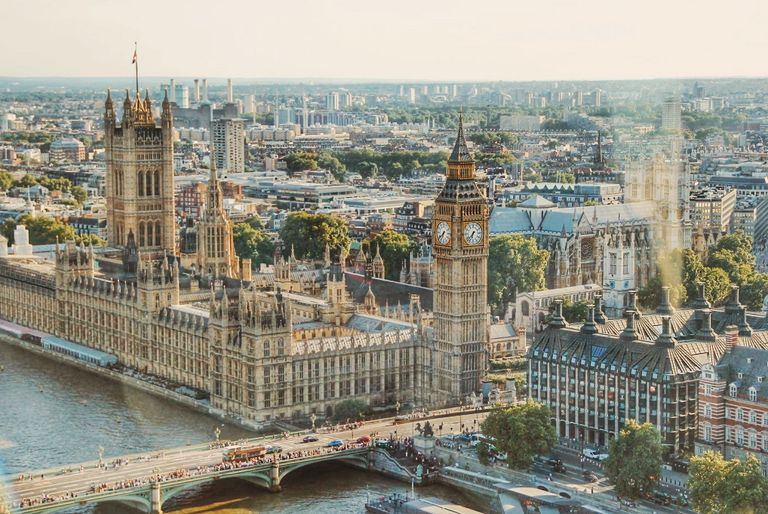

The Ultimate Solo Travel Guide to Japan


This is a Solo Travel Guide to Japan, highlighting why it remains a top choice for independent explorers.
Japan has earned a near-mythical reputation among solo travelers—and for good reason. Whether you are traveling for the first time alone or you are an experienced explorer seeking a destination that blends safety, efficiency, culture, and independence, Japan consistently sets the global standard.
For a complete overview of solo travel, see our Ultimate Solo Travel Guide
Preparation and Planning
Visa Requirements and Entry
Most travelers from North America, Europe, Australia, and many other countries can enter Japan as tourists for up to 90 days without a visa. However, always check the latest entry requirements before your trip, as policies can change. Ensure your passport is valid for at least six months beyond your planned departure date.
Best Time to Visit
Japan has distinct seasons:
– Spring (March–May): Cherry blossoms and mild weather.
– Summer (June–August): Festivals, fireworks, and warm weather; be prepared for humidity.
– Autumn (September–November): Stunning fall foliage.
– Winter (December–February): Skiing in the north and hot springs in the mountains.
Choose your travel time based on your interests. Spring and autumn are particularly popular but can be crowded.
Language Tips
Japanese is the official language. While English is spoken in major cities and tourist areas, learning basic phrases (hello, thank you, excuse me, do you speak English?) can be very helpful. Download translation apps like Google Translate for on-the-go assistance.
Cultural Etiquette
– Bow instead of handshakes.
– Remove shoes when entering homes, temples, and some restaurants.
– Be punctual.
– Handle money politely, using both hands or with a tray.
– Avoid loud conversations on public transport.
Safety Considerations
Japan is one of the safest countries globally, with low crime rates. Still, stay vigilant with your belongings, especially in crowded areas. Emergency numbers: 110 for police, 119 for fire/ambulance.
Japan’s Transportation System: A Solo Traveler’s Dream
One of the biggest reasons Japan feels so accessible alone is its world-famous transportation network.
The Shinkansen: Fast, Precise, and Effortless
The iconic Shinkansen (“bullet train”) connects major cities across Japan with astonishing speed and reliability. Traveling from Tokyo to Kyoto or Osaka becomes incredibly simple, even for first-time visitors.
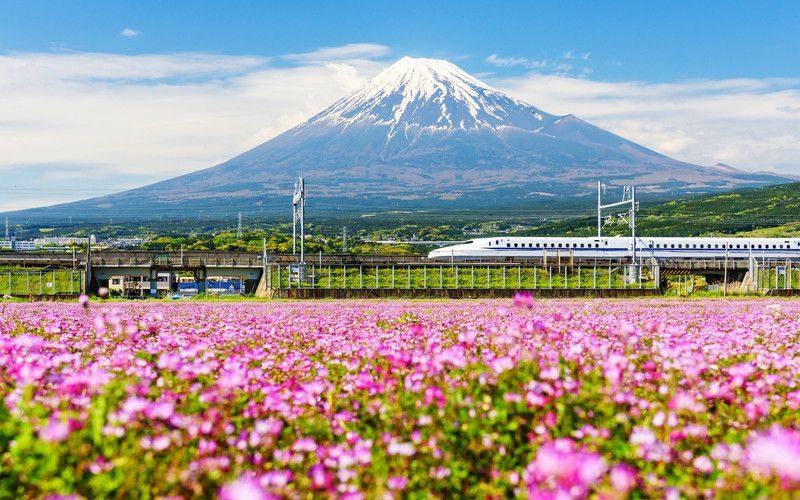
What makes the system remarkable is not only speed, but precision:
- Trains are famously punctual, often measured in seconds rather than minutes.
- Stations are clearly signposted in Japanese and English.
- Cleanliness and order reduce travel stress dramatically.
- Even rural destinations are often reachable by rail.
For solo travelers, especially women, this reliability creates confidence. You can plan your day accurately, avoid risky late-night transport uncertainty, and move through the country with ease.
JR Regional Lines and Subways
Beyond the Shinkansen, the extensive JR regional rail network connects smaller towns, coastal regions, mountain villages, and cultural sites.
Meanwhile, urban subway systems in cities like:
- Tokyo
- Kyoto
- Osaka
- Sapporo
- Fukuoka
allow travelers to navigate efficiently without needing a car.
The density of stations means you are rarely isolated. Convenience stores, cafes, pharmacies, and restaurants are usually only minutes away.
IC Cards: Seamless Everyday Travel
Japan’s rechargeable IC cards—especially Suica and PASMO—make solo travel dramatically easier.
These cards work across:
- Trains
- Subways
- Buses
- Convenience stores
- Lockers
- Vending machines
- Some restaurants and shops
Instead of constantly buying tickets, travelers simply tap in and out. For someone traveling alone, this removes friction and confusion from daily movement.
Safety in Japan: Why Solo Travelers Feel Comfortable
Japan is consistently ranked among the safest countries in the world.
Violent crime rates are extremely low, and daily life is shaped by strong social expectations around:
- Respect
- Cleanliness
- Quiet public behavior
- Personal responsibility
- Consideration for others
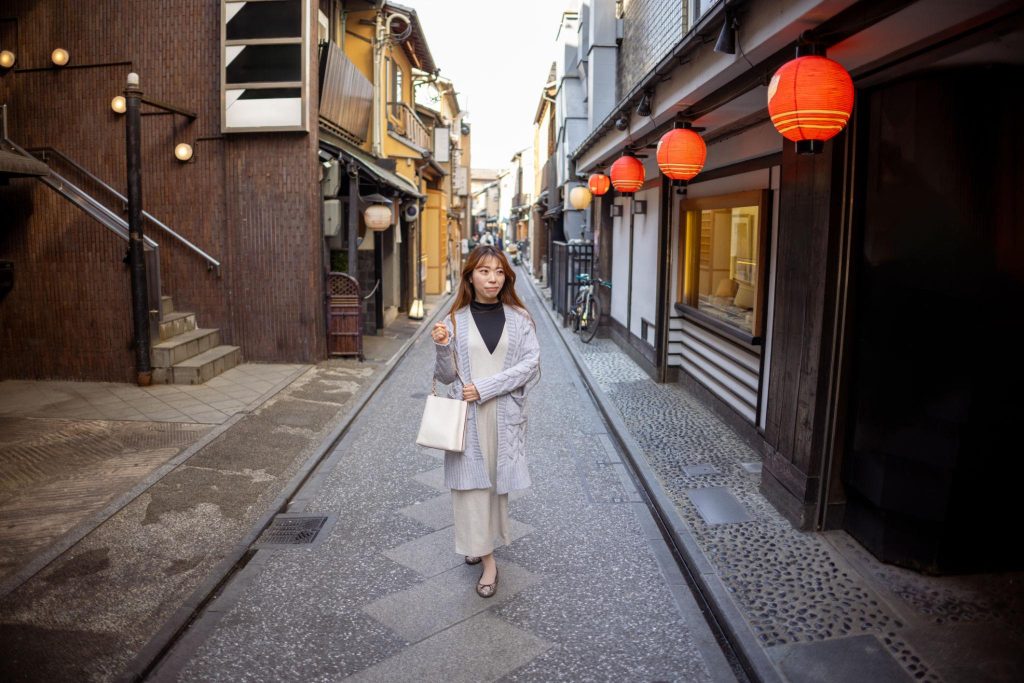
For solo travelers, this changes the emotional experience of travel completely. Many visitors describe Japan as one of the few places where they can genuinely relax while traveling alone.
Common experiences include:
- Feeling comfortable walking at night in populated areas
- Leaving belongings briefly unattended in cafes
- Receiving help from strangers when lost
- Experiencing calm, orderly public transport
Of course, normal travel awareness still matters anywhere in the world. But compared to many destinations, Japan offers an unusually secure environment.
Why Japan Is Especially Good for Solo Female Travelers
Japan is often considered one of the best countries in the world for women traveling alone.
Women-Only Train Cars
Many urban train lines offer women-only carriages during busy commuting hours, designed to reduce harassment and improve comfort.
These spaces are clearly marked and widely respected.
Respectful Public Culture
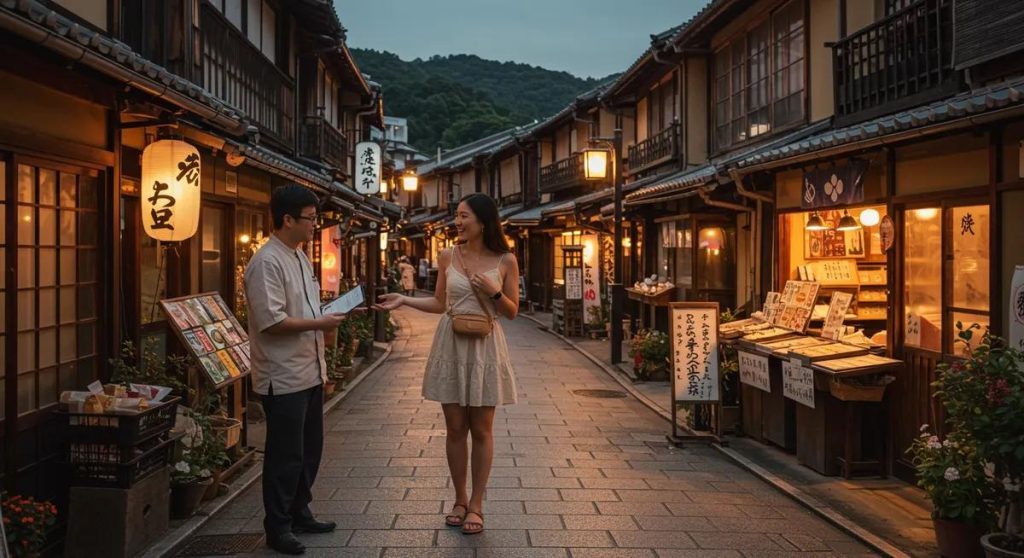
While no country is perfect, public interactions in Japan are generally polite and non-confrontational. Solo women frequently report:
- Feeling less pressured socially
- Receiving respectful treatment in restaurants and public spaces
- Being able to explore independently without constant attention
Accommodation Designed for Solo Travelers
Japan excels at compact, efficient accommodation:
- Capsule hotels
- Women-only hostels
- Boutique guesthouses
- Traditional ryokan inns
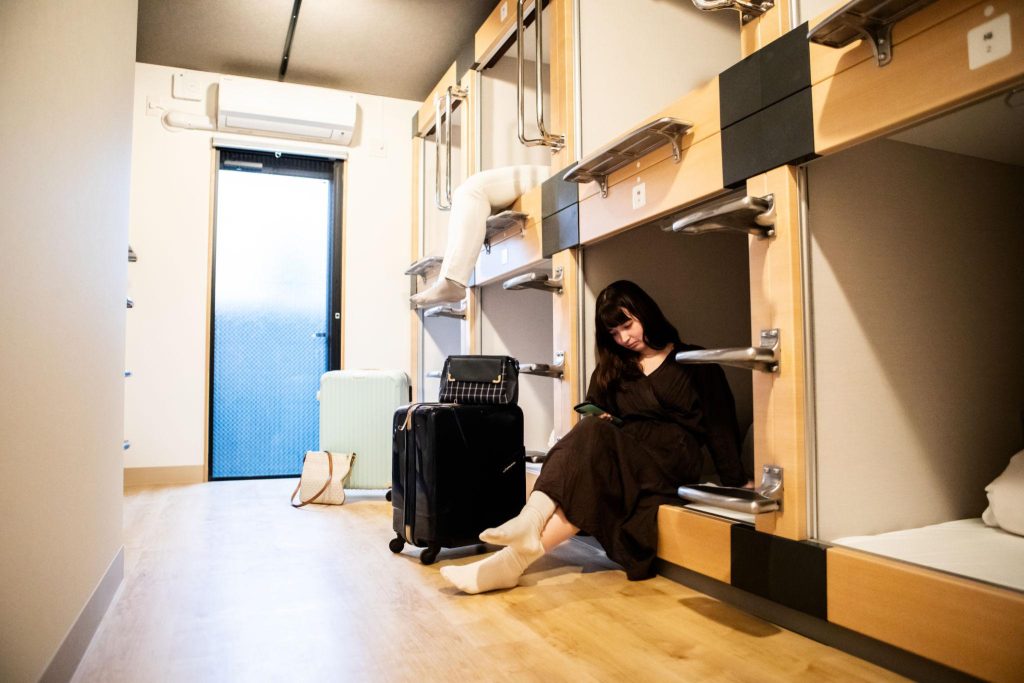
Many accommodations actively cultivate safe, welcoming environments for independent travelers.
There is also a strong online community of solo female travelers sharing advice about:
- Neighborhoods
- Etiquette
- Hidden destinations
- Transportation tips
- Women-friendly stays
This creates a sense of support even before arriving.
Japan’s Culture Rewards Slow Travel
Japan is not a destination that reveals itself instantly.
The country is deeply layered, and many of its greatest experiences emerge through slow, mindful exploration rather than rushing between landmarks.
Temples, Gardens, and Silence
Cities like Kyoto are filled with temple gardens, hidden alleys, seasonal shrines, and quiet neighborhoods that change mood depending on the weather, time of day, and season.
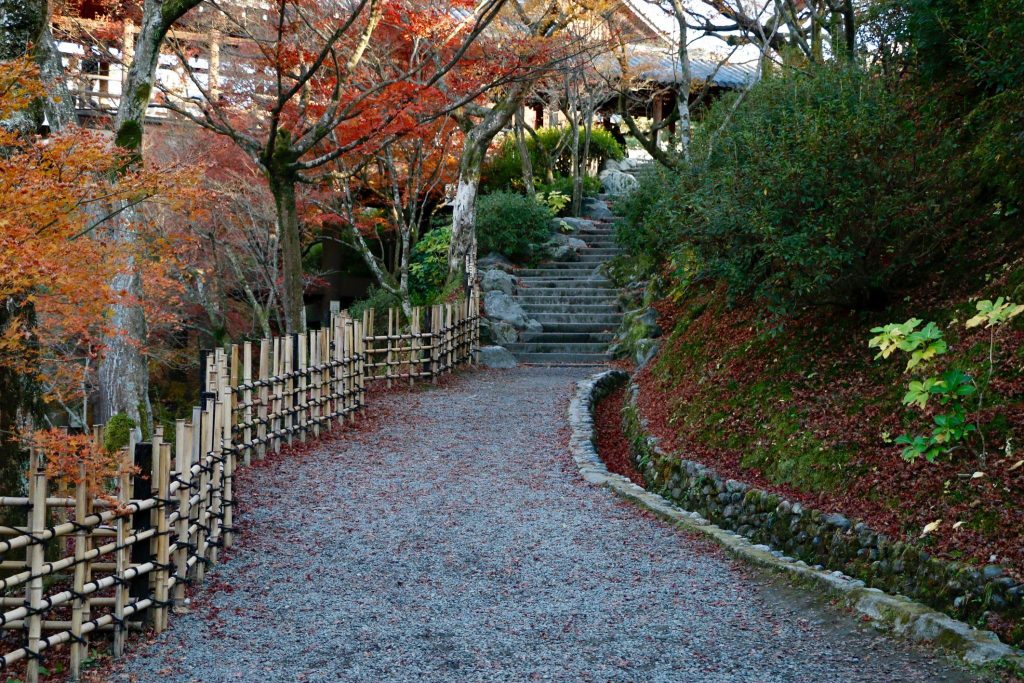
Experiences such as:
- Zen meditation retreats
- Tea ceremonies
- Temple stays
- Garden walks
- Seasonal festivals
encourage attention to presence, stillness, and impermanence.
Solo travelers often find Japan emotionally restorative because the culture allows space for quiet observation without making solitude feel uncomfortable.
Kyoto Rewards Multiple Visits
Unlike destinations built around a checklist of attractions, Kyoto becomes richer the slower you move.
A first visit may focus on famous temples. Later visits reveal:
- Neighborhood cafes
- Tiny artisan workshops
- Seasonal illuminations
- Riverside walks
- Hidden shrines
- Local markets
Japan constantly rewards curiosity and patience.
Japan Is Built for Independent Exploration
Many countries still treat solo travelers as unusual. Japan often feels designed for them.
Counter Dining Culture
Eating alone in Japan is completely normal.
Ramen bars, sushi counters, curry shops, and small eateries often center around individual seating.
This removes one of the biggest anxieties many solo travelers experience: dining alone.
Whether you are at a late-night ramen counter in Tokyo or a sushi bar in Osaka, solo dining feels natural rather than awkward.
Compact Urban Design
Japanese cities are dense and walkable:
- Attractions cluster closely together
- Public transit fills the gaps
- Convenience stores operate everywhere
- Streets remain active late into the evening
This means solo travelers can spontaneously explore without needing extensive planning.
Social Experiences That Still Feel Accessible Alone
Japan also offers social experiences that welcome individuals naturally.
Izakaya Culture
Traditional izakaya pubs often encourage casual interaction among coworkers, locals, and travelers.
Even without speaking fluent Japanese, many solo travelers enjoy:
- Shared dishes
- Counter seating
- Conversation with staff
- Warm neighborhood atmospheres
Baseball Games and Local Events
Attending a game featuring teams in Nippon Professional Baseball can be an unexpectedly memorable solo experience.
The cheering culture, organized fan sections, food vendors, and communal energy make it easy to enjoy alone.
Seasonal matsuri festivals, night markets, and neighborhood celebrations also create welcoming social spaces without requiring group travel.
Respect and Awareness Matter
Japan’s safety and comfort depend heavily on mutual respect.
Solo travelers are generally welcomed warmly when they:
- Follow local etiquette
- Keep noise levels low on trains
- Respect queues and shared spaces
- Learn basic cultural customs
- Show consideration toward staff and residents
This shared social responsibility is one reason Japan functions so smoothly for independent travelers.
10-Day Japan Itinerary for a Solo Male Traveler in July
Overview:
– Focus on Tokyo, Hakone, Kyoto, and Osaka
– Mix of cultural sites, nature, local food experiences, and shopping
– Slow-paced with time to relax and soak in the atmosphere
Day 1: Arrival in Tokyo
– Arrival & Check-in: Arrive at Narita or Haneda Airport. Take the Keisei Skyliner or Limousine Bus to your hotel or capsule hotel in central Tokyo (Shinjuku, Shibuya, or Ginza recommended).
– Evening: Take a gentle walk around your neighborhood, explore nearby shops, and get acclimated.
– Accommodation: Stay in a capsule hotel or a comfortable hotel in Shinjuku or Shibuya for easy access to transport and entertainment.
Day 2: Tokyo – Culture & Shopping
– Morning: Visit Meiji Shrine, a serene Shinto shrine surrounded by forest.
– Late Morning: Walk through Takeshita Street in Harajuku for youth fashion and quirky shops.
– Afternoon: Explore Omotesando for upscale shopping and architecture.
– Evening: Head to Shibuya for the famous scramble crossing and vibrant nightlife.
– Dinner: Try ramen at a local ramen bar with individual booths.
– Tip: Use your IC card for seamless travel.
Day 3: Tokyo – Historic & Modern Mix
– Morning: Visit Asakusa and Senso-ji Temple, Tokyo’s oldest temple. Explore Nakamise-dori shopping street.
– Afternoon: Take a river cruise on the Sumida River to Odaiba for futuristic attractions and shopping malls.
– Evening: Relax at Oedo Onsen Monogatari (hot spring theme park) in Odaiba for a soothing experience.
– Optional: Visit the teamLab Borderless digital art museum for a modern, immersive experience.
Day 4: Travel to Hakone – Nature & Hot Springs
– Morning: Take the Odakyu Line or Shinkansen to Hakone (about 2 hours).
– Check-in: Stay in a ryokan or a hot spring hotel with private baths.
– Afternoon: Explore Hakone Open-Air Museum, enjoy views of Mount Fuji if the weather permits.
– Evening: Relax in an onsen (hot spring). Many accommodations have private baths—perfect for solo relaxation.
– Tip: Pack light and bring swimwear if needed.
Day 5: Hakone & Travel to Kyoto
– Morning: Take a scenic loop around Lake Ashi, ride the Hakone Ropeway, and visit the Owakudani volcanic valley.
– Afternoon: Travel to Kyoto via Shinkansen (about 2.5 hours).
– Evening: Check into a traditional hotel or capsule hotel near Kyoto Station or Gion.
– Relax: Walk around Gion, the historic Geisha district, and enjoy a quiet evening.
Day 6: Kyoto – Culture & History
– Morning: Visit Fushimi Inari Shrine with its thousands of torii gates.
– Late Morning: Explore Kiyomizu-dera Temple and nearby historic streets.
– Afternoon: Wander through Higashiyama District, enjoy matcha (green tea) and traditional sweets.
– Evening: Relax at a local izakaya or enjoy Kyoto-style kaiseki (traditional multi-course meal).
Day 7: Kyoto – Nature & Temples
– Morning: Visit Arashiyama Bamboo Grove, then explore Tenryu-ji Temple and the Iwatayama Monkey Park.
– Afternoon: Walk along the Katsura River, enjoy the peaceful scenery.
– Optional: Rent a bicycle for a relaxed exploration of the area.
– Evening: Return to central Kyoto, perhaps visit Pontocho Alley for dinner.
Day 8: Travel to Osaka – Food & Shopping
– Morning: Take a short train ride (about 15 minutes) to Osaka.
– Check-in: Stay in a capsule hotel or hotel near Namba or Umeda.
– Afternoon: Explore Dotonbori, famous for street food, neon lights, and shopping.
– Try: Takoyaki (octopus balls), kushikatsu (skewered fried foods), and local ramen.
– Evening: Visit the Umeda Sky Building for panoramic city views.
Day 9: Osaka & Optional Day Trip
– Option 1: Visit Osaka Castle and the surrounding park.
– Option 2: Take a day trip to Nara (about 45 minutes by train) to see Todaiji Temple and friendly deer in Nara Park.
– Evening: Enjoy your last night with a relaxed walk along the river or in a local izakaya.
Day 10: Departure
– Morning: Depending on your flight time, relax or do some last-minute shopping.
– Travel: Head to Kansai International Airport or Osaka Itami Airport for your departure.
Additional Tips:
– Weather: July is hot and humid. Pack lightweight, breathable clothing, a hat, sunglasses, and stay hydrated.
– Connectivity: Rent a portable Wi-Fi device or get a Japanese SIM card.
– Cash & Cards: Carry some cash; many places accept cards, but cash is king.
– Safety: Japan is very safe, but always keep an eye on your belongings and stay aware of your surroundings.
– Language: Download Google Translate offline, and learn a few basic Japanese phrases.
This itinerary balances cultural immersion, nature, relaxation, and food experiences, with plenty of downtime to enjoy Japan at a leisurely pace. Feel free to customize it further based on your interests or specific travel dates!
Final Thoughts: Japan as the Benchmark for Solo Travel
Few destinations combine:
- World-class transportation
- Exceptional safety
- Deep cultural richness
- Solo-friendly dining
- Efficient urban design
- Respectful public behavior
- Meaningful quiet experiences
as successfully as Japan.
For solo female travelers, the country offers something especially valuable: independence without constant vigilance.
Whether wandering through lantern-lit streets in Kyoto, taking the Shinkansen across the country, eating ramen at a tiny counter restaurant, or sitting silently in a Zen garden, Japan creates a rare balance between freedom, safety, and cultural depth.
That is why so many travelers return again and again—and why Japan remains one of the world’s true benchmark destinations for solo exploration.
FAQs: Solo travel in Japan: essential FAQs for anyone planning a trip to Japan
Is travel in Japan safe for a solo traveller, including solo female travel in Japan?
Yes — travel in Japan is widely considered safe for travellers in Japan, including women who travel solo. Japan has low violent crime rates and efficient public services, so many solo travellers report feeling comfortable walking alone at night in major cities.
Standard precautions still apply: keep valuables secure, avoid poorly lit areas late at night, share your itinerary with someone, and use common-sense safety practices that you would on any trip abroad.
How do I get around? Is Japan Rail useful for a solo trip to Japan?
Getting around Japan is straightforward thanks to the Japan Rail network and local metro systems. The Japan Rail Pass can save money on long-distance travel if you plan a week in Japan or two weeks in Japan with multiple city hops; regional passes work well for shorter travel itineraries. For inner-city travel, IC cards (Suica, Pasmo) are convenient.
Taxis and buses are available but more expensive than trains, so plan routes in advance and check train schedules when travelling between islands or rural places in Japan.
Do I need travel insurance for a solo trip to Japan, and what should a travel insurance policy cover?
Yes, getting travel insurance is recommended for any trip to Japan. A good travel insurance policy for solo travel in Japan should cover medical expenses, emergency evacuation, trip cancellation, lost baggage, and activities you plan to do (for example, winter sports or hiking).
Confirm coverage limits, emergency contact procedures, and whether pre-existing conditions are covered before you go.
What are the best travel itineraries for a first solo trip to Japan? Can I do a week in Japan, or should I plan two weeks?
A week in Japan is ideal for a focused region (Tokyo and day trips, or Kyoto and nearby cities), while two weeks in Japan lets you explore multiple regions, combine Japan rail travel with island visits, and add slower-paced days.
Typical solo travel itineraries include Tokyo–Hakone–Kyoto–Osaka for a classic loop, or Hokkaido in summer for nature and festivals. Tailor your itinerary based on travel style, season, and how much time you want to spend getting to and from places.
As a solo traveler in Japan, how easy is it to find accommodation in Japan, and what are the best options?
Accommodation in Japan ranges from business hotels and capsule hotels to ryokan (traditional Japanese inns) and guesthouses. Solo travellers often choose business hotels or hostels for affordability, or ryokan for a cultural experience. Many hotels in Japan offer single rooms, and booking ahead is important during peak seasons. Consider proximity to train stations and whether you want quiet neighborhoods or central locations when you plan to stay in Japan.
What about eating and socializing — can I eat alone comfortably and explore Japan’s food scene as a solo traveller?
Eating alone in Japan is common and very easy; many restaurants, izakaya, ramen shops, and convenience stores are solo-friendly. Counter seating and small tables make solo dining comfortable, and you can explore traditional Japanese cuisine or street food at markets.
Joining a food tour or local cooking class is a great way to meet other travellers without committing to a group tour for the whole trip.
Is summer in Japan a good time for solo travel, and how does the season affect travelling alone to Japan?
Summer in Japan offers festivals, outdoor activities, and island trips, but it can be hot, humid, and busy during Obon. Spring (cherry blossom) and autumn (foliage) are popular for mild weather and scenic views. Season affects crowds, prices, and what you pack for your travel wardrobe.
Plan accordingly: reserve accommodation early for peak seasons and check local festival dates if you want to include cultural experiences in your Japan trip.
Are there options for solo travellers who prefer some company, such as solo-traveller tours or group tour opportunities?
Yes — there are guided, small-group, and day tours that welcome solo travellers and offer social interaction without the commitment of a long group tour. Look for tours for solo travellers, themed tours (food, culture, hiking), or single-friendly hotel activities.
These options are helpful if you want local guidance for specific sites or prefer not to travel entirely alone.
How should I prepare for my first time traveling alone to Japan — any packing, planning, or cultural tips?
For a first solo trip abroad to Japan, research travel itineraries, reserve trains and hotels, carry a copy of important documents, and secure travel insurance for Japan.
Pack a versatile travel wardrobe for walking and changing weather, comfortable shoes for exploring cities and temples, and a portable charger. Learn a few Japanese phrases, respect local customs (bowing, removing shoes, quiet train etiquette), and download helpful apps for maps, translation, and rail timetables to make Japan solo travel smoother.