Skip to content

Discover the Major Ancient Civilizations In Africa

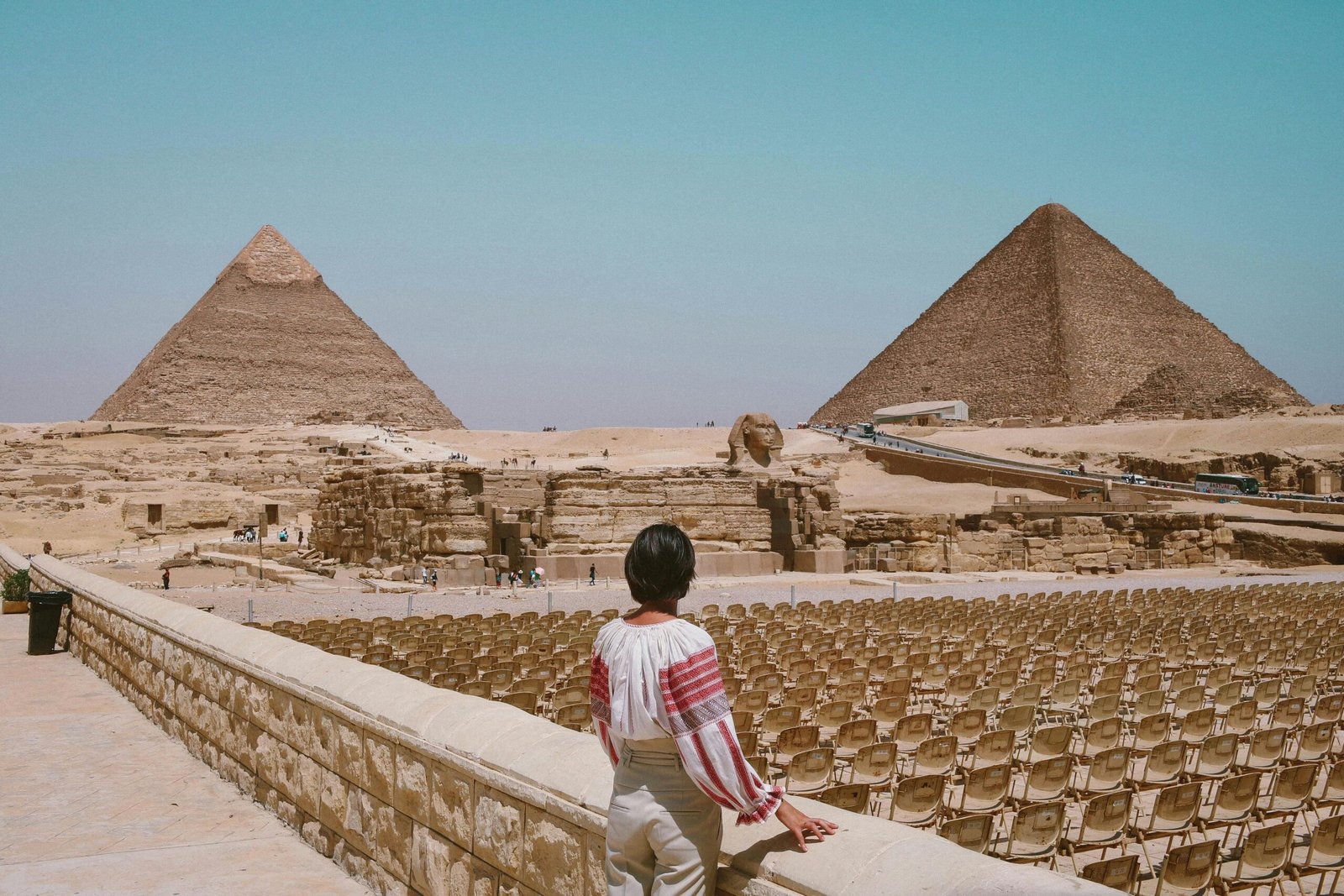
Ancient civilizations across Africa tell a story of innovation, power, and cultural brilliance spanning over 5,000 years. From Egypt’s towering pyramids to the stone cities of Great Zimbabwe, these societies left behind awe-inspiring architecture, vast trade networks, and lasting legacies. Journey through the Nile Valley, the Sahara, and beyond — and uncover the roots of Africa’s enduring heritage.
Key Takeaways:
- The Ancient Egyptian civilization, centered along the Nile River, is renowned for its advances in writing, architecture, and governance, including the construction of pyramids and the development of hieroglyphs.
- The Kingdom of Kush, located to the south of ancient Egypt in Nubia (modern Sudan), was a powerful state noted for its rich deposits of gold, ironworking, and the establishment of the Napata and Meroë cultures.
- The Carthaginian civilization, founded by Phoenician settlers in present-day Tunisia, became a major maritime and trading power in the Mediterranean with notable military leaders like Hannibal.
- The Axumite Empire, in what is now Ethiopia and Eritrea, thrived from approximately 100 AD to 940 AD, known for its monumental obelisks, early adoption of Christianity, and a sophisticated trading network.
- Great Zimbabwe, located in southeastern Africa, flourished between the 11th and 15th centuries, famous for its impressive stone city ruins and economic influence through trade in gold and ivory.
The Pinnacle of Ancient Egyptian Civilization
Egypt’s civilization reached extraordinary heights along the Nile, shaping your understanding of governance, culture, and innovation.
The era saw the emergence of powerful pharaohs whose reigns lasted centuries, monumental architecture like the Great Pyramids at Giza, and a sophisticated society deeply intertwined with religion and daily life.
This civilization mastered agriculture with intricate irrigation, supported complex bureaucracies, and launched advances that still resonate in your modern world.
Foundations of the Pharaohs
The pharaohs stood as both political and religious leaders, believed to be gods in human form. Figures such as Khufu, who commissioned the Great Pyramid, and Ramses II, known for his military prowess and extensive building projects, laid the groundwork for a dynasty-driven society.
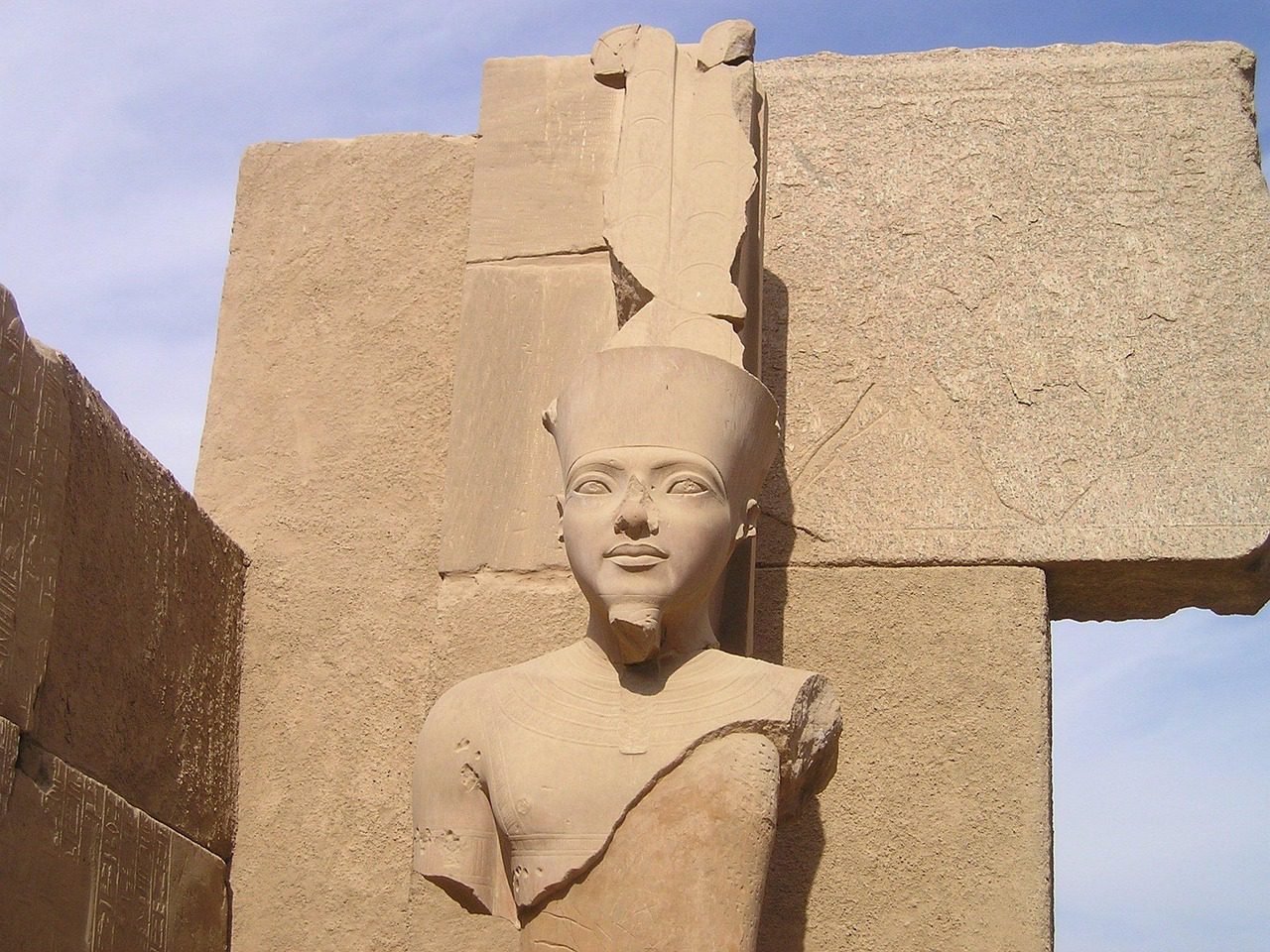
These rulers centralized power through a bureaucracy that depended on your support and tribute, reinforcing order with a strong legal code and monumental architecture that symbolized their divine right to rule.
Contributions to Medicine, Art, and Architecture
Ancient Egyptians pioneered medical practices recorded in the Edwin Smith Papyrus, treating wounds and performing surgeries with techniques you might recognize today.
Their art, rich with hieroglyphics and symbolism, communicated stories and religious beliefs that remain decipherable, reflecting the influences of both East Africa and the Kushites.
Architecturally, the precision in pyramid construction, massive temples, and the development of column designs reflected your civilization’s blend of function and aesthetic mastery.
Diving deeper, Egyptian medicine combined empirical treatments with spiritual healing, addressing broken bones, infections, and dental problems with surprisingly advanced methods.
In art, vibrant murals and statues portrayed daily life and the afterlife, offering you a glimpse into their values and social hierarchy.
The architectural ingenuity is evident in the alignment of the pyramids with celestial bodies, showing an understanding of astronomy integrated with religious purpose.
Altogether, these contributions underscore a civilization that valued knowledge and expression as much as power.
The Kingdoms That Shaped Nubia and beyond
Nubia’s ancient kingdoms played a transformative role in shaping the region’s cultural and political landscape.
Stretching along the Nile, these kingdoms interconnected with Egypt and the broader Horn of Africa through trade, warfare, and diplomacy.

You observe how the powerful Kingdom of Kush and the expansive Kingdom of Aksum not only controlled vital trade routes but also influenced art, religion, and language far beyond their borders, establishing legacies that reveal the deep interwoven history of Africa’s ancient civilizations.
The Legacy of the Kingdom of Kush
The Kingdom of Kush thrived between 1070 BCE and 350 CE, controlling Upper Nubia and at times conquering Egypt itself.
You find Kushite rulers, especially the 25th Dynasty pharaohs, leaving a distinct mark with their impressive pyramids at Meroë and unique ironworking technologies, showcasing their influence across East Africa.
Kush’s rich deposits of gold and ivory fueled trade networks extending into sub-Saharan Africa, while their matrilineal succession system and powerful queens, like Amanirenas, illustrate an advanced and complex society.
The Rise and Influence of the Kingdom of Aksum
The Kingdom of Aksum, flourishing from around 100 CE to 940 CE in present-day Ethiopia and Eritrea, emerged as a dominant empire controlling Red Sea trade.
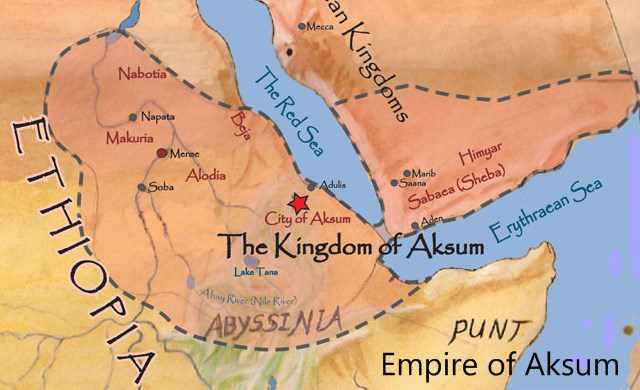
You recognize Aksum’s monumental stelae, including the towering Obelisks of Axum, as symbols of its architectural prowess and religious transformation.
Converting early to Christianity under King Ezana, Aksum forged connections with the Roman and Byzantine worlds, strengthening its economic and political influence across Africa and Arabia.
Beyond its impressive monuments and religious legacy, Aksum’s strategic location empowered it to dominate trade routes between the Roman Empire and India, dealing in gold, ivory, and spices.
You learn that Aksum developed a written script called Ge’ez, which remains foundational in Ethiopian culture today. Its currency, among the first minted in sub-Saharan Africa, facilitated expansive trade.
This kingdom’s unique blend of indigenous culture and external influences underpinned a thriving, cosmopolitan society that shaped the Horn of Africa’s historical trajectory.
The Ripple Effect of Egypt Across the Continent
Ancient Egypt’s cultural and technological reach extended well beyond its borders, influencing numerous African regions.
The kingdom’s architectural innovations, written language, and religious beliefs became templates for neighboring societies.

You can trace these ripple effects through archaeological evidence and cultural parallels, as explored in detail in The Oldest Civilizations in Africa: A Timeline – Afriklens.
This interconnectedness shaped the broader African continent’s historical trajectory, revealing how Egyptian civilization functioned as a sophisticated nucleus for trade and exchange.
Egyptian Influence on Sub-Saharan Societies
Egypt’s influence reached sub-Saharan Africa primarily through trade routes and the migration of ideas rather than direct political control.
Societies such as the Kingdom of Kush adopted Egyptian deities, script, and monumental architecture, highlighting a cultural borrowing that bolstered their own status.
You’ll find Nubian pyramids and hieroglyphic inscriptions reflecting this legacy, underscoring Egypt’s role as an inspirational force shaping governance, religious practices, and even art far south of the Sahara.
Trade Networks: The Nile as a Lifeline
The Nile River served as the continent’s vital artery, enabling Egypt to become a sprawling trade hub. You can see how the river facilitated the exchange of gold, ivory, ebony, and exotic animals from sub-Saharan Africa into Egypt and beyond.
These commodities fueled economic growth and connected societies across vast distances, creating a complex commercial web centuries before modern infrastructure.
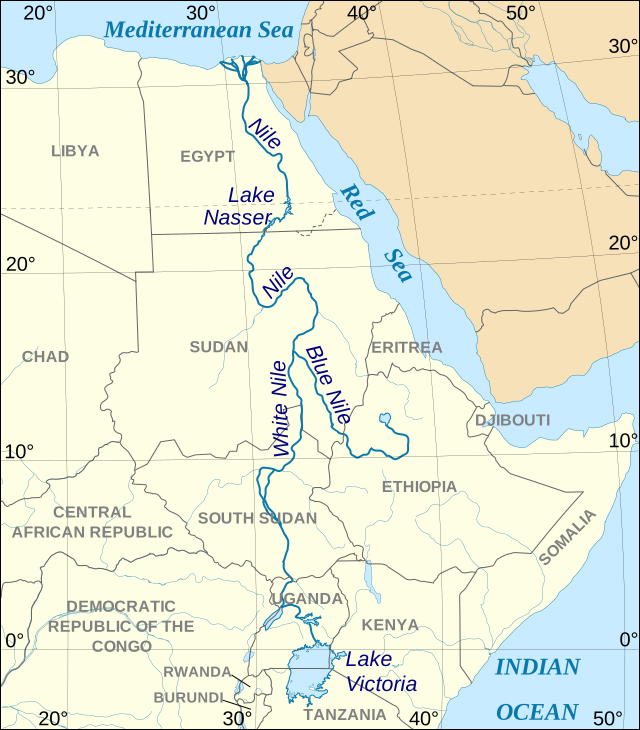
The Nile’s predictable flooding cultivated fertile agricultural zones supporting dense populations, which in turn sustained merchants and artisans specializing in long-distance trade.
Cities like Meroë thrived as waypoints where African goods met Mediterranean markets, enabling economic and cultural interchange on a scale unprecedented for the era.
This network linked disparate African peoples, fostering shared technologies and ideas that would shape the continent’s ancient history.
Your understanding of Africa’s early civilizations deepens once you consider how the Nile unified economies and cultures across vast and diverse regions.
West Africa’s Golden Age: A Study of Power and Prosperity
West Africa’s history shines bright with civilizations that anchored trade, culture, and politics. Kingdoms like Mali, Benin, and the Nok civilization demonstrated impressive advancements in governance, art, and technology.
This era witnessed bustling trade routes connecting gold, salt, and ivory with distant markets, fueling prosperity and cultural exchange that shaped the region’s identity.
The Enduring Legacy of the Mali Empire
The Mali Empire, at its peak from the 13th to 16th centuries, commanded vast trade networks and became a beacon of Islamic scholarship.
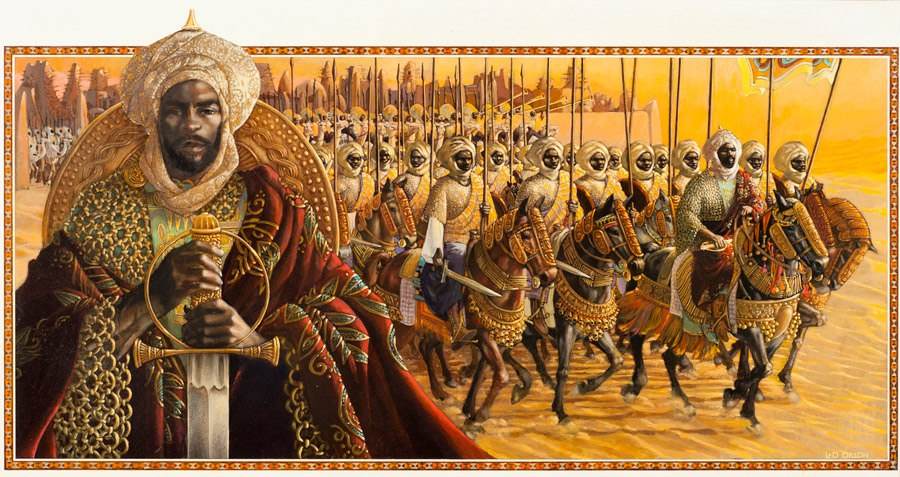
Under leaders like Mansa Musa, you see an empire enriched by gold and famed for its intellectual centers such as Timbuktu, influencing West African culture and beyond with its wealth and learning.
Innovations of the Nok Civilization
The Nok culture, dating from 1000 BCE to 300 CE, introduced pioneering iron-smelting techniques that revolutionized tool-making and agriculture.
Their distinctive terracotta sculptures also highlight an artistic sophistication that continues to captivate historians and archaeologists today.
Diving deeper, the Nok people’s mastery of iron technology transformed West African societies by enabling more efficient farming equipment and weapons, directly impacting social structures and expansion.
These innovations not only increased productivity but also laid foundations for later civilizations to thrive economically and militarily, making the Nok one of Africa’s earliest technological innovators.
The Political and Cultural Influence of the Benin Kingdom
The Benin Kingdom, flourishing from the 13th until the 19th century, showcased a highly organized political system and artistic excellence.
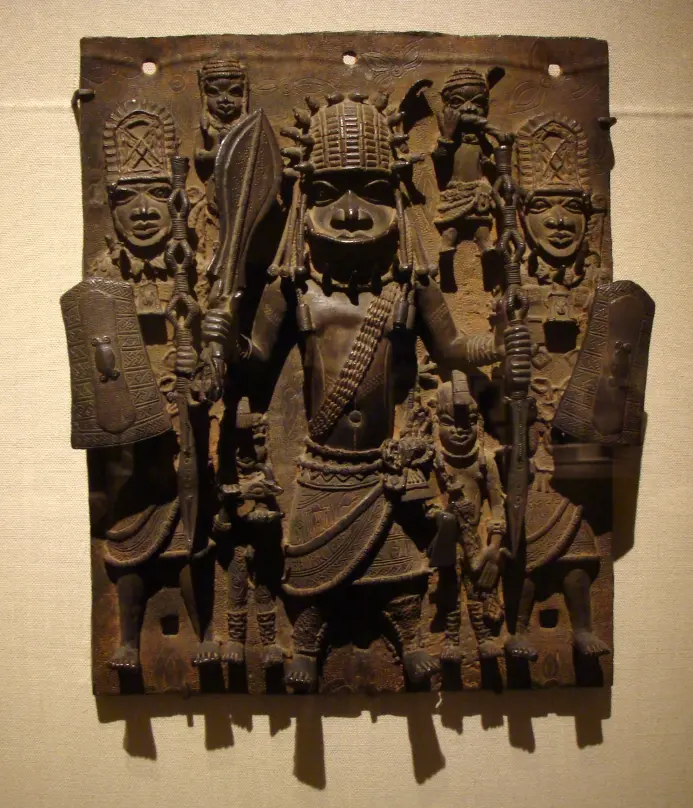
You’ll notice their exquisite bronze sculptures which reflect a complex society with advanced governance and cultural sophistication that influenced neighboring regions extensively.
Expanding on this, Benin’s political system combined strong central authority with local governance, allowing flexibility and stability for centuries.
Their artists crafted detailed bronzes that documented royal history and daily life, serving both as cultural treasures and historical records.
This fusion of political power and artistic achievement helped Benin maintain its influence and legacy far beyond its territorial boundaries.
Carthage: The Powerhouse of North Africa
As you turn your focus to North Africa, Carthage emerges as a dominant force famous for its strategic coastal position and rich resources.
Founded by Phoenician settlers, this civilization rose to prominence through a blend of maritime skill and shrewd diplomacy.
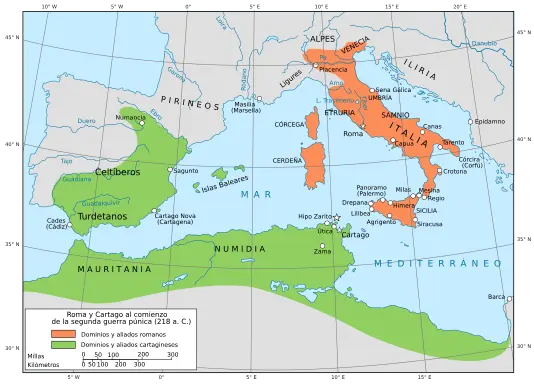
You can explore its legacy further in resources like 7 Influential African Empires, which detail how Carthage shaped regional power dynamics and left an indelible mark on history.
Military Prowess and Economic Strategies
Your understanding of Carthage deepens when considering its formidable navy, which secured dominance over Mediterranean waters, and its innovative use of mercenaries, offering flexibility against rivals.
Economically, Carthage thrived by controlling agricultural production—most notably olives and grains—and pioneering trade routes that funneled wealth through its bustling ports, effectively turning the city into a wealthy mercantile hub.
Carthage’s Role in Mediterranean Trade Dynamics
You’ll find Carthage was a linchpin in connecting diverse Mediterranean economies. Its navigational expertise enabled the establishment of extensive maritime networks linking North Africa with Southern Europe and the Near East.
This positioned Carthage as a vital intermediary for luxury goods, metals, and textiles, facilitating cultural and economic exchanges that shaped the Mediterranean basin and established it as a great power in world history.
Diving deeper, Carthage’s geographic advantage on the coast near modern Tunis allowed it to control key sea lanes that many competitors could not.
Through its expansive fleet, you could witness how Carthage ensured the steady flow of commodities like silver from Spain, ebony from sub-Saharan Africa, and precious purple dye central to elite status.
This trading prowess not only enriched its elite but also sustained a complex urban society supported by skilled artisans, farmers, and sailors, reinforcing its role as a Mediterranean powerhouse.
The Rise and Architectural Marvel of Great Zimbabwe
Great Zimbabwe stands out as a testament to African ingenuity, with its massive stone enclosures and intricate dry-stone wall constructions reaching heights of up to 11 meters without mortar.
This ancient city, flourishing from the 11th to 15th centuries, served as the heart of a sophisticated society that managed to assert political and economic dominance over a vast region.
Its sheer size and architectural precision not only reflect engineering prowess but also symbolize the power and prestige Your ancestors held through strategic control of trade and regional resources.
Understanding the Socioeconomic Foundations of Zimbabwe
The socioeconomic structure of Great Zimbabwe revolved largely around cattle farming, agriculture, and mining, especially the extraction of gold and copper.
These resources underpinned your ancestors’ wealth, while a centralized authority coordinated labor and trade, supporting an urban population that may have reached up to 18,000 people.
This elite class’s control over trade networks enabled the accumulation of wealth and the development of the impressive stone architecture you now admire.
Trade Routes and Resource Management in Southern Africa
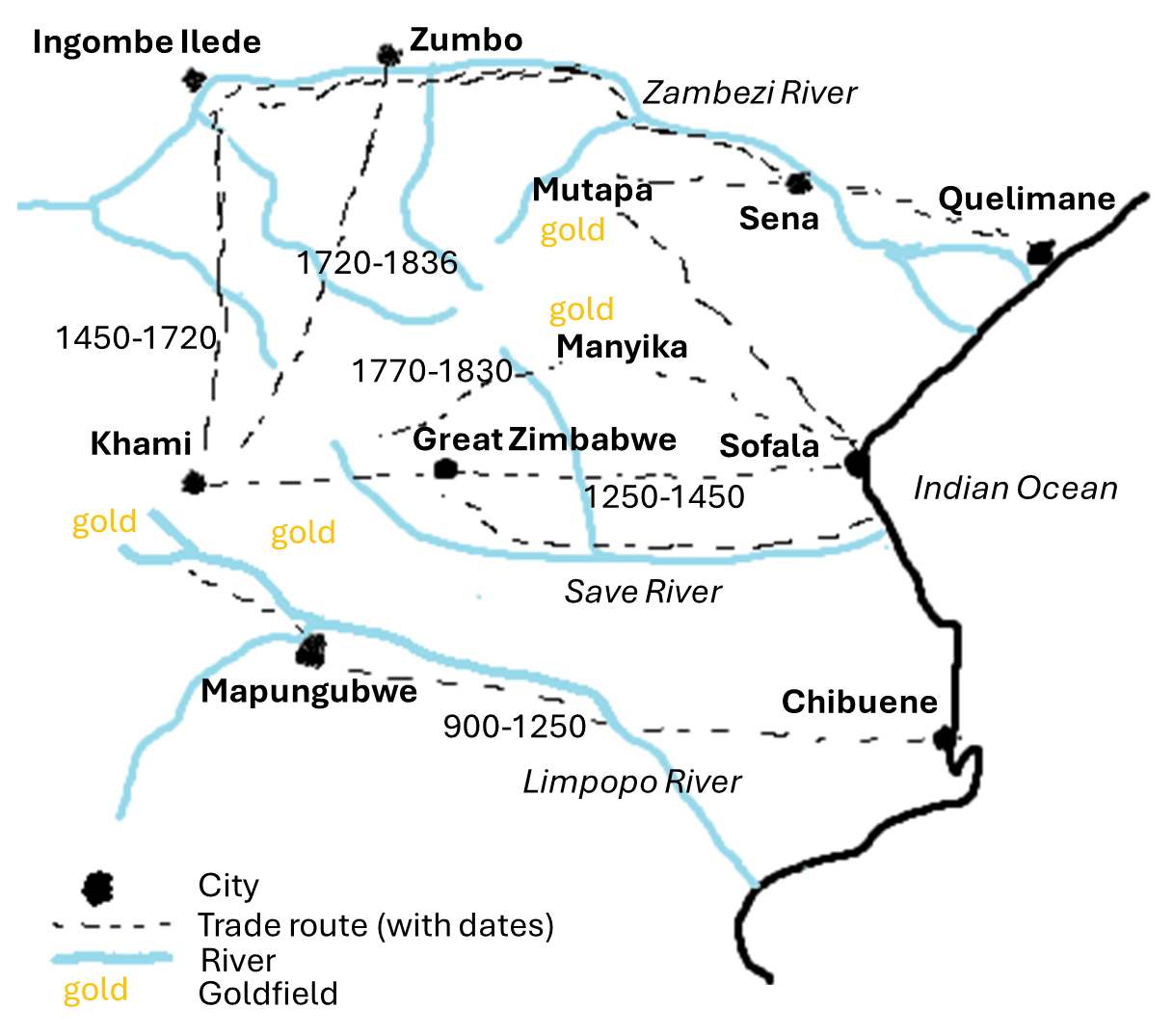
The kingdom of Great Zimbabwe thrived by expertly managing trade routes that linked the interior to the Indian Ocean coast.
Your predecessors capitalized on this position, exchanging gold, ivory, and iron for luxury goods like glass beads and Chinese ceramics, which have been unearthed at the site of great power in regions like Nigeria.
Control of these routes allowed for effective resource management and facilitated economic prosperity unmatched by nearby contemporaries.
Diving deeper, the trade routes connected Great Zimbabwe to distant regions including Swahili city-states, Arabia, and even China, establishing it as a key node in a global network.
The efficient management of resources like gold mining in the nearby Matabeleland and the regulation of caravan passages maximized your society’s wealth.
By coordinating long-distance trade and resource allocation, Great Zimbabwe maintained a strong economy that supported its impressive stone constructions and vibrant marketplace, elevating its status far beyond southern Africa during its peak.
Common Threads of Ancient African Civilizations
Across the vastness of Africa, ancient civilizations such as Egypt, Nubia, Carthage, and Great Zimbabwe shared several defining features.
These societies fostered complex urban centers with advanced craftsmanship, trade routes spanning continents, and intricate social hierarchies.
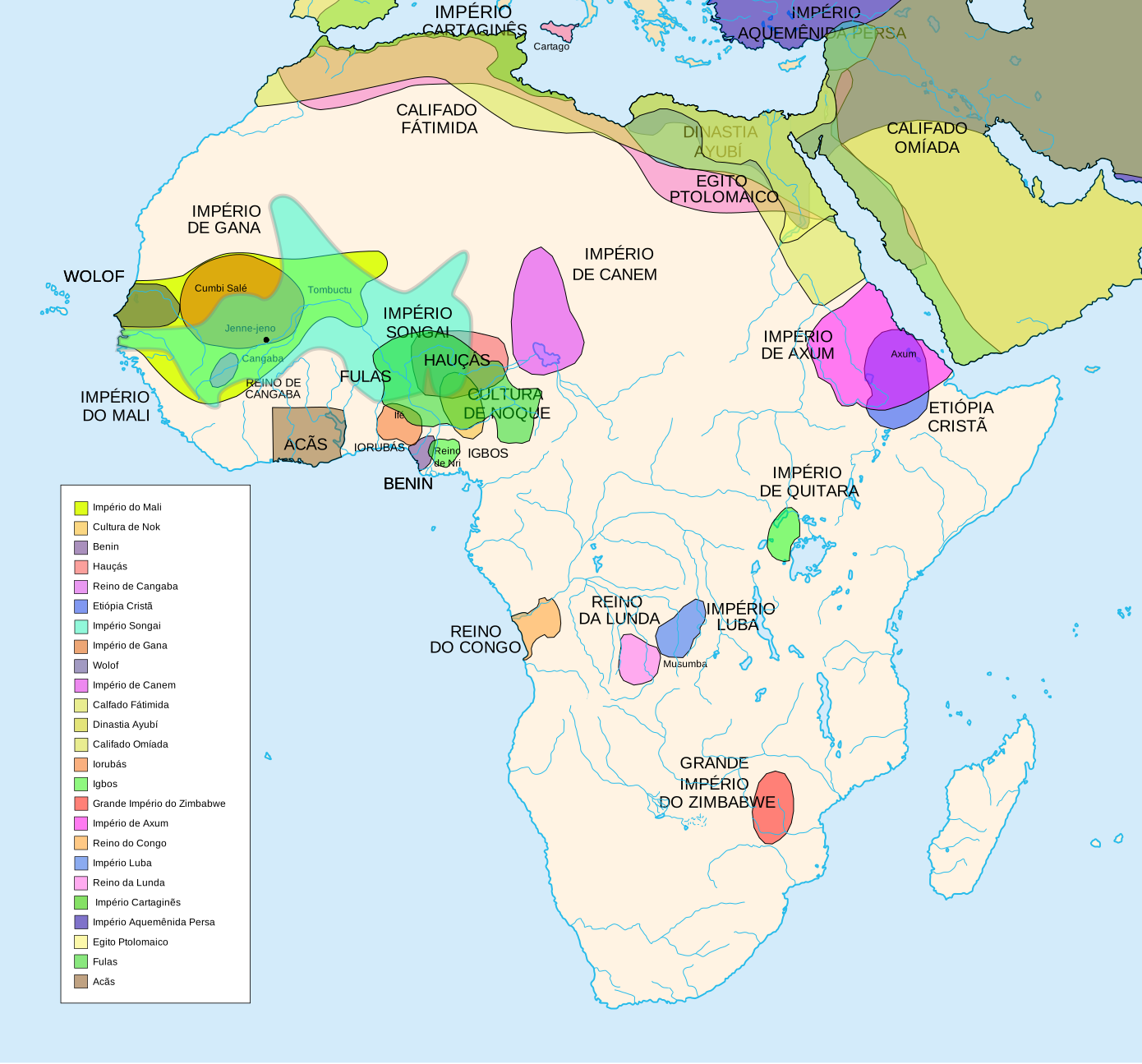
You’ll notice an emphasis on sustainable agricultural practices paired with bustling trade economies, enabling vibrant cultural exchanges.
These common threads reveal how interconnected and sophisticated these civilizations were, despite their geographic diversity and distinct historical paths.
Shared Characteristics of Governance and Society
Governance across ancient African civilizations often centered on strong centralized authority intertwined with spiritual leadership, as seen in the New Kingdom and among the Kushites.
Pharaohs in Egypt and kings in Nubia wielded both political and religious power, while city-states like Carthage operated oligarchic systems dominated by merchant elites.
Societies established hierarchical structures, placing nobles and priests above artisans, farmers, and laborers.
This organisation helped maintain social order, ensuring resource distribution and public works like irrigation that supported your community’s survival and growth in regions such as Nigeria and West Africa.
Religion’s Role in Shaping Culture and Identity
Religion deeply influenced African civilizations, acting as the foundation for cultural norms and personal identity.
You’ll find belief systems where deities governed natural forces, and ancestors provided guidance, linking the spiritual world directly to daily life and governance.
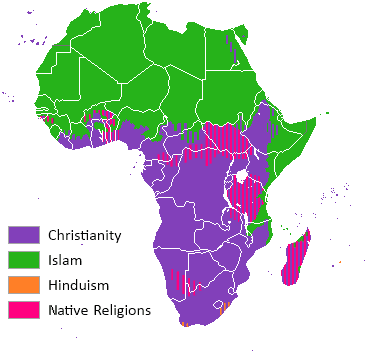
Temples, rituals, and artistic depictions served to reinforce communal values, legitimizing rulers and uniting people under shared cosmologies that shaped art, law, and education in the New Kingdom.
Expanding on religion’s role, consider how Egyptian society employed a pantheon of gods like Ra and Osiris to embody cosmic order, directly affecting your understanding of life and death.
In Nubia, religious syncretism reflected cultural exchanges, blending native beliefs with Egyptian deities to foster a unique spiritual identity.
Meanwhile, Carthage’s reliance on mythology and rituals, including the veneration of Baal, reinforced the city’s resilience amid conflicts.
These religious frameworks didn’t just dictate worship; they shaped moral codes, inspired monumental architecture, and defined your position within the universe and society.
Final Words
Considering all points, when you explore the major ancient civilizations across Africa, you uncover rich histories like those of Egypt, Nubia, Carthage, and Great Zimbabwe.
These societies shaped culture, trade, and innovation in profound ways, influencing your understanding of African heritage and its global impact.
By learning about their achievements and challenges, you gain a deeper appreciation for Africa’s diverse past and the legacy that continues to inform your view of history today.
What are some notable ancient African civilizations?
Some of the most notable ancient african civilizations include the ancient egyptians along with the Kushites, the kingdom of kush, the kingdom of aksum, and the The Kingdom of Zimbabwe is often discussed alongside other great powers in African history, highlighting its importance in trade and culture.
Each of these civilizations contributed significantly to the development of culture, trade, and governance within the african continent.
The ancient egyptians are known for their monumental pyramids and complex dynasty systems, while the kingdom of aksum was a major trading empire that reached its peak around the 4th century CE.
What was the role of trade in ancient African kingdoms?
Trade played a crucial role in the prosperity of ancient african kingdoms. Kingdoms such as thethe Kushites, kingdom of mali and the kingdom of zimbabwe thrived on trade routes that connected them to other regions.
The trade route across the sahara allowed for the exchange of gold, salt, and other goods, enriching their economies and facilitating cultural exchanges.
Additionally, these interactions helped to establish african empires as significant powers in the ancient world.
How did the geography of Africa influence its ancient civilizations?
The geography of Africa, including features such as the Nile River, the sahara desert, and various mountain ranges, significantly influenced the development of ancient civilizations of africa.
For example, the ancient egyptians flourished along the banks of the Nile, which provided fertile land for agriculture.
In contrast, the arid conditions of the sahara limited the growth of some civilizations in sub-saharan africa, leading to the development of trade networks to obtain resources.
What are the major achievements of the ancient Egyptian civilization?
The ancient egyptians are renowned for their remarkable achievements in various fields, including architecture, medicine, and governance.
They built the iconic pyramids, which served as tombs for their pharaohs and demonstrate advanced engineering skills.
Additionally, the ancient Egyptians developed a complex system of writing known as hieroglyphics, contributed to advancements in medicine, and created a structured society with a centralized government.