
Best Places to Visit in Spain: Beautiful Cities and Top Destinations

Spain is one of the most rewarding countries in Europe. Sun-baked plazas, mountain villages, world-class museums, and some of the best food on the planet — it’s all here. Whether you’re planning a city break in Spain or a two-week road trip, this guide about best places to travel in Spain covers the places that consistently earn a spot on every smart itinerary. Ready to explore Spain? Let’s go.
Madrid: The Capital That Never Sleeps
Madrid is the capital of Spain and one of the great cities in Europe. It moves fast, stays up late, and rewards the curious at every turn. Start in the historic center. The Plaza Mayor anchors the old neighborhoods, surrounded by centuries-old arcades and crowded café terraces.

Art lovers won’t want to leave. The Prado museum holds one of the finest collections of European paintings in the world. Nearby, the Museo Nacional Centro de Arte Reina Sofía displays modern masterpieces. A short walk takes you to Retiro Park, a green lung in the middle of the city where locals jog, row boats, and unwind on weekends.
The Royal Palace is worth a few hours, especially if you want to understand the scale of Spanish imperial history. And when the sun sets, Madrid’s nightlife is legendary — dinner rarely starts before 10 PM.
Madrid also makes a natural base for day trips. Toledo and Segovia are both within 90 minutes by train.
Barcelona: Architecture, Beach, and Boundless Energy
Barcelona is the destination most first-time visitors put at the top of their list. It earns that reputation. The city blends a world-famous beach with one of the most distinctive urban landscapes on Earth.
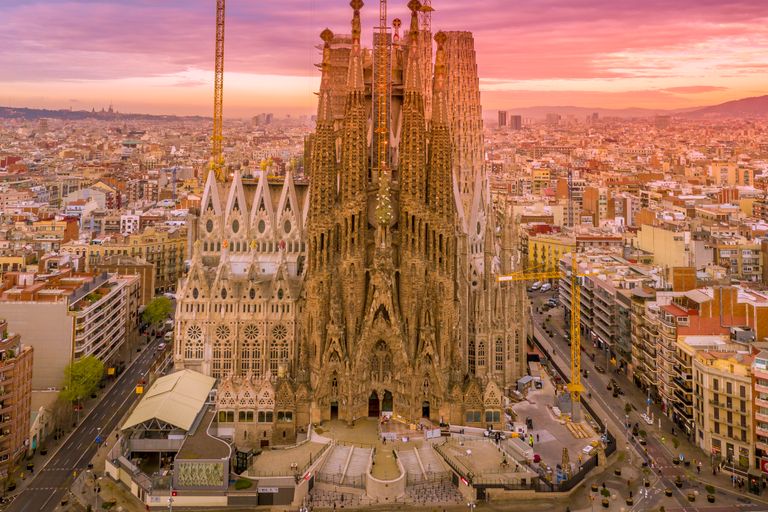
Most of that landscape came from one mind: Antoni Gaudí. His Sagrada Família cathedral has been under construction since 1882 and still stops people cold. Park Güell, Casa Batlló, and Casa Milà round out a body of work unlike anything else in Spain.

Beyond Gaudí, Barcelona’s Gothic Quarter is a place to visit slowly. Narrow medieval lanes open onto sunlit squares. Street food vendors compete with rooftop bars. The Boqueria market overflows with local produce, cured meats, and fresh seafood.
Barcelona sits on the Costa Brava corridor, so beach towns are easy to reach. If you’re flying into Barcelona and staying four days, split your time between the old city, the Eixample district, and at least one afternoon by the water.
Granada: Moorish Magic in Southern Spain
Granada might be the most beautiful place in Spain. That’s a bold claim, but few destinations can match the drama of the Alhambra against a backdrop of snow-capped mountains.
The Alhambra is a Moorish palace and fortress complex built in the 13th and 14th centuries. Its carved plasterwork, reflecting pools, and geometric gardens represent the peak of Islamic art in Europe. It’s a UNESCO World Heritage Site — and one of the most visited attractions in all of Spain. Book tickets weeks in advance.

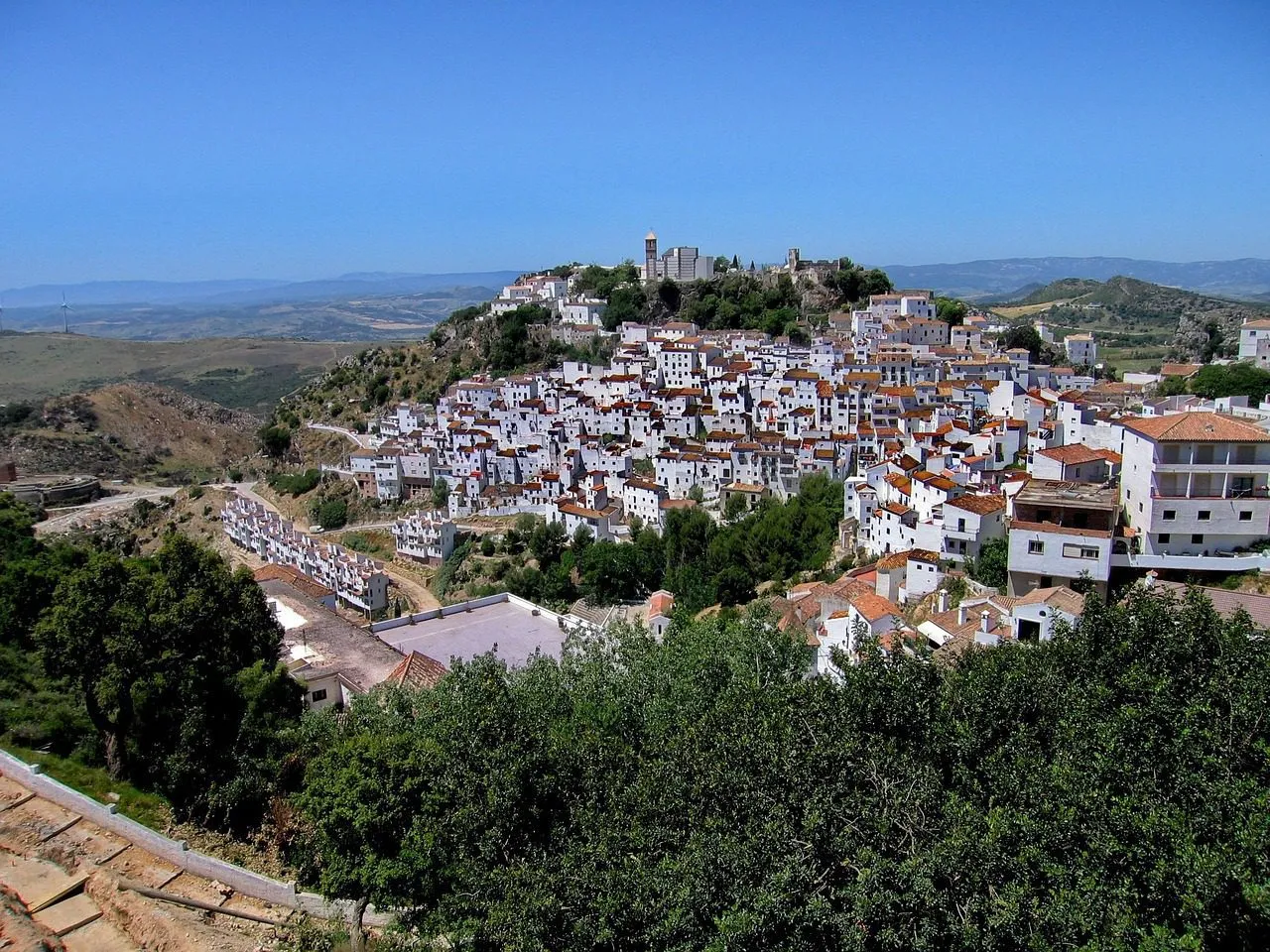
Granada’s old city stretches below the Alhambra. The Albaicín neighborhood tumbles down narrow hillside streets lined with white houses and tea shops. It’s one of the most beautiful old towns in southern Spain, and the views back up to the palace from the Mirador de San Nicolás are unforgettable.
Granada is also famous for something else: free tapas. Order a drink at almost any bar and the kitchen sends out food automatically. It’s one of the best tapas traditions in the country, and locals treat it as a point of civic pride.
If you’re interested in discovering southern Spain more broadly, Granada is the logical starting point.
Seville: Flamenco, Cathedrals, and Andalusian Heat
Seville — or Sevilla — is the soul of Andalusia. It’s loud, passionate, and deeply proud of its traditions. The city gave the world flamenco, and you can still watch authentic performances in small tablaos most nights of the week.
The Seville Cathedral is the largest Gothic cathedral in the world. Climb the Giralda tower beside it for some of the best views in the city. The cathedral also contains the tomb of Christopher Columbus.

On the southern edge of the old city, the Plaza de España is a semicircular masterpiece of ceramic tile and Renaissance Revival architecture. It was built for the 1929 Ibero-American Exposition and remains one of the most photogenic spaces in Spain.
Walk the old Jewish quarter, the Barrio de Santa Cruz, in the early morning before the heat sets in. The narrow lanes and flower-draped balconies feel frozen in time. Seville is also a destination for tapas culture — the competition between bars here is fierce, and the standard is high.
Valencia: Paella, Futurism, and Mediterranean Coast
Valencia sits on Spain’s Mediterranean coast and gets less tourist traffic than Barcelona or Madrid. That’s changing fast, and for good reason.
This is where paella was invented. The real version — made with rabbit and green beans, not shrimp and chorizo — is still served in traditional restaurants outside the city center. Eat it for Sunday lunch the way locals do.

The City of Arts and Sciences is Valencia’s architectural showpiece. Designed by Santiago Calatrava, it’s a futuristic complex of museums, an opera house, and an oceanarium that looks like it belongs in a science fiction film. It contrasts sharply — and beautifully — with the city’s Baroque old town.
Valencia’s beach scene is relaxed compared to the Costa del Sol. The city beach runs for miles, and the pace is unhurried. If your trip to Spain includes time for slowing down, Valencia delivers.
Bilbao and the Basque Country
Bilbao transformed itself in the 1990s with a single building. The Guggenheim Museum Bilbao, designed by Frank Gehry, dropped a titanium-clad landmark into an industrial riverfront and changed everything. It worked. The so-called “Guggenheim effect” became a case study in urban regeneration.

But Bilbao is more than one museum. The Basque Country has its own language, culture, and culinary identity. The pintxos bars of the old quarter serve small bites — the Basque answer to tapas — at a level that rivals any food city in Europe.
Nearby San Sebastián takes pintxos culture even further. The old town there packs more Michelin stars per capita than almost anywhere on Earth. It’s a top destination for serious food travelers, and the beaches are stunning.
Northern Spain gets less attention than the south, but the Basque Country rewards the extra effort.
Toledo: A Medieval City in Spain Frozen in Time
Toledo sits on a rocky promontory above the Tagus River, just 70 kilometers south of Madrid. Three religions — Christian, Muslim, and Jewish — coexisted here for centuries, and the city’s architecture tells that story in stone.

The Toledo Cathedral is one of the finest Gothic cathedrals in Spain. The El Greco museum preserves paintings by the Greek-born artist who made Toledo his home. The old city — a World Heritage site — is compact enough to cover on foot in a day.
Toledo is one of the most popular day trips from Madrid, and for good reason. However, staying overnight lets you see the city after the tour groups leave, which is a completely different experience.
Salamanca: Golden Stone and Academic Tradition
Salamanca is one of the most beautiful cities in Spain, and also one of the most overlooked by international visitors. Its old university — the oldest university in Spain — was founded in 1218. The city grew around it, and the result is a compact center of honey-colored sandstone buildings that glow at sunset.
The Plaza Mayor in Salamanca is widely considered the finest main square in Spain. It’s larger and more ornate than Madrid’s version, and local life revolves around it at all hours. Students, professors, and tourists share the same café tables.
Salamanca is a great addition to any itinerary that already includes Madrid. It’s two hours by bus and feels like a completely different Spain.
Ronda: Drama in the Mountains
Ronda is one of the most dramatic destinations in Spain. The city sits on a plateau split by a 100-meter gorge, and the 18th-century Puente Nuevo bridge spans the gap with breathtaking confidence.

Ronda is one of the beautiful places that looks almost impossible — like a film set rather than a real town. The views from the clifftop promenades take in rolling hills, olive groves, and the distant outline of the Sierra Nevada.
The city also has one of Spain’s oldest bullrings and a compact Moorish quarter with a well-preserved Arab bath. Ronda works well as part of a southern Spain road trip, sitting between Seville and Málaga.
More Places in Spain Worth Your Time
Málaga
Málaga is the gateway to the Costa del Sol and the birthplace of Picasso. The city has shed its reputation as a transit hub and built a serious cultural identity. The Picasso Museum and the Pompidou Centre Málaga draw visitors on their own merits. The old town is walkable and full of good tapas bars.
Segovia
Segovia has two landmarks that make it worth the trip: a perfectly preserved Roman aqueduct and a fairy-tale Alcázar palace that reportedly inspired Walt Disney. Like Toledo, it works as a day trip from Madrid or an overnight stop.
Santiago de Compostela
Santiago de Compostela is the end point of the Camino de Santiago, the famous pilgrimage route that draws walkers from around the world. The cathedral at its center is one of the great Romanesque churches in Europe.
Even if you don’t walk the Camino, the city’s atmosphere is unlike anywhere else in Spain.
Pamplona

Pamplona is famous internationally for the Running of the Bulls during the San Fermín festival in July. Outside of that week, it’s a graceful Navarrese city with excellent food and a well-preserved old town. It’s a city in Spain that surprises most visitors who bother to look past the headlines.
What Is the Nicest Part of Spain to Visit?
It really depends on what you’re after. If you want architecture and nightlife, Madrid or Barcelona top the list. If you prefer Moorish history and flamenco, Andalusia — especially Granada and Seville — is your answer.
For food culture and dramatic landscapes, the Basque Country is hard to beat. Southern Spain has the warmest weather and the most sun.
Most travelers find that the best approach is to pick two or three regions and go deep rather than rushing through ten cities in ten days.
What Is the Most Beautiful Place in Spain?
Granada consistently wins this debate. The Alhambra at sunset, the white houses of the Albaicín, the backdrop of the Sierra Nevada — it adds up to something genuinely rare. However, Ronda’s gorge, Toledo’s medieval skyline, and Salamanca’s golden plaza all have passionate defenders. Spain is full of beautiful cities, and beauty is personal.
Planning a Trip to Spain: Quick Tips
- Book the Alhambra early. Tickets sell out weeks in advance, especially in spring and fall.
- Use the train network. Spain’s high-speed AVE trains make it easy to move between Madrid, Seville, Barcelona, and Valencia quickly.
- Eat late. Lunch is at 2–3 PM, dinner at 9–10 PM. Adjust your clock and eat like a local.
- Mix big cities with smaller ones. Toledo, Salamanca, and Ronda add texture to any itinerary built around the major destinations.
- Go beyond the coast. The beach towns of the Costa del Sol are popular for good reason, but Spain’s interior is where a lot of the most memorable places to visit in Spain are found.
Ready to Explore Spain?
Spain is one of the best destinations in Europe for a reason. The cities are extraordinary, the food is world-class, and the variety — from Basque pintxos bars to Moorish palaces to Roman aqueducts — means you can visit Spain repeatedly and always find something new.
Now that you know the best destinations in Spain to visit, the only question left is where you’ll go first.
Start planning your trip to Spain today. Pick one destination, book the train, and let the country do the rest.